
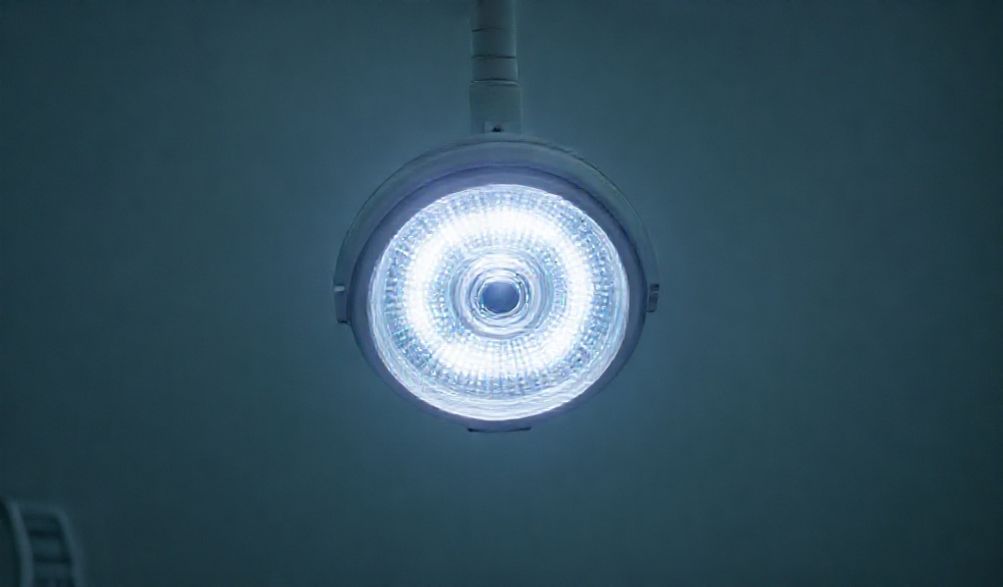
The Ultimate Guide to LED Exam Lights: Enhancing Patient Care & Clinical Efficiency
Picture this: you’re in the middle of a detailed wound assessment. The patient is anxious, and you need to discern subtle variations in tissue color and moisture. As you lean in, the overhead halogen lamp casts a harsh, uneven glow, creating deep shadows that obscure the wound margins. The fixture hums and radiates a palpable heat onto your neck and the patient’s skin. You adjust the arm, but it’s stiff, and the light flickers momentarily. In that instant, diagnostic confidence wavers, replaced by frustration with a tool that should be your ally, not your adversary.
This scenario is all too familiar in clinics still relying on outdated incandescent or halogen exam lighting. Suboptimal illumination isn’t just an inconvenience; it’s a clinical liability that can compromise diagnostic accuracy, accelerate practitioner fatigue, and detract from the patient experience. The solution, however, is illuminatingly clear: the modern LED exam light.
This comprehensive guide is designed to be your definitive resource. Built on industry standards, clinical evidence, and practical insights, we’ll cut through the technical jargon to provide healthcare professionals, practice managers, and procurement specialists with the trustworthy information needed to make an informed decision. You’ll learn not just how LED technology works, but how its specific benefits translate directly to improved patient care, operational savings, and a better working environment. Let’s shed light on the future of clinical examination.
What Are LED Exam Lights & How Do They Work?
At first glance, an LED exam light might seem like a simple upgrade—a newer, brighter bulb. In reality, it represents a fundamental technological shift in medical illumination, engineered for precision, reliability, and efficiency.
Beyond the Bulb: The Technology Inside
Traditional halogen lights work by heating a tungsten filament until it glows white-hot, a process that converts over 90% of energy into wasted heat. A Light Emitting Diode (LED), in contrast, is a semiconductor device. When an electrical current passes through it, electrons move within the semiconductor material, releasing energy in the form of photons—light. This electroluminescence process is inherently more efficient, producing more light per watt of electricity with minimal heat.
A high-quality LED exam light is a sophisticated system, not just a diode:
* LED Chips: The core light source. Medical-grade lights use an array of chips to achieve high, uniform output.
* Heat Sink: Although LEDs run cool, the electronic driver generates some heat. An aluminum heat sink passively draws this heat away, protecting the LED’s longevity.
* Driver: This crucial component regulates the power supply to the LEDs, ensuring consistent, flicker-free performance and enabling features like dimming.
* Optical Lens/Reflector: This system shapes and directs the light beam. Advanced optics create a wide, uniform field with excellent shadow control, eliminating the “hot spot” common in older lights.
Key Performance Metrics for Medical Lighting
Understanding these specifications is key to selecting a light that meets clinical demands:
- Color Temperature (CCT): Measured in Kelvins (K), this describes the “warmth” or “coolness” of light. Halogen lights are typically very warm (~3000K). Medical LED exam lights often offer daylight-balanced temperatures (4500K – 5500K). This cooler, whiter light enhances contrast and is less likely to alter the perceived color of tissue and fluids, which is critical for accurate diagnosis.
- Color Rendering Index (CRI): On a scale of 0-100, CRI measures a light’s ability to reveal the true colors of an object compared to natural sunlight. For clinical settings, a CRI of 90 or higher is essential. A high CRI ensures you can accurately distinguish between shades of red (inflammation, erythema), blue (cyanosis), and yellow (jaundice).
- Lux/Illuminance: This is the measure of light intensity falling on a surface. General exam rooms may require 1,000-2,000 lux, while detailed procedures like suturing or dermatology can demand 5,000 lux or more. A good LED exam light provides adjustable, high-intensity illumination without excessive glare.
- Shadow Control & Uniformity: Poor lighting creates obstructive shadows from hands and instruments. Medical LEDs use advanced optical designs to produce a wide, even “light field.” This shadow-reduced illumination allows for clear visualization from multiple angles, improving procedural accuracy and ergonomics.
Top Benefits of Upgrading to LED Exam Lighting
The transition from halogen to LED is more than a simple bulb swap; it’s an upgrade that touches every aspect of clinical practice.
Unmatched Clinical Accuracy & Diagnostic Confidence
This is the paramount benefit. The combination of high CRI (>90) and optimal daylight color temperature (4500-5500K) provides exceptional tissue differentiation. Practitioners can more clearly visualize:
* Subtle variations in skin tone and texture.
* The true color and margins of wounds, rashes, and lesions.
* Vasculature and capillary refill.
* The nuances of oral, aural, and nasal cavities.
This enhanced visual fidelity supports more accurate diagnoses, better documentation, and ultimately, improved patient outcomes.
Enhanced Practitioner Comfort & Reduced Fatigue
Clinician well-being directly impacts care quality. Halogen lights are essentially small heaters, radiating significant infrared energy that can cause discomfort during prolonged exams. LED exam lights emit virtually no IR radiation, keeping the clinician’s head, neck, and hands cool—and more importantly, keeping the patient comfortable. Furthermore, quality LEDs are completely flicker-free, eliminating a subtle but significant source of eye strain and headaches during long clinical days, allowing for sustained focus.
Significant Operational Cost Savings & Sustainability
The financial argument for LED is compelling. Consider a typical halogen exam lamp drawing 150 watts versus a medical LED equivalent at just 15-30 watts. This 80-90% reduction in energy consumption leads to direct, substantial savings on utility bills.
The longevity is even more impactful. Where a halogen bulb may last 1,000-2,000 hours, an LED exam light boasts a rated lifespan of 30,000 to 50,000 hours (L70 rating, meaning time until light output depreciates to 70%). This translates to over a decade of typical clinical use without a bulb change, eliminating the recurring cost of replacement lamps and the staff time needed to change them. This reduced waste, coupled with lower energy demand, also makes LED lighting a clearly sustainable choice for environmentally conscious practices.
Improved Patient Experience & Safety
Patient perception matters. The cool-to-the-touch surface of an LED light eliminates the burn risk associated with hot halogen housings. The absence of glaring hot spots and irritating heat creates a more calming, less clinical atmosphere. A comfortable patient is more cooperative, facilitating a smoother examination and a more positive overall impression of the care received.
How to Choose the Right LED Exam Light: A Buyer’s Checklist
With numerous options available, selecting the right light requires a methodical approach tailored to your specific needs.
Assessing Your Clinical Application & Specialty Needs
First, define the primary use case:
* Primary Care/Family Medicine: Versatility is key. Look for a light with a broad, even field, good color rendering, and easy maneuverability for full-body exams.
* Dermatology: Requires very high intensity (lux) and exceptional CRI for detailed lesion analysis. Consider lights with magnification or camera integration.
* Dentistry/Oral Surgery: Needs a focused, intense beam with excellent shadow control for the oral cavity. Ergonomic handles and autoclavable tips are common requirements.
* Surgery/Minor Procedure: Lights must be sterile-field compatible, often with a dedicated surgical design offering extreme depth of field and shadow reduction.
* Specialty (ENT, Colposcopy): Often integrated into specialized scopes or units with very specific beam characteristics.
Key Features & Specifications Comparison
Use this mental checklist when comparing models:
1. CRI: Must be ≥90. Don’t compromise here.
2. CCT: 4500K-5500K is the medical standard for optimal contrast.
3. Peak Illuminance: Ensure it meets the lux requirements for your most demanding procedures.
4. Dimming Range: Smooth, continuous dimming from 10% to 100% allows for perfect adjustment for any task or patient sensitivity.
5. Beam Diameter & Uniformity: Look for specifications on field size and “hot spot” vs. edge uniformity.
6. Form Factor: Decide on the best mount: Wall-mounted (space-saving), ceiling-mounted (maximizes floor space), mobile floor stand (flexible), or headlight (hands-free).
Ergonomics, Mobility, and Ease of Use
A light is only good if you can position it effortlessly. Evaluate:
* Maneuverability: Do the arms move smoothly through a full range of motion? Is the counterbalance strong enough to hold position precisely?
* Reach & Articulation: Can the light easily cover your entire exam table or chair?
* Controls: Are they intuitive and accessible—often a handle-mounted touch sensor or foot pedal?
* Infection Control: Are surfaces seamless and easy to clean? Are they compatible with common hospital-grade disinfectants?
Understanding Certifications & Compliance
This is non-negotiable for patient and staff safety. Ensure any LED exam light you consider is:
* FDA Listed: As a Class I or Class II medical device, confirming it is intended for medical examination.
* IEC 60601-1 Compliant: This is the international safety standard for medical electrical equipment, covering electrical, mechanical, and thermal safety.
* RoHS Compliant: Restricts the use of hazardous substances (like lead or mercury) in the manufacturing process.
Installation, Maintenance & Best Practices
Professional Installation Considerations
For mounted lights (wall or ceiling), professional installation is recommended. Key considerations include:
* Placement: Install the base or track to allow the light to cover the entire examination area without obstructing workflow or other equipment.
* Electrical: Ensure the outlet or hardwired connection meets local electrical codes and the manufacturer’s specifications.
* Height & Orientation: Position the mounting point to maximize the light’s range of motion and avoid creating shadows from the clinician’s own body.
Routine Care for Longevity and Performance
LEDs are low-maintenance, but basic care ensures optimal performance:
* Cleaning: Regularly wipe down the housing and diffuser with a soft, lint-free cloth dampened with a mild disinfectant. Avoid abrasive cleaners or spraying liquid directly onto the light.
* Troubleshooting: If the light fails, first check the power connection and circuit breaker. For lights with removable handles or controllers, ensure connections are secure. Most issues are related to power supply or controls, not the LED module itself.
Maximizing Your Investment: Tips for Clinical Staff
A brief orientation can ensure everyone uses the light effectively:
* Position First, Then Power: Move the light into the optimal position over the examination site before turning it to full brightness to avoid temporarily blinding the patient.
* Use Dimming: Start at a lower intensity for patient comfort during initial assessment, then increase as needed for detailed work.
* Leverage Color Temperature: If the light offers adjustable CCT, use the cooler “daylight” setting for exams requiring high contrast and a slightly warmer setting for general comfort.
Frequently Asked Questions (FAQ) About LED Exam Lights
Q1: Are LED exam lights really worth the higher upfront cost?
A: Absolutely. While the initial purchase price may be higher than a basic halogen lamp, the Total Cost of Ownership (TCO) is dramatically lower. When you factor in 90% energy savings and the elimination of bulb replacements for a decade or more, an LED exam light typically pays for itself within 1-3 years through operational savings alone, making it a wise long-term investment.
Q2: Can LED lights accurately show true tissue color for diagnosis?
A: Yes, when you select the right product. The critical factor is the Color Rendering Index (CRI). Medical-grade LED exam lights are engineered with a CRI of 90 or higher, specifically to provide true-to-life color rendition. This, combined with a daylight color temperature, meets and often exceeds the color accuracy of outdated halogen technology, as recognized in clinical lighting standards.
Q3: How long do LED medical lights actually last?
A: High-quality medical LEDs have a rated lifespan of 30,000 to 50,000 hours. To put that in perspective, in a clinic used 10 hours a day, 5 days a week, that’s over 10 years of service. It’s important to note that LEDs don’t typically “burn out”; they slowly depreciate in brightness. The L70 rating (50,000 hours L70 means the light will maintain at least 70% of its initial output for that period) is a more meaningful metric than simple failure time.
Q4: Are they compatible with existing mounts or fixtures?
A: It depends. Some LED models are designed as direct “retrofit” replacements for specific halogen lamps, using the same arm and base. However, many modern LED exam lights are complete systems (light head, arm, and base) designed to leverage the latest ergonomics and optics. It’s best to check the manufacturer’s specifications or consult with a supplier to determine compatibility with your existing setup.
Q5: Do LED exam lights emit any harmful UV or IR radiation?
A: High-quality medical LEDs emit negligible amounts of ultraviolet (UV) and infrared (IR) radiation compared to halogen bulbs, which are significant sources of IR (heat). This reduction is a major safety and comfort benefit, protecting both patient skin and clinician comfort during close-proximity work.
Conclusion
The evidence is clear: upgrading to a modern LED exam light is one of the most impactful improvements a clinical practice can make. It transcends a simple utility upgrade, positioning itself as a critical diagnostic tool that enhances visualization accuracy, a staff wellness tool that reduces physical strain, and a financial tool that lowers operational costs for years to come.
We’ve moved beyond the era of the hot, glaring, inefficient exam lamp. Today’s LED technology offers a cooler, brighter, smarter, and more sustainable solution that directly contributes to higher quality patient care. As lighting technology continues to evolve, we see trends like tunable white spectrums and integration with digital health records on the horizon.
We encourage you to take a critical look at the lighting in your exam rooms. Use the checklist provided in this guide as a starting point. The best next step is to experience the difference firsthand. Consult with reputable medical equipment suppliers who can provide demonstration units, allowing you to see the superior color quality, feel the cool operation, and appreciate the ergonomic design. Illuminate your practice with the standard of care that both your patients and your team deserve.
p>