
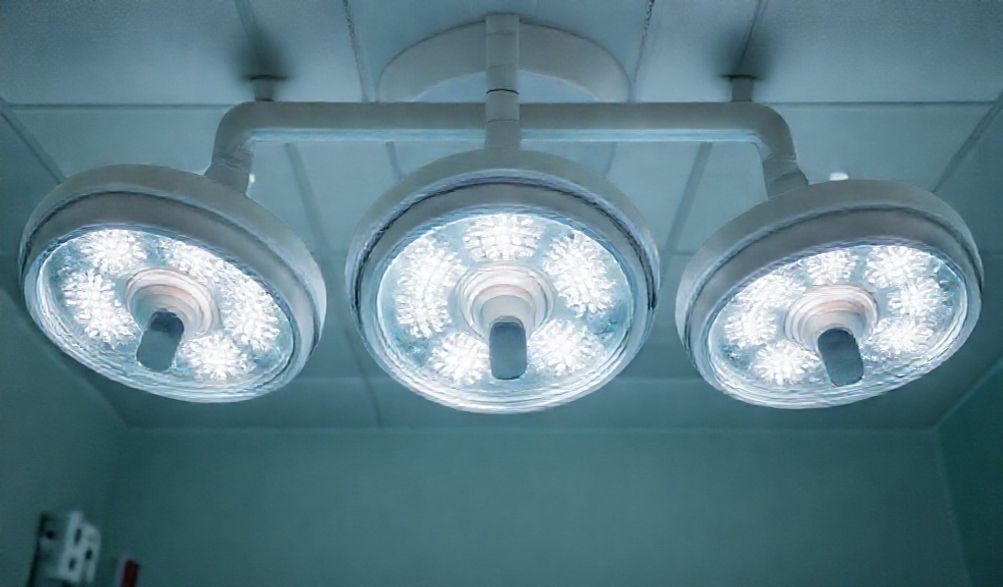
The Ultimate Guide to Medical Exam Lights: Choosing the Right Lighting for Patient Care
Introduction
What if a misdiagnosis, a missed detail, or a difficult procedure could be traced back to a single, overlooked factor in the exam room? Not a lack of skill or technology, but something as fundamental as light. In healthcare, illumination is not merely about visibility; it is a critical diagnostic and therapeutic tool. Inadequate lighting leads to practitioner eye strain, increased fatigue, patient discomfort, and—most critically—potential inaccuracies in assessment and treatment.
The solution lies in purpose-built medical exam lights. These are not standard lamps or overhead fixtures; they are sophisticated instruments engineered to meet the exacting demands of clinical environments. This comprehensive guide is designed to empower healthcare administrators, facility managers, and procurement specialists. We move beyond marketing claims to provide an evidence-based framework for selection, rooted in clinical requirements, engineering specifications, and industry best practices. Our goal is to deliver trustworthy information you can rely on to make decisions that impact patient outcomes, staff well-being, and operational efficiency.
Why Medical-Grade Lighting is Non-Negotiable for Modern Healthcare
In any other setting, a light’s job is to illuminate. In a medical context, its job is to reveal. The transition from general lighting to medical-grade illumination marks the shift from seeing to assessing.
Beyond Illumination: The Clinical Impact of Proper Lighting
The primary mandate of a medical exam light is to support accurate diagnosis. Consider the clinical tasks it enables:
* Accurate Tissue Differentiation: Distinguishing between healthy and necrotic tissue in a wound bed, identifying subtle variations in skin tone indicative of jaundice or cyanosis, or visualizing the true margins of a lesion during a biopsy all depend on exceptional color accuracy and shadow control.
* Enhanced Procedural Precision: Whether suturing a laceration, performing a minor surgical procedure, or inserting an IV, high-quality, focused light reduces visual noise and allows for finer motor control. Studies on surgical lighting have consistently linked improved illumination with reduced error rates and improved outcomes.
* Detailed Observation: From the vasculature of the retina during an ophthalmoscopic exam to the topography of the tympanic membrane, dedicated lighting transforms a surface into a landscape of diagnostic information.
Enhancing Practitioner Ergonomics and Reducing Fatigue
Clinicians spend hours in fixed positions, their visual focus intensely trained on a small area. Poor lighting—with glare, shadows, or insufficient intensity—forces unnatural postural adjustments: leaning in, tilting the head, squinting. This leads to rapid onset of eye strain, neck and shoulder pain, and overall fatigue.
Medical exam lights are ergonomic tools. Their fully articulating arms and easy repositioning allow the light to be brought to the field, not the practitioner to the light. Consistent, shadow-reduced illumination minimizes constant pupil adjustment, combating eye fatigue. A comfortable practitioner is a more focused, precise, and safer practitioner, directly linking lighting ergonomics to patient care quality.
Improving Patient Comfort and Experience
The clinical environment can be anxiety-inducing. Harsh, glaring lights from a single source can exacerbate this stress, causing patients to flinch or tense up. Modern medical lighting addresses this through:
* Glare Control: Engineered diffusers and optical systems create bright yet comfortable illumination without causing patient discomfort.
* Dimmability: The ability to lower intensity for general exams or pupil checks creates a more calming atmosphere.
* Color Temperature: Lights that produce a natural, neutral white light feel more clinical and less stark than cool, bluish light, contributing to a perceived environment of care.
Key Features to Evaluate in Medical Exam Lights
Navigating product specifications requires understanding the key metrics that translate to clinical performance.
Light Source Technology: LED vs. Halogen
The industry has decisively shifted, and for compelling reasons:
* LED (Light Emitting Diode): The modern standard. LEDs offer superior energy efficiency (using up to 80% less power than halogen), extremely long lifespans (50,000+ hours), and minimal heat emission—a critical comfort and safety factor for both patient and clinician. Modern high-CRI LEDs now match or exceed the color quality of halogens.
* Halogen: The traditional source. Halogens were prized for their excellent color rendering. However, they are inefficient, generate significant radiant heat, have short lifespans (1,000-2,000 hours), and incur high ongoing replacement costs.
The Verdict: For any new procurement or upgrade, LED is the unequivocal choice based on total cost of ownership, clinical performance, and operational reliability.
Critical Performance Metrics: CRI, CCT, and Lux
These three specifications form the core of a light’s clinical capability.
* Color Rendering Index (CRI): Measured on a scale of 0-100, CRI indicates how accurately a light source reveals the true colors of objects compared to natural light. For medical use, a CRI of 90 or higher is essential. A low CRI can make tissue appear washed out, mask subtle erythema (redness), or alter the appearance of bruising, directly impacting diagnostic judgment.
* Correlated Color Temperature (CCT): Measured in Kelvins (K), this describes the “warmth” or “coolness” of white light.
* Warm White (2700K-3500K): Yellowish hue, common in homes.
* Neutral/Cool White (4000K-5500K): Bright, neutral white. This is the sweet spot for most medical exams, providing alert, accurate illumination without a sterile, blue cast.
* Daylight (5500K+): Bluish-white, sometimes used for specific high-precision tasks.
* Illuminance (Lux): This is the measure of light intensity falling on a surface. General examination may require 1,000-2,000 lux, while detailed procedures like suturing or minor surgery demand 5,000 lux or more, often concentrated in a focused field.
Mechanical Design and Usability
A light with perfect specs is useless if it’s difficult to position or maintain.
* Adjustability & Reach: Look for multi-jointed arms with smooth movement and a sufficient “reach envelope” to cover the entire exam table or procedure area without obstructing the clinician. Counterbalanced arms that stay in position are crucial.
* Hygiene & Cleanability: Surfaces should be seamless, non-porous, and resistant to hospital-grade disinfectants. The design should have minimal crevices where pathogens can lodge.
* Durability & Warranty: Medical equipment is used constantly. Robust construction from quality materials and a comprehensive warranty (often 3-5 years for LEDs) are strong indicators of a trustworthy manufacturer who stands behind their product’s longevity in a demanding environment.
Types of Medical Exam Lights and Their Applications
Matching the light type to the clinical space is key to maximizing its utility.
Overhead Examination Lights (Ceiling-Mounted)
- Ideal For: General practice exam rooms, pediatric offices, outpatient clinics, multi-purpose procedure rooms.
- Key Characteristics: Mounted on a fixed ceiling plate or, more commonly, a track system for lateral movement. Provides broad, even illumination perfect for whole-body exams. The track-mounted version offers excellent flexibility to serve multiple areas within a room.
Surgical & Procedure Lights
- Ideal For: Minor surgery rooms, laceration repair, dermatology procedures, colposcopy, and any task requiring deep-cavity illumination.
- Key Characteristics: Often feature multiple LED heads arranged in a ring or cluster to virtually eliminate shadows. Provide very high intensity (15,000-50,000+ lux) in a focused field. May include handles for sterile manual positioning and advanced color correction filters.
Portable Diagnostic Lights (Wall-Mounted or Handheld)
- Ideal For: Targeted exams in ENT, dental, wound care, and for bedside use in hospital rooms. Also common as supplementary lighting.
- Key Characteristics: Highly flexible gooseneck arms (wall-mounted) or compact, battery-operated handheld units. Offer precise, localized light. Wall-mounted variants save valuable counter space and are always charged and ready.
A Step-by-Step Procurement Guide
A structured approach prevents costly mismatches between equipment and need.
Step 1: Conduct a Clinical Needs Assessment
Engage the end-users—the physicians, nurses, and technicians. Ask:
* What specific procedures are performed in this room? (e.g., general physicals vs. wound debridement)
* What are the current lighting pain points? (e.g., shadows during exams, light is too hot, difficult to position)
* What is the workflow? Does the light need to cover one zone or move between an exam table and a procedure cart?
Step 2: Set Your Technical Specification Checklist
Create a list of non-negotiable requirements based on your assessment. Example:
* [ ] Light Source: LED
* [ ] Minimum CRI: 93
* [ ] CCT Range: 4500K – 5000K
* [ ] Minimum Illuminance: 5,000 lux (for procedure rooms)
* [ ] Adjustability: ≥4 articulating joints, counterbalanced
* [ ] Mounting: Ceiling track, 2-meter length
* [ ] Warranty: Minimum 3 years on light engine and parts
Step 3: Evaluate Brands and Compare Quotes
Look beyond the initial price tag. Research:
* Manufacturer Reputation: How long have they been in the medical lighting field? Do they comply with relevant ISO and IEC standards?
* Service & Support: Is there a local or responsive service network for repairs?
* Lifecycle Cost: Calculate total cost over 5-10 years, including energy use, bulb replacements (for halogen), and potential downtime.
Step 4: Plan for Installation and Staff Training
- Professional Installation: Ceiling-mounted lights, especially on tracks, must be installed by a qualified electrician or biomedical technician. This ensures electrical safety, structural integrity (correct mounting to ceiling joists), and proper calibration.
- Comprehensive Training: Ensure clinical staff understand all features: how to balance the arms, use the dimmer, activate any special modes, and properly clean the unit. This maximizes utility and protects your investment.
Frequently Asked Questions (FAQ) About Medical Exam Lights
Q: What is the typical lifespan of an LED medical exam light?
A: High-quality LED medical lights are designed for 50,000 to 100,000 hours of operation. Under normal clinical use, this can equate to 15-20 years or more, drastically reducing maintenance and replacement costs compared to halogen systems.
Q: How important is dimming functionality?
A: Extremely important. Dimming allows a clinician to tailor the light level to the task—bright for a detailed procedure, lowered for a general exam or to check pupil reactivity. It enhances both diagnostic precision and patient comfort.
Q: Can I install a medical exam light myself?
A: No. Installation of ceiling-mounted medical lights, particularly those on tracks, involves electrical wiring, secure mounting into structural supports, and precise balancing. This must be performed by a licensed professional to ensure safety, compliance with codes, and optimal performance. This is a critical trust and safety consideration.
Q: How do I properly clean and maintain my exam light?
A: Always follow the manufacturer’s instructions—they are the authoritative source. General guidelines include powering off the light, using a soft, lint-free cloth dampened with a mild, hospital-grade disinfectant, and wiping surfaces gently. Avoid abrasive cleaners, aerosols, or spraying liquid directly onto joints or the light head assembly.
Conclusion
Selecting a medical exam light is a decision that resonates through every patient interaction in that room. It is an investment not in a commodity, but in a fundamental tool for diagnostic accuracy, practitioner well-being, and patient-centered care. The core tenets of a wise selection remain: a clear understanding of clinical need, a commitment to modern LED technology with high color fidelity (CRI >90), and a robust, user-centric design from a reputable manufacturer.
We recommend prioritizing long-term value, safety, and clinical utility over the lowest initial cost. Let the insights and experiences of your clinical staff guide your specifications. For your next step, consider consulting with certified medical equipment specialists who can provide tailored recommendations based on your unique facility layout and procedural needs. The right light doesn’t just illuminate the patient; it illuminates the path to better care.
p>