
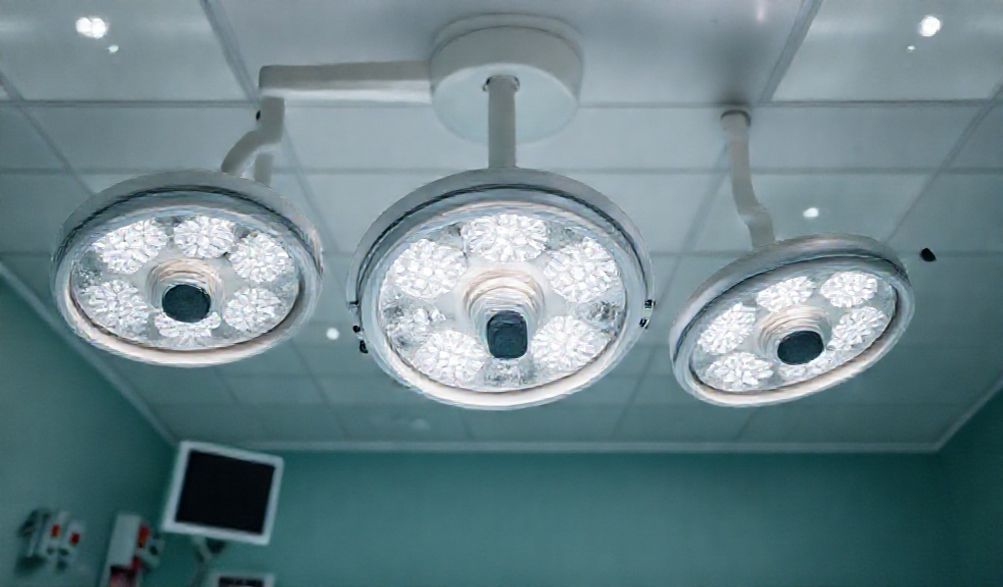
The Complete Guide to Buying Operating Room Lights for Your Medical Facility
Operating room (OR) lights are far more than simple overhead fixtures; they are a critical, non-negotiable investment for any surgical facility. Their quality directly impacts surgical precision, staff ergonomics, and ultimately, patient outcomes. In the high-stakes environment of modern surgery, optimal illumination is a foundational pillar of success. Whether you’re outfitting a new operating theater, upgrading aging halogen systems, or expanding your surgical services, purchasing the right OR lighting system is a complex decision with significant long-term implications.
Navigating the market for operating room lights for sale involves a maze of technical specifications, clinical requirements, and financial considerations. It’s a decision that extends far beyond procurement—it’s a commitment to your facility’s standard of care for the next decade or more. This comprehensive guide is designed to help healthcare administrators, clinical engineering teams, and procurement specialists cut through the complexity. We’ll translate intricate specifications into practical insights, empowering you to make an informed, confident purchase that meets stringent medical standards and supports your facility’s surgical excellence for years to come.
Core Technical Specifications to Evaluate
Before considering brands or models, you must understand the core technical metrics that define an OR light’s performance. These specifications are the language of quality and capability in surgical illumination.
Understanding Lux, Lumens, and Shadow Management
At the heart of OR light performance are three interrelated concepts: intensity, output, and shadow control.
- Lux is the measure of light intensity at the surgical site—how bright the light is on the tissue. Modern surgical lights typically deliver between 40,000 and 160,000 lux at a defined distance (e.g., 1 meter). Higher lux values allow for illumination of deep cavities without needing to bring the light dangerously close to the field. However, more isn’t always better; excessive, unfocused intensity can cause tissue drying and surgeon eye fatigue.
- Lumens measure the total light output of the source. Think of lux as the concentration of light (like water pressure from a hose), and lumens as the total volume of light (the total water flow). A system needs high lumen output to achieve high lux levels at a distance.
- Shadow Management is arguably the most critical performance feature. A single light source creates harsh, obstructive shadows. Advanced OR lights use sophisticated optical systems—such as multiple, overlapping LED point sources or specially designed reflector bowls—to fill in shadows created by surgeons’ heads and hands. This “shadow dilution” technology ensures that the surgical cavity remains consistently illuminated from multiple angles, providing a three-dimensional view that is crucial for depth perception and precision.
Color Temperature & Rendering Index (CRI)
Accurate color differentiation is vital for identifying anatomical structures, tissue viability, and subtle changes in the surgical field.
- Color Temperature, measured in Kelvins (K), describes the hue of the white light. OR lights typically offer adjustable color temperatures, often ranging from 3000K (warm, yellowish) to 5000K (cool, bluish) or even higher. A setting around 4000K-4500K is often preferred as it provides a neutral, daylight-like quality that reduces eye strain over long procedures. The ability to adjust this setting allows surgeons to tailor the light to specific procedures (e.g., a cooler light for better contrast in neurosurgery).
- Color Rendering Index (CRI) is a scale from 0 to 100 that measures a light’s ability to reveal the true colors of objects compared to natural sunlight. For surgical applications, a CRI of 90 or above is absolutely non-negotiable. A high CRI ensures that the subtle differences between arterial blood, venous blood, fatty tissue, and muscle are clearly and accurately discernible. A light with a poor CRI can make tissues look unnaturally grey or washed out, posing a direct risk to patient safety.
Depth of Illumination and Field Diameter
These two specifications work in tandem to define the useful area of the light.
- Depth of Illumination (DoI) refers to how deep into a cavity the light can maintain a useful, focused intensity. A high DoI is essential for procedures like spinal, pelvic, or thoracic surgery. It is a measure of the light’s “reach” and optical focus.
- Field Diameter is the size of the illuminated area at a given distance. Lights are often described by their field diameter at 1 meter (e.g., a 180mm field). A larger field provides broad coverage for open procedures, while a smaller, more intense field is better for deep-cavity work.
The ideal light offers a harmonious balance: a large enough field diameter for the intended procedures, with sufficient depth of illumination to keep that field bright and even, even when the cavity is deep.
Key Features Impacting Surgical Workflow & Safety
Technical specs tell only part of the story. The best OR lights are designed around the human experience in the OR—enhancing workflow, ensuring safety, and reducing strain.
Ergonomic Design and Maneuverability
An OR light must be a seamless extension of the surgical team. Cumbersome, hard-to-position lights disrupt workflow and cause physical strain.
* Articulation: Look for lightweight, counterbalanced arms that move smoothly with minimal effort. They should offer a wide range of motion and be able to hold position precisely without drift.
* Intuitive Controls: Touchscreen interfaces, sterile handles, and foot pedals allow for easy adjustment of intensity and color temperature without breaking sterility. Controls should be logical and responsive.
* Cleanability: Surfaces should be seamless, with minimal gaps or crevices where contaminants can lodge. The design should facilitate rapid and effective cleaning between cases.
Sterilization Compatibility and Infection Control
The OR light is a frequent point of contact and a potential vector for infection. Its design must support rigorous infection control protocols.
* Materials: All external surfaces should be made of materials that can withstand repeated cleaning with hospital-grade disinfectants without degrading, corroding, or discoloring.
* Sealed Design: The light head should be sealed to prevent fluids, dust, or pathogens from entering the internal electronics or optical assembly. This is often a requirement of relevant ISO standards.
Redundancy and Failure Safety Systems
A light failure mid-procedure is unacceptable. Redundancy is a cornerstone of surgical lighting design.
* Backup Light Sources: High-end systems have multiple, independent LED arrays. If one set fails, others automatically illuminate to maintain adequate light levels without interruption.
* Dual Power Supplies: Systems may offer dual power cords or backup battery systems that can provide hours of emergency operation in case of a main power failure.
* Fail-Safe Positioning: The mechanical system should include brakes or locks that prevent the light from drifting or falling into the sterile field if a hydraulic or pneumatic system fails.
Navigating the Purchasing Process
With a firm grasp on requirements, you can approach the procurement process strategically.
New vs. Refurbished OR Lights: A Cost-Benefit Analysis
When searching for operating room lights for sale, you’ll encounter both new and refurbished options.
-
New Lights:
- Pros: Full manufacturer warranty, latest technology and features, compliance with the most current standards, and predictable long-term performance.
- Cons: Higher upfront capital expenditure.
-
High-Quality Refurbished Lights:
- Pros: Significant cost savings (often 30-50% less than new), often include a new warranty from the refurbisher, and provide access to premium models that may otherwise be out of budget.
- Cons: Technology may be a generation behind. The key is the reputability of the vendor. A proper refurbishment should include: complete disassembly, replacement of all wear items (motors, bearings, cables), installation of new LEDs or light engines, updated software, full recalibration, and rigorous testing to original manufacturer specifications (OEM) or relevant ISO standards. Always request detailed documentation of the refurbishment process.
Total Cost of Ownership (TCO) Beyond the Sticker Price
The purchase price is just the beginning. A true financial analysis considers Total Cost of Ownership:
* Energy Efficiency: LED systems consume up to 70% less energy than traditional halogen lights, leading to substantial utility savings.
* Maintenance & Bulb Replacement: LEDs have lifespans of 50,000+ hours, virtually eliminating the cost and labor of frequent bulb changes required by halogen systems.
* Service Contracts: Understand the cost of annual preventative maintenance and emergency service. Factor in the vendor’s response time and local support network.
* Infrastructure Compatibility: Will the new light integrate with your existing surgical booms, video systems, or room control interfaces? Retrofitting can add cost.
Questions to Ask Vendors and During Demos
Come prepared to evaluations and meetings with a checklist:
* Compliance: “Can you provide FDA 510(k) clearance and documentation of compliance with ISO 60601-2-41 specifically for OR lights?”
* Warranty & Service: “What is included in the standard warranty (parts, labor, travel)? What are the terms and costs for extended service agreements?”
* Support: “Do you have local or regional clinical application specialists and service engineers? What is your average response time for a critical service call?”
* Demo: Always insist on a clinical evaluation in your facility. “Can we set up a demo unit for our surgeons to use during a simulated procedure or in a non-sterile environment?” The feel of the controls and the quality of the light are subjective and best judged by the end-users.
Compliance, Standards, and Installation Considerations
Ignoring compliance and installation logistics can turn a smart purchase into an operational nightmare.
Essential Regulatory Standards (FDA, IEC, ISO)
Any operating room light for sale as a medical device in the US must have FDA 510(k) clearance. Internationally, the most critical standard is:
* ISO 60601-2-41: This is the particular standard for the basic safety and essential performance of surgical luminaires and diagnostic luminaires. It covers everything from light intensity and field uniformity to temperature limits, mechanical stability, and ingress protection. Compliance with this standard is a baseline indicator of quality and safety.
Planning for Installation and Integration
Professional installation is not optional; it’s a requirement for safety and performance.
* Structural Support: OR lights, especially large multi-arm systems, are heavy. Your facility’s engineering team must verify that the ceiling structure can support the static and dynamic loads.
* Electrical & Data: Confirm voltage requirements and ensure adequate circuits are available. If integrating with a surgical boom or control system, data cabling pathways must be planned.
* Installation Team: Installation should be performed by the manufacturer’s certified technicians or highly qualified biomedical engineers. They will ensure proper balancing, calibration, and safety checks.
* Training: Factor in comprehensive training for surgeons, nurses, and biomedical staff on operation, cleaning, and basic troubleshooting.
FAQ Section
Q: What is the typical lifespan of a modern LED operating room light?
A: A high-quality LED OR light system can typically last for 50,000 to 100,000 hours of use, often translating to 10+ years of clinical service before a significant drop in performance, significantly outperforming traditional halogen systems which require bulb changes every 500-1000 hours.
Q: Can we use standard LED lights in an operating room?
A: No. Surgical LED lights are complex, regulated medical devices. They are engineered for specific intensity, color accuracy, shadow reduction, sterilization compatibility, and electrical safety standards (like ISO 60601-2-41) that commercial LEDs do not meet. Using non-compliant lighting poses a serious clinical and legal risk.
Q: How many lights are needed per operating room?
A: This depends on the surgical specialty. While a single major light is standard, many rooms utilize a configuration of one primary and one secondary (“helper”) light for optimal coverage and redundancy. Trauma, hybrid, or cardiac ORs may require more complex multi-head configurations. A needs assessment with your clinical team is crucial.
Q: What warranty should I expect?
A: Reputable manufacturers typically offer a minimum of 2-3 years on the entire light head and system. Pay close attention to what is covered (parts, labor, travel) and the terms of extended service contracts available post-warranty. High-quality refurbishers should also offer a robust warranty on their work.
Conclusion
Selecting operating room lights for sale is a strategic investment that balances advanced technology, clinical utility, and fiscal responsibility. The right choice does more than illuminate; it enhances surgical capabilities, improves staff well-being, and safeguards the highest standards of patient care. By methodically evaluating technical specifications against your facility’s specific procedural needs, understanding the total long-term costs beyond the initial price tag, and partnering with reputable, compliant vendors, you can secure a lighting solution that will serve as a reliable cornerstone of your operating theater for years to come. Remember to prioritize hands-on clinical evaluations and involve your surgical team in the decision-making process. Their expertise is the final, essential lens through which to view any potential purchase, ensuring the light you choose truly illuminates the path to superior surgical outcomes.
p>