
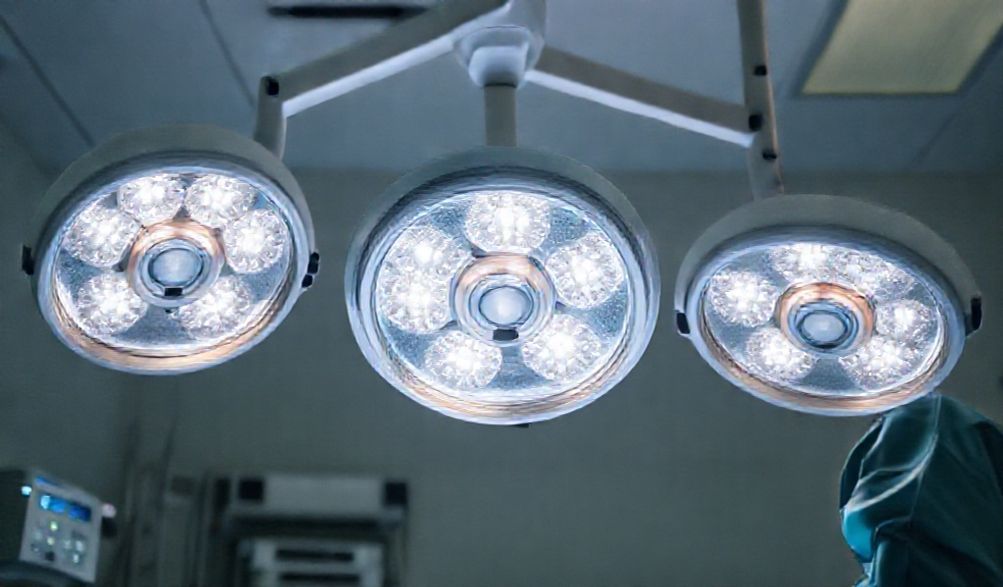
Surgical Examination Lights: A Comprehensive Guide to Optimal Lighting in Medical Procedures
In the high-stakes environment of an operating room, where precision is measured in millimeters and decisions are made in seconds, one factor is foundational to every successful outcome: light. A single shadow obscuring a critical vessel, a subtle shift in tissue hue misinterpreted due to poor color quality, or surgeon eye strain from inadequate illumination can be the difference between a routine procedure and a life-altering complication. surgical lighting is not merely a utility; it is an active, indispensable participant in patient safety and surgical efficacy.
This guide serves as a thorough, expert-driven resource for surgeons, nursing staff, clinical engineering teams, hospital administrators, and procurement specialists. Our purpose is to demystify the technology behind surgical examination lights, empowering you to make informed, strategic decisions for your facility. Synthesizing insights from clinical studies, manufacturer engineering specifications, and operating room best practices, we will address core user needs: understanding critical features, comparing evolving technologies, navigating procurement, and implementing proper maintenance. We will explore the evolution from incandescent bulbs to smart LED systems, break down key technical specifications, survey the types of lights available, and provide a actionable checklist for selection and upkeep.
The Critical Role of Surgical Lighting in Modern Medicine
Impact on Surgical Outcomes and Patient Safety
The primary mandate of any surgical light is to render the surgical site with absolute clarity. This involves a triad of interdependent factors: intensity, shadow control, and color fidelity.
- Illumination & Precision: Sufficient lux (light intensity) is required to see fine anatomical details deep within a cavity. Inadequate light forces surgeons to strain, increasing cognitive load and the risk of error. Studies have consistently drawn correlations between optimized lighting and improved surgical performance, including reduced procedure times and enhanced accuracy in delicate tasks like nerve sparing or microvascular anastomosis.
- Shadow Reduction & Visual Continuity: Unlike a single light source that creates harsh, obstructive shadows, modern surgical lights use multiple LED point sources or reflective optics to create homogeneous, diffuse illumination. This “shadow dilution” ensures that a surgeon’s head or instruments do not cast a disabling shadow, providing a consistently clear field of view from any angle.
- Color Rendering & Tissue Differentiation: The human body is a palette of subtle colors—arterial blood vs. venous blood, healthy tissue vs. necrotic or ischemic tissue. A light with a poor Color Rendering Index (CRI) can distort these hues, leading to misdiagnosis or inadvertent injury. High-CRI, “daylight” spectrum lighting is non-negotiable for accurate tissue discrimination.
Beyond Illumination: Ergonomics and Workflow Efficiency
Great surgical lighting design extends its benefits to the entire surgical team’s physical well-being and the efficiency of the operating room itself.
- Ergonomics: Lights with smooth, effortless maneuverability, long reach, and perfect balance allow surgeons to position the beam without contorting their posture or calling for assistance. This reduces physical fatigue during long procedures, a key factor in maintaining peak performance and career longevity.
- Workflow Integration: Modern lights are increasingly part of the integrated digital OR. They can interface with room control systems, allowing for preset lighting “scenes” for different procedure phases, touchless activation, and even synchronization with imaging displays to reduce glare. This seamless integration minimizes distractions and keeps the team’s focus on the patient.
Evolution and Core Technologies of Surgical Lights
From Incandescent to LED: A History of Innovation
The journey to today’s advanced systems is a story of solving the problems of the past:
* Incandescent/Halogen: Provided warm light but were extremely inefficient, converting over 90% of energy into radiant heat directed at the surgical site—a significant patient risk. Bulb lifespans were short.
* Metal Halide: Offered brighter, whiter light than halogen with better efficiency, but required long “cool-down” periods before restarting and experienced color shift over the bulb’s life.
* LED (Light Emitting Diode): The current gold standard. LEDs revolutionized surgical lighting by offering instant-on capability, minimal infrared heat emission, exceptional energy efficiency (reducing operational costs), and lifespans measured in decades (30,000-60,000 hours). Their solid-state nature allows for precise optical control and digital integration.
Understanding Key Technical Specifications
When evaluating surgical examination lights, these are the non-negotiable specs to understand:
- Lux & Luminous Flux: Lux measures light intensity (brightness) at the surgical surface. General surgery may require 40,000-100,000 lux, while highly specialized microsurgery can demand 150,000 lux or more. Luminous flux (lumens) measures the total light output of the source.
- Color Temperature & CRI: Color temperature, measured in Kelvin (K), describes the light’s “warmth” or “coolness.” A range of 4000K to 5000K is considered ideal “cool white” or “daylight,” reducing blue-light fatigue. The Color Rendering Index (CRI), on a scale of 0-100, is far more critical. A CRI >90 (with Ra9, the red rendering index, being particularly important) is essential for true-to-life tissue color.
- Depth of Illumination & Field Diameter: This indicates the light’s ability to provide consistent, deep-cavity illumination without “hot spots” or rapid fall-off at the edges. A good light will specify a depth (e.g., 15-25cm) at which it maintains a high percentage of its central intensity.
- Shadow Management: Look for technology descriptions like “multi-point source design,” “parabolic reflector systems,” or “LED matrix.” These are engineered to minimize the contrast and obscuration of shadows created by the surgical team.
Types of Surgical Examination Lighting Systems
Major Surgical Lights (Ceiling-Mounted)
The workhorses of the main operating room.
* Single vs. Multi-Arm: Single-arm lights offer simplicity and cost-effectiveness for focused procedures. Multi-arm lights (typically 2-5 arms on a single mounting) provide unparalleled flexibility, allowing the team to combine beams for super-bright illumination or position separate arms for different angles, virtually eliminating shadows.
* Track Systems: Perimeter tracks allow lights to be moved anywhere along the track, ideal for multi-purpose ORs. Central ceiling mounts fix the light in one position, often used in dedicated specialty rooms.
Specialized and Supplementary Lighting
- Headlights and Loupe Lights: Essential for specialties like neurosurgery, ENT, and plastic surgery. These fiber-optic or LED systems provide coaxial illumination directly in the surgeon’s line of sight, reaching deep into narrow cavities.
- Minor Procedure/Examination Lights: Designed for settings like outpatient surgery centers, emergency rooms, labor & delivery, and procedure rooms. They are often mobile on floor stands or wall-mounted, providing excellent, cost-effective illumination for suturing, biopsies, and exams without the complexity of a full OR light.
- Endoscopic Light Sources: Separate high-intensity units that generate light transmitted through fiber-optic cables within scopes for laparoscopic and arthroscopic surgery.
How to Choose the Right Surgical Light: A Procurement Checklist
Assessing Clinical Requirements
Start with the clinical need: What procedures will be performed? (Cardiac, orthopedic, and neuro surgeries have different demands). What is the size of the typical surgical team? How large is the OR? Input from the lead surgeons and nurses is invaluable at this stage.
Evaluating Performance and Features
Use a checklist derived from the specifications above:
– [ ] Lux Intensity: Meets or exceeds requirements for your core procedures.
– [ ] CRI >90: Verified by independent test data, not just marketing claims.
– [ ] Effective Shadow Control: Demonstrated in a live or video demonstration.
– [ ] Depth of Illumination: Sufficient for your deepest common cavities.
– [ ] Ergonomics: Smooth, effortless movement with excellent balance and reach.
– [ ] Sterilizability: Handle design allows for easy and complete cleaning/disinfection with hospital-grade agents without damage.
Considering Operational and Financial Factors
Look beyond the sticker price to the Total Cost of Ownership (TCO):
* Energy Consumption: LED systems can reduce power costs by 50% or more compared to old technologies.
* Lifespan & Service Costs: Factor in the long lifespan of LEDs versus the cost and frequency of bulb replacements for older systems. Inquire about the warranty on mechanical arms and electronics.
* Service Network: Is there reliable, local biomedical engineering support from the manufacturer or distributor?
* Regulatory Compliance: The device must comply with relevant standards like IEC/ISO 60601-2-41 (particular safety for surgical lights) and carry appropriate regional approvals (FDA, CE Mark, etc.).
Installation, Maintenance, and Safety Best Practices
Professional Installation and Calibration
Installation is not a DIY task. Certified technicians must ensure the mount is secure, the electrical connections are safe, the arms are perfectly balanced (so they stay in position without drifting), and the light field is calibrated for optimal performance. Improper installation can lead to safety hazards and subpar illumination.
Routine Cleaning and Disinfection Protocols
The light is a frequent point of contact. Follow the manufacturer’s instructions meticulously:
1. Daily/After Each Procedure: Wipe down all handles, knobs, and external surfaces with a hospital-approved disinfectant wipe.
2. Weekly/As Needed: Clean the optical glass or plastic dome with a soft cloth and mild detergent, then disinfect. Never use abrasive cleaners or sprays directly onto the dome, as liquid can seep in and damage internal components.
3. Always: Ensure the disinfectant is compatible with the light’s materials to prevent cracking or clouding.
Preventative Maintenance and Troubleshooting
- Schedule: Arrange for annual preventative maintenance by a qualified technician to inspect mechanical joints, electrical systems, internal optics, and calibration.
- Troubleshooting: Common issues include gradual dimming (often a sign of aging LEDs or dirty internal optics), erratic movement (potential motor or sensor issue), or a noticeable color shift. For any of these, cease use and contact clinical engineering. Do not attempt internal repairs.
Frequently Asked Questions (FAQ) About Surgical Lights
Q1: Why have LEDs completely replaced older lighting technologies in modern ORs?
A: LEDs offer a superior combination of benefits: drastic energy efficiency (slashing heat output over the patient), exceptionally long lifespans (30,000-60,000 hours), instant full intensity with no warm-up, and excellent, stable color rendering. This leads to enhanced patient safety, surgeon comfort, and lower long-term operational costs.
Q2: What is the most important specification to look for in a surgical light?
A: While a combination is vital, a high Color Rendering Index (CRI >90) is paramount for accurate tissue differentiation. This must be paired with sufficient Lux intensity for your procedures and effective shadow reduction technology. Neglecting any of these three compromises safety.
Q3: How often do surgical lights need to be serviced or replaced?
A: LED modules can last for a decade or more. However, professional preventative maintenance—checking mechanical arms, balance, sensors, and cleaning internal optics—should be performed annually. The functional lifespan of the light is often determined by its mechanical components long before the LEDs fail.
Q4: Can surgical lights be integrated with digital OR systems?
A: Yes. Many modern “smart” lights offer integration via interfaces like ORi™ (Operating Room Interface) or proprietary systems. This allows for centralized control, preset lighting scenes, and data logging. Confirm compatibility with your facility’s existing or planned OR integration platform.
Q5: Are there specific lights recommended for outpatient minor surgery?
A: Absolutely. Minor procedure lights or examination lights are specifically designed for this environment. They are typically mobile on stands or wall-mounted, provide superb, focused illumination for superficial procedures like excisions or laceration repair, and represent a more cost-effective solution than full-scale major surgical lights.
Conclusion
Selecting surgical examination lights is a strategic decision with direct consequences for clinical outcomes, team ergonomics, and financial performance. The optimal choice is rarely the most expensive model, but rather the system that most precisely aligns with your specific procedural needs, enhances the surgical team’s visual and physical comfort, and is backed by a robust, reliable service and support network.
We reinforce the principles of E-E-A-T (Experience, Expertise, Authoritativeness, Trustworthiness): validate the information in this guide by consulting directly with your clinical engineering team, soliciting feedback from experienced surgeons who have used different systems, and arranging live demonstrations from reputable manufacturers. See the light in action on a simulated surgical field.
Ready to specify the perfect lighting for your facility? Download our detailed surgical light specification checklist to guide your next procurement review, or contact a certified clinical equipment planner for a personalized consultation.
p>