
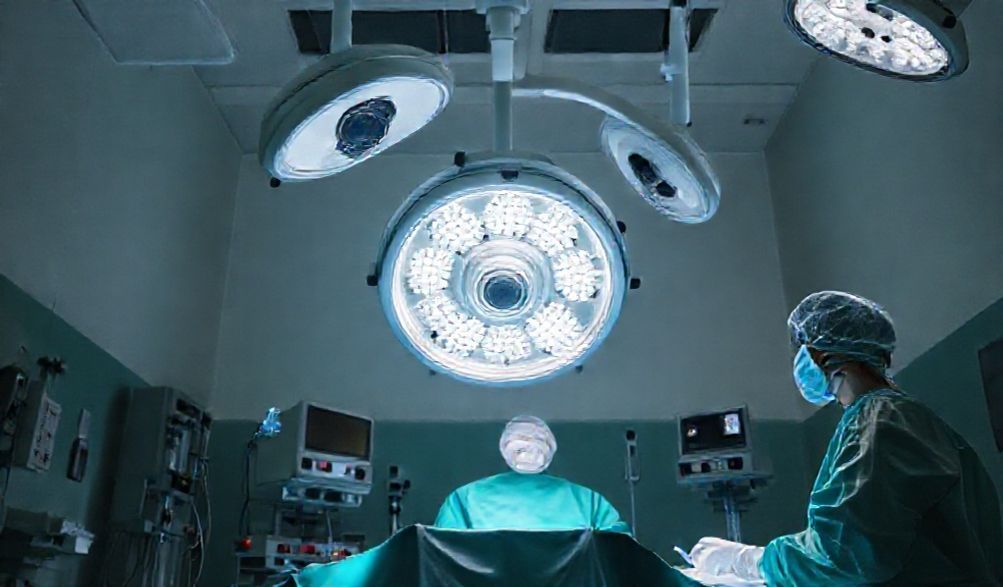
Operation Theatre Lights: A Comprehensive Guide to Surgical Lighting Technology
In the high-stakes environment of an operating room, every detail matters—especially light. A surgeon’s ability to discern subtle tissue variations, identify delicate structures, and maintain unwavering precision over long hours hinges on one critical piece of technology: the operation theatre light. More than just a lamp, it is a sophisticated tool engineered to support life-saving work. This guide provides a thorough, expert-driven overview of modern surgical lighting, drawing on technical specifications, clinical requirements, and industry standards to empower healthcare administrators, procurement officers, surgeons, and facilities planners. Whether you are looking to understand the technology, compare systems, or specify new equipment, we will cover the evolution, core technologies, essential features, selection criteria, and maintenance best practices that define today’s operation theatre light.
The Critical Role of Surgical Lighting in Modern Medicine
Surgical lighting has evolved from simple spotlights to complex systems integral to procedural success and patient safety. Its function extends far beyond basic visibility.
Impact on Surgical Precision and Patient Outcomes
The direct correlation between lighting quality and surgical outcomes is well-documented in clinical literature. Optimal lighting reduces cognitive load, minimizes visual fatigue, and enhances accuracy. Key aspects include:
* shadow reduction: Deep cavities and the hands of the surgical team can create obstructive shadows. Advanced lighting systems are designed to virtually eliminate these, providing consistent illumination across the entire surgical field.
* true color rendering: Differentiating between arterial blood, venous blood, fatty tissue, and organ parenchyma relies on accurate color perception. Poor lighting can distort colors, leading to potential misidentification.
* Adequate Intensity & Uniformity: Procedures require intense, focused light (often between 40,000 to over 100,000 lux at the center) that is evenly distributed without creating “hot spots” that can cause glare and eye strain. This uniformity ensures every corner of the wound is equally visible.
As experienced surgeons will attest, struggling with inadequate light is not just an inconvenience; it is a tangible risk factor that can prolong surgery time and increase the potential for error.
Beyond Illumination: Lighting as an Infection Control Tool
Modern operation theatre lights contribute directly to maintaining an aseptic environment. Older technologies like halogen bulbs emitted significant radiant heat, which could dry out tissue, increase patient discomfort, and create thermal air currents that disrupt laminar airflow systems. The advent of LED technology has dramatically reduced this heat output. Furthermore, contemporary designs prioritize seamless surfaces, minimal joints, and materials that can withstand rigorous disinfection with harsh chemicals. The shape and mounting are engineered to minimize horizontal surfaces where dust and microbial particles could settle, making the operation theatre light a partner in infection prevention protocols.
Core Technologies Powering Today’s OT Lights
The shift from incandescent and halogen to solid-state lighting represents the most significant technological leap in surgical illumination.
LED Dominance: Efficiency, Longevity, and Performance
Light Emitting Diode (LED) technology has become the undisputed standard for new operation theatre light installations, and for compelling reasons:
* Superior Efficiency & Cool Operation: LEDs convert a much higher percentage of electrical energy into visible light rather than heat (infrared radiation). This results in dramatically lower power consumption and a cooler light head, enhancing patient and staff comfort.
* Exceptional Longevity: While a halogen bulb may last 1,000-2,000 hours, a high-quality LED light engine can provide 50,000 to 60,000 hours of service. This translates to over a decade of typical use without a major light source replacement, slashing maintenance costs and downtime.
* Enhanced Performance: LEDs offer instant, flicker-free illumination at full intensity and provide exceptional control over color temperature and spectral output, enabling more accurate tissue visualization than ever before.
Understanding Key Technical Specifications
When evaluating an operation theatre light, understanding these core specs is non-negotiable:
* Illuminance (Lux/Lumens): This measures the amount of light falling on the surgical field. General surgery typically requires 40,000 – 100,000 lux at the center, with specialized fields like neurosurgery or cardiac surgery demanding up to 160,000 lux for extreme precision. Look for data on both center-field and peripheral (e.g., at a 30cm diameter) illuminance.
* Color Temperature (Kelvin – K): Measured in Kelvins, this describes the “warmth” or “coolness” of the light. The ideal range for surgery is “daylight white,” between 4000K and 5000K. This neutral, slightly cool white light optimizes contrast and reduces the yellow or blue tint that can distort tissue appearance.
* Color Rendering Index (CRI): Perhaps the most critical spec after intensity, CRI measures a light source’s ability to reveal the true colors of objects compared to natural light. A CRI of 90 or above (out of 100) is considered essential for surgery. Some manufacturers now use an even more specific metric, the R9 value, which measures the accurate rendering of deep reds—crucial for distinguishing blood and tissue types.
Essential Features of High-Quality Operation Theatre Lights
Beyond raw specifications, the design and engineering of the light system determine its real-world utility.
Shadow Management and Depth of Field
The hallmark of a premium operation theatre light is its ability to create a shadow-reduced field. This is achieved through multi-point source technology. Instead of a single bulb, the system uses an array of many small LEDs arranged in a specific geometric pattern (often hexagonal) behind a complex reflector system. When a surgeon’s hand or instrument obstructs one light point, the others fill in the shadow from different angles, rendering it nearly invisible. This also creates a deep depth of field, keeping the surgical site in clear focus even as instruments move in and out of the cavity.
Maneuverability and Sterility
A light that cannot be positioned effortlessly is a hindrance. Key considerations include:
* Mounting: Ceiling-mounted systems (single or multi-axis) offer the greatest range of motion and keep the floor clear. Mobile floor stands are used in smaller theatres or as supplementary lights.
* Balance & Movement: The light head should move smoothly with minimal effort, stay securely in the set position without drift, and be easily adjustable by a sterile team member using a handled or touchless control.
* Cleanability: The entire assembly, especially handles and the light head casing, must have a seamless, non-porous finish that can be repeatedly wiped down with disinfectants without degrading.
Safety and Redundancy Systems
Given its critical role, an operation theatre light must be failsafe.
* Backup Power & Redundant Systems: High-end lights feature redundant LED drivers and power supplies. In the event of a primary system failure, a backup instantly engages, preventing a total blackout mid-procedure.
* Thermal Management: Effective heat sinks and passive/active cooling ensure the LED array operates within safe temperature ranges, guaranteeing performance and longevity.
* Electrical Safety: Compliance with medical electrical equipment standards (like IEC 60601-1) ensures protection against electrical shock in the wet OR environment.
How to Select the Right OT Light System: A Buyer’s Checklist
Choosing the right system requires a balanced assessment of clinical needs, financial implications, and infrastructure.
Assessing Surgical Specialty Needs
A “one-size-fits-all” approach does not work. Consider the unique demands of your primary surgical caseload:
* General & Orthopedic Surgery: Require robust, deep-cavity illumination with excellent shadow control for open abdominal or joint procedures.
* Neurosurgery & Spinal Surgery: Demand extremely high intensity (up to 160,000 lux) and a small, focused light spot for deep, narrow wounds.
* Cardiac & Thoracic Surgery: Benefit from lights with exceptional color rendering to distinguish subtle tissue and vessel shades.
* Minimally Invasive Surgery (MIS): While monitors provide the primary image, overhead lights are still crucial for setup, instrument handling, and potential conversion to open procedures.
Evaluating Total Cost of Ownership (TCO)
The purchase price is just the beginning. A comprehensive TCO analysis includes:
* Energy Consumption: LED systems can use up to 70% less power than halogen equivalents, leading to substantial annual savings.
* Maintenance & Parts: Factor in the cost and frequency of filter replacements, preventive maintenance contracts, and potential repairs.
* Lamp Replacement: The long lifespan of LEDs eliminates the recurring cost and labor of replacing halogen bulbs every few months.
Compatibility and Integration with the OT Ecosystem
The operation theatre light should not be an island. Consider:
* Integration with Surgical Booms: The light should be compatible with your ceiling structure and any existing or planned equipment booms for a clutter-free OR.
* Camera & Imaging Ready: Many lights now offer built-in ports for high-definition cameras for teaching, telemedicine, or documentation.
* Hospital Infrastructure: Ensure the electrical supply, ceiling load capacity, and control systems are compatible.
Installation, Maintenance, and Best Practices
Proper setup and care are essential to realize the full benefits of your investment.
Professional Installation and Calibration
Installation should always be performed by manufacturer-certified technicians. They will ensure:
* The ceiling mount is securely attached to a load-bearing structure.
* The light is perfectly balanced and moves smoothly across its full range.
* The light field is calibrated to provide the advertised lux levels and uniformity at the standard working distance (typically 1 meter).
Routine Cleaning and Preventive Maintenance Schedules
Adhering to a strict protocol preserves sterility and function:
* Daily/Clean: After each procedure, wipe down all handles, control panels, and the exterior of the light head with a hospital-grade disinfectant.
* Weekly/Deep Clean: Follow the manufacturer’s instructions for cleaning the optical components (lenses, reflectors). This usually involves using approved, non-abrasive cleaners to avoid damaging coatings.
* Annual/Preventive Maintenance: A scheduled inspection by a qualified biomedical engineer should check mechanical movement, electrical safety, light output calibration, and filter condition.
Troubleshooting Common Issues
- Flickering or Dimming: Usually indicates a failing LED driver or power supply. Check connections first, then contact service.
- Erratic or Stiff Movement: May be due to worn bearings, imbalance, or issues with the gas spring system. Do not force it; schedule mechanical service.
- Reduced Light Output: Often caused by dirty optical components or a failing LED array. Perform a thorough cleaning first. If output doesn’t improve, a professional assessment is needed.
Frequently Asked Questions (FAQ) About Operation Theatre Lights
Q1: What is the typical lifespan of an LED OT light?
A: Modern high-quality LED surgical light systems are designed to last 50,000 to 60,000 hours. Under typical operating room use, this can equate to 10-15 years before a significant drop in performance, drastically reducing long-term replacement costs compared to halogen.
Q2: How often should surgical lights be serviced or inspected?
A: Always follow the manufacturer’s specific guidelines. As a general standard, a comprehensive annual inspection and preventive maintenance check by a qualified biomedical engineer is recommended. This ensures optimal performance, safety, and longevity.
Q3: Can older halogen light systems be upgraded to LED?
A: In many cases, yes. Many manufacturers offer LED retrofit kits for their existing halogen models. However, a full assessment is required. Factors include the condition of the mechanical mount, the compatibility of the electrical system, and whether the existing reflector is optimized for LED. A complete new system is often a better long-term investment.
Q4: What are the most important factors for reducing surgeon eye strain?
A: The key is consistent, high-quality light: excellent shadow control to prevent constant pupil adjustment, high Color Rendering Index (CRI >90) for natural viewing, appropriate color temperature (~4500K), and the absence of flicker and glare. Uniform illumination without bright hotspots is also critical.
Q5: Are there specific standards that OT lights must comply with?
A: Yes. The primary international standard is IEC 60601-2-41, which specifies safety and essential performance requirements for surgical luminaires. Compliance with ISO 13485 (quality management for medical devices) is also a mark of a reputable manufacturer. Always verify compliance with your region’s specific regulatory body (e.g., FDA in the USA, CE marking in Europe).
Conclusion
Selecting an operation theatre light is a critical, evidence-based decision that directly impacts surgical safety, team efficiency, and clinical outcomes. It is an investment in the core infrastructure of patient care. As we look to the future, trends like integrated 4K imaging systems, AI-driven automatic light field adjustment, and connected “smart” OR systems that sync lighting with other devices are already on the horizon. This guide serves as a trustworthy foundation for your research. We strongly encourage you to use this knowledge to facilitate informed discussions between clinical teams, facilities engineers, and reputable manufacturers. The final choice should be tailored to your hospital’s specific surgical specialties, workflows, and long-term vision. Your next step? Request hands-on product demonstrations, scrutinize technical datasheets against the criteria discussed, and speak with peers in similar specialties about their real-world experiences.
p>