
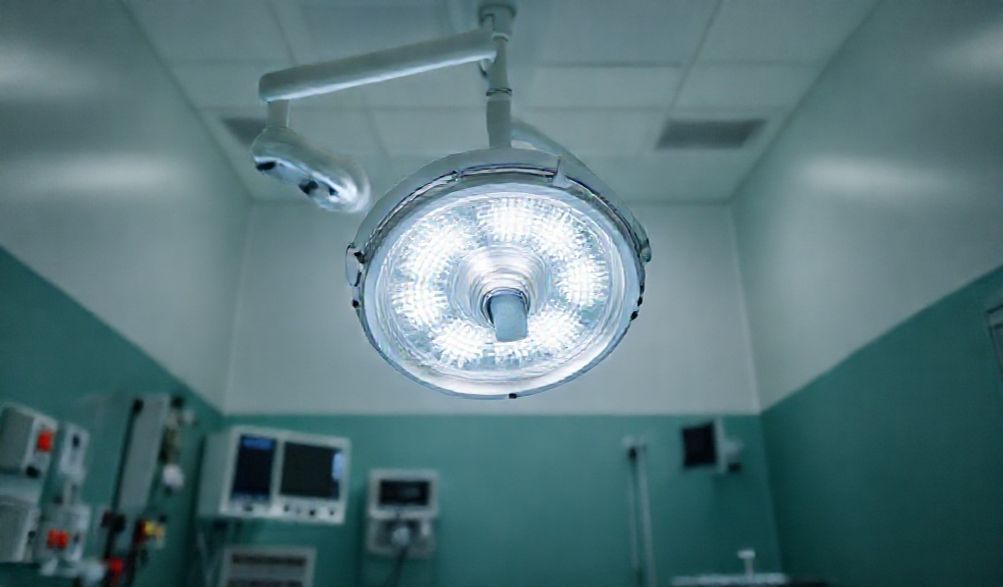
Portable Operating Room Lights: A Comprehensive Guide to Mobile Surgical Lighting
In the high-stakes environment of surgery, every detail matters. From the skill of the surgeon to the sterility of the instruments, success hinges on a confluence of perfectly managed factors. Among these, lighting is not merely a utility—it is a foundational pillar of surgical precision and patient safety. Yet, the modern healthcare landscape is evolving. With the rise of ambulatory surgery centers, the need for emergency field capabilities, and the demand for flexible, multi-purpose operating rooms, the traditional fixed ceiling light is no longer the sole solution. Enter the portable operating room light: a sophisticated, mobile tool designed to bring high-fidelity illumination exactly where and when it’s needed.
This guide serves as an authoritative, expert-driven resource. Whether you are a surgeon seeking to enhance procedural ergonomics, a hospital administrator optimizing a new facility, a procurement officer evaluating specifications, or a biomedical engineer ensuring clinical efficacy, our goal is to provide a detailed, unbiased examination of portable surgical lighting. We will dissect the critical technology, outline essential features, explore diverse applications, and provide a practical framework for selection, empowering you to make an informed decision that enhances surgical outcomes and operational flexibility.
The Critical Role of Lighting in Modern Surgery
Beyond Illumination: How Light Quality Impacts Surgical Outcomes
Surgical lighting does far more than simply “light up” the operative field. Its quality directly correlates with a surgeon’s ability to perform with precision, efficiency, and reduced fatigue. Optimal lighting enhances tissue differentiation, allowing surgeons to discern subtle variations in color, texture, and vasculature—a critical factor in identifying anatomical structures and preventing iatrogenic injury. Inadequate lighting, conversely, leads to visual strain, increased procedural time, and a higher risk of error.
Medical standards underscore this importance. Key metrics like illumination intensity (measured in lux), shadow control, and color rendering are not arbitrary. For instance, a high Color Rendering Index (CRI) ensures that the light source accurately represents tissue colors, crucial for distinguishing between arterial and venous blood or identifying necrotic tissue. Studies have shown that proper illumination reduces surgeon eye strain and improves concentration over long procedures, directly contributing to better patient outcomes and enhanced surgical team performance.
The Drive for Flexibility: Why Portability is Now Essential
The centralized hospital model is being complemented by decentralized, specialized, and often temporary care settings. This shift creates a pressing need for adaptable medical infrastructure.
- Ambulatory Surgery Centers (ASCs): These facilities prioritize efficiency and cost-effectiveness, often featuring operating rooms that host a variety of procedures in quick succession. Portable lights offer the flexibility to reconfigure lighting for each case without the capital expense and inflexibility of multiple fixed units.
- Emergency & Trauma Rooms: In critical, unplanned situations, surgical intervention may be required immediately. A portable light can be rapidly deployed to an ICU bed, ER bay, or trauma room, providing OR-quality illumination outside a traditional operating theater.
- Multi-Purpose and Hybrid ORs: Rooms designed for both imaging (like fluoroscopy) and surgery benefit from lights that can be moved out of the way when not in use, clearing space for large equipment.
- Field Medicine & Disaster Response: In military field hospitals, humanitarian aid missions, or disaster zones, portable, rugged, and battery-operated surgical lights are not a convenience—they are a lifeline, enabling life-saving surgery in austere environments.
Understanding Portable Operating Room Light Technology
LED Technology: The Standard for Efficiency and Performance
Modern portable operating room lights have universally adopted Light Emitting Diode (LED) technology, and for compelling reasons:
- Cool Light Output: Unlike older halogen or metal halide bulbs, LEDs emit minimal infrared radiation. This dramatically reduces heat transfer to the surgical site, minimizing tissue desiccation and improving patient comfort.
- Superior Color Rendering: High-quality surgical LEDs boast a CRI of >90 (with >95 being ideal), closely mimicking natural daylight and providing exceptional tissue differentiation.
- Energy Efficiency & Longevity: LEDs consume significantly less power than traditional bulbs, a critical advantage for battery-operated units. They also have an exceptionally long lifespan, often rated at 50,000 hours or more, reducing maintenance and replacement costs.
- Correlated Color Temperature (CCT): Adjustable CCT (often between 3000K-5000K) allows surgeons to tune the light from a warmer to a cooler white, based on procedural preference and tissue type.
Key Components and Design Features
The utility of a portable light is defined by its core components:
- Light Head Design: This houses the LED array. Advanced optics, including multi-faceted reflectors and specialized lens systems, are engineered to shape the beam, control depth of illumination, and minimize glare.
- Articulating Arms: The arm system dictates reach and maneuverability. Look for counterbalanced arms with smooth, fluid movement that can hold position securely without drift. The number of joints and total reach determine how well the light can be positioned around obstacles and over the patient.
- Power Systems: This is a defining feature. High-capacity, hot-swappable rechargeable batteries are standard. Key considerations include: runtime at full intensity (typically 2-6 hours), recharge time, and the presence of a fail-safe backup (e.g., a secondary battery or ability to plug into AC power during use).
- Mounting Options: Portability doesn’t always mean “on wheels.” While floor stands with a stable, often wheeled base are common, other options include wall mounts for dedicated bays or ceiling mounts on tracks, allowing the light to function as a semi-fixed but movable resource.
Essential Features to Evaluate When Choosing a Portable Light
Performance Metrics: Luminosity, Shadow Control, and Depth of Illumination
When comparing models, focus on these quantifiable performance indicators:
- Illumination Intensity: Measured in lux at a specific distance (e.g., 100,000 lux at 1 meter). This indicates brightness at the center of the field. Also consider the field diameter at a given lux level (e.g., a 20cm diameter at 40,000 lux).
- Depth of Illumination (DOI): Perhaps the most critical metric. DOI measures how uniformly the light intensity is maintained as a surgical instrument or the surgeon’s hands enter the field. A high DOI (e.g., >60%) means brightness remains consistent even at depths of 15-20cm, ensuring deep cavity procedures are well-lit.
- Shadow Control: Look for lights with active shadow dilution. This technology uses multiple LED modules arranged around a central aperture. When an object obstructs one module, the others automatically increase intensity to compensate, dramatically reducing the darkness of shadows cast by the surgeon’s head or instruments.
Ergonomics and Sterility
A light must be easy and safe to use in a sterile field.
- Ergonomics: The handle should be designed for easy, intuitive manipulation by a scrubbed-in team member, often with a single hand. The entire arm should move smoothly and lock firmly without requiring excessive force.
- Sterility: The light head and handles must be designed with seamless, cleanable surfaces. They should withstand repeated cleaning with hospital-grade disinfectants without degrading. Removable, autoclavable handles are a premium feature that enhances infection control protocols.
Safety and Reliability Standards
Compliance is non-negotiable. Any portable surgical light must be a certified medical device.
- Regulatory Compliance: Ensure the device meets IEC 60601-1 (the international standard for medical electrical equipment safety) and carries relevant market approvals like the FDA (USA) or CE Mark (Europe).
- Safety Features: Beyond electrical safety, look for thermal management systems to prevent overheating and robust battery management systems that protect against overcharging and deep discharge.
- Manufacturer Reputation: The manufacturer’s history, quality management systems (e.g., ISO 13485), and the availability of local service and support are intrinsic to the product’s long-term trustworthiness and reliability.
Primary Applications and Use Cases
Main Operating Room Supplement and Emergency Backup
In a traditional OR, a portable light is invaluable as a focused supplement to the main ceiling light, providing additional, angled illumination for complex procedures like spinal or deep pelvic surgery. It also serves as a critical backup system in the event of a primary light failure, ensuring a procedure is not halted.
Specialized Settings: ASCs, ER, ICU, and Labor & Delivery
- ASCs: The quintessential use-case, where flexibility and cost-efficiency are paramount. One or two portable lights can service multiple rooms.
- Emergency Room & ICU: For emergency tracheostomies, chest tube insertions, or bedside procedures, portable lights bring the OR to the patient.
- Labor & Delivery: Used for episiotomy repairs and other obstetric procedures directly in the delivery suite.
Field Medicine, Military, and Disaster Response
Here, portability, durability, and battery independence are absolute requirements. These lights are built to withstand transport, operate in variable temperatures, and function reliably where grid power is unavailable or unstable, enabling surgical care anywhere in the world.
How to Select the Right Portable Surgical Light: A Buyer’s Guide
Assessing Your Facility’s Specific Needs
Begin with an internal audit. Create a checklist:
* Procedure Types: What surgeries will it support? (e.g., superficial, deep cavity, orthopedic).
* Environment: Room size, ceiling height, power outlet locations.
* Users: Who will position it? (Surgeons, nurses, assistants).
* Use Pattern: Primary light, supplement, or emergency backup? Daily use or occasional?
Comparing Brands and Models: A Neutral Framework
Avoid choosing based on price or brochure alone.
1. Specification Comparison: Create a side-by-side matrix of the key metrics: DOI, lux @ distance, battery life, CRI, weight, and reach.
2. Clinical Demonstration: Insist on a hands-on demo in a clinical setting (or a realistic simulation). Have the surgeons and nurses who will use it evaluate the ergonomics and light quality.
3. Seek Peer Reviews: Consult with colleagues in similar facilities and ask for their real-world experience. What are the long-term reliability and service experiences?
Total Cost of Ownership (TCO) Considerations
The purchase price is just the beginning. A comprehensive TCO analysis includes:
* Initial Cost: The unit price.
* Maintenance: Cost and frequency of service.
* Consumables: Replacement battery packs and, eventually, LED modules.
* Energy Use: Lower power draw translates to long-term savings.
* Service Contracts: Availability and cost of extended warranties or service agreements.
A slightly more expensive unit with a longer lifespan and lower maintenance cost often proves more economical over 5-10 years.
Frequently Asked Questions (FAQ)
Q1: What is the typical battery life of a high-quality portable operating room light?
A: At full intensity, most high-quality lights offer between 2 to 6 hours of runtime. This can be extended by operating at lower intensity levels. Always check the manufacturer’s specifications for the runtime at the intensity level you plan to use most frequently.
Q2: Can portable lights truly match the performance of fixed ceiling-mounted surgical lights?
A: For core illumination metrics like intensity, color rendering, and shadow control, modern high-end portable lights can perform comparably to fixed lights. The primary differences are often in the maximum field size (fixed lights may illuminate a larger area) and integration (fixed lights are part of the room’s infrastructure). They are best viewed as complementary or as a primary solution in spaces where fixed installation is impractical.
Q3: How do I properly clean and maintain a portable surgical light?
A: Always follow the manufacturer’s specific Instructions for Use (IFU). Generally, use hospital-grade, low-level disinfectant wipes or sprays that are compatible with plastics and seals. Avoid abrasive cleaners or fluids that could ingress into joints or electrical components. Wipe down handles and the light head after every procedure, and perform a more thorough inspection and cleaning per your facility’s protocol.
Q4: Are there specific safety certifications I should look for?
A: Yes. At a minimum, ensure the device complies with IEC 60601-1 and has the necessary regional market approval (FDA 510(k) clearance in the U.S., CE Marking in Europe). Compliance with standards like ISO 17664 (for reprocessing instructions) also indicates a manufacturer’s commitment to safety and usability.
Q5: What is the expected lifespan of the LED module, and is it replaceable?
A: LED modules in surgical lights are typically rated for 50,000 to 100,000 hours of use, which translates to decades of normal clinical service. Yes, they are generally replaceable, but this is a specialized service. Before purchasing, inquire about the estimated cost and process for LED module replacement and whether it requires a factory service technician.
Conclusion
Portable operating room lights represent a vital convergence of advanced technology and practical clinical need. They are no longer just backup devices but are sophisticated, mobile tools that enhance surgical flexibility, safety, and efficiency across a wide spectrum of healthcare settings. From the ASC to the battlefield, they deliver critical illumination where fixed infrastructure cannot.
When making an investment, base your decision on a balanced foundation: rigorous technical specifications, verified real-world user experience, and the proven trustworthiness of manufacturers who adhere to the highest safety and quality standards. We strongly recommend involving your clinical end-users in the evaluation process and conducting hands-on demonstrations. The right portable surgical light is not just a piece of equipment; it is an extension of the surgical team’s senses, and choosing it wisely is an investment in precision, adaptability, and ultimately, superior patient care.
p>