
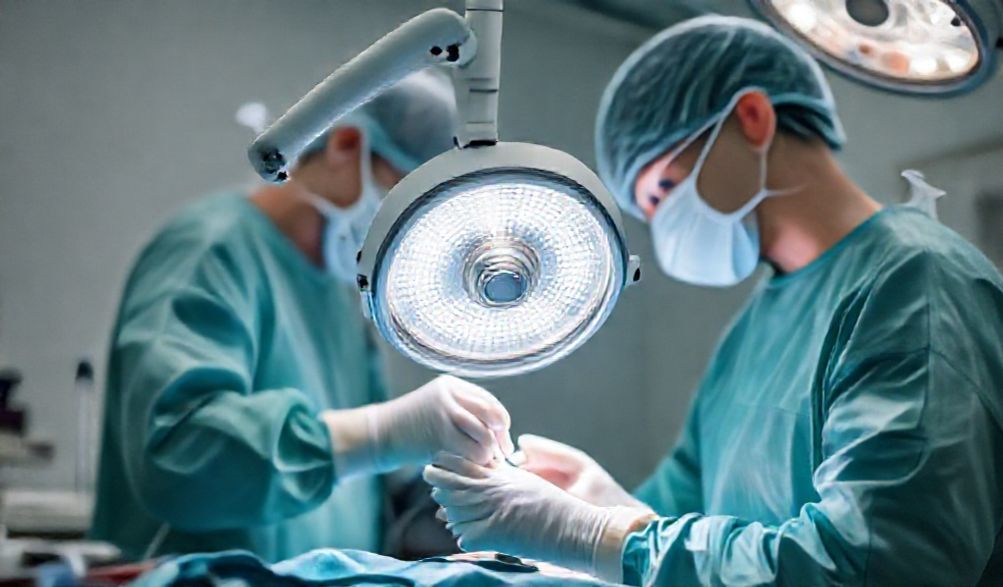
Portable Surgery Lights: A Comprehensive Guide to Mobile, High-Quality Surgical Illumination
In the high-stakes environment of surgery, every detail matters. From the skill of the surgeon to the sterility of the instruments, success hinges on a confluence of factors working in perfect harmony. Among these, surgical lighting is not merely a utility; it is a fundamental tool that directly impacts procedural accuracy, surgeon fatigue, and, ultimately, patient outcomes. For decades, the massive, ceiling-mounted surgical light has been the undisputed centerpiece of the operating room. However, a paradigm shift is underway, driven by the need for flexibility, efficiency, and expanded access to care. Enter the portable surgery light: a sophisticated, mobile illumination system that brings high-quality surgical light anywhere it’s needed.
This guide serves as an authoritative, expert-driven resource for medical professionals, clinical engineers, procurement officers, and healthcare administrators. Drawing upon technical specifications, insights from surgical teams and biomedical engineers, and established medical standards, we will dissect the world of portable surgical illumination. Our goal is to equip you with the knowledge to make informed, evidence-based decisions that enhance clinical capabilities and patient safety.
What Are Portable Surgery Lights? Defining Mobile Surgical Illumination
Core Definition and Key Characteristics
Portable surgery lights are self-contained, movable medical devices engineered to deliver shadow-reduced, high-intensity illumination comparable to fixed systems, but with the crucial advantage of mobility. Unlike their ceiling-mounted counterparts, these units are integrated systems on a mobile stand, designed to be deployed rapidly and efficiently in diverse environments.
Their defining characteristics include:
* Mobility: Mounted on sturdy casters with locking mechanisms, often complemented by internal rechargeable batteries for cord-free operation.
* Compact & Balanced Design: Engineered for a small footprint to navigate tight spaces, with a low center of gravity for stability.
* Multi-Arm Adjustability: Feature one or more articulated arms with multiple points of articulation, allowing precise positioning of the light head.
* High-Quality Light Engine: The core of the unit, designed to produce intense, homogenous light with excellent color rendering.
Primary Use Cases and Clinical Applications
The versatility of portable surgery lights unlocks a wide array of clinical applications:
* Emergency Rooms and Trauma Centers: For urgent, unplanned procedures at the bedside or in trauma bays, where speed and flexibility are critical.
* Field Hospitals & Military Medicine: Essential for disaster response, humanitarian missions, and combat support hospitals where infrastructure is limited or non-existent.
* Small Clinics & Ambulatory Surgery Centers (ASCs): Ideal for facilities where operating rooms are multi-purpose or space is at a premium, allowing a single light to service multiple rooms.
* Veterinary Medicine: Widely used in both mobile veterinary units and clinic-based settings for animal surgery.
* Dental Surgery: Provides the focused, bright, and shadow-free illumination required for precise dental and oral surgical procedures.
Critical Technical Specifications to Evaluate
Selecting a portable surgery light requires a deep understanding of its technical parameters. Here are the non-negotiable metrics to scrutinize.
Light Quality Metrics: Lux, CRI, and Color Temperature
- Illuminance (Lux): This measures the intensity of light falling on the surgical field. General guidelines suggest a minimum of 40,000 lux for major surgery (e.g., open abdominal) and 25,000-30,000 lux for minor procedures. Depth of illumination—maintaining intensity in deep cavities—is equally important.
- Color Rendering Index (CRI): A scale from 0-100 that indicates how accurately a light source reveals the true colors of objects compared to natural light. For surgery, a CRI >90 is crucial. It allows surgeons to accurately differentiate between tissues, arteries, veins, and organs, which is vital for patient safety.
- Color Temperature: Measured in Kelvin (K), this describes the “warmth” or “coolness” of the light. A neutral white light in the range of 4000K to 5000K is generally preferred. It reduces eye strain during long procedures and provides a color-neutral field, supporting accurate tissue assessment.
Mobility and Power Design
- Battery Life & Power: Assess the battery life at full intensity and whether it offers adjustable power settings to conserve energy. Look for fast-charging capabilities and fail-safe features like a dual power source (battery + direct AC power) that automatically switches if the battery depletes.
- Stability & Maneuverability: The base must be heavy and wide enough to prevent tipping when the arms are fully extended. Large, easy-roll casters with central locking brakes are essential for smooth movement and secure positioning.
Ergonomic Adjustability and Sterility
- Articulation: The system should offer a wide range of motion, sufficient reach, and smooth, effortless repositioning. Some models feature counterbalanced arms that stay in position without drifting.
- Infection Control: Surfaces should be seamless, non-porous, and resistant to hospital-grade disinfectants. Removable handles or the availability of sterile, disposable handle sleeves are mandatory to maintain the sterile field.
Advantages of Portable Surgical Lights Over Fixed Systems
While fixed lights remain the standard for dedicated ORs, portable systems offer compelling advantages that address modern healthcare challenges.
Unmatched Flexibility and Space Efficiency
They enable high-level surgical procedures to be performed in non-traditional settings—from ICU rooms to outpatient clinics. This facilitates quick room turnover and allows a facility to adapt its spaces for different needs without major construction.
Cost-Effectiveness and Operational Efficiency
The initial capital investment and installation costs are significantly lower than installing multiple ceiling-mounted lights. Operationally, a single portable light can serve multiple rooms, increasing asset utilization and reducing per-procedure costs, especially in high-turnover environments like ASCs.
Enhanced Preparedness for Emergencies
Portable lights are a key component of surge capacity planning, allowing hospitals to quickly convert spaces into functional procedural areas during pandemics or mass casualty events. They also serve as an immediate backup in case of a fixed OR light failure.
Key Considerations Before Purchasing a Portable Surgery Light
Matching the Light to Your Procedural Needs
Begin with a clinical needs assessment. What types of procedures will it support? Superficial dermatological procedures have different light requirements than deep orthopedic or spinal surgeries. Engage the surgeons and staff who will use the light to understand their workflow and intensity requirements.
Durability, Serviceability, and Warranty
In a clinical environment, equipment must withstand rigorous daily use. Evaluate the build quality, materials, and reputation of the manufacturer. Investigate the availability of local service technicians, the terms of the warranty, and the cost/availability of consumables like batteries.
Compliance and Safety Standards
Ensure any device under consideration carries the necessary regulatory clearances for your region (e.g., FDA 510(k) clearance in the USA, CE Marking in Europe). Compliance with international safety standards like IEC 60601-1 (medical electrical equipment) and ISO 13485 (quality management for medical devices) is a strong indicator of a reputable manufacturer.
Leading Brands and Models in the Portable Surgery Light Market
The market features established global medical device companies and specialized surgical lighting firms. A neutral evaluation focuses on how their offerings align with your specific technical and clinical requirements.
Comparative Analysis of Common Features:
When comparing models, create a checklist based on the specifications outlined above. Key points for a side-by-side analysis include:
* Maximum Illuminance (Lux) at a standard working distance (e.g., 1 meter).
* CRI and Color Temperature specifications.
* Battery Life at high power and recharge time.
* Physical Reach and degrees of arm articulation.
* Weight and Footprint for maneuverability.
* Sterility Solutions (e.g., handle design, sleeve availability).
Maintenance, Care, and Best Practices for Longevity
Routine Cleaning and Disinfection Protocols
Follow the manufacturer’s instructions for use (IFU) precisely. Typically, this involves daily and post-procedure wiping with a mild, hospital-grade disinfectant on all external surfaces. Avoid abrasive cleaners or fluids that could ingress into seams or controls.
Periodic Performance Checks and Calibration
Regularly verify light output intensity and color temperature. Many facilities integrate this into their preventive maintenance schedule performed by clinical engineering. A noticeable drop in brightness or a shift in light color indicates a need for professional servicing.
Battery Care and Storage Recommendations
To maximize lithium-ion battery lifespan: avoid complete discharges when possible, store the unit in a cool, dry place, and follow the manufacturer’s guidelines for long-term storage (often involving a partial charge). Plan for eventual battery replacement as part of the total cost of ownership.
FAQ Section
What is the typical battery life of a portable surgery light during continuous use?
Answer: It varies significantly by model and the intensity setting used. Entry-level models may offer 2-4 hours, while high-end systems can provide 6-8 hours or more on a single charge. Always verify the spec sheet for runtime at the lux level you require and have a charging or backup plan for longer procedures.
Can portable surgery lights truly provide enough light for major surgery?
Answer: Yes. Advanced portable lights are engineered to deliver illuminance levels exceeding 40,000-50,000 lux, which meets or exceeds the requirements for many major surgical procedures. The critical factor is selecting a model whose specifications—particularly depth of illumination and homogeneity—are validated for the procedural depth and complexity you intend to support.
How do I ensure the light remains sterile during a procedure?
Answer: The light head and arms are considered non-sterile. They should be positioned by circulating nursing staff. To adjust the light during surgery, the sterile team uses a sterile handle sleeve (a disposable cover) or a removable, autoclavable handle provided by the manufacturer. Never touch the light directly with sterile gloves.
Are portable surgery lights a cost-effective choice for a new surgical center?
Answer: They can be an excellent strategic choice, particularly for new centers with multi-purpose rooms, limited capital budget, or a focus on high-turnover outpatient procedures. They offer lower upfront costs, no installation fees, and great flexibility. However, total cost of ownership, including future battery replacements, should be compared against the installed cost and lifespan of fixed systems.
What is the most important specification to look at first?
Answer: Adequate Illuminance (Lux) at your typical working distance is the foundational requirement. Without sufficient light intensity, no other feature matters. Immediately following this, prioritize a high Color Rendering Index (CRI >90) to ensure accurate tissue differentiation and patient safety.
Conclusion
Portable surgery lights represent more than just mobile equipment; they embody the evolution of surgical care towards greater adaptability, accessibility, and efficiency. They break down the physical barriers of the traditional OR, empowering healthcare providers to deliver high-quality surgical interventions in diverse and demanding settings.
The optimal choice is not a one-size-fits-all proposition. It depends on a careful, evidence-based balance of your specific clinical requirements, operational workflow, and budgetary parameters. As a final, critical piece of expert advice: Always request a live, in-person demonstration or clinical trial with your own surgical team in your actual clinical environment. Specifications on paper cannot fully convey the real-world handling, stability, and qualitative “feel” of the light on tissue. Combine this hands-on evaluation with thorough consultation from your clinical engineering staff and a rigorous review of product data to make the decision that best serves your patients and your institution.
p>