
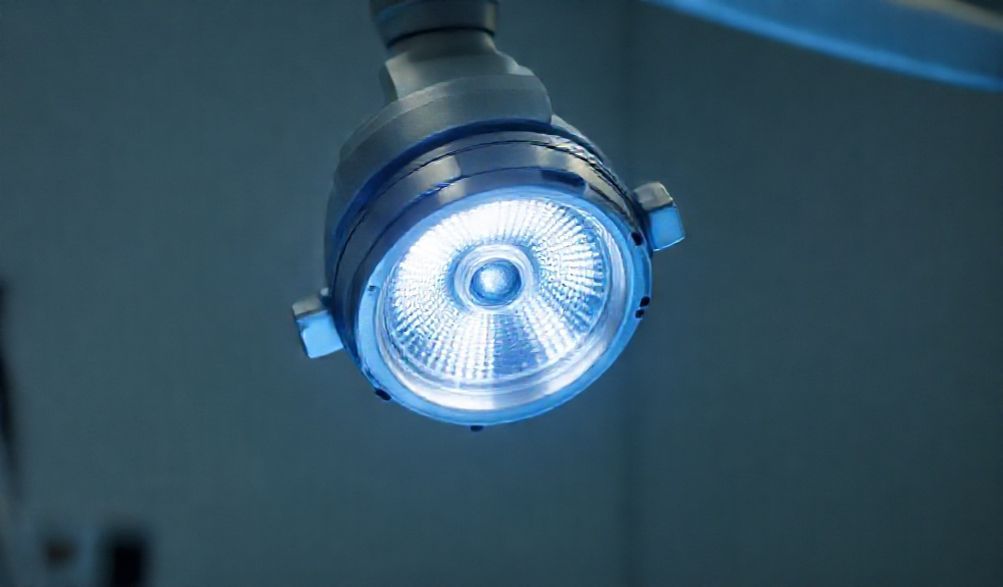
The Ultimate Guide to LED Surgical Headlights: Enhancing Precision in Modern Surgery
Introduction
In the high-stakes theater of surgery, where a millimeter can define the boundary between success and complication, clarity is non-negotiable. The surgeon’s visual field is their primary map, and its illumination is the key to navigation. For decades, surgeons battled with shadows, eye strain, and the heat of overhead lights, relying on skill to compensate for technological limitations. But what if a single, wearable tool could fundamentally transform this landscape—drastically reducing visual fatigue, banishing obstructive shadows, and elevating procedural accuracy to new heights? This is the promise fulfilled by the modern LED surgical headlight.
This comprehensive guide is built on a foundation of thorough research, insights from medical device engineering principles, and a deep understanding of surgical ergonomics. Our commitment is to provide surgeons, dentists, surgical assistants, and procurement specialists with actionable, trustworthy, and detailed information. We will demystify the technology, moving beyond marketing jargon to deliver a clear framework for evaluation and use.
Within this guide, you will learn the core technology that makes LED surgical headlights a revolutionary tool, the tangible benefits they deliver in daily practice, and a systematic checklist for selecting the right system for your specialty. We will also cover essential best practices for operation and maintenance to ensure longevity, safety, and peak performance. Whether you are considering your first purchase or seeking to upgrade an existing system, this resource is designed to empower your decision-making with knowledge and clarity.
What Are LED Surgical Headlights and How Do They Work?
A surgical headlight is a personal illumination system worn by the surgeon, providing a powerful, focused beam of light directly aligned with their line of sight. Unlike overhead surgical lights that can cast shadows from the surgeon’s head and hands, a headlight illuminates deep cavities and recesses with remarkable clarity, turning the light source into an extension of the surgeon’s vision.
From Halogen to LED: The Evolution of Surgical Lighting
The journey to today’s advanced systems began with halogen and later, xenon bulbs. While an improvement over ambient light, these technologies had significant drawbacks:
- Halogen: Produced a yellowish light, generated intense heat, had a relatively short lifespan (typically 50-100 hours), and consumed substantial power.
- Xenon: Offered a brighter, whiter light than halogen but was even more power-hungry, generated considerable heat, and remained expensive with a limited operational life.
The advent of Light Emitting Diode (LED) technology marked a paradigm shift. LEDs represent a solid-state lighting solution that converts electricity directly into light with exceptional efficiency. This leap forward brought about a revolution in surgical illumination: brilliant, daylight-quality light, minimal heat emission, incredibly long lifespans, and remarkable energy efficiency.
Core Components and Technology Breakdown
Understanding a few key components and technical terms is crucial for making an informed choice:
- LED Light Source: The heart of the system. Modern headlights use an array of high-intensity, medical-grade LEDs. Their longevity—often exceeding 50,000 hours—means the light source may outlast the career of the device itself.
- Light Delivery System:
- Fiber Optic Cable: A flexible bundle of optical fibers that transmits light from a separate generator box to the headlight. Known for delivering very high-intensity light.
- Cable-Free/Wireless: The LED source and battery are integrated into a compact module mounted directly on the headband. This offers superior freedom of movement and eliminates the drag of a cable.
- Power Source: Rechargeable lithium-ion battery packs, either worn on a belt/clip (for fiber optic systems) or integrated into the head-mounted module (wireless). Hot-swappable batteries are a critical feature for long, uninterrupted procedures.
- Control Unit: Allows for on-the-fly adjustment of light intensity, and sometimes beam pattern, via a wired or wireless remote.
- Headband & Mount: Designed for all-day comfort and stability. Options include adjustable padded headbands, skull caps, or clips that attach directly to surgical loupes.
Key Technical Specifications:
- Luminous Flux (Lumens): Measures the total amount of visible light emitted by the source. A higher lumen count generally means a brighter light.
- Illuminance (Lux): More relevant for surgeons, this measures light intensity at the surgical field (lumens per square meter). A specification like “150,000 lux at 400mm” tells you exactly how bright the spot will be at a typical working distance.
- Color Temperature (Kelvin, K): Describes the hue of the white light. Surgical headlights typically range from 4500K (warmer, slightly yellow) to 6500K (cool, daylight white). A temperature around 5500-6000K is often preferred for its neutral, tissue-true illumination.
- Color Rendering Index (CRI): A measure (0-100) of how accurately a light source reveals the true colors of objects compared to natural sunlight. A high CRI (90+) is vital in surgery for distinguishing between tissues, identifying subtle color variations, and accurately assessing perfusion and oxygenation.
Key Benefits of Using LED Surgical Headlights
The transition to LED technology is not merely an upgrade; it delivers multifaceted advantages that directly impact surgical performance and practitioner well-being.
Superior Illumination for Surgical Precision
- Shadow-Reduced, Co-Axial Lighting: Because the light originates from near the surgeon’s eyes, it shines directly into the cavity they are viewing, dramatically reducing shadows cast by instruments and hands. This creates a “see what you touch” environment.
- Deep Cavity Illumination: The focused, high-intensity beam can penetrate deep and narrow surgical sites—such as in spinal, thoracic, or pelvic surgery—that overhead lights cannot adequately reach.
- Reduced Visual Fatigue: The bright, uniform, and high-CRI light reduces the need for the eyes to constantly adjust and strain, decreasing fatigue during long, complex procedures and potentially improving concentration and outcomes.
Enhanced Ergonomics and Surgeon Comfort
- Lightweight & Balanced: Modern systems are engineered to be as light as possible, with careful weight distribution to prevent neck strain. Wireless models, in particular, eliminate the distracting pull of a fiber optic cable.
- Cool Operation: LEDs emit very little infrared radiation, meaning the light beam and the housing remain cool. This eliminates the discomfort and potential tissue-drying effects associated with hot halogen/xenon lights.
- Adjustable Focus: The ability to change the beam from a wide flood to a tight spot allows surgeons to adapt the light to the specific task, from a large open field to microsurgical detail.
Practical and Economic Advantages
- Exceptional Longevity & Reliability: With an LED lifespan measured in decades of normal use, the core light source is essentially maintenance-free, eliminating the cost and downtime of frequent bulb replacements.
- Long Battery Life: Efficient LED drivers and high-capacity batteries provide 4 to 8 hours or more of runtime on a single charge, sufficient for even the longest procedures, especially with hot-swap capabilities.
- Low Total Cost of Ownership: While the initial investment may be significant, the elimination of bulb purchases, lower power consumption, and reduced failure rates make LED surgical headlights a cost-effective choice over time compared to legacy systems.
How to Choose the Right LED Surgical Headlight: A Buyer’s Checklist
Selecting a headlight is a personal and professional decision. This checklist will help you compare systems objectively.
Assessing Technical Specifications
Create a comparison table for models you are considering:
| Feature | What to Look For | Why It Matters |
| :— | :— | :— |
| Light Output | Lux at a distance (e.g., 100,000 lux @ 400mm). Compare at the same distance. | This is the true measure of brightness on the target. More lux provides better visualization in deep/dark cavities. |
| Beam Spot & Adjustability | Adjustable spot size (e.g., 60mm-120mm diameter). Check if adjustment is manual or via control. | Flexibility to match the light field to the procedure, from wide dissection to focused micro work. |
| Battery Life | Runtime on high/medium settings. Availability of hot-swappable batteries. | Ensures uninterrupted use during long surgeries. Hot-swap capability is critical for safety. |
| Weight & Balance | Total weight (grams), especially of the head-mounted unit. | Directly impacts comfort and neck fatigue over hours of use. A well-balanced system feels lighter. |
| IP Rating | Look for an IPX7 or similar rating for the light source module. | Indicates protection against fluid ingress during cleaning/sterilization, crucial for infection control. |
Matching the Headlight to Your Surgical Specialty
- High-Intensity / Deep Cavity Surgery (Neurosurgery, Spine, Cardiothoracic): Prioritize maximum lux output (150,000+), often from a fiber optic system, to penetrate deep anatomical spaces.
- General, Plastic, & Orthopedic Surgery: Look for a versatile system with a good balance of high output (80,000-150,000 lux) and comfort. Adjustable beam size is highly beneficial.
- Dentistry, ENT, & Ophthalmology: Often require bright but less penetrating light. Lighter weight and a smaller, precise beam are key. Compatibility with loupes is essential.
- Long-Duration Microsurgery: The paramount concern is comfort. Ultra-lightweight wireless systems with excellent battery life prevent fatigue during hours of meticulous work.
Important Considerations Beyond Specs
- Warranty & Service Support: A strong warranty (3+ years) and accessible, responsive technical support are indicators of manufacturer confidence and are vital for clinical equipment.
- Compatibility: Does it integrate seamlessly with your existing surgical loupes? Is there an option for a camera/video attachment for teaching or documentation?
- Mounting Style: Test different styles—traditional headband, skull cap, or loupe clip-on—to find the most secure and comfortable fit for you.
- Ease of Sterilization: Understand the exact protocols for each component. Can the light source be autoclaved? Wiped with disinfectant? This affects workflow and safety.
Best Practices for Using and Maintaining Your System
Proper use and care protect your investment and, most importantly, ensure patient safety.
Optimal Setup and Intraoperative Use
- Fit the Headband First: Adjust the headband for snug, comfortable, and stable fit before attaching the light source. It should not slip during head movement.
- Position the Light Source: Align the beam so it is co-axial with your dominant eye’s line of sight. The “sweet spot” is when the illuminated field is centered in your vision without conscious effort.
- Manage Intensity: Start at a lower intensity and increase only as needed. Using excessive brightness can cause reflective glare off tissues and instruments.
- Cable Management (if applicable): Route the fiber optic cable securely under your gown to prevent snagging and to keep it out of the sterile field.
Cleaning, Sterilization, and Storage Protocols
This is a critical safety area. Always follow the manufacturer’s specific instructions for your model.
- Disinfection vs. Sterilization: Know the difference. Non-critical parts (headband, battery pack) may only require disinfection with a hospital-grade wipe. Critical components (the light module that comes near the sterile field) often require sterilization.
- Common Methods:
- Autoclave (Steam): Only if explicitly stated by the manufacturer. Many LED modules are not autoclave-safe.
- Low-Temperature Sterilization (e.g., STERRAD, Hydrogen Peroxide Plasma): A common and safe method for sensitive electronic components.
- Chemical Sterilization (e.g., Cidex OPA): Immersion in a compatible chemical sterilant is often the recommended protocol. Strictly adhere to immersion time and rinsing instructions.
- Storage: After cleaning, store the system in a clean, dry, and protected case. Avoid bending fiber optic cables sharply, as this can break internal fibers and create dark spots in the beam.
Routine Maintenance and Troubleshooting
- Battery Care: Follow charging guidelines. Do not consistently drain batteries to 0%. For long-term storage, maintain a ~50% charge. Cycle through multiple batteries if you have them.
- Regular Inspection: Before each use, inspect fiber optic cables for kinks, cracks, or dark spots. Check the LED window for debris or damage. Examine all connectors for bent pins or corrosion.
- Troubleshooting: If light output dims, first check the battery. If a fiber optic beam has dark spots, the cable is likely damaged and needs replacement. For any electronic fault or physical damage, contact the manufacturer’s technical support—do not attempt repairs yourself.
Frequently Asked Questions (FAQ) About LED Surgical Headlights
Q1: How many lumens/lux do I realistically need for general surgery?
A: For general surgery, a system delivering between 80,000 and 150,000 lux at a 400mm (16-inch) working distance is typically excellent. More is not always better, as extreme brightness can cause glare and “white-out” superficial tissue details. Balance sufficient intensity with comfort and battery life.
Q2: Can LED surgical headlights be used with surgical loupes?
A: Absolutely. In fact, they are a perfect complement. You can choose a headlight that clips directly onto your loupe frame (integrated) or a separate headlight system worn alongside your loupes. The key is to ensure the combined weight is comfortable and the beam aligns correctly through the loupes.
Q3: What is the typical battery life, and how should I manage it during long surgeries?
A: On high power, a quality wireless headlight lasts 4-6 hours; fiber optic generator batteries often last 6-8+ hours. For long surgeries, the essential feature is a hot-swappable battery. This allows you to replace a depleted battery with a fresh one in seconds without interrupting the procedure. Always start with fully charged batteries and have a charged spare ready.
Q4: Are wireless LED headlights as reliable and bright as fiber optic ones?
A: Wireless technology has advanced tremendously. While the very highest-intensity systems are often fiber-optic, modern wireless LED surgical headlights provide more than enough brightness for the vast majority of procedures. The trade-off is simple: wireless offers unparalleled freedom and comfort, while fiber optic may offer peak intensity for the most demanding deep-cavity work. For most surgeons, the benefits of wireless make it the preferred choice.
Q5: What safety standards should a quality LED surgical headlight comply with?
A: A reputable device should have:
* ISO 13485: Certification for the manufacturer’s Quality Management System.
* IEC 60601-1: The international standard for basic safety and essential performance of medical electrical equipment.
* Regulatory Market Clearance: FDA 510(k) clearance for the U.S. market or CE Marking under the EU’s Medical Device Regulation (MDR) for Europe.
Always verify these certifications with the manufacturer or vendor.
Conclusion
The LED surgical headlight represents a fundamental advancement in the surgeon’s toolkit, transforming illumination from a passive environmental factor into an active, precision instrument. By delivering brilliant, shadow-free light directly into the surgical site, it enhances visual accuracy, reduces practitioner fatigue, and supports superior patient outcomes. The benefits of LED technology—from its cool, daylight-quality beam to its remarkable durability and efficiency—make it an indispensable asset in modern operative care.
As you consider integrating or upgrading this technology, let this guide serve as your foundation. Prioritize verified technical specifications that match your surgical needs, and never underestimate the importance of ergonomic comfort and robust manufacturer support. Consult with colleagues, request hands-on trials from reputable vendors, and always adhere to strict sterilization and maintenance protocols to ensure the safety and longevity of your equipment.
Looking ahead, the integration of LED surgical headlights with high-definition video recording, augmented reality overlays, and intelligent, adaptive lighting systems points to an exciting future. This future is one where visualization is not just assisted but enhanced, empowering surgeons with unprecedented clarity and control in their pursuit of healing.
p>