
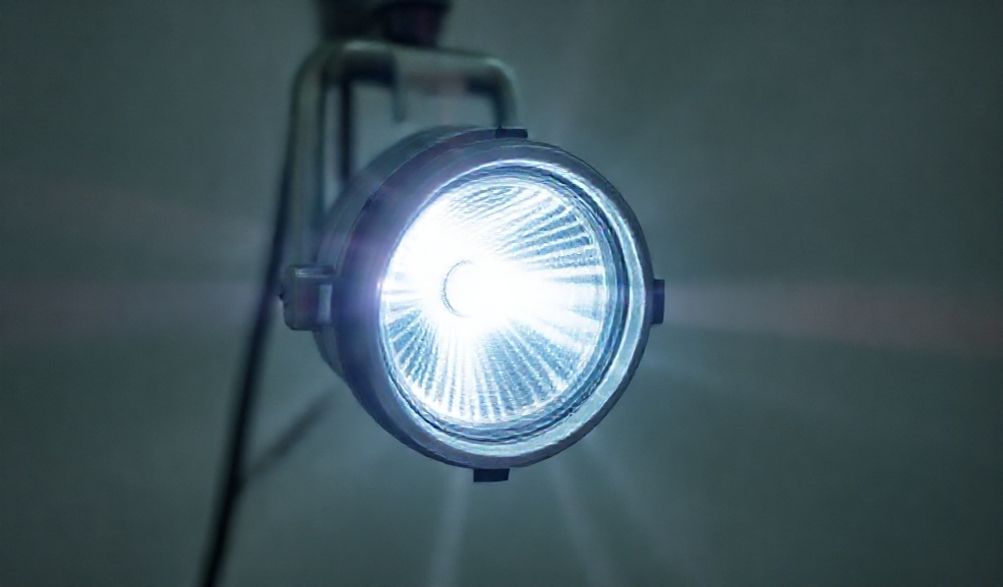
The Ultimate Guide to Medical Headlights: Enhancing Precision in Patient Care
In the high-stakes world of medicine, where millimeters and subtle color variations can dictate a diagnosis or determine a surgical outcome, what is the most critical tool? While we often think of advanced imaging or robotic systems, the answer begins with something far more fundamental: the ability to see clearly. What if a slight shadow obscured a critical vessel, or a glare made it impossible to differentiate between healthy and necrotic tissue? The margin for error is often vanishingly small. At the heart of visual clarity for countless procedures is a tool that has evolved from a simple reflector to a pinnacle of optical engineering: the medical headlight.
This comprehensive guide is designed to be your authoritative resource on medical headlights. Whether you are a surgeon seeking deeper cavity illumination, a dentist performing intricate root canals, a dermatologist assessing pigmented lesions, or a procurement officer evaluating equipment, understanding this tool is essential. We will move beyond basic specifications to explore the principles, applications, and critical selection criteria that impact daily practice and, ultimately, patient care. Our goal is to equip you with evidence-based knowledge, emphasizing expertise and trustworthiness, to make a truly informed decision. This guide will detail how modern medical headlights work, their vital applications across healthcare, and the key factors you must consider for optimal performance, clinician comfort, and uncompromising patient safety.
What is a Medical Headlight? Defining a Critical Tool
At its core, a medical headlight is a wearable illumination system designed to provide a bright, focused, and shadow-free light source that moves in perfect synchrony with the clinician’s line of sight. It is the ultimate tool for targeted, hands-free lighting.
Core Function and Principle: Focused, Hands-Free Illumination
The fundamental principle is deceptively simple: to place a controllable beam of light exactly where the user is looking. Unlike overhead surgical lights, which provide broad, ambient illumination of the entire operative field, a headlight delivers intense, localized light to a specific spot. This is crucial for illuminating deep cavities (like the oral pharynx or a surgical wound), highlighting minute anatomical structures, or eliminating shadows cast by the clinician’s own hands and instruments. The light becomes a natural extension of the user’s vision, turning “looking” into “seeing with precision.”
A Brief Evolution: From Mirrors to LED
The quest for directed light has a long history, famously exemplified by the head mirror used by ENT and dental professionals for over a century. This simple reflector concentrated ambient light but was dependent on external sources and offered limited control. The advent of electric headlights with halogen bulbs was a significant leap, providing a dedicated, brighter light. However, halogen systems had notable drawbacks: they generated significant heat, had a short bulb life, and their color temperature could distort tissue appearance.
The revolutionary shift came with Light Emitting Diode (LED) technology. Modern LED medical headlights represent a paradigm shift, offering superior brightness, a consistent daylight-like color temperature, near-zero heat emission at the beam, exceptional energy efficiency, and lifespans measured in tens of thousands of hours. This evolution has transformed the headlight from a simple lamp into a sophisticated, reliable, and indispensable clinical instrument.
Key Applications: Who Uses Medical Headlights and Why?
The utility of medical headlights spans a vast array of specialties, united by the common need for enhanced visualization.
Surgical Specialties: Precision in the Operating Room
In operative settings, headlights are not just convenient; they are often mandatory for precision.
* Dentistry & Oral Surgery: From endodontic procedures requiring illumination deep within a tooth canal to complex oral and maxillofacial surgeries, headlights provide the shadow-free, focused light needed to work within confined spaces.
* Otolaryngology (ENT): Examination and surgery of the nasal passages, sinuses, throat, and ears demand deep-cavity lighting. A headlight is fundamental for procedures like tonsillectomies, sinus surgeries, and micro-laryngeal surgeries.
* Neurosurgery & Spinal Surgery: Illuminating the depths of a surgical corridor is critical. Headlights allow surgeons to visualize delicate neural and vascular structures without obstruction.
* Plastic & Reconstructive Surgery: Accurate assessment of tissue viability, precise dissection, and meticulous suturing under optimal light is essential for cosmetic and functional outcomes.
* Ophthalmology: While microscopes are primary, headlights are invaluable for external procedures, lacrimal surgeries, and examinations.
Clinical Examination & Diagnostic Procedures
Beyond the OR, headlights dramatically improve diagnostic accuracy in clinical settings.
* Dermatology: Assessing the borders, color, and vasculature of skin lesions requires bright, uniform light without shadows. A high-CRI headlight is a diagnostic powerhouse.
* Primary Care & Emergency Medicine: For thorough throat examinations, wound inspection, foreign body removal, or vascular access in poorly lit environments, a headlight keeps the clinician’s hands free and the field brilliantly lit.
* Wound Care: Debridement and assessment of wound beds, particularly for determining tissue type (slough vs. granulation) and monitoring for infection, rely on exceptional visualization.
Emerging and Supporting Roles
The applications continue to grow, including veterinary medicine for similar surgical and examination needs, aesthetic medicine for precise injection and laser treatments, and medical education, where they allow trainees to see exactly what the instructor sees.
Essential Features to Consider When Choosing a Medical Headlight
Selecting a headlight is a balance of performance, comfort, and safety. Here are the key technological and design features to evaluate.
Light Source Technology: The LED Advantage
This is the most critical decision. LED is the unequivocal standard for modern medical headlights.
* Cool Light Operation: LEDs emit minimal infrared radiation, preventing thermal discomfort for the wearer and protecting patient tissues from heat damage during close-proximity use.
* Superior Color Rendering: The Color Rendering Index (CRI) measures a light’s ability to reveal the true colors of objects. Medical LEDs with a CRI >90 (where 100 is perfect sunlight) provide exceptional tissue differentiation, allowing accurate identification of arteries, veins, nerves, and pathological states.
* Efficiency & Longevity: LEDs consume far less power than halogen bulbs, enabling longer battery life and smaller battery packs. Their operational lifespan can exceed 50,000 hours, virtually eliminating bulb replacement costs and downtime.
Brightness and Beam Characteristics
More lumens aren’t always better; control is key.
* Lumens vs. Lux: Lumens measure total light output, while lux measures intensity at a given distance. A headlight with a high lux rating will produce a brighter spot on a small area, which is crucial for deep-cavity work.
* Adjustable Focus & Beam Pattern: The ability to adjust from a tight, intense spot to a wider flood beam adds tremendous versatility. Look for a homogeneous beam without distracting rings, artifacts, or a central hotspot, which can cause eye strain and obscure details.
Comfort and Ergonomics: Design for Long Procedures
A headlight that causes fatigue or distraction is a liability.
* Weight & Balance: The best headlights are lightweight (often under 200 grams for the headband unit) and well-balanced to prevent neck strain. The center of gravity should be close to the head.
* Headband System: Look for fully adjustable, padded headbands. Hygienic, replaceable sweatbands are a major plus. The band should be secure without causing pressure points during hours of use.
* Cable Management: Systems with a lightweight, flexible cable that routes neatly to a belt-clip battery pack offer maximum mobility. Some models offer wireless capabilities, though often with trade-offs in runtime or weight.
Power Systems: Balancing Mobility and Runtime
Power choices dictate freedom of movement.
* Rechargeable Battery Packs: Lithium-ion batteries are standard, offering high capacity in a small package. Consider runtime (typically 4-10+ hours on a charge), charge time, and whether the system allows for hot-swapping batteries during long procedures.
* Direct Plug-In (Wall Power): These systems provide unlimited runtime and eliminate battery management but tether the user to an outlet. They are often used in fixed clinical settings like dental operatories.
Prioritizing Safety and Standards in Medical Illumination
A medical headlight is a Class I or Class II medical device in most regions. Its safety is non-negotiable.
Electrical and Patient Safety Certifications
Always verify regulatory approvals.
* Mandatory Certifications: Ensure the device has the necessary clearances for your region—such as FDA clearance in the United States or CE marking under the EU’s Medical Device Regulation (MDR). Compliance with quality management standards like ISO 13485 is a strong indicator of a reputable manufacturer.
* Electrical Safety: The device must meet stringent standards (e.g., IEC 60601-1) for electrical isolation to protect both patient and user from shock hazards.
Minimizing Clinical Risk: Heat and Eye Safety
- Thermal Safety: As noted, LED technology inherently minimizes infrared emission. This is a critical safety feature, especially in fields like dentistry or wound care where the light is close to living tissue for extended periods.
- Eye Safety: Quality headlights use optics and filters to produce a consistent, flicker-free beam that reduces clinician eye strain and fatigue.
How to Select the Right Medical Headlight: A Practical Checklist
Use this actionable framework to guide your selection process.
Assessing Your Primary Use Case
Start by asking:
1. What is my primary specialty and most common procedure? (e.g., deep cavity ENT surgery vs. broad-field dermatology exams).
2. What working distance do I typically need? (Distance from forehead to target area).
3. Do I use surgical loupes? If so, compatibility is paramount.
Budgeting: Initial Investment vs. Total Cost of Ownership
While upfront cost is a factor, consider the Total Cost of Ownership:
* Long-Term Savings: A higher-quality LED headlight may have a greater initial price but saves money over years by eliminating bulb replacements and offering durable, long-life batteries.
* The Risk of Cheap Alternatives: Extremely low-cost, non-certified headlights may compromise on electrical safety, beam quality, and color accuracy, posing a clinical risk. Invest in a tool from a reputable medical device company.
Trial and Evaluation: The Gold Standard
Whenever possible, test the headlight yourself. A demonstration or trial period allows you to assess:
* Comfort over a 30-60 minute period.
* The quality and adjustability of the beam on a realistic target.
* The intuitiveness of the controls and overall ease of use.
Frequently Asked Questions (FAQ) About Medical Headlights
Q1: What is the typical battery life for a rechargeable medical headlight?
A: Battery life varies significantly by model and brightness setting. Modern LED headlights typically offer between 4 to 10 hours of continuous use on a single charge at medium to high power settings. Always check the manufacturer’s specifications for your intended use level, and consider a system with interchangeable batteries for uninterrupted use during long procedures.
Q2: How important is Color Rendering Index (CRI) for a medical headlight?
A: Extremely important. A high CRI (90 or above is considered excellent for medical use) ensures that the colors of tissue, blood, vasculature, and pathological structures are rendered accurately and naturally. This fidelity is critical for correct diagnosis, distinguishing between tissue types during surgery, and accurately assessing tissue viability and health.
Q3: Can medical headlights be used for extended periods without causing discomfort?
A: Yes, but this is highly dependent on choosing an ergonomically designed model. Look for lightweight constructions (often <200g for the head-mounted unit), well-padded and fully adjustable headbands, and balanced weight distribution. The inherent cool operation of LED technology also eliminates the forehead heat discomfort associated with older halogen systems.
Q4: How do I clean and disinfect my medical headlight?
A: Always follow the manufacturer’s specific Instructions for Use (IFU). Generally, the headband padding and plastic casing can be wiped down with hospital-grade disinfectant wipes. The light module and lens should be cleaned gently with a soft, lint-free cloth, often using a specific cleaner to avoid damaging coatings. Never immerse the light unit, cable, or battery pack in liquid or autoclave them unless explicitly stated as safe by the manufacturer.
Q5: Are there medical headlights compatible with loupes (magnification glasses)?
A: Yes, this is a common and critical integration. Many headlight models are specifically designed to integrate with surgical loupes. They may attach via a dedicated clip on the loupe frame, a separate mount, or be part of an integrated “through-the-lens” system where the light path is coaxial with the line of sight. It is essential to confirm compatibility between your specific loupe brand/model and the headlight system before purchasing.
Conclusion
A medical headlight is far more than a simple lamp; it is a vital investment in clinical accuracy, procedural efficiency, and ergonomic sustainability. The right headlight becomes an extension of your senses, transforming visualization and enhancing every aspect of patient care. As we have explored, the core of a wise selection lies in embracing modern LED technology for its cool, true-color light; matching brightness and beam characteristics to your specific clinical needs; prioritizing comfort for long-term use; and insisting on the proper safety certifications that define a legitimate medical device.
Choosing the right tool is a professional decision with direct implications for patient outcomes. We encourage you to prioritize verified performance data, safety records, and the reputation of established manufacturers. Use the checklist and considerations in this guide as your foundation. Your logical next step is to consult with a trusted medical equipment supplier, request a hands-on demonstration, and download detailed specification sheets to evaluate the models that best meet your specialized requirements. Illuminate your practice with precision.
p>