
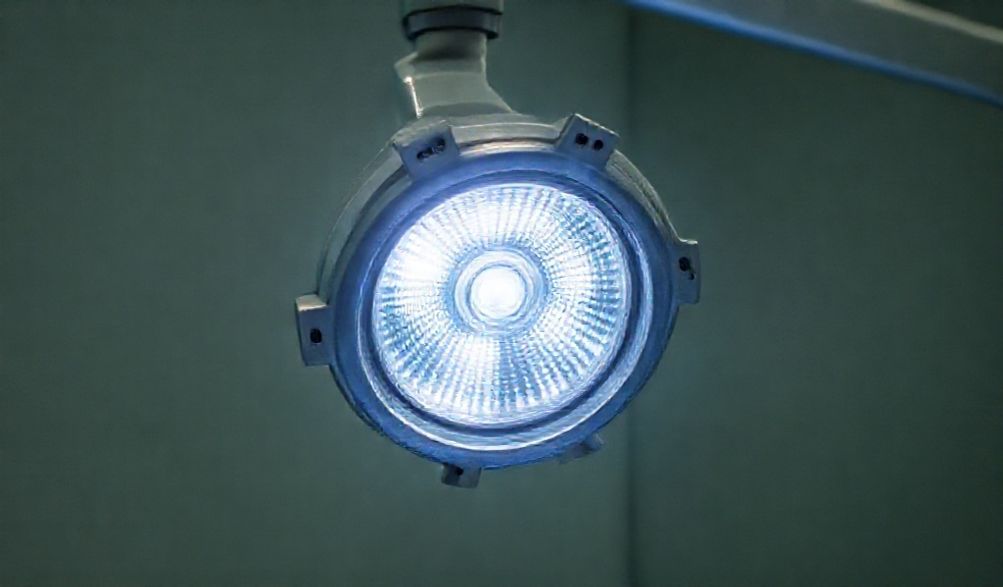
Surgical Headlights: A Surgeon’s Guide to Enhanced Precision, Safety, and Outcomes
In the intricate world of surgery, where millimeters matter and anatomical clarity is paramount, one universal challenge persists: achieving perfect, unobstructed visualization. Fixed overhead lights, while essential, cast shadows from hands and instruments and struggle to illuminate the depths of a surgical cavity. The surgeon’s need to see is absolute, yet the traditional OR lighting setup often falls short in the most critical moments. This is where the surgical headlight transforms from a simple tool into a vital extension of the surgeon’s own senses.
This comprehensive guide delves into the critical role of surgical headlights. We move beyond viewing them as mere accessories, positioning them instead as fundamental components of modern surgical practice that directly impact procedural accuracy, surgeon ergonomics, and, ultimately, patient safety. CompiLED from an analysis of technical specifications, clinical ergonomics, and surgical best practices, this resource is designed to empower healthcare professionals—from residents selecting their first system to seasoned surgeons upgrading their equipment—with the actionable knowledge needed to make informed decisions. We will explore the different types of headlights, decode key performance features, outline their transformative benefits, and provide a clear framework for selection and maintenance.
What Are Surgical Headlights and Why Are They Indispensable?
Beyond the Overhead OR Light: Defining the Role of Personal Illumination
The conventional overhead surgical light is a marvel of broad, diffuse illumination. However, its limitations become apparent the moment a surgeon’s head or hands enter the field, creating obstructive shadows. Furthermore, its light dissipates quickly in deep cavities, making it difficult to distinguish subtle tissue planes, small vessels, or nerve structures at depth. This is the problem space for which surgical headlights are engineered.
A surgical headlight is a personal, high-intensity, and highly focused light source worn directly by the surgeon. Typically consisting of a light generator (LED, halogen, or xenon), a fiber-optic or liquid light guide cable, and an adjustable headband with a projector, it moves in perfect synchrony with the surgeon’s gaze. Where the surgeon looks, the light follows, delivering a brilliant, shadow-free beam directly into the wound, regardless of angle or depth.
Core Benefits: How Surgical Headlights Transform Procedures
The adoption of a surgical headlight is not merely about adding more light; it’s about adding the right light in the right place, which cascades into multiple, significant benefits.
- Enhanced Visualization: This is the primary function. Surgical headlights provide deep-cavity illumination, reaching into anatomical recesses that overhead lights cannot. More than just brightness, high-quality systems offer excellent color rendition, allowing for true differentiation between arterial and venous blood, healthy and necrotic tissue, and subtle variations in tissue pathology.
- Improved Precision & Accuracy: By eliminating eye strain caused by squinting into poorly lit areas, surgeons can maintain focus for longer periods. The crisp, focused beam enables finer dissection and more meticulous technique, which is crucial in microsurgery, nerve-sparing procedures, and oncological resections where clear margins are vital.
- Ergonomic Advantages: Constantly repositioning one’s body or the patient to catch the overhead light leads to strained, non-neutral postures. A headlight liberates the surgeon from this dependency, allowing them to maintain a more ergonomic and comfortable position throughout lengthy procedures, potentially reducing neck and back fatigue.
- Increased Safety: Clear visualization is the bedrock of surgical safety. By ensuring critical structures are clearly identified, the risk of iatrogenic injury is reduced. This clarity can also contribute to more efficient dissection, potentially shortening operative times—a factor linked to reduced infection rates and improved patient recovery.
Types of Surgical Headlights: Choosing Your Light Source
Understanding the core technologies behind surgical headlights is the first step in selecting a system tailored to your needs.
LED (Light Emitting Diode) Headlights: The Modern Standard
LED technology has become the unequivocal leader in surgical illumination. Its advantages are rooted in solid-state engineering:
* Longevity & Reliability: LED modules boast lifespans of 20,000 to 50,000 hours, effectively lasting for years of surgical practice without replacement, unlike bulbs that degrade and burn out.
* Cool Light Output: LEDs produce minimal infrared radiation, meaning the light beam is remarkably cool. This eliminates the risk of thermal injury to tissues and increases comfort for the surgeon, as no heat is projected onto the face or into the wound.
* Energy Efficiency & Consistency: They draw less power, leading to longer battery life for portable systems. Furthermore, LED output remains consistent in both intensity and color temperature throughout their lifespan, with no gradual dimming or yellowing.
* Experience Angle: Due to these benefits, LED headlights represent the standard of care in most modern operating rooms, offering a lower total cost of ownership and superior reliability.
Halogen and Xenon Headlights: Traditional Technologies
These were the pioneering technologies for high-intensity surgical headlights and are still encountered.
* Halogen: Offers a warm, full-spectrum light that many surgeons found pleasing. However, they generate significant heat, have a relatively short bulb life (typically 50-100 hours), and are less energy-efficient.
* Xenon: Produces an extremely bright, white light that was once the gold standard for intensity. They share the drawbacks of heat generation and limited bulb life (often 500-1000 hours), with bulbs being more expensive to replace.
While some surgeons may have a historical preference for the light quality of these systems, the practical advantages of LEDs have led to their widespread displacement in the market.
Additional Configurations: Systems and Mounts
The light source is one part of the system. Configuration is equally important:
* Mounting: Head-mounted systems are the most common, with an adjustable band. Loupe-mounted systems integrate directly with surgical magnification loupes, perfectly aligning the light axis with the visual axis, a favorite in microsurgery and dentistry. Camera-integrated systems combine illumination with a high-definition video camera for recording or teaching.
* Power Source: Systems can be battery-powered (offering complete mobility and freedom from cables) or wall-powered (providing unlimited runtime but with a cable that must be managed). Many modern systems offer both options.
Key Features to Evaluate When Selecting a Surgical Headlight
Navigating product specifications requires understanding what metrics truly matter in the operating room.
Optical Performance Metrics
This is where the quality of illumination is defined.
* Lumens & Lux: Lumens measure the total light output of the source. Lux measures the intensity of light falling on a surface (spot intensity). For deep cavity work, a high lux value in a focused spot is often more critical than a high total lumen output spread over a wide area. Look for systems offering adjustable intensity to suit different procedures.
* Field of View & Depth of Illumination: The field of view is the diameter of the lighted area at a given distance. A wide field is beneficial for open abdominal or orthopedic surgery, while a narrow, focused spot is key for neurosurgery or ENT. Depth of illumination refers to how well the light maintains focus and intensity as the distance to the target changes. A system with good depth will provide a clear, bright spot whether working 10 inches or 20 inches from the wound.
* Color Rendering Index (CRI): This is a critical, yet often overlooked, metric. CRI measures a light source’s ability to reveal the true colors of objects compared to natural light. A CRI of 90+ (out of 100) is considered excellent for surgery, ensuring accurate differentiation between tissue types, bile duct identification, and assessing tissue perfusion. A low CRI can make tissues look artificially flat or monochromatic.
Design, Comfort, and Usability
A headlight that isn’t comfortable or easy to use will be left on the shelf, no matter how bright it is.
* Weight and Balance: The system should feel secure but not burdensome. Weight distribution is key—a well-balanced headband with a rear counterweight feels lighter than a front-heavy unit. Aim for systems under 200-250 grams for the head-mounted component.
* Adjustability: Look for a headband with multiple points of adjustment (circumference, height, pivot) to achieve a secure, custom fit. The light projector should tilt and swivel easily for precise beam positioning. Effective cable management (e.g., a clip to route the cable down the back) is a small detail with a major impact on usability.
* Ease of Sterilization: The headband and light projector will be exposed to the OR environment. They must be compatible with standard hospital disinfectant wipes. Some systems offer fully autoclavable headbands or disposable covers for maximum infection control.
Integrating Surgical Headlights into Surgical Practice
Specialty-Specific Applications and Considerations
While versatile, certain features align better with specific surgical disciplines:
* Neurosurgery & Spine: Prioritize high intensity (lux) and deep cavity penetration. A focused, narrow spot with exceptional depth of field is essential for illuminating the depths of a craniotomy or spinal canal.
* ENT & Oral/Maxillofacial Surgery (OMFS): Requires precision and a narrow field to work in confined spaces like the sinuses, larynx, or oral cavity. Loupe-mounted systems are extremely popular here for their perfect alignment.
* Plastic & Reconstructive Surgery: Superior Color Rendering (CRI >95) is paramount for accurately assessing skin flaps, tissue viability, and subtle color matches in grafting. A medium field of view is typically most useful.
* General, Vascular, and Orthopedic Surgery: Benefit from versatility. A system with an adjustable field (from spot to flood) and good depth of illumination handles everything from deep abdominal procedures and vascular anastomoses to joint replacements.
Best Practices for Use and Maintenance
To ensure optimal performance and longevity:
1. Proper Fitting & Alignment: Before the first use, adjust the headband for a snug, comfortable fit. Position the light projector so the beam center is aligned with your dominant eye’s line of sight. Practice focusing the spot at your typical working distance.
2. Pre-Surgery Check: Make it a routine to check the battery level, light intensity, and focus before scrubbing in. Ensure all connections are secure.
3. Battery Management: For rechargeable systems, follow the manufacturer’s charging guidelines. Avoid completely draining lithium-ion batteries; partial discharges are better for long-term health. Always have a freshly charged backup battery available.
4. Cleaning & Sterilization: After each use, disconnect the power and wipe down all non-sterile components (headband, projector) with the hospital-approved disinfectant. Never immerse the light generator or cable connections in fluid unless specified by the manufacturer.
5. Component Replacement: For LED systems, the module may last for years. For halogen/xenon, track usage hours and replace bulbs proactively before they fail. Inspect light guides regularly for cracks or darkened fibers, which significantly reduce output.
Addressing Common Concerns and Making an Informed Investment
Cost Analysis: Initial Outlay vs. Long-Term Value
A high-quality surgical headlight is a significant professional investment. The initial cost for an LED system is higher than a basic halogen one. However, a true cost analysis must include:
* Operational Costs: Halogen/Xenon systems require frequent, expensive bulb replacements and may have higher power consumption. LED systems have virtually no ongoing consumable costs.
* Durability & Reliability: LED systems are more robust and less prone to failure from shock or vibration. The cost of a single missed procedure due to equipment failure far outweighs the price difference between systems.
Framed as a long-term investment in your surgical capability, ergonomic health, and patient care quality, a premium LED system often proves to be the most economical and reliable choice.
FAQs: Answering Surgeons’ Top Questions
Q: Are surgical headlights difficult to set up and get used to?
A: Modern systems are designed for intuitive use. Initial setup (fitting, balancing) may take 15-20 minutes. Most surgeons adapt to the feel and the “following” light within one or two procedures, after which it becomes second nature.
Q: How do I prevent fogging of the light source or my loupes/glasses?
A: Fogging occurs due to temperature differences. Solutions include: allowing the headlight to acclimate to the OR temperature, using anti-fog sprays or wipes on loupes, and ensuring the light projector is not positioned so it heats up your lenses. Some systems have fans or designs that minimize this issue.
Q: What is the typical battery life, and what happens if it dies mid-surgery?
A: LED systems typically offer 4-8 hours of runtime at high intensity on a single charge. Best practice is to start every case with a full charge and have a spare battery in the room. Most wall-powered units can also function while charging, providing a seamless backup.
Q: Can surgical headlights be used in conjunction with magnification loupes?
A: Absolutely. In fact, they are highly complementary. Many headlights are designed specifically for loupe integration (loupe-mounted), ensuring coaxial illumination that eliminates shadows from the loupes themselves. For head-mounted lights, careful positioning is needed to avoid glare on the loupe lenses.
Q: How important is manufacturer training and warranty support?
A: Extremely important. Reputable manufacturers offer training on setup and use. A strong warranty (often 2-3 years for the light source, 1 year for components) and responsive technical support are indicators of a quality product and protect your investment.
Conclusion
A surgical headlight is far more than a simple spotlight; it is a fundamental tool for achieving the precision, safety, and efficiency demanded by contemporary surgery. By delivering shadow-free, high-fidelity illumination directly into the surgical field, it extends a surgeon’s visual capability, reduces physical strain, and creates the optimal conditions for successful outcomes.
The optimal choice is not the brightest or the cheapest, but the system that strikes a perfect balance: offering unparalleled optical performance (high CRI, adjustable field/depth) in a package that provides sustainable comfort and unwavering reliability, all tailored to the unique demands of your surgical specialty. We encourage you to treat this decision with the diligence it deserves. Consult with clinical peers about their experiences, arrange hands-on demonstrations with reputable medical equipment providers, and review the technical data and clinical evidence. By doing so, you will select a tool that genuinely enhances your personal practice and, most importantly, the care you provide to your patients.
p>