
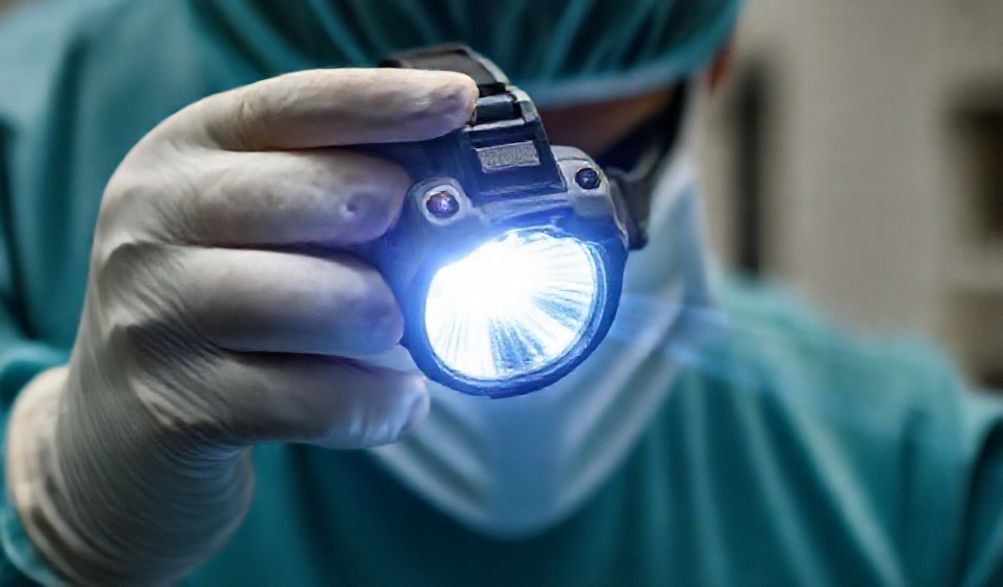
The Ultimate Guide to Surgical LED Headlamps: Enhancing Precision, Safety, and Outcomes
In the intricate world of surgery, where millimeters can dictate outcomes, one fundamental challenge remains universal: the absolute necessity for perfect, unwavering light. Surgeons navigate deep cavities, delicate tissues, and complex anatomical landscapes where shadows are not merely an inconvenience—they are a risk. Optimal illumination is the silent, indispensable partner in every successful procedure, transforming a surgeon’s vision from mere sight into a tool of supreme precision. This guide is not a simple product comparison; it is a comprehensive resource synthesized from technical engineering specifications, clinical ergonomics research, and the candid testimonials of practicing surgeons. Whether you are a seasoned surgeon, a surgical resident honing your craft, or a hospital procurement specialist tasked with equipping a team, you are here seeking clear, authoritative, and comparative information to make a truly informed decision. By blending insights from peer-reviewed surgical journals, manufacturer data, and real-world operating room experience, this guide aims to fulfill that intent. We will meticulously detail the key features, demonstrable benefits, and critical selection criteria for modern Surgical LED Headlamps, empowering you to choose the right tool—a tool that becomes an extension of your own capabilities—for your specific clinical needs.
Why Illumination is the Surgeon’s Most Critical Tool
Before evaluating specific models, it’s essential to understand why the quality of light transcends simple visibility. In surgery, illumination is the foundational element upon which diagnosis, dissection, and repair are built. It is the first and most constant factor influencing performance.
The Evolution from Halogen to LED: A Leap in Surgical Technology
For decades, halogen bulbs were the standard. However, surgeons worked within their significant limitations. Halogen systems generated intense heat, often radiating uncomfortably toward the surgeon’s forehead and potentially affecting the surgical field. Their light spectrum tended to cast a yellowish hue, distorting the true color of tissues—a critical flaw when distinguishing between arterial and venous blood or identifying subtle tissue pathologies. Furthermore, halogen bulbs had notoriously short lifespans, burning out unpredictably and requiring frequent, costly replacements.
The advent of Light Emitting Diode (LED) technology marked a revolutionary leap, now firmly established as the evidence-backed standard. LED headlamps produce a “cool” light, emitting minimal infrared radiation and thus no perceptible heat at the source. This enhances surgeon comfort and eliminates the risk of thermal impact on sensitive tissues. More importantly, high-quality LEDs offer exceptional color rendering, closely mimicking natural daylight to reveal tissues in their true form. Coupled with superior energy efficiency, LEDs provide exponentially longer lifespans (often tens of thousands of hours), unparalleled reliability, and consistent output throughout their life cycle.
Beyond Basic Light: How Quality Illumination Impacts Patient Outcomes
The benefits of advanced illumination extend directly to measurable clinical outcomes. Superior lighting is intrinsically linked to reduced surgical error rates. A well-illuminated, shadow-free field improves depth perception, enhances contrast between different tissue types, and allows for the identification of minute structures like nerve fibers or small vessels. This clarity directly supports more precise dissection, safer cauterization, and more accurate anastomosis.
For the surgeon, the impact is equally profound. Eye strain and visual fatigue are significant contributors to surgeon fatigue during long procedures. Poor or flickering light forces the eye muscles to constantly adjust, leading to headaches, diminished focus, and even premature conclusion of complex cases. A stable, bright, and color-accurate surgical LED headlamp reduces this cognitive and physical load. By minimizing eye strain, it promotes longer periods of sustained, concentrated effort, which is a non-negotiable element in marathon surgeries in specialties like neurosurgery or transplant. This principle is not just anecdotal; it is a cornerstone of surgical ergonomics and human factors research, underscoring that the right light is an investment in both patient safety and surgeon longevity.
Key Features to Evaluate in a Surgical LED Headlamp
Navigating the specifications of a surgical LED headlamp requires understanding the metrics that matter. Here’s what to look beyond the marketing claims.
Lumens, Lux, and Beam Characteristics: Understanding Light Metrics
- Lumens vs. Lux: This is a crucial distinction. Lumens measure the total amount of visible light emitted by the source (the “water flowing from a hose”). Lux measures the intensity of that light falling on a specific surface area at a given distance (the “water pressure at the nozzle”). For surgery, lux is often more telling. A headlamp might have high lumen output, but if the beam is diffuse, the lux at the working distance (e.g., 300mm) may be insufficient for microsurgery. Always check the lux rating at a specified distance.
- Beam Pattern & Field of View: The beam’s shape is critical. A spot beam provides high-intensity, focused light for deep cavities or micro-work (e.g., stapedectomy). A flood beam offers wider, more even illumination for shallower fields (e.g., abdominal surgery). Many premium models offer adjustable focus. Depth of field refers to how much of the illuminated area remains in clear focus, which is vital for procedures with varying tissue depths.
Color Temperature and Color Rendering Index (CRI)
- Color Temperature: Measured in Kelvins (K), this describes the “warmth” or “coolness” of the white light. Daylight is around 5500K. Some surgeons prefer a cooler light (6000K+) for a bright, alert feeling, while others prefer a warmer light (4500K) for reduced glare in long procedures. Adjustable color temperature is a premium feature that adds versatility.
- Color Rendering Index (CRI): This is arguably the most critical metric for surgical light. CRI, on a scale of 0-100, measures a light source’s ability to reveal the true colors of objects compared to natural light. A CRI of 90+ is essential for surgery. It allows for accurate discrimination between tissue types, identification of ischemic or necrotic tissue, and clear differentiation of vasculature. A light with poor CRI can make tissues look flat and monochromatic, masking critical visual cues.
Ergonomics and Wearability: Comfort for Marathon Procedures
A headlamp is worn for hours. Its design must disappear from the surgeon’s awareness.
* Weight Distribution & Headband: The system should be lightweight and balanced. A well-padded, adjustable headband (often with a ratcheting dial or strap system) distributes weight evenly to prevent pressure points. The light module itself should be low-profile to avoid interference with loupes or eyewear.
* Cable vs. Cordless: Corded systems draw power from a wall source, offering unlimited runtime and consistent maximum output, but tether the surgeon. Cordless systems use rechargeable battery packs (often worn on a belt or the headband) for complete freedom of movement. The choice hinges on procedure length and mobility needs. Many systems now offer hybrid capabilities.
Power Systems and Runtime
- Battery Technology: Lithium-ion (Li-ion) batteries are standard, known for high energy density, lack of memory effect, and slow discharge rates. Evaluate the runtime at the intensity you need—a headlamp may run for 4 hours at full power but 8+ at a lower setting.
- Consistency & Indicators: A quality system will provide regulated output, meaning the light intensity does not dim as the battery depletes; it remains constant until near-depletion. Clear battery level indicators (LED lights on the pack or a display on the power source) are vital for OR planning. Also, consider charge time and the availability of hot-swappable spare batteries for uninterrupted use during long cases.
Matching a Headlamp to Your Surgical Specialty
The “best” headlamp is the one best suited to your specific procedural demands.
Demands of Microsurgery and Neurosurgery
These fields require the pinnacle of precision lighting. Look for systems capable of delivering extremely high lux values (100,000+ lux at 300mm). A perfectly concentric, coaxial beam (where light is aligned with the surgeon’s line of sight) is critical to eliminate shadows cast by instruments in deep, narrow corridors. The beam must be a perfectly focused spot with minimal peripheral scatter to avoid glare off surrounding tissues.
Solutions for ENT, Dental, and Plastic Surgery
Maneuverability and excellent depth of field are key. Surgeons in these specialties often work in confined spaces (oral cavity, nasal passages) that require angling the light. A lightweight headlamp with a responsive, adjustable gooseneck or ball-joint mount is ideal. Superior color accuracy (CRI >95) is non-negotiable for assessing tissue viability, graft perfusion, and subtle mucosal changes. A blend of spot and flood capability is often useful.
General Surgery, Orthopedics, and Wound Care
These procedures demand versatility and robustness. A broader flood beam is often preferred for illuminating larger cavities like the abdomen. For orthopedics, high intensity is needed to see into joint spaces and assess bone quality. Runtimes must be long and predictable for cases of variable length. Durability and easy cleanability are paramount, as these systems may be used in high-volume, fluid-heavy environments.
The Procurement Checklist: Questions to Ask Before You Buy
Moving from features to procurement, arm yourself with these critical questions.
Clinical and Technical Evaluation
- Can I see a lux/beam profile chart for the headlamp at my standard working distance?
- What is the official CRI rating of the LED? Can I see a spectral distribution graph?
- Is the light truly cool-running after hours of use? What is the warranty on the LED module itself?
- How is service and repair handled? What is the typical turnaround time?
Hygiene and OR Integration
- What is the IP (Ingress Protection) rating for fluid resistance? Is the entire light module submersible for cleaning?
- Is it fully compatible with my existing magnification loupes? Does it require a specific mount?
- What are the manufacturer’s recommended sterilization/disinfection protocols for the components (headband, battery pack)?
Total Cost of Ownership
Look beyond the initial purchase price. Consider:
* What is the expected lifespan and replacement cost of the battery pack?
* How much do replacement cables, headbands, or light modules cost?
* What does a standard service contract include? Is there a cost-per-procedure or subscription model?
Frequently Asked Questions (FAQ)
Q1: What is the typical lifespan of an LED in a surgical headlamp?
A: High-quality surgical-grade LED modules are exceptionally durable, often rated for 30,000 to 50,000 hours of use. This typically far outlasts the usable life of the battery system or other mechanical components. For a professional context, always check the manufacturer’s specification for the MTBF (Mean Time Between Failures) rating.
Q2: Can I use my surgical LED headlamp with magnification loupes?
A: Absolutely. Most modern systems are designed with loupe compatibility in mind. Key features to look for are a lightweight, low-profile light source and an adjustable mounting bracket that can be secured to your loupes’ frame or a separate headband. Some manufacturers offer integrated loupe-light systems for perfect, stable alignment.
Q3: How important is waterproofing or fluid resistance?
A: It is critical for both safety and device longevity. A headlamp in the OR will inevitably be exposed to splashes of blood, saline, and disinfectants. Look for a minimum rating of IPX4 (protection against water splashes from any direction) or higher (like IPX7 for immersion). This ensures the device can withstand rigorous cleaning and accidental exposure.
Q4: Are cordless systems as reliable and powerful as corded ones?
A: Thanks to advances in LED efficiency and lithium battery technology, modern high-end cordless systems are incredibly powerful and reliable. They can match or even exceed the output of some corded models. The choice is now largely one of workflow preference: the absolute freedom from cords vs. the absolute certainty of unlimited power from a wall outlet. Many systems offer a corded power adapter to use with the same light module, providing the best of both worlds.
Q5: What training or support should I expect from the manufacturer?
A: Reputable medical device manufacturers provide comprehensive support. This includes thorough initial setup and fitting instructions, best practice guides for use and maintenance, and direct access to knowledgeable technical support specialists. Many will offer on-site in-services for hospital teams. This support is a key part of the product’s value and ensures you can utilize your investment safely and effectively.
Conclusion
Selecting a surgical LED headlamp is a fundamental investment in surgical performance, patient safety, and professional endurance. It is far more than a simple tool; it is the primary channel through which visual information—the basis of every surgical decision—flows. As this guide has outlined, the optimal choice is informed by a triad of considerations: rigorous technical data (lumens, CRI, beam profile), evidence-based clinical benefits (reduced error, less fatigue), and hands-on ergonomic fit.
Our final, authoritative guidance is this: prioritize light quality and surgeon comfort above all. The highest CRI and the most appropriate beam pattern for your specialty will have the most direct impact on your precision and diagnostic accuracy. The weight, balance, and wearability of the system will determine your ability to maintain that precision over time. Do not hesitate to request clinical evaluations or trial periods from manufacturers; this is standard practice for reputable companies in the medical device space. The right light should feel like a natural extension of your vision, illuminating not just the surgical field, but the path to superior outcomes.
Looking forward, the surgical LED headlamp is evolving into a platform for digital integration, with systems now incorporating high-definition cameras for recording and teaching, and serving as a potential anchor point for augmented reality displays. Choosing a system from an innovative manufacturer positions you at the forefront of this digital surgery evolution.
p>