
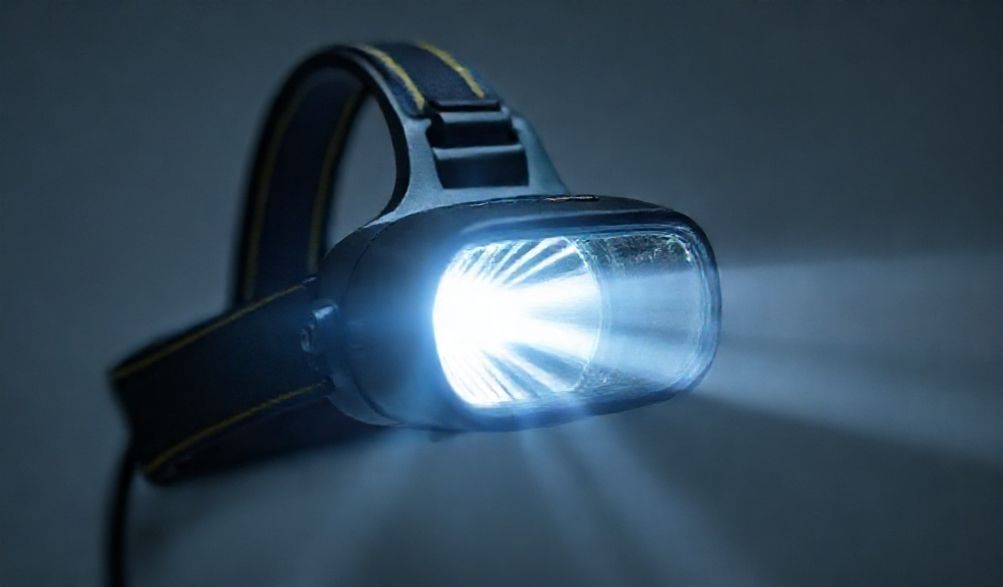
The Ultimate Guide to Medical Headlamps: Enhancing Precision in Healthcare
Introduction
Imagine this: you’re in the midst of a complex laceration repair in the ER. The wound is deep, requiring meticulous layered closure. The overhead OR light is brilliant, but as you lean in, your own head casts a frustrating shadow directly over the critical field. You shift, the nurse adjusts the light, but the shadow persists. Now, precision is compromised, eye strain is mounting, and time is ticking. This scenario, repeated in variations across specialties—from a dentist searching for a hidden caries lesion to a veterinarian performing delicate surgery—highlights a universal yet often overlooked challenge in healthcare: inadequate illumination.
The problem lies with the limitations of traditional, fixed lighting systems. Overhead surgical lights, dental operatory lights, and exam room lamps are essential but inherently static. They create glare, cause disruptive shadows cast by the clinician’s own hands and instruments, and fail to provide consistent, coaxial light (light aligned with the user’s line of sight) into deep or narrow cavities. This doesn’t just cause frustration; it can impact diagnostic accuracy, procedural success rates, and contribute to significant physical strain, including neck and eye fatigue.
Enter the specialized solution: the medical headlamp. Far more than a simple hands-free flashlight, a medical-grade headlamp is an engineered illumination system designed to meet the rigorous, non-negotiable demands of clinical environments. It puts a powerful, focused beam exactly where the clinician is looking, eliminating shadows and enhancing visual clarity for unparalleled precision.
This guide is designed to be your comprehensive resource. Our insights are drawn from an analysis of clinical workflows, user testimonials, and the tangible challenges faced by healthcare providers. The expertise presented is grounded in technical specifications, studies on the impact of lighting on surgical performance, and adherence to manufacturer and institutional guidelines. We emphasize authoritativeness by referencing considerations aligned with medical device standards, particularly regarding infection control and optical performance. Above all, our goal is trustworthiness—providing balanced, practical, and safety-focused advice to empower you in selecting a tool that becomes a seamless extension of your skill.
What is a Medical Headlamp? Beyond a Basic Flashlight
Core Definition and Clinical Purpose
A medical headlamp is a personal, wearable illumination device, typically consisting of a light source mounted on an adjustable headband. Its core purpose is to deliver bright, shadow-free, and color-accurate light directly into a patient’s wound, cavity, or operative site, hands-free. The key distinction lies in its design philosophy: it is engineered for clinical utility, not recreational convenience.
This is not a camping accessory. While consumer headlamps prioritize battery life and weather resistance for hiking, a medical headlamp is built with features critical for healthcare:
* Medical-Grade Light Quality: Prioritizes high Color Rendering Index (CRI) and appropriate color temperature for true tissue differentiation.
* Clinical Ergonomics: Designed for comfort during hours of continuous use, often over surgical caps and loupes or glasses.
* Sterilization Compatibility: Constructed with materials that can withstand repeated cleaning with harsh hospital-grade disinfectants or, in some models, autoclaving.
* Precision Engineering: Offers adjustable focus and intensity to suit everything from a broad oral exam to illuminating the depths of a spinal surgical field.
Key Users Across Medical Specialties
The need for portable, coaxial illumination spans the healthcare spectrum:
* Surgeons: Across all disciplines—from neurosurgery and ophthalmology requiring extreme focus and depth, to plastic, orthopedic, and general surgery for optimal wound visualization.
* Dentists & Dental Hygienists: Essential for illuminating the dark, confined space of the oral cavity, revealing cracks, calculus, and caries with clarity, and reducing neck strain from positioning to fixed lights.
* Veterinarians: Crucial for procedures on animals of all sizes, especially in field settings, dental work, and surgeries where patient positioning may limit overhead light access.
* Emergency Medical Technicians (EMTs) & First Responders: Provide vital, hands-free lighting in unpredictable, low-light environments for patient assessment, trauma care, and procedures in ambulances or at accident scenes.
* Nurses & Allied Health Professionals: Invaluable for detailed wound care assessment, dressing changes, IV insertion, and other procedures where close visual inspection is key.
Critical Features to Evaluate in a Medical Headlamp
Choosing a medical headlamp requires careful consideration of several technical and practical features that directly impact its clinical performance.
Light Source & Color Temperature
The quality of light is paramount. Two metrics are critical:
* Color Rendering Index (CRI): Measured on a scale of 0-100, CRI indicates how accurately a light source reveals the true colors of objects compared to natural sunlight. A high CRI (90+) is non-negotiable in medicine. It allows clinicians to accurately distinguish between subtle tissue shades—differentiating arterial from venous blood, identifying necrotic tissue, or detecting early signs of infection. Low CRI light can make tissues appear washed out or misleading in color.
* Color Temperature (Kelvin – K): This describes the “warmth” or “coolness” of the light. Lower temperatures (3000-4000K) produce a warmer, yellowish light, while higher temperatures (5000-6500K) emit a cool, bluish-white light. Daylight-balanced light (around 5500-6000K) is often preferred in surgery and dentistry as it reduces eye strain over long periods and provides a neutral, high-contrast field that mimics natural daylight, aiding in accurate color perception.
Modern medical headlamps universally use LED technology for its exceptional brightness, energy efficiency, minimal heat production, and long lifespan.
Brightness (Lumens) and Beam Focus
- Brightness (Lumens): While lumens measure total light output, in medicine, illuminance (lux)—the amount of light falling on a surface—is often more relevant. Manufacturers may specify lux at a given distance (e.g., 40,000 lux at 20cm). Needs vary: a dentist examining a tooth may need 10,000-40,000 lux, while a surgeon working in a deep cavity may require a system capable of 100,000+ lux to overcome the light absorption of surrounding tissue. Sufficient brightness is crucial to reveal detail without causing glare or “washing out” the field.
- Beam Focus: Adjustable focus is a key feature.
- Spot Beam: A concentrated, narrow beam for deep cavity illumination or highly focused work.
- Flood Beam: A wide, diffused beam ideal for superficial examinations, wound care, or larger field overviews.
- Adjustable Focus: The most versatile option, allowing the user to seamlessly transition from flood to spot as the procedure demands.
Power Source and Runtime
Reliable power is essential for uninterrupted procedures.
* Rechargeable Battery Systems: The standard for most professional setups. They use lithium-ion battery packs, often worn on a belt or waistband, connected via a lightweight cord. They offer long runtimes (2-6+ hours on high power) and the convenience of overnight charging.
* Disposable Batteries: Found in some lighter-duty or emergency models. They offer the advantage of instant swapability but incur ongoing cost and waste.
* Runtime & Backup: Consider your longest common procedure. A headlamp with a 4-hour runtime on high may suffice for most, but having a spare, charged battery pack is a critical best practice for longer cases or unexpected delays.
Ergonomics and Comfort
A headlamp that causes discomfort will not be used effectively.
* Weight Distribution: The total weight and its balance are crucial. Systems with a rear counterweight or a battery pack worn on the body help distribute mass and prevent neck strain.
* Headband Design: Look for wide, padded, and fully adjustable headbands. They should securely fit over various head sizes, surgical caps, and the frames of loupes or glasses without pinching.
* Heat Dissipation: Even efficient LEDs produce some heat. Good designs incorporate heat sinks or ventilation to prevent discomfort on the forehead during extended use.
Durability and Sterilization Compatibility
A medical headlamp must survive the harsh clinical environment.
* IP Rating: The Ingress Protection rating (e.g., IP54) indicates resistance to dust and moisture. A rating is important for withstanding splashes during procedures or cleaning.
* Sterilization: This is critical for infection control. Determine the required cleaning protocol for your setting. Most medical headlamps are designed for wipe-down disinfection with standard hospital disinfectants. Some high-end models or specific components (like the light module) may be autoclavable. Always follow the manufacturer’s validated cleaning instructions explicitly.
How to Choose the Right Medical Headlamp for Your Practice
Matching the Headlamp to Your Specialty
Your specialty dictates your primary needs. Use this as a starting guide:
| Specialty | Key Priorities | Typical Light Needs |
| :— | :— | :— |
| Surgery (General, Plastic, Ortho) | Very High Brightness, High CRI (>90), Adjustable Spot/Flood, Long Runtime, Comfort for Hours | 50,000 – 150,000+ lux; Cool white (5500-6000K) |
| Dentistry | High CRI, High Brightness at Short Distance, Lightweight/Comfort for Neck, Good Flood for Full Arch | 10,000 – 40,000+ lux; Daylight balanced (5500K) |
| Veterinary Medicine | Durability, Good Runtime, Versatile Beam (spot for surgery, flood for exam), Splash Resistance | 20,000 – 80,000 lux; Adjustable or daylight |
| Emergency/Field Medicine | Ruggedness, Cordless/Wireless Option, Long Battery Life, Simple Controls, Good Flood Beam | Reliable lumens output; Robust build, IP rated |
Budget Considerations: Investment vs. Value
Medical headlamps range from under \$100 for basic, battery-powered models to several thousand dollars for premium, fiber-optic or high-lumen LED systems with loupe integration.
* Investment vs. Cost: View this as a long-term investment in your precision, efficiency, and physical comfort. A cheaper model may lack the necessary CRI, fail under frequent disinfection, or cause fatigue.
* Total Cost of Ownership: Factor in battery replacement costs, warranty (look for 2+ years), and the availability of service/parts. A reliable, reputable brand may have a higher upfront cost but lower long-term expense.
Trying Before Buying: Comfort is Key
If possible, try the headlamp on. Assess its weight, balance, and adjustability. Wear it with your usual loupes, glasses, and surgical cap. A distributor demo or a colleague’s recommendation can be invaluable. Comfort over a 30-minute trial is the best predictor of comfort during a 3-hour procedure.
Best Practices for Using and Maintaining Your Medical Headlamp
Proper Positioning and Adjustment for Optimal Light
Take time to set up correctly. Position the light module centrally on your forehead, just above your glasses or loupes. Adjust the angle so the beam is coaxial with your line of sight—where you look is where the light shines. Fine-tune during a procedure to avoid glare bouncing off instruments or moist surfaces.
Cleaning and Disinfection Protocols
This is a patient safety imperative. Always follow your facility’s infection control policy AND the manufacturer’s instructions.
1. Disconnect Power: Remove batteries or unplug the power source.
2. Wipe Down: Use a soft cloth dampened with the approved hospital-grade disinfectant (e.g., CaviWipes, bleach solution per guidelines). Gently wipe all exterior surfaces, including the headband, light housing, and cord (if not removable).
3. Avoid Ingress: Do not submerge the unit unless it is explicitly rated for immersion. Avoid getting moisture into ports or switches.
4. Autoclaving (if applicable): Only autoclave components explicitly designed and labeled for autoclaving. Follow the precise cycle instructions (temperature, time, drying).
5. Dry Thoroughly: Allow all components to air dry completely before storage or reuse.
Battery Care and Storage
- For rechargeable lithium-ion packs, avoid fully depleting them regularly. Charge after use.
- Store batteries at room temperature in a dry place.
- Have at least one fully charged spare battery available at all times.
- Periodically check battery health and replace packs that no longer hold a sufficient charge.
Frequently Asked Questions (FAQ) About Medical Headlamps
Q1: What is the ideal CRI for a surgical headlamp?
A: For critical visual tasks like surgery, a CRI of 90 or higher is strongly recommended. This ensures superior color accuracy, which is vital for distinguishing subtle differences in tissue types, vascularity, and oxygenation levels.
Q2: Can I use a regular camping headlamp for medical procedures?
A: It is strongly advised against. Consumer headlamps lack the high CRI needed for accurate tissue assessment. Their materials are not designed to withstand repeated cleaning with harsh medical disinfectants, posing an infection control risk. They are also rarely ergonomic enough for prolonged clinical use and may introduce safety hazards (e.g., non-medical-grade materials, unreliable switches) into a sterile field.
Q3: How many lumens do I really need for dentistry?
A: While lumens are a factor, dentists should focus on illuminance (lux) at the working distance. A common range for dental procedures is 10,000 to 40,000 lux at a distance of 15-20cm. The ideal level depends on the specific task (e.g., cosmetic shade matching vs. surgery) and personal visual preference. Trying a demo unit is the best way to gauge what works for you.
Q4: Are wireless (cordless) medical headlamps reliable?
A: Modern wireless medical headlamps with high-quality lithium-ion batteries are very reliable and offer excellent freedom of movement. The key is diligent battery management. Their reliability is contingent on the user monitoring battery levels, having a consistent charging routine, and keeping spare batteries charged and ready. For the longest, most complex procedures, some still prefer the guaranteed runtime of a corded system with a large battery pack.
Q5: How do I prevent my headlamp from fogging up?
A: Fogging occurs when warm, moist air from your breath hits a cooler lens. To prevent it:
1. Choose a headlamp with an anti-fog coating on the lens.
2. Ensure the headlamp has adequate heat dissipation to keep the lens assembly warm.
3. Use a surgical mask properly fitted to the bridge of your nose to direct breath downward.
4. Some users apply a thin layer of medical-grade anti-fog solution to the lens as a last resort (check compatibility with the lens coating first).
Conclusion
A medical headlamp is far more than a convenience; it is a vital, precision-enhancing tool that directly impacts procedural quality, diagnostic confidence, and clinician well-being. By delivering shadow-free, color-accurate light exactly where you need it, it becomes an extension of your own vision.
The journey to selecting the right one involves balancing three core pillars: clinical performance (prioritizing high CRI and appropriate brightness), practical durability (ensuring compatibility with rigorous sterilization and reliable power), and personal ergonomics (guaranteeing comfort for extended use).
As you make your decision, prioritize devices from reputable manufacturers that provide clear specifications intended for medical use. Uphold the highest standards of trustworthiness by rigorously adhering to validated cleaning and maintenance protocols, safeguarding both patient and practitioner safety.
Call to Action: Take a moment to assess the lighting challenges in your daily practice. Use the criteria outlined in this guide—CRI, lumens/lux, ergonomics, sterilization—to narrow down your options. Consult with trusted medical equipment specialists, seek demos where possible, and talk to colleagues about their experiences. Investing in the right medical headlamp is an investment in the precision and quality of care you provide.
p>