
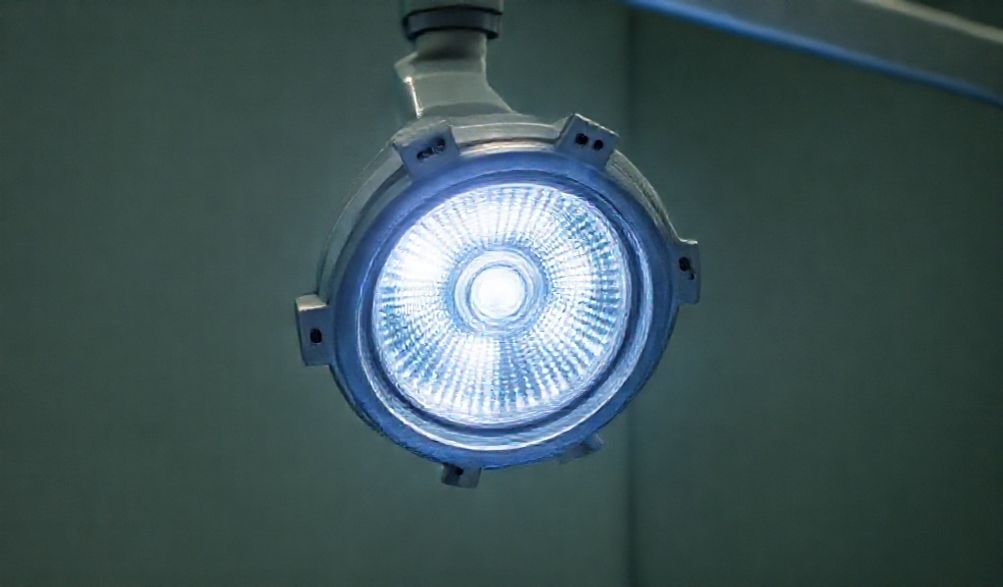
Surgical Headlights: A Surgeon’s Guide to Enhanced Precision, Safety, and Outcomes
Imagine navigating the intricate landscape of the human body—a delicate network of nerves, vessels, and tissues—while peering into a deep, shadow-filled cavity. The overhead OR lights, no matter how advanced, cannot bend into the recesses of a spinal canal or illuminate the depths of a sinus cavity. This universal challenge, the critical need for clear, shadow-free visualization, is a fundamental hurdle in surgery. Illumination is not a mere convenience; it is a cornerstone of surgical success, directly impacting precision, procedure time, and, most importantly, patient safety.
Enter the surgical headlight: the advanced, ergonomic solution to this age-old problem. Far from a simple flashlight, a modern surgical headlight system is a sophisticated piece of optical engineering, designed to become a seamless extension of the surgeon’s senses. From neurosurgery to dentistry, these tools have transitioned from niche accessories to essential instruments in the modern operating room and clinic. This guide synthesizes information from leading surgical device manufacturers, insights from peer-reviewed studies on ergonomics and clinical outcomes, and the practical wisdom of surgical professionals. By the end, you will have a comprehensive understanding of the key features, undeniable benefits, diverse applications, and critical selection criteria for surgical headlights, empowering you to make an informed decision for your practice.
What is a Surgical Headlight System? Core Components Explained
A surgical headlight system is a wearable illumination device that provides a direct, focused beam of light coaxial with the surgeon’s line of sight. Unlike overhead lights, it moves with the surgeon’s head, eliminating shadows and delivering consistent brightness exactly where it’s needed. Understanding its core components is key to selecting the right system.
The Light Source: LED Technology and Its Advantages
The heart of any headlight is its light source. The industry has undergone a significant shift from traditional halogen or xenon bulbs to Light Emitting Diode (LED) technology, and for compelling reasons:
- Cooler Operation: LEDs produce minimal infrared radiation, meaning they emit very little heat. This is crucial for patient comfort and safety, especially during long procedures near sensitive tissues, and for surgeon comfort, as less heat is directed toward the face.
- Brighter & More Efficient: Modern LEDs offer exceptional luminance (brightness) while consuming far less power than older technologies. This efficiency translates into longer battery life for cordless units.
- Longer Lifespan: An LED light source can last for tens of thousands of hours, virtually eliminating the hassle and cost of frequent bulb replacements common with halogen systems.
- Superior Color Rendition: High-quality LED systems offer adjustable or fixed color temperatures around 5000-6000 Kelvin, which is considered “daylight white.” This spectrum provides excellent color accuracy, allowing surgeons to better distinguish between tissue types, identify subtle variations in color, and accurately assess perfusion and oxygenation.
The Head-Mounted Assembly: Comfort and Stability
The platform that carries the light source must balance stability with all-day comfort. There are several common styles:
- Headbands: The most common type, featuring an adjustable, padded band that sits around the head. They are typically lightweight, stable, and compatible with most facial structures and loupes.
- Loupe-Mounted Systems: These units attach directly to the frame of surgical loupes (magnification glasses). They offer excellent integration and ensure the light beam is perfectly aligned with the magnified field of view, a favorite in microsurgery and dentistry.
- Helmet Styles: Less common today, these offer a very stable platform but are generally heavier and less popular due to comfort and heat concerns.
Key ergonomic considerations include weight distribution, padding material (often moisture-wicking), and easy adjustability to prevent pressure points during lengthy operations.
The Light Guide: Fiberoptic Cables vs. Cordless Systems
This component connects the light source to the emitter on the headset.
- Fiberoptic Cable Systems: The traditional design. A powerful “light box” generator sits on a stand or table, producing light that is transmitted through a flexible fiberoptic cable to the headset. The advantages are consistent, high-intensity light with no battery to deplete. The main drawback is the physical tether of the cable, which can limit mobility and requires careful management to avoid snagging.
- Cordless/Battery-Powered Systems: The modern evolution. A compact battery pack, often worn on a belt or integrated into the headband, powers an LED emitter directly on the headset. This offers complete freedom of movement, reduced clutter, and is ideal for procedures where the surgeon moves around the patient. The critical factor here is battery life, which can range from 2 to over 8 hours depending on intensity settings, making a backup battery essential for long cases.
Key Benefits of Using a High-Quality Surgical Headlight
Investing in a quality surgical headlight yields tangible returns that extend far beyond simple visibility.
Unparalleled Visualization and Shadow Reduction
The primary benefit is transformative illumination. A surgical headlight provides coaxial illumination—the light travels along the same axis as the surgeon’s vision. This directs a concentrated beam deep into cavities, effectively “filling” the surgical field with light and eliminating the shadows cast by the surgeon’s own hands, head, or instruments. This dramatically reduces eye strain and mental fatigue, as the surgeon’s eyes are no longer constantly struggling to adjust to contrasting areas of light and dark.
Enhanced Surgical Precision and Efficiency
Improved visualization translates directly into superior surgical performance. With a clear, bright, and shadow-free view:
* Anatomical structures are more easily identified and differentiated.
* Dissection becomes more accurate, allowing for cleaner planes and reduced collateral tissue damage.
* Suturing and anastomosis are performed with greater confidence and speed.
This enhanced control can contribute to shorter operative times, reduced blood loss, and more predictable outcomes. Studies in fields like microsurgery have noted that adequate illumination is a critical, non-negotiable factor for successful technical execution.
Improved Ergonomics and Surgeon Well-being
Often overlooked, the ergonomic benefit is profound. Without a headlight, surgeons frequently contort their necks and backs into awkward positions to “catch” the overhead light at the right angle. A headlight delivers light exactly where the surgeon is looking, allowing for a more neutral, comfortable posture throughout the procedure. This is not a minor comfort issue; it is a critical investment in surgeon career longevity, helping to mitigate the chronic neck, back, and shoulder pain that plagues many in the profession.
Primary Applications and Surgical Specialties
While beneficial in many settings, surgical headlights are indispensable in certain specialties.
Demanding Fields: Microsurgery, Neurosurgery, and ENT
In these specialties, the need is non-negotiable. The surgical fields are often deep, narrow, and require working around delicate, critical structures.
* Neurosurgery: Illuminating the depths of the cranial or spinal canal is impossible with overhead lights alone.
* Otolaryngology (ENT): Procedures in the sinuses, pharynx, or inner ear demand intense, focused light in confined spaces.
* Microsurgery (e.g., hand, reconstructive, ophthalmology): Here, headlights are frequently integrated with loupes or microscopes to provide shadow-free, high-intensity light on a sub-millimeter scale.
Essential for Depth: Orthopedic, Spinal, and Cardiovascular Surgery
These procedures involve deep wounds and body cavities.
* Orthopedic & Spinal Surgery: From deep joint arthroplasties to spinal fusions, headlights illuminate the recesses of the surgical site, ensuring clear visualization of bone, cartilage, and neural structures.
* Cardiovascular and Thoracic Surgery: Working within the thoracic cavity or during open vascular procedures requires directed light to see into the heart, great vessels, and deep thoracic structures.
Routine Use in Dental, Oral Maxillofacial, and Plastic Surgery
For detailed work on surfaces and reconstructions, consistent light is key.
* Dental & Oral Surgery: A headlight provides constant, shadow-free illumination of the oral cavity, essential for restorative work, implants, and oral surgery.
* Plastic & Reconstructive Surgery: Accurate assessment of skin flaps, tissue viability, and meticulous suturing for cosmetic outcomes relies on excellent, consistent light quality.
How to Choose the Right Surgical Headlight: A Buyer’s Checklist
Selecting a system is a personal decision that should be based on your specific clinical needs, ergonomic preferences, and workflow.
Assessing Technical Specifications: Lumens, Spot Size, and Beam
Don’t be dazzled by marketing terms alone. Understand these key metrics:
* Luminance: Measured in lux (illuminance at the target) or lumens (total light output). For deep-cavity work (neurosurgery, spine), look for systems capable of 40,000+ lux. For dental or surface work, 20,000-30,000 lux may be sufficient.
* Spot Size/Field Diameter: The width of the illuminated circle at a given working distance. A smaller, focused spot is for microsurgery; a larger, wider field is better for general surgery or orthopedics. Some systems offer adjustable spot sizes.
* Beam Homogeneity: The light should be evenly distributed across the entire spot without dark edges or a blinding hot spot in the center, which causes eye fatigue.
Evaluating Ergonomics and Usability
This is where a hands-on trial is invaluable. Consider:
* Weight & Balance: Is it front-heavy? Does it feel stable without being oppressive?
* Heat Dissipation: Does the emitter or headband get uncomfortably warm?
* Compatibility: Does it fit comfortably over your loupes, glasses, or surgical hood?
* Ease of Use: Are the controls (on/off, intensity) intuitive to use while sterile?
* Cleaning & Sterilization: Can the headband be easily wiped down? Are the components durable enough to withstand hospital-grade disinfectants? Always follow the manufacturer’s specific instructions.
Considering System Longevity and Support
Your headlight is a long-term investment.
* Warranty: Look for a comprehensive warranty (often 2-3 years).
* Modularity & Parts: How easy is it to replace a worn headband pad, a damaged fiberoptic cable, or a aging battery? Are these parts readily available?
* Manufacturer Support: Choose a reputable company known for responsive customer service and technical support.
Maintaining Your Surgical Headlight System for Optimal Performance
Proper care extends the life of your investment and ensures reliable performance.
Routine Cleaning and Disinfection Protocols
After each use, the headband and any non-sterile components must be cleaned. Crucially, always adhere to the manufacturer’s specific cleaning and disinfection guidelines. Using the wrong chemical or method can damage lenses, housings, or cables. Typically, this involves wiping down surfaces with a mild, hospital-approved disinfectant wipe.
Care and Handling of Fiberoptic Cables and Batteries
- Fiberoptic Cables: Avoid sharp bends, kinks, or crushing. Coil them loosely. Never pull on the cable itself to disconnect it—use the connector. Inspect regularly for broken fibers (seen as dark spots).
- Batteries: Follow charging instructions. Avoid completely draining lithium-ion batteries. For cordless systems, have at least one fully charged backup battery available. Store batteries in a cool, dry place.
Recognizing Signs for Service or Part Replacement
Be proactive. Contact the manufacturer or service provider if you notice:
* Dimming light output (beyond normal battery depletion).
* Flickering or inconsistent beam.
* Dark spots or uneven illumination in the beam pattern.
* Physical damage to the cable, connectors, or headset housing.
* Batteries that no longer hold a charge for a reasonable duration.
Frequently Asked Questions (FAQ) About Surgical Headlights
Q: What is the typical battery life for a cordless surgical headlight?
A: Battery life varies significantly by model and the intensity setting used. Typical ranges are from 2 to 3 hours at maximum brightness for very high-power systems, to 6-8+ hours for systems on medium settings. Always check the specifications for your intended use and maintain a charged backup battery.
Q: Can I integrate a surgical headlight with my existing surgical loupes?
A: Yes, many manufacturers offer headlights designed to clip or mount directly to popular loupe frames. However, compatibility is not universal. You must verify that the headlight mount is designed for your specific brand and model of loupes.
Q: How much should I expect to invest in a professional-grade system?
A: Prices vary widely. A basic, cable-based LED headlight system can start around \$500 – \$1,500. Advanced, high-lumen, cordless systems with multiple spot sizes and premium ergonomics typically range from \$2,500 to \$5,000+. Consider this a long-term capital investment in your surgical capability and personal ergonomics.
Q: Are there specific safety standards for surgical headlights?
A: Yes. Reputable surgical headlights are classified as medical devices. In the United States, they should have FDA 510(k) clearance. In Europe, they must bear the CE Mark, indicating compliance with the Medical Device Regulation (MDR). These ensure the device meets standards for electrical safety, biocompatibility, and performance.
Conclusion
A surgical headlight is far more than a simple tool; it is a critical investment that directly enhances the most fundamental element of surgery: visualization. By delivering shadow-free, coaxial illumination, it lays the foundation for greater accuracy, improved patient safety, enhanced surgical efficiency, and better protection of the surgeon’s own physical well-being. As you evaluate options, prioritize your specific clinical needs and ergonomic requirements. Seek out demonstrations or trial periods from reputable medical device suppliers to experience the difference firsthand. In the relentless pursuit of excellent patient care, optimizing the surgeon’s tools—including the very light they see by—remains a paramount consideration.
p>