
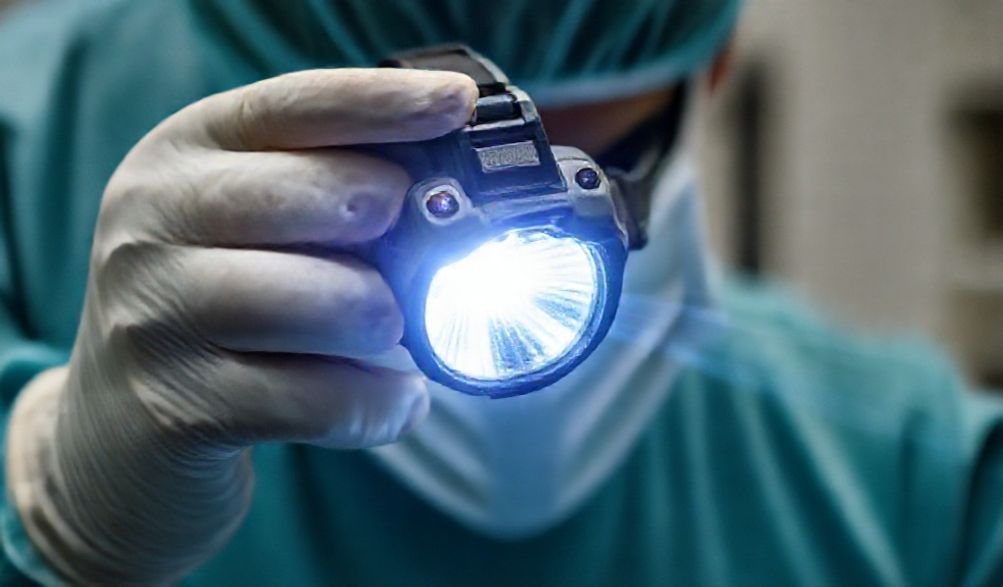
The Ultimate Guide to Surgical LED Headlamps: Enhancing Precision in Modern Medicine
In the high-stakes theater of the operating room, where millimeters define success and a single obscured detail can alter an outcome, one fundamental challenge remains universal: the absolute need for perfect light. Surgeons have long grappled with the limitations of overhead illumination—its propensity to cast shadows from assistants’ hands, its struggle to penetrate deep cavities, and the awkward, neck-straining postures required to stay within its optimal beam. This universal challenge finds its modern solution in a transformative piece of personal technology: the surgical LED headlamp.
This guide is crafted for the discerning medical professional—whether you are a seasoned surgeon, a surgical resident honing your skills, a procurement officer evaluating capital equipment, or a medical student preparing for a future in the OR. Our goal is to move beyond basic specifications and provide an authoritative, detailed resource that synthesizes technical engineering, clinical benefits, and real-world user experience. By exploring the key features, applications, selection criteria, and best practices for surgical LED headlamps, this guide will illuminate how this critical tool directly contributes to enhanced precision, improved ergonomics, and ultimately, superior surgical outcomes.
What is a Surgical LED Headlamp and Why is it Essential?
A surgical headlamp is far more than a simple light strapped to one’s forehead. It is a sophisticated, personal illumination system engineered to provide consistent, high-quality light directly aligned with the surgeon’s line of sight. Unlike static overhead operating lights, which require the surgeon to position themselves and the patient, a headlamp offers dynamic, mobile illumination that moves intuitively with the surgeon’s gaze, eliminating shadows and providing unparalleled access to complex anatomical landscapes.
Defining the Tool: Beyond a Simple Light
At its core, a surgical LED headlamp is a head-mounted system comprising a light source, a power supply, and a delivery mechanism. The light emitter, now almost exclusively utilizing Light Emitting Diode (LED) technology, is mounted on an adjustable headband. A cable or wireless connection links it to a battery pack, typically worn on a waist belt or integrated into the headband. This system liberates the surgeon from the constraints of the overhead light, providing a portable “sun” that shines precisely where the surgeon looks, from the surface incision down to the deepest surgical field.
The Evolution from Halogen to LED: A Revolution in Clarity
The journey to today’s advanced headlamps began with rudimentary systems using incandescent and later halogen bulbs. While an improvement, halogen lights had significant drawbacks: they generated intense heat, had a relatively short lifespan, and their light quality often distorted tissue color. The advent of LED technology marked a paradigm shift. LEDs produce a dramatically cooler light, preventing thermal discomfort for the surgeon and protecting delicate tissues. They are exceptionally energy-efficient, enabling longer battery life, and most importantly, they offer superior color rendering and a more consistent, daylight-like spectrum that reveals true tissue morphology.
Core Benefits in the Operating Room
The integration of a high-quality surgical LED headlamp delivers tangible, multifaceted benefits:
- Enhanced Visual Acuity: The primary benefit is visual precision. By delivering bright, focused light directly into deep cavities, confined spaces, and obscured angles, headlamps dramatically improve contrast and detail recognition. This is crucial for differentiating between similar-looking tissues, identifying small vessels and nerves, and ensuring complete excision or repair.
- Ergonomic Advantage: Surgeons can maintain a neutral, comfortable spine and neck position without constantly adjusting their posture to catch the overhead light. This “eyes-to-hands” alignment reduces musculoskeletal strain and fatigue, which is especially critical during lengthy procedures.
- Reduced Eye Strain: The consistent, high-color-rendering light of a modern LED headlamp minimizes the eye’s need to constantly adjust to varying light levels and poor color quality. This reduces visual fatigue, helping to maintain a surgeon’s focus and sharpness throughout long operations.
Key Features to Evaluate When Choosing a Surgical Headlamp
Selecting the right surgical LED headlamp is a balance of technical performance and personal comfort. Understanding these key features will empower you to make an informed decision.
Light Source & Optical Quality
This is the heart of the system. Key specifications include:
* LED Specifications: Look for a Color Temperature in the range of 4500K to 5500K, which mimics natural daylight and provides optimal tissue visualization. The Color Rendering Index (CRI) is critical; a CRI >90 (out of 100) ensures that the colors of tissues, blood, and sutures are rendered accurately and naturally.
* Beam Characteristics: Evaluate the luminous flux (measured in lumens) for sufficient brightness. More importantly, assess the beam’s quality. Is the spot size adjustable? Is the light field homogeneous without dark spots or intense hotspots? A smooth, even beam with a sharp focus is essential for reducing eye fatigue.
Comfort, Weight, and Wearability
A headlamp that causes discomfort will be abandoned, regardless of its light quality.
* Headband Design: Seek a well-balanced headband with ample padding (gel or foam). It should be easily adjustable and secure without causing pressure points.
* Weight Distribution: Consider where the battery is located. Waist-mounted battery packs offer the best weight distribution, keeping the headpiece light. Fully integrated wireless models are more mobile but place all weight on the head.
* Compatibility: Ensure the system is compatible with your other equipment, particularly surgical loupes, glasses, and protective hoods or helmets.
Power System and Runtime
Reliability is non-negotiable.
* Battery Technology: Rechargeable Lithium-Ion batteries are the standard for their high energy density and lack of memory effect.
* Runtime: Check the runtime on a single charge at your typical brightness setting. High-performance models typically offer 6-10 hours, which should cover most surgical schedules. A clear, visible low-battery indicator is a must-have safety feature.
* Power Options: Some systems offer hot-swappable batteries or the ability to plug into an outlet for indefinite use, which is valuable for marathon cases.
Adjustability and Ease of Use
The system should feel like a natural extension of your senses.
* Controls: Easy-to-use tilt mechanisms and accessible on/off/dimming controls are vital. Some premium models offer wireless remote dimmers that can be clipped to a sterile sleeve.
* Cable Management: For wired models, a well-designed cable management system that minimizes snagging and drag is crucial for maintaining a sterile field and user comfort.
Applications Across Medical Specialties
The utility of the surgical LED headlamp extends across a wide spectrum of medical and surgical disciplines:
- Neurosurgery and Spinal Procedures: Perhaps the quintessential application. The need for brilliant, shadow-free illumination in deep, narrow corridors like the spine or cranial base is absolute. A headlamp is indispensable for visualizing delicate neural structures.
- Plastic & Reconstructive Surgery: Color accuracy is paramount. Assessing tissue viability (flap perfusion), matching skin tones, and differentiating subtle tissue planes requires a light source with an exceptionally high CRI.
- Dentistry and Oral Surgery: For intraoral procedures, a headlamp provides direct, focused light that overcomes the challenges of the cheek and tongue shadowing overhead lights. Portability is also a key factor in dental practice.
- Emergency Medicine and Minor Procedures: In the ER or outpatient clinic, a portable headlamp allows for immediate, high-quality illumination for laceration repairs, wound debridement, abscess drainage, and other procedures without relying on often-awkward procedural lights.
Best Practices for Use and Maintenance
To ensure optimal performance, longevity, and safety, proper handling of your surgical LED headlamp is essential.
Proper Fitting and Alignment
- Adjust the headband so it sits securely and comfortably above the eyebrows.
- Position the light source module so it is centered on your forehead.
- Look straight ahead at a fixed point at your typical working distance (e.g., 18 inches for loupe users). Tilt the light module until the hotspot of the beam is centered on your point of focus. The goal is for the light to converge where your eyes are looking.
Cleaning, Disinfection, and Sterilization Protocols
Always follow the manufacturer’s specific Instructions for Use (IFU) and your hospital’s infection control policies.
* Headband: Typically, this is cleaned between uses with hospital-grade disinfectant wipes. Some cloth bands may be removable for laundering.
* Light Module/Cable: Many light modules are designed to be wiped down with disinfectant. An increasing number of models feature autoclavable or sterilizable (e.g., hydrogen peroxide plasma) light heads, which is the gold standard for infection control in sterile surgical fields. Never immerse the battery pack, control unit, or cable connectors in liquid.
Battery Care and Long-Term Storage
- To maximize Lithium-Ion battery lifespan, avoid fully depleting it regularly. Partial discharges are better than full ones.
- If storing the device for an extended period, store the battery at approximately a 50% charge in a cool, dry place.
- Always have a fully charged backup battery available for prolonged procedures.
Frequently Asked Questions (FAQ)
Q1: What is the typical battery life of a modern surgical LED headlamp?
A: Most high-quality models offer 6-10 hours of runtime on a medium brightness setting. However, this varies significantly based on the selected lumen output. Always verify the manufacturer’s specifications for your intended use level.
Q2: Can surgical headlamps be used with magnification loupes?
A: Yes, compatibility is a standard design consideration. It is crucial to test the fit to ensure the headlamp mount does not interfere with your loupes’ frame. The beam must also be correctly aligned to converge at your specific loupes’ working distance. Many vendors offer integrated loupe-headlamp systems for perfect alignment.
Q3: How do I clean the headlamp after a procedure?
A: Strictly adhere to the manufacturer’s IFU. Generally, the headband is cleaned with an approved disinfectant wipe. The light source module may be designed for surface disinfection or, in advanced models, for full sterilization (autoclaving, low-temperature plasma). Never immerse the battery or control electronics.
Q4: What does “Color Rendering Index (CRI)” mean, and why is it important?
A: CRI is a quantitative measure (on a scale of 0-100) of a light source’s ability to reveal the true colors of objects compared to a natural light reference. In surgery, a high CRI (>90) is vital for accurately distinguishing arterial from venous blood, assessing tissue perfusion and viability, and identifying subtle anatomical structures.
Q5: Are there wireless surgical headlamps available?
A: Yes, fully wireless models are available and offer maximum freedom of movement. The main consideration is the trade-off: the battery and all electronics are housed on the headpiece, increasing its weight. Many surgeons prefer a wired system with a waist-mounted battery for superior long-term comfort and balance.
Conclusion
A surgical LED headlamp is not merely an accessory; it is a critical investment in surgical precision, surgeon well-being, and patient outcomes. The choice hinges on a careful balance of uncompromising light quality (prioritizing high CRI and a homogeneous beam), all-day comfort, and proven reliability. As this guide has outlined, making the right choice requires aligning technical specifications with the practical demands of your specialty and surgical environment.
We recommend consulting with colleagues, engaging with reputable medical device vendors for hands-on demonstrations or trial periods, and rigorously evaluating devices that carry the necessary medical device certifications for your region. As technology advances, the future of surgical illumination points toward even greater integration—with high-definition cameras for recording and teaching, and augmented reality overlays for navigational guidance. For now, mastering the use of today’s advanced surgical LED headlamp remains one of the most effective steps a surgeon can take to illuminate the path to excellence in modern medicine.
p>