
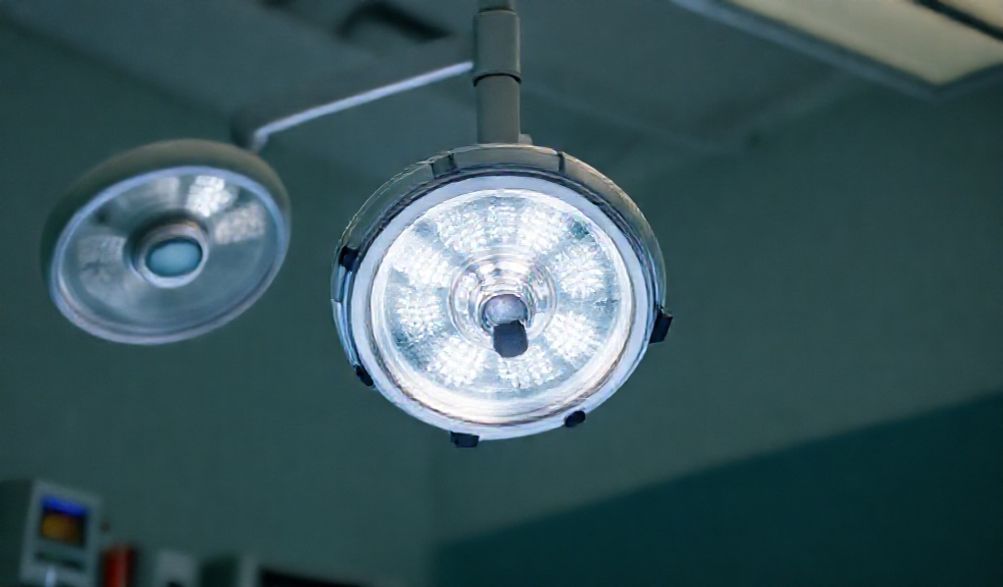
Surgery Lights: A Comprehensive Guide to Types, Features, and Selection for Optimal Outcomes
In the high-stakes environment of the operating room, where millimeter precision can define the line between success and complication, one critical tool is often overlooked: the surgery light. It is not merely a source of illumination; it is a fundamental extension of the surgeon’s senses. Consider this: studies suggest that up to 30% of a surgeon’s operative time can be spent adjusting for inadequate visualization, directly impacting procedure duration, team fatigue, and ultimately, patient safety. The quality of surgical illumination is inextricably linked to clinical outcomes.
This comprehensive guide is designed to empower healthcare administrators, clinical engineering teams, and surgical staff with authoritative knowledge. Our goal is to move beyond basic specifications and provide a deep understanding of what makes a modern surgery light system effective. The information herein is synthesized from international medical device standards (such as IEC 60601-2-41), peer-reviewed research on surgical ergonomics and visual performance, and technical analyses of leading manufacturer systems. By exploring the technology behind surgical illumination, comparing key types of operating room lights, and outlining a framework for evaluation, we aim to support informed, strategic decisions that enhance clinical environments and patient care.
The Critical Role of Surgical Lighting in Modern Medicine
Beyond Illumination: Impact on Surgical Precision and Patient Safety
A surgery light’s primary job is to make the surgical site visible, but its secondary effects are profound. High-quality lighting reduces visual strain and cognitive fatigue for the entire surgical team. By providing a clear, consistent view, it allows for faster and more accurate identification of anatomical structures, subtle tissue color variations (like cyanosis or ischemia), and delicate structures like nerves and microvessels. This directly enhances depth perception and spatial awareness, which are crucial for complex dissections and reconstructions. In essence, optimal lighting minimizes the risk of error, reduces operative time, and contributes significantly to a safer surgical environment. It is a passive yet powerful contributor to patient safety protocols.
Key Performance Metrics: Illuminance, Shadow Reduction, and Color Rendering
To evaluate a surgery light objectively, one must understand its key performance metrics. These are not marketing terms but clinically significant measurements:
* Illuminance (measured in Lux): This is the amount of light falling on the surgical field. While extremely high lux values (e.g., 160,000+ lux at the center) are possible, homogeneity is more critical. A well-designed light provides a consistently high level of illumination (often 40,000 – 160,000 lux) across a wide area, not just a bright hotspot.
* Shadow Reduction: No single light can eliminate all shadows cast by surgeons’ heads and hands. Advanced systems use multiple light heads or complex optical designs to fill in these shadows. The degree of “shadow dilution” is a key differentiator, ensuring that critical visual information isn’t lost when a surgeon leans in.
* Color Rendering Index (CRI) and TLCI: CRI measures a light source’s ability to reveal the true colors of objects compared to natural light. In surgery, a high CRI (≥90, with ≥95 being ideal) is essential for accurate tissue differentiation—distinguishing between arterial blood and venous blood, identifying bile ducts, or assessing tissue viability. The Television Lighting Consistency Index (TLCI) is particularly important for hybrid ORs, ensuring accurate color for high-definition surgical video and imaging.
Types of Surgery Lights: Technology and Applications
LED Surgical Lights: The Modern Standard
Light Emitting Diode (LED) technology has become the unequivocal standard for new installations and upgrades. Its advantages are compelling:
* Cool Light Operation: LEDs emit minimal infrared radiation, drastically reducing heat transfer to the surgical site and the surgical team’s heads. This improves patient safety and staff comfort during long procedures.
* Energy Efficiency & Longevity: LED modules consume significantly less power than older technologies and have an exceptionally long lifespan, often rated at 50,000 to 100,000 hours. This translates to over a decade of use without a bulb change, reducing maintenance costs and operational downtime.
* Superior Optical Control: LED systems allow for precise optical design, enabling excellent color rendering (high CRI) and the creation of homogeneous, deep-cavity light fields.
Halogen and Metal Halide Lights: Legacy Systems
These were the previous standards. Halogen lights are inexpensive initially but produce significant heat and have short bulb lives (1,000-2,000 hours). Metal Halide lights offered better color rendering and intensity but also generated heat and required regular, costly bulb replacements. While many of these systems are still in operation, they are largely considered legacy technology due to their higher total cost of ownership and inferior performance compared to modern LEDs.
Specialized Lighting Systems
Beyond the main overhead array, specialized lights address specific needs:
* Surgical Headlights/Headlamps: These wearable, focused lights are indispensable for minimally invasive procedures, deep-cavity work (e.g., spinal, ENT), and dental surgery. They provide coaxial illumination directly in the surgeon’s line of sight, eliminating shadows entirely.
* Endoscopic Light Sources: These are dedicated, high-intensity lights that feed into fiber-optic or liquid light cables connected to endoscopes and laparoscopes, providing illumination inside the body.
* Examination and Procedure Lights: Smaller, mobile lights used in minor procedure rooms, emergency departments, and for patient examination.
Essential Features to Evaluate When Selecting Surgery Lights
Optical System Design: Depth of Field and Homogeneity
The core of a surgery light is its optical engine. Look for systems designed to create a deep and homogeneous light field. This is often achieved through:
* Multi-focus Reflector Systems: A series of concentric reflectors that project overlapping circles of light, creating a uniform field with exceptional depth of illumination (e.g., maintaining intensity even 30cm into a cavity).
* Lens-Based Systems: These use complex lens arrays to shape and focus the light, often allowing for adjustable field diameter and spot intensity.
The goal is a “flat” light field with minimal hotspotting and consistent edge-to-edge illumination, giving surgeons a clear view regardless of the wound depth.
Maneuverability and Sterility: Arms, Handles, and Design
A brilliant light is useless if it can’t be positioned easily and kept sterile.
* Reach and Articulation: The light’s suspension system (typically ceiling-mounted with multiple segmented arms) must provide ample reach to cover any position on the operating table without impeding movement. It should move smoothly, stay in position without drift, and be perfectly balanced.
* Sterile Interaction: Handles must be designed for easy draping with sterile covers or, increasingly, feature proprietary single-use sterile handles. The design should allow the circulating nurse to make gross adjustments without breaking the sterile field, while the surgeon can make fine-tune adjustments via a sterile interface.
Integration and Control Systems
Modern surgery lights are smart devices. Key integration features include:
* Touchscreen Control Panels: Often located on the light head or a separate wall panel, allowing for adjustment of intensity, color temperature (on adjustable systems), and field size.
* Memory Settings: The ability to save and instantly recall preset configurations for different procedure types (e.g., “Cardiac,” “Orthopedic,” “Neurosurgery”).
* OR Integration: Compatibility with operating room integration suites (like Stryker’s iSuite, Karl Storz OR1, etc.), allowing lights to be controlled from a central touchscreen alongside other room functions (video, audio, room lights).
A Step-by-Step Guide to Choosing the Right Surgery Light
Assessing Your Surgical Suite’s Needs
Begin with a clinical needs assessment. Ask:
* What surgical specialties are primary? A cardiac suite needs exceptional depth for deep-chest procedures, while a plastic surgery suite may prioritize perfect color rendering. An orthopedic room might benefit from a larger field diameter.
* What is the physical environment? Consider ceiling height, column placements, and the need for multi-axis arms or track systems for large ORs or rooms with multiple table positions.
* Who is the user? Involve surgeons, nurses, and biomedical engineers in demonstrations. Ergonomics and workflow feel are subjective but critical.
Budgeting: Total Cost of Ownership vs. Initial Purchase Price
The sticker price is only part of the financial picture. A Total Cost of Ownership (TCO) analysis over a 10-year period is essential. Factor in:
* Energy Consumption: LED systems can use 50-70% less power than halogen/metall halide.
* Maintenance and Parts: LED modules rarely need replacement, but mechanical arms and controls do. Understand warranty terms and the cost/availability of service contracts and replacement parts (like sterile handles).
* Operational Downtime: The cost of an OR being out of service for a light repair can far exceed the repair itself.
Compliance and Safety Standards
This is non-negotiable. Any surgery light must be a certified medical device. Ensure compliance with:
* Regional Regulations: FDA clearance in the USA, CE Marking in Europe, and other local market approvals.
* International Standards: IEC 60601-1 (General safety) and IEC 60601-2-41 (Particular requirements for surgical luminaires and luminaires for diagnosis). Compliance ensures electrical safety, mechanical stability, and performance integrity.
Installation, Maintenance, and Best Practices
Professional Installation and Calibration
Always use the manufacturer’s certified installers or highly trained biomedical technicians. Proper installation ensures:
* Structural safety and correct weight balancing.
* Optimal calibration of the light field and control systems.
* Correct integration with other OR systems and power supplies.
Routine Cleaning and Disinfection Protocols
Follow the manufacturer’s Instructions for Use (IFU) meticulously. General principles include:
* Using hospital-approved, non-abrasive disinfectants.
* Avoiding harsh chemicals or excessive moisture on control panels, joints, and optical components.
* Regularly inspecting and replacing sterile handle covers as per protocol.
Scheduled Preventive Maintenance
A proactive maintenance schedule prevents failures. A typical plan includes:
* Daily/Pre-Procedure: Visual inspection, check of movement and braking.
* Monthly/Quarterly: Detailed inspection of arms, joints, and controls; verification of light intensity and homogeneity (using a light meter if possible).
* Annual/Bi-annual: Comprehensive service by a qualified technician, including re-calibration, tightening of components, and system diagnostics.
FAQ Section
Q1: What is the typical lifespan of an LED surgery light?
A: The LED modules themselves are typically rated for 50,000 to 100,000 hours of use. Under normal OR schedules, this translates to 15-25 years of service before light output degrades significantly. This contrasts sharply with halogen bulbs (1,000-2,000 hours) or metal halide bulbs (3,000-10,000 hours).
Q2: How important is color temperature (measured in Kelvin) in a surgery light?
A: While a neutral white light around 4000K-4500K is the common standard, some advanced systems offer adjustable color temperature. A cooler temperature (e.g., 5000K+) can enhance contrast for visualizing red tissues, while a warmer light (e.g., 3500K) may reduce glare. The ability to adjust can be a valuable tool for specific visual tasks.
Q3: Can surgery lights be integrated with other OR technologies?
A: Absolutely. Modern systems are designed for integration. They can connect to OR control systems for centralized command, interface with surgical video systems to provide consistent lighting for recording, and some even offer built-in cameras or support for video overlay technologies.
Q4: What are the most common causes of surgery light failure?
A: Failures are rarely due to the LED modules. The most common issues involve the mechanical system: wear and tear on joints and arms leading to drift or imbalance, failure of braking mechanisms, or problems with the electronic control panels and touchscreens. This highlights the importance of build quality and preventive maintenance.
Q5: How do I ensure the light remains sterile during a procedure?
A: Manufacturers provide sterile handles or handle covers designed specifically for their systems. These are single-use, sterile-packaged components that snap or slide onto the light’s adjustment handle. The circulating nurse installs them after the light is positioned and before the patient is draped, following standard sterile field protocols. The surgeon then interacts only with the sterile cover.
Conclusion
Selecting a surgery light is a decision that resonates through every procedure performed under it. It is an investment not in a piece of overhead equipment, but in a fundamental surgical instrument that affects precision, safety, and efficiency. The core considerations—opting for modern LED technology, prioritizing optical performance (homogeneity, depth, color rendering), ensuring flawless ergonomics and sterility, and evaluating total lifecycle cost—form the blueprint for a sound investment.
By consulting with clinical teams, rigorously applying the standards and metrics discussed, and demanding hands-on demonstrations from reputable manufacturers, healthcare facilities can make choices that directly support their surgical teams and elevate the standard of patient care. In the illuminated field of modern surgery, the right light is quite literally a beacon for better outcomes.
p>