
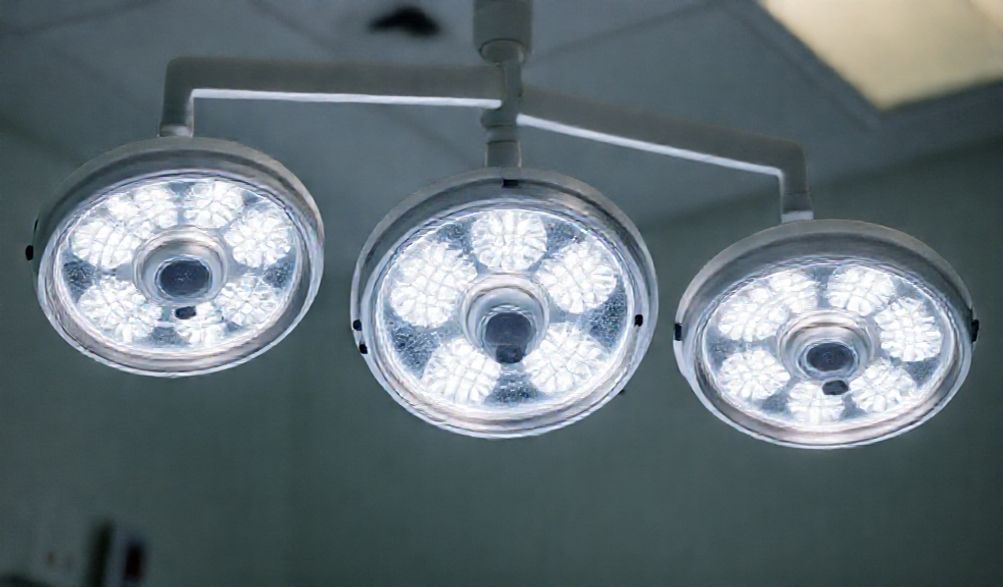
Surgical Lights for Sale: The Ultimate Buyer’s Guide for Healthcare Facilities
In the high-stakes environment of an operating room, every detail matters. While the skill of the surgical team is paramount, their performance is profoundly influenced by the tools at their disposal. Among these, surgical lighting is not merely a utility; it is a foundational component of patient safety, surgical precision, and staff well-being. A suboptimal light can cast shadows, cause eye strain, distort tissue color, and ultimately, compromise outcomes. Therefore, the decision to purchase new surgical lights is a strategic investment in clinical excellence, not just a routine equipment upgrade.
This comprehensive guide is designed to empower hospital administrators, OR managers, and procurement specialists. Our purpose is to provide you with expert, unbiased, and actionable information, cutting through the marketing jargon to help you make a confident, informed purchasing decision. We understand you are in the critical research phase, comparing a complex array of technologies, features, and vendors. We promise a clear framework to evaluate your options. We will cover the evolution of lighting technology, the essential features to scrutinize, the different types and configurations available, a practical guide to navigating the market, and a transparent look at cost considerations and return on investment.
Understanding Modern Surgical Lighting Technology
Before comparing models and requesting quotes, it’s crucial to understand the core technology that defines modern surgical illumination. This knowledge forms the basis for every subsequent evaluation.
From Shadow to Precision: A Brief Evolution
Surgical lighting has come a long way from the hot, glaring incandescent bulbs of the past. Early systems often created significant shadows, generated intense heat that could dry out tissue and discomfort the surgical team, and suffered from inconsistent color rendering. The introduction of halogen lights was an improvement, offering better color temperature, but they still produced considerable heat and had relatively short lifespans. The true revolution arrived with Light Emitting Diode (LED) technology, which has now become the unequivocal standard in operating rooms worldwide.
LED Dominance: Why It’s the Standard Today
The shift to LED is driven by undeniable advantages that directly impact clinical and operational efficiency:
* Cooler Operation: LEDs emit minimal infrared radiation, drastically reducing the heat directed onto the surgical site and the surgical team’s heads and hands. This enhances patient safety and staff comfort during long procedures.
* Exceptional Lifespan: Modern LED surgical lights boast lifespans of 40,000 to 60,000 hours or more, compared to just 1,000-2,000 hours for traditional halogen bulbs. This translates to years of operation without bulb replacement.
* Energy Efficiency: LEDs consume significantly less power to produce equivalent or greater illumination, leading to substantial cost savings on energy bills and a reduced environmental footprint.
* Consistent & Tunable Output: LEDs provide extremely stable color temperature and intensity from the moment they are switched on, with no warm-up time. Many advanced systems now offer tunable white light, allowing surgeons to adjust the color temperature to optimize contrast for specific tissues.
Key Lighting Metrics Explained
When reviewing specifications, you will encounter specific technical terms. Understanding these is key to comparing apples to apples.
* Lux / Illuminance (Brightness): This measures the amount of light falling on the surgical field. While extremely high lux (e.g., 160,000+) was once a primary selling point, the modern focus is on optimal, homogeneous illumination—typically between 40,000 to 160,000 lux—without causing glare or “hot spots.”
* Color Rendering Index (CRI): Perhaps the most critical metric. CRI measures a light source’s ability to reveal the true colors of objects compared to natural light. A CRI of 90+ is considered good, but for surgery, a CRI of 95 or higher is essential for accurately distinguishing between tissues, arteries, veins, and organs.
* Color Temperature (Kelvin): Measured in Kelvins (K), this describes the hue of the white light. “Cool” white light has a higher Kelvin (4000K-5000K) and can enhance contrast, while “warm” light (3500K-4000K) may be perceived as more comfortable. Tunable systems offer the best of both worlds.
* Depth of Illumination: This refers to the light’s ability to provide deep-cavity illumination without a significant drop in intensity or quality. A good depth of illumination ensures consistent light even in deep surgical sites, like during spinal or pelvic procedures.
Essential Features to Evaluate When Buying Surgical Lights
Beyond basic specs, the day-to-day functionality and reliability of a surgical light are determined by its design and features. Here are the critical areas to assess during a demo or when reviewing a proposal.
Optical System & Light Field Quality
The core purpose of the light is to illuminate the surgical site flawlessly.
* Homogeneous vs. Focused Light Fields: A perfectly homogeneous light field provides even illumination across the entire diameter with no central hot spot or dim edges. This reduces eye fatigue as the surgeon’s pupils don’t need to constantly adjust. Some systems offer a focusable spot for moments requiring extreme concentration on a tiny area.
* Glare Reduction & Shadow Control: Advanced optical systems use multiple LED modules and specially designed reflectors or lenses to minimize glare and the shadows cast by the surgeon’s head and hands. Look for terms like “deep-dish reflector design” or “multilens optical system.”
* Edge-to-Edge Uniformity: The illuminance should remain consistent from the center to the very edge of the defined light field, ensuring the entire wound is visible under optimal light.
Maneuverability & Ergonomic Design
A light that is difficult to position is a hindrance, not a help.
* Reach and Articulation: Evaluate the light’s range of motion. Can it be easily positioned over any part of the patient, from head to toe, without needing to move the surgical table? Check the number and type of joints (friction-based, magnetic, etc.) for smooth, stable movement.
* Balance Systems: Counterbalance systems are crucial. The light should feel weightless when repositioning, staying firmly in place once released, without any drift or “drop.” This protects staff from strain and prevents accidental movement during surgery.
* Ease of Sterilization: All external surfaces, especially handles and control panels, must be designed for easy and thorough cleaning and disinfection. Seamless, crevice-free designs are preferable.
* Touchless Control Options: Many premium lights now offer touchless control via sterile handles, foot pedals, or voice activation. This helps maintain the sterile field and improves workflow efficiency.
Safety & Reliability Features
In the OR, equipment failure is not an option.
* Backup Systems (Redundant LEDs): The best systems have multiple independent LED modules. If one module fails, the others automatically compensate to maintain adequate illumination, allowing the procedure to continue safely.
* Fail-Safe Brakes and Thermal Management: Magnetic or mechanical fail-safe brakes ensure the light arm cannot fall. Effective thermal management systems prevent the LED drivers from overheating, ensuring long-term reliability.
* Compliance Standards: Verify that any light under consideration complies with relevant medical device safety standards, such as IEC 60601-1 (general safety) and IEC 60601-2-41 (particular requirements for surgical lights).
Integration & Compatibility
Consider the light as part of the larger OR ecosystem.
* Camera/Recording Systems: Does the light have integrated or easily attachable camera ports for documentation, teaching, or telemedicine? Is the light intensity automatically adjusted for optimal video recording?
* Compatibility with Booms and Infrastructure: If you are replacing only the light head, ensure it is compatible with your existing ceiling booms, track systems, and electrical infrastructure. For a full system replacement, assess the installation requirements for your facility.
Top Types & Configurations of Surgical Lights
The “right” light depends heavily on your facility’s specific needs, surgical specialties, and physical space.
Single vs. Dual Head Lights: Choosing the Right Setup
- Single-Head Lights: Offer a simpler, often more cost-effective solution. They are excellent for smaller ORs or procedures where a single, centralized light field is sufficient. Modern single heads often provide ample, homogeneous illumination for a wide range of general surgeries.
- Dual-Head Lights: The standard for most major operating rooms. Two independently maneuverable heads allow for shadow reduction by illuminating the site from two angles. They provide greater flexibility for complex procedures, team-based surgery, and excellent deep-cavity illumination. The trade-off is higher cost and a larger physical footprint.
Ceiling-Mounted vs. Mobile/Floor-Stand Lights
- Ceiling-Mounted Lights: The preferred choice for dedicated, fixed operating rooms. They save floor space, eliminate trip hazards from cables or bases, and typically offer the greatest range of motion and stability. Installation requires ceiling structural support and planning.
- Mobile/Floor-Stand Lights: Offer ultimate flexibility. Ideal for multi-purpose procedure rooms, outpatient surgery centers, labor & delivery suites, or field hospitals. They can be wheeled where needed and stored away. However, the base occupies floor space and can be an obstacle, and the range of motion may be more limited than a ceiling-mounted system.
Specialty Lights for Specific Procedures
Beyond general surgery lights, consider specialized options:
* Neurosurgery & Spine Lights: Often feature exceptionally high depth of illumination and may include integrated loupe lighting.
* ENT & Ophthalmology Lights: Typically are smaller, more maneuverable heads designed for focused illumination in confined anatomical spaces.
* Endoscopy/Laparoscopy Lights: While the monitor provides the primary view, auxiliary overhead lights are still needed for open ports or emergency conversion.
Navigating the Market: Brands, Suppliers, and Procurement
With a solid understanding of your needs, you can engage with the market strategically.
Leading Manufacturers: An Overview
The global market includes several established players, each with its strengths. A neutral overview includes:
* Global Giants: Companies like Stryker, Steris, and Getinge offer comprehensive, integrated OR solutions with strong reputations for innovation, extensive service networks, and advanced features like integrated imaging and data connectivity.
* Specialized & Regional Brands: Manufacturers like Dr. Mach, Brandon Medical, and Simeon Medical are often recognized for specific strengths, such as exceptional optical quality, robust ergonomics, or competitive value propositions. Many regional brands provide excellent service and support within their geographic markets.
New vs. Refurbished Surgical Lights: A Cost-Benefit Analysis
This is a significant decision point with clear trade-offs.
* New Lights:
* Pros: Full manufacturer warranty (often 3-5 years on LEDs), latest technology and features, compliance with current standards, predictable lifespan.
* Cons: Higher initial capital investment.
* Refurbished Lights:
* Pros: Lower upfront cost (often 30-50% less than new), can be a good way to standardize equipment on a budget.
* Cons: Warranty is typically shorter (1-2 years) and from the refurbisher, not the OEM. Technology may be a generation behind. It is critical to use an ISO-certified refurbisher who replaces all wear parts and provides full documentation of the refurbishment process and compliance.
The Procurement Checklist
Follow a structured process to ensure a successful purchase:
1. Conduct a Needs Assessment: Involve surgeons, nurses, and biomedical engineering. What procedures are performed? What are the frustrations with current lights?
2. Define Budget & Scope: Determine capital budget and decide between new vs. refurbished, single vs. dual head, etc.
3. Request for Information (RFI) / Quote: Send detailed specs to shortlisted vendors. Ask for total delivered price, including installation, training, and first-year service.
4. Schedule Clinical Demonstrations: This is non-negotiable. Have surgeons use the lights in a simulated or actual OR setting. Test maneuverability, shadow control, and color rendering.
5. Evaluate Warranty & Service Contracts: Scrutinize what is covered (parts, labor, travel). Understand the supplier’s local service response time and support structure.
6. Plan for Installation: Coordinate with the vendor and facilities team for a seamless installation with minimal OR downtime.
Cost Considerations and ROI of Surgical Lighting
The price tag is only one part of the financial equation.
Breaking Down the Price Factors
Cost varies widely based on:
* Technology & Features: Tunable color, touchless controls, camera integration, and premium optics increase cost.
* Brand & Market Position: Established global brands often command a price premium.
* Configuration: A dual-head, ceiling-mounted system is more expensive than a single-head mobile light.
* Installation Complexity: Retrofitting an old OR may require more structural work than a new build.
Total Cost of Ownership (TCO) Beyond the Price Tag
A cheaper light can be more expensive in the long run. Consider:
* Energy Consumption: LED lights can reduce OR energy costs by hundreds of dollars per year, per light.
* Maintenance & Downtime: Factor in the cost of service contracts and the potential revenue lost if an OR is down due to light failure. High-reliability systems have lower TCO.
* Bulb Replacement: With LEDs, this cost is virtually eliminated for a decade or more.
Justifying the Investment: ROI in Surgical Outcomes
Quality lighting delivers a tangible return:
* Enhanced Surgical Precision: Accurate tissue differentiation can reduce iatrogenic injury and improve outcomes.
* Reduced Surgeon Fatigue: Homogeneous, glare-free light minimizes eye strain, potentially allowing for longer, more focused performance.
* Improved Efficiency: Easy-to-position lights and smooth workflow integration can shave minutes off procedure time.
* Staff Satisfaction & Safety: Ergonomic design and cool operation contribute to a better, safer working environment.
Frequently Asked Questions (FAQ) About Surgical Lights
Q1: What is the typical lifespan of a modern LED surgical light?
Modern LED surgical lights are designed to last 40,000 to 60,000 hours. With average OR usage, this translates to 10-15 years or more before a significant drop in luminance output.
Q2: How often do surgical lights require maintenance or calibration?
Routine preventive maintenance, as recommended by the manufacturer (typically annually), is crucial. This includes checking balance, brake function, electrical safety, and cleaning optical components. There is no “calibration” for LEDs in the traditional sense, but intensity and color consistency should be verified.
Q3: Can we retrofit our existing surgical light boom with a new LED head?
Often, yes. Many manufacturers offer LED upgrade heads compatible with their own older booms, and some third-party companies specialize in cross-brand retrofits. A site survey by a qualified engineer is necessary to confirm mechanical, electrical, and weight compatibility.
Q4: What warranty should we expect, and what does it usually cover?
For new lights, expect a full warranty of 3-5 years on the LED modules and core electronics, with 1-2 years on other components. It should cover parts and labor for defects. For refurbished units, a reputable dealer will offer a 1-2 year warranty on their workmanship and replaced parts.
Q5: How do we ensure the lights we buy are compliant with our country’s medical device regulations?
In the US, the light must have 510(k) clearance from the FDA. In the EU/UK, it must have a CE/UKCA mark under the MDR/IVDR. In other regions, look for relevant local certifications. Always request the device’s regulatory documentation from the supplier.
Conclusion
Choosing the right surgical lights is a multi-faceted decision that balances clinical performance, staff ergonomics, long-term reliability, and total financial impact. It is an investment in the foundational infrastructure of your operating room.
Use this guide as a framework to build your requirements and evaluate suppliers. Remember, the most important step is the clinical demonstration. Insist on seeing and handling the lights in a realistic setting. Partner with reputable suppliers who offer robust service agreements and local support.
Your ultimate goal is to equip your surgical team with the best possible tools to perform at their peak. By making an informed, strategic investment in superior surgical lighting, you are directly contributing to enhanced patient safety, improved surgical outcomes, and a more efficient, satisfying work environment for your entire OR staff.
p>