
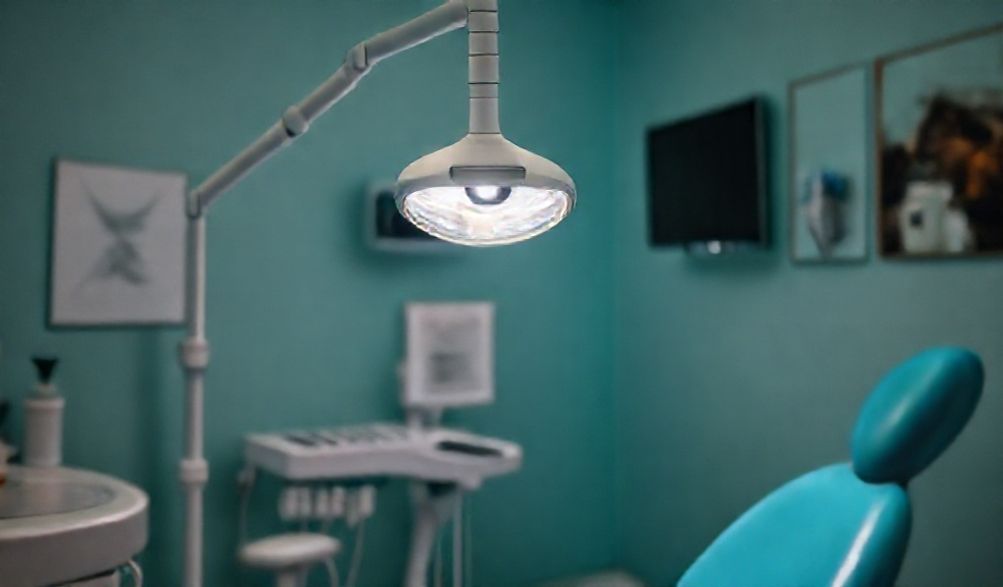
The Ultimate Guide to Dentist Lamps: Illuminating Precision in Modern Dentistry
What’s the single most important tool for a dentist after their skill? It’s not the high-speed handpiece, the curing light, or the digital scanner. It’s something so fundamental that it’s often taken for granted: light. Without optimal illumination, even the most skilled clinician is working at a significant disadvantage. The modern dentist lamp, or dental operating light, is a masterpiece of ergonomic and optical engineering, transforming the operatory from a dim workspace into a brilliantly lit stage for precision care.
This comprehensive guide will explore the critical world of dentist lamps. We’ll move beyond seeing them as simple fixtures and delve into their vital importance, the key technologies that power them, the essential features to consider, and how the right choice directly contributes to superior patient care, enhanced clinical outcomes, and practitioner well-being. Framed from the perspective of advising dental professionals on a crucial long-term investment, this post will address the practical realities of clinical workflows, ergonomics, and practice economics. Whether you’re a practicing dentist looking to upgrade your operatory, a dental student understanding the tools of the trade, or a curious patient wanting to know more about the technology behind your care, this guide will shed light on this essential pillar of modern dentistry.
Why Dentist Lamps Are More Than Just a Light
A dentist lamp is not merely a source of brightness; it is a primary diagnostic and procedural instrument. Its quality dictates the ceiling of clinical performance in any given procedure, influencing everything from early cavity detection to the flawless finish of a composite restoration.
The Critical Role of Illumination in Dental Procedures
The mouth is a dark, shadow-filled, and highly reflective environment. Overcoming these visual challenges is the first job of a dental light.
- Diagnostic Precision: The ability to detect incipient caries (early decay), subtle cracks in enamel, calculus deposits, and variations in soft tissue health hinges on excellent lighting. Proper illumination reveals the true color and texture of teeth and gums, allowing for early intervention and accurate diagnosis.
- Procedural Accuracy: During restorative work, endodontics, or surgery, the margin for error is often measured in microns. A high-quality dentist lamp provides a shadow-reduced, evenly illuminated field that allows the dentist to see precise margins, differentiate between tooth structure and restorative material, and navigate intricate root canal systems with confidence. Poor lighting, conversely, leads to eye strain, increased procedural errors, and longer appointment times as the practitioner struggles to see clearly.
Key Benefits of a High-Quality Dental Operating Light
Investing in a superior light yields tangible returns for both the practice and the patient.
- Enhanced Visual Acuity: Modern lights are engineered for clinical truth. Key metrics include:
- Color Temperature (5000-6000K): This “daylight white” range provides neutral, shadow-reduced illumination that reveals the true color of dental tissues and materials, crucial for shade matching in esthetic dentistry.
- Color Rendering Index (CRI >90): A high CRI means the light source accurately reproduces all colors in the spectrum. This is vital for distinguishing between healthy and inflamed tissue, different layers of tooth structure, and composite resin shades.
- Reduced Practitioner Fatigue: Ergonomics isn’t just about chair posture. A light that requires constant readjustment, creates harsh shadows, or causes glare contributes to neck, shoulder, and eye strain over a long clinical day. Features like broad, even field illumination, easy maneuverability, and stable positioning allow the dentist to work comfortably and focus on the procedure, not the light.
- Improved Patient Comfort & Safety: Patient experience is paramount. Modern LED-based dentist lamps emit minimal heat, preventing the uncomfortable “hot spot” feeling on a patient’s face. They are designed with diffusers to eliminate glare from the patient’s perspective and operate quietly, without the fan noise associated with older halogen lights that cooled bulky bulbs.
Key Features and Technologies in Modern Dentist Lamps
Today’s dental operating lights are sophisticated devices. Understanding the core technology and features is key to making an informed decision.
LED vs. Halogen: Understanding the Core Technology
The shift from halogen to LED represents the most significant advancement in dental lighting in decades.
- LED (Light Emitting Diode): The modern standard.
- Lifespan: Extraordinarily long, often rated at 50,000 hours or more—essentially the lifetime of the fixture.
- Efficiency & Heat: Consumes far less energy and converts most of it to light, not heat. This creates a cool, comfortable beam for the patient.
- Performance: Provides instant, full-intensity light with excellent color rendering. Dimmable without color shift.
- Cost of Ownership: Higher initial investment, but virtually zero bulb replacement costs and lower energy bills.
- Halogen: The legacy technology.
- Lifespan: Short, typically 1,000-2,000 hours, requiring frequent and costly bulb changes.
- Efficiency & Heat: Highly inefficient; over 90% of energy is wasted as intense heat, requiring loud cooling fans.
- Performance: Light quality can yellow as the bulb ages. Dimming often causes a color shift toward red.
- Cost of Ownership: Lower upfront cost, but recurring bulb and energy expenses add up.
For any new purchase or upgrade, LED is the unequivocal recommendation for its clinical, ergonomic, and economic benefits.
Essential Features to Evaluate
Beyond the light source, several design elements define a light’s functionality.
- Luminosity & Adjustability: Measured in lux (illuminance at the working field), a good dentist lamp provides intense yet comfortable light (often 20,000 – 60,000+ lux). A deep depth of field keeps the area in focus even as working distances change. Smooth, stepless dimming is essential for adjusting to different procedures and clinician preference.
- Maneuverability & Positioning: The light should be an extension of the dentist’s will. Look for:
- Reach and Articulation: Multiple pivot points and a sufficient reach to position the light head optimally from any clinician position.
- Counterbalance System: A quality system holds the light head securely in any position without drift or the need for locking levers, allowing for one-handed, tool-free adjustment.
- Hygiene: Surfaces should be smooth, seamless, and easy to wipe down with standard clinic disinfectants.
- Surgical vs. Examination Lights: Know your primary need.
- Examination/General Operatory Lights: Designed for a wide field of view for diagnostics, hygiene, and general restorative work. They provide broad, even illumination.
- Surgical Lights: Used in oral surgery and implantology, these offer extremely high-intensity, focused light, often with a smaller spot size and sometimes multiple light heads to eliminate shadows from any angle.
How to Choose the Right Dentist Lamp for Your Practice
Selecting a light is a strategic decision that should align with your clinical style, practice focus, and operatory layout.
Assessing Your Clinical Needs and Specialties
Begin with a self-audit of your practice:
* Procedure Mix: A high-volume esthetic practice needs exceptional CRI and color temperature for shade matching. An endodontist requires intense, shadow-free light deep within the oral cavity. An oral surgeon will prioritize a surgical-grade light.
* Operatory Dynamics: Consider the size of your room, the position of the chair, and whether you work with an assistant. Some lights offer dual light heads or assistant lights. Do you work from a 12 o’clock position or side-to-side? The light’s reach and articulation must accommodate your technique.
* Multiple Lights: In larger operatories or for dual-operator setups, a secondary light or a system with an assistant’s light may be necessary.
Budgeting and Total Cost of Ownership
View a dentist lamp as a capital investment, not an expense.
* Look Beyond Sticker Price: Factor in installation costs (especially for ceiling mounts), potential electrical upgrades, and long-term maintenance.
* The LED Advantage: While the initial cost is higher, the total cost of ownership of an LED light is typically lower than halogen when you account for a decade of bulb replacements, energy consumption, and downtime.
* Return on Investment: A superior light enhances efficiency (shorter procedure times), improves case quality (better margins, fewer remakes), and reduces physical strain on the dentist. These benefits directly impact practice revenue and career longevity.
Top Brands and Models: A Professional Overview
The market features several reputable manufacturers known for quality, innovation, and reliability. It is important to note that the “best” light is the one that best fits your specific needs and workflow. Reputable brands often include:
* A-dec: Known for seamless integration with their delivery systems and chairs, offering reliable performance and excellent service networks.
* Daray / Waldmann: Renowned for their high-intensity, color-accurate LED surgical and examination lights, often favored in specialist settings.
* Midmark: Provides robust, user-friendly lights often bundled with their chair and delivery system packages, emphasizing clinical efficiency.
* TPC Advanced Technology: Offers a range of feature-rich LED lights known for innovative designs like magnetic coupling and advanced heat management.
Demonstrating Trustworthiness: We recommend consulting with authorized dental equipment dealers and suppliers. They can provide detailed specifications, arrange for in-person or operatory demonstrations, and offer specific quotes based on your configuration. Hands-on evaluation is invaluable.
Installation, Maintenance, and Best Practices
To ensure your investment performs optimally for years, proper setup and care are essential.
Proper Installation for Optimal Performance
Professional installation is non-negotiable, especially for ceiling-mounted units. A certified technician will ensure:
* The mount is securely attached to a structural ceiling element.
* Electrical requirements are met and wiring is safe.
* The light is positioned for optimal coverage relative to the dental chair’s range of motion, accounting for both dentist and assistant sight lines.
Routine Care and Maintenance Checklist
A simple routine preserves function and hygiene:
1. Daily: Wipe down the light head, arms, and handles with a soft cloth and a clinic-approved, non-abrasive disinfectant. Avoid alcohol-based cleaners on lenses if specified by the manufacturer.
2. Weekly/Monthly: Check the smoothness of all movements. Listen for any unusual sounds in the counterbalance. Gently clean the light lens with a microfiber cloth.
3. Annually: Have a qualified technician perform a check-up to inspect internal components, verify electrical safety, and ensure all mechanical parts are in working order.
Troubleshooting Common Issues
- Flickering or Dim Light: Check power connections first. For LED lights, this could indicate a driver or module issue.
- Stiff or Drifting Movement: The counterbalance mechanism may need adjustment or the articulating joints may require lubrication (use only manufacturer-specified lubricants).
- Inconsistent Illumination: Ensure the lens is clean and undamaged.
For any technical problem, always consult the equipment manual first and then contact the manufacturer or a certified dental equipment technician for repairs. Never attempt to disassemble the light head yourself.
FAQ Section
Q1: What is the ideal color temperature for a dentist lamp?
A: 5000-6000 Kelvin is considered ideal. This “daylight white” provides neutral, shadow-reduced light that reveals the true color of dental tissues and materials, which is critical for accurate diagnosis and esthetic work.
Q2: How long do LED dentist lamps typically last?
A: High-quality LED modules are rated for 50,000 hours or more. With average clinical use, this can translate to 15-20 years of service, often outlasting the practical life of the fixture itself, with minimal to no maintenance required.
Q3: Can I retrofit my old halogen light with an LED bulb?
A: It is generally not recommended or feasible. Halogen and LED systems have different voltage requirements, thermal management needs, and optical designs. Retrofitting can be unsafe, may damage the fixture, and will not yield the same performance as a purpose-built LED dentist lamp. Upgrading the entire system is the safer and more effective choice.
Q4: Are dentist lamps safe for patients’ eyes?
A: Yes. Modern dental operating lights are designed with filters to eliminate harmful ultraviolet (UV) and infrared (IR) radiation. Diffusers spread the light evenly to minimize glare. As a standard precaution, patients are almost always provided with protective eyewear during procedures.
Q5: How important is the warranty and service support?
A: Extremely important. A robust warranty (often 5 years or more on the LED engine) is a key indicator of the manufacturer’s confidence in their product. Equally crucial is access to a responsive service network or certified technicians who can perform repairs without significant downtime, protecting your clinical schedule and investment.
Conclusion
The humble dentist lamp is, in reality, a foundational technology that directly governs diagnostic accuracy, procedural precision, and ergonomic health. It is the silent partner in every successful clinical outcome, from a simple filling to a complex restoration. Choosing the right light is not just an equipment purchase; it is an investment in the quality of care you provide to every single patient.
We encourage you to take a critical look at your current operatory lighting. Does it support your best work? Consult with trusted dental equipment specialists to see the latest technology in action through demonstrations. Prioritize this critical tool in your practice planning and budgeting. Consider observing different lights in use at your next professional conference or during a visit to a colleague’s modernized practice. By illuminating your workspace with intention, you illuminate the path to superior dentistry.
p>