
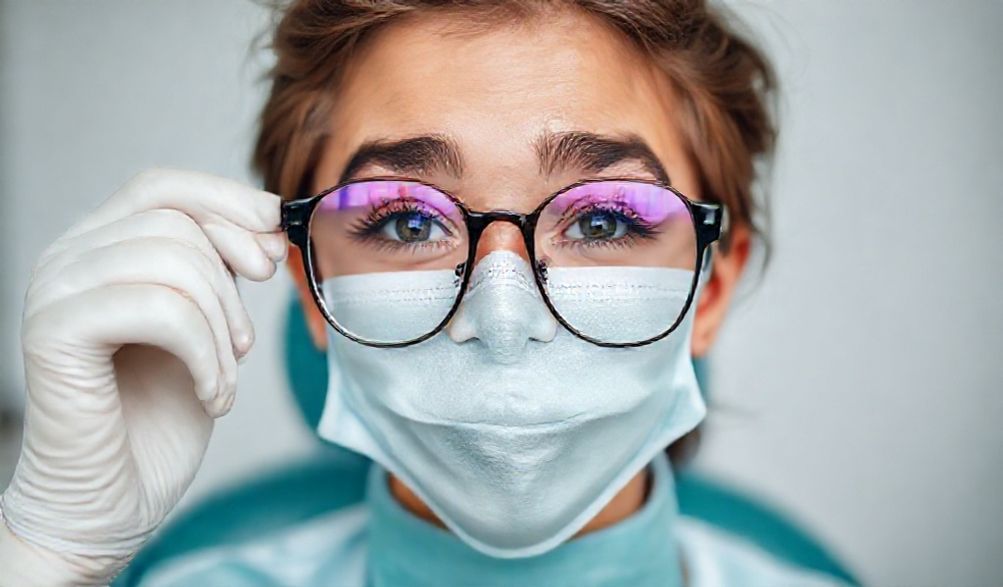
Dental Eyeglasses: A Complete Guide to Protective Eyewear for Oral Health Professionals
It happens in an instant. A sudden jerk from an anxious patient, the unexpected spray from an ultrasonic scaler, or the blinding flash of a curing light reflected off a mirror. For dental professionals, these aren’t just minor annoyances—they are daily occupational hazards. That moment of squinting, blinking away a fogged lens, or the fleeting worry after a close call is a universal experience in clinics worldwide. It’s a stark reminder that the eyes, our most critical diagnostic and operative tools, are perpetually on the front line.
This brings us to a piece of equipment often taken for granted: dental eyeglasses. Far from being a simple accessory or a fashion statement, they are a fundamental pillar of clinical safety and performance. Modern dental eyewear represents a sophisticated fusion of mandated personal protective equipment (PPE) and ergonomic technology designed to preserve vision, enhance precision, and project professionalism. Grounded in the stringent guidelines of organizations like the American Dental Association (ADA) and the Occupational Safety and Health Administration (OSHA), the right eyewear is non-negotiable for infection control and hazard prevention.
This comprehensive guide is designed for every member of the dental team—from seasoned surgeons and hygienists to clinical assistants and students. We will dissect the compelling reasons dental-specific eyewear is essential, break down the key features that matter, and provide tailored recommendations for different roles. Our goal is to empower you to make an informed choice, transforming your eyewear from a basic compliance item into a tool that actively supports your health, your work, and the trust your patients place in you.
Why Dental Eyeglasses Are Non-Negotiable PPE
In the dynamic environment of a dental operatory, the eyes are vulnerable to a unique combination of threats. General safety glasses might suffice for a workshop, but the dental field demands specialized protection. Understanding these hazards underscores why dedicated dental eyeglasses are a critical investment.
Protection Against Physical Hazards
The mouth is a confined space where high-speed instruments are the norm. This creates a constant risk of projectile injuries.
* Projectile Particles: Tooth fragments, old filling materials (like amalgam), calculus, and even broken instrument tips can become airborne during drilling, scaling, or extraction procedures.
* Accidental Impact: A sudden patient movement, a slip of the hand, or an instrument being passed can easily lead to direct contact with the eye area. Dental frames are built to be impact-resistant, creating a crucial physical barrier against these blunt trauma risks.
Defense Against Chemical and Biological Splash
This is perhaps the most significant and omnipresent hazard in dentistry. The generation of aerosols and splatter is unavoidable.
* Aerosols and Splatter: These fine mists contain a potent mix of saliva, blood, microorganisms, and gingival crevicular fluid. Without proper protection, this exposes the conjunctiva (the mucous membrane of the eye) to potential pathogens, including viruses and bacteria.
* Chemical Disinfectants: Splashes from cleaning solutions, etchants, or bleaching agents can cause significant chemical irritation or injury.
* The Role of Design: This is where the design of dental eyeglasses proves superior to standard glasses. Integrated side shields or a wrap-around, full-perimeter seal are essential. They prevent splash from entering from the sides, top, or bottom, offering true 360-degree protection.
Shielding from Harmful Optical Radiation
Dental procedures expose clinicians to specific light sources that can have cumulative damaging effects.
* Curing Light (Blue Light): Prolonged, direct, or reflected exposure to the high-intensity blue light from LED curing lights has been linked to potential retinal damage over time. It can also cause temporary “curing light glare,” a blinding afterimage that disrupts vision and workflow.
* UV Light: Some older curing units and other dental equipment may emit ultraviolet radiation. Specialized tints or coatings in dental lenses can filter out these harmful wavelengths, protecting long-term ocular health.
Compliance and Legal Responsibility
Safety is not just a best practice; it’s a legal requirement.
* OSHA Standard 29 CFR 1910.133: This regulation mandates that employers must provide appropriate eye and face protection to employees “whenever it is necessary to protect against chemical, environmental, radiological or mechanical irritants and hazards.” The dental operatory clearly qualifies.
* Employer Liability: Employers are responsible for conducting a hazard assessment, selecting the proper PPE (like dental eyeglasses), providing it at no cost to employees, and ensuring staff are trained on its use and care. Failure to do so can result in significant fines and liability in the event of an injury.
Key Features to Look for in Dental Eyeglasses
Not all protective eyewear is created equal. When selecting dental eyeglasses, specific features transform them from a basic shield into a high-performance tool. Here’s what to prioritize.
Lens Types and Technologies
The lenses are the heart of your eyewear, and their treatments are crucial for clinical clarity.
* Anti-Fog Coating: This is arguably the most important feature. Fogging occurs due to the temperature difference between your face and the operatory environment, and from your breath, especially when wearing a mask. A high-quality, permanent anti-fog coating maintains a clear field of vision during lengthy procedures and, just as importantly, when speaking with patients, ensuring your eyes remain visible and engaged.
* Anti-Reflective (AR) Coating: Overhead dental lights are intensely bright. AR coating minimizes glare and reflections from these lights off the back of your lenses, drastically reducing eye strain and fatigue over a long clinical day.
* Tint Options:
* Clear: Ideal for general use and for maintaining natural color perception.
* Yellow/Amber: Enhances contrast and depth perception, which can be particularly helpful during procedures like scaling or identifying caries.
* Blue-Light Filtering: Features a subtle tint that specifically filters the high-energy blue light from curing lights, protecting retinal health.
* Prescription vs. Plano: Quality dental eyeglasses are available in both non-prescription (plano) and prescription options. For those requiring vision correction, investing in prescription dental lenses with all the protective coatings is essential for optimal performance and safety.
Frame Design and Fit
Comfort is protection. If eyewear is uncomfortable, it will be adjusted, removed, or misused.
* Full Perimeter Seal vs. Side Shields: Goggle-style glasses with a soft, flexible seal offer the highest level of splash and aerosol protection. Glasses with attached solid side shields are also effective and often more lightweight and breathable. The choice depends on your risk assessment and personal comfort.
* Adjustability: Look for adjustable nose pads and temple arms. This allows for a customized, secure fit that prevents slipping, doesn’t pinch, and maintains a proper protective seal, especially when looking down.
* Lightweight Materials: Frames made from materials like titanium, TR-90 (a flexible, durable nylon), or other proprietary polymers offer all-day comfort without sacrificing durability.
* Compatibility: For dentists and hygienists, compatibility with dental loupes is paramount. Many frames are designed with specific mounting points or a shape that accommodates loupe systems. Ensure your eyewear and magnification system work in harmony.
Durability and Maintenance
Dental eyewear faces a harsh life of repeated disinfection and physical stress.
* Scratch-Resistant Lenses: A hard coating helps maintain optical clarity by resisting scratches from cleaning, storage, or accidental contact.
* Easy-to-Clean & Disinfectable: The frame and lenses must withstand daily cleaning with disinfectant wipes (typically isopropyl alcohol-based) without degrading, cracking, or having their coatings damaged. Always follow the manufacturer’s guidelines.
* Construction Quality: Reinforced hinges, sturdy frame welds, and robust temple arms ensure the glasses hold up to frequent use and on/off cycles.
Choosing the Right Dental Eyeglasses for Your Role
The “best” dental eyeglasses depend on your specific tasks and challenges within the practice.
For the Dentist & Surgeon
- Priority: Uncompromising visual clarity and loupe integration.
- Recommendation: High-end frames specifically designed for loupe mounting. Prioritize exceptional anti-fog and anti-reflective coatings to maintain a perfect view during precise surgical and restorative work. A full-seal design may be preferred for surgical procedures with higher splash risk.
For the Dental Hygienist
- Priority: All-day comfort and superior splash/fog defense.
- Recommendation: Lightweight, adjustable frames that remain comfortable during repetitive scaling and patient education. Anti-fog coating is critical due to close patient proximity and aerosol generation from ultrasonics. A wrap-around or side-shield design is essential for continuous protection.
For the Dental Assistant and Lab Technician
- Priority: Durability and reliable basic protection.
- Recommendation: Durable, cost-effective models that can withstand frequent cleaning and the varied tasks of chairside assisting (suctioning, mixing materials) and lab work. Easy on/off functionality and a comfortable fit for dynamic movement are key.
For the Dental Student
- Priority: Building lifelong safety habits with affordable, effective protection.
- Recommendation: Look for student packages or mid-range models that include core features: reliable side protection, a good anti-fog coating, and a comfortable fit. This is the time to establish the standard that your eyes are always protected, in every pre-clinical and clinical setting.
Beyond Safety: The Ergonomic and Professional Benefits
While protection is the primary function, high-quality dental eyeglasses deliver significant secondary benefits that impact well-being and practice success.
Reducing Eye Strain and Fatigue
The combination of bright lights, digital screens (patient records, radiographs), and prolonged focus on small details is a recipe for eye strain. Eyewear with AR coating reduces glare, while proper fit and lens quality minimize the need for squinting and awkward head positions. This can directly reduce headaches, neck strain, and overall procedural fatigue, helping you stay focused and fresh.
Enhancing Visual Clarity and Precision
This is where features like yellow contrast-enhancing tints or superior optical-grade lenses make a tangible difference. By filtering specific light wavelengths, they can improve the distinction between tooth structures, soft tissue, and calculus, leading to more accurate diagnoses and more meticulous treatment.
Building Patient Trust and Professionalism
Patients are acutely aware of safety protocols. Modern, well-maintained dental eyeglasses signal a commitment to infection control and a meticulous, professional approach. Clear, non-fogged lenses allow for better eye contact, fostering communication and trust. Conversely, scratched, ill-fitting, or absent eyewear can unconsciously undermine patient confidence in your practice standards.
FAQ Section
Q: Are regular safety glasses okay for dental work?
A: While they offer basic impact protection, dedicated dental eyeglasses are superior. They are specifically engineered for the unique combination of splash, fog, and optical radiation hazards in dentistry. They typically offer better peripheral protection (side shields/seals) and essential lens coatings (anti-fog, AR) that general safety glasses lack.
Q: How often should I replace my dental eyeglasses?
A: Replace them immediately if the lenses become deeply scratched, pitted, or cracked, or if the frame is damaged, as this compromises protection. Even with perfect care, consider replacing them every 1-2 years. Over time, anti-fog and other coatings can degrade with repeated cleaning, and materials can fatigue, reducing effectiveness and comfort.
Q: Can I get prescription dental eyeglasses?
A: Absolutely. Most reputable suppliers of dental eyeglasses offer prescription services. You can get lenses made to your exact prescription with all the necessary protective coatings (anti-fog, AR, etc.). It is a worthwhile investment for clinicians who require vision correction to perform at their best.
Q: What’s the best way to clean and disinfect them?
A: First, rinse under lukewarm water to remove debris. Apply a small drop of mild, lotion-free soap and gently rub with your fingers. Rinse thoroughly and pat dry with a soft, lint-free cloth. For disinfection, use only wipes or solutions recommended by the manufacturer (usually 70% isopropyl alcohol wipes). Avoid paper towels, shirt sleeves, or harsh chemicals like bleach, which can destroy lens coatings.
Q: Who is responsible for providing dental eyeglasses in a practice?
A: The employer. Under OSHA regulations, it is the employer’s responsibility to perform a hazard assessment and provide appropriate, properly fitting PPE—including dental eyeglasses—to all employees at no cost. Employees are responsible for using and caring for the PPE properly.
Conclusion
Dental eyeglasses are far more than a simple compliance checkbox. They are a fundamental component of a safe, efficient, and modern dental practice. They serve as a silent guardian against a triad of physical, biological, and optical hazards, preserving your most vital clinical asset—your vision. Simultaneously, through ergonomic design and advanced lens technology, they become a tool that enhances visual precision, reduces occupational fatigue, and supports a long, healthy career.
Choosing the right eyewear is an investment in your personal well-being and professional capability. It reflects a deep understanding of the science behind dental practice and an ethical commitment to the highest standard of patient care. We encourage you to take a moment to audit your current eyewear. Check for scratches, degraded coatings, or poor fit. Consult with your dental supply representatives to explore the latest options tailored to your specific role. Prioritize your ocular health with the same diligence you apply to hand hygiene and sterilization protocols. Your eyes, your patients, and your practice will thank you for it.
p>