
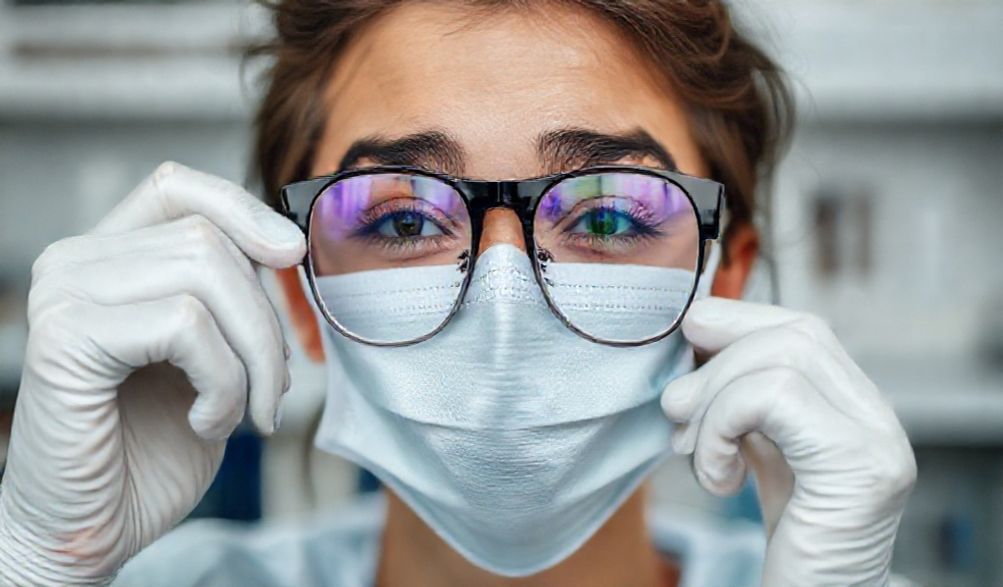
Dental Glasses: A Clear Guide to Protective Eyewear for Dental Professionals & Students
Introduction
Imagine this: you’re leaning over the operatory, focused on a minute margin prep. Your handpiece whirs, water spray mists the air, and a tiny fragment of old composite flicks upward. Without a second thought, you blink. But what if that blink wasn’t fast enough? In the high-stakes, detail-oriented world of dentistry, clear and protected vision isn’t just an advantage—it’s an absolute necessity for safety, precision, and professional longevity.
This guide is designed to be your definitive resource on dental glasses. Whether you’re a seasoned practitioner, a clinical student, or a dental assistant, understanding this critical piece of personal protective equipment (PPE) is non-negotiable. We’ve consolidated insights from industry safety standards, the real-world experiences of dental professionals, and infection control protocols to answer your core questions: What exactly are dental glasses? Why are they so essential? What types are available, and crucially, how do you choose the right pair for your specific needs?
We’ll explore the undeniable importance of eye protection, break down the different types of glasses and magnification systems, provide a practical buyer’s checklist, and outline proper care protocols. Consider this your comprehensive roadmap to seeing clearly and working safely.
Why Dental Glasses Are Essential: More Than Just Eye Protection
Before considering style or magnification, it’s vital to understand the “why.” Regulatory bodies like the Occupational Safety and Health Administration (OSHA) in the United States and the Centers for Disease Control and Prevention (CDC) are unequivocal: appropriate eye protection is mandatory in clinical settings. This isn’t bureaucratic red tape; it’s a fundamental standard born from the very real hazards present in every dental operatory. Dental glasses are your primary defense against a range of occupational dangers.
Protection Against Physical Hazards
The dental environment is dynamic, with high-speed instruments generating significant force. Physical threats are constant:
* Flying Debris: Tooth fragments, pieces of old amalgam or composite, fractured calculus, and even broken burs can become dangerous projectiles.
* Aerosols and Splatter: The combination of ultrasonic scalers, high-speed handpieces, and air-water spray creates a visible cloud of splatter and an invisible plume of aerosols that can carry solid particles directly toward your face.
* Chemical Splashes: Disinfectants, etching gels, bleaching agents, and impression materials can accidentally splash, posing risks of both injury and significant irritation.
Basic safety glasses with side shields form a crucial barrier, preventing these materials from causing corneal abrasions, blunt trauma, or chemical burns to the eyes.
Defense Against Biological Contaminants
This is where dental glasses transition from safety equipment to essential infection control. The aerosols and splatter mentioned above aren’t just water and tooth dust; they are a biohazard cocktail of saliva, blood, and potentially pathogenic microorganisms. Procedures like scaling, cavity preparation, and surgical extractions generate these contaminants. Protective eyewear with solid side shields acts as a physical barrier, preventing these fluids and aerosols from contacting the mucous membranes of your eyes, thereby drastically reducing the risk of exposure to bloodborne pathogens like Hepatitis B, Hepatitis C, and HIV.
Enhancing Visual Precision and Reducing Fatigue
Beyond pure protection, modern dental glasses—particularly those with magnification—are powerful ergonomic and performance tools. Dental procedures require exceptional visual acuity for long periods, often in awkward, static postures.
* Magnification (Loupes): By bringing the operative field closer and into clearer focus, loupes allow you to see fine details—a marginal gap, a hidden canal, a subtle crack—without straining. This enables more accurate, higher-quality dentistry.
* Improved Posture: To see clearly without magnification, clinicians often hunch and crane their necks forward. Loupes encourage a more upright, neutral spine position by bringing the image to you. This reduction in forward head posture is a primary defense against chronic neck and back pain, which is prevalent in the profession.
* Reduced Eye Strain: Anti-reflective coatings and proper optical clarity minimize glare and visual noise. When combined with magnification, your ciliary muscles don’t have to work as hard to focus, reducing fatigue during long procedures and throughout your clinical day.
Types of Dental Glasses: Finding the Right Fit for Your Practice
Not all dental glasses are created equal. The right choice depends heavily on your role, procedures, and clinical needs. Let’s navigate the options from basic protection to advanced optical systems.
Basic Safety Glasses (Side Shield Glasses)
- Description: These are the foundational level of eye protection. They resemble everyday glasses but are constructed from impact-resistant materials (like polycarbonate) and feature permanent or removable side shields that provide wrap-around protection from lateral splatter.
- Best For: Dental assistants, hygienists, and lab technicians who need reliable barrier protection. They are also an excellent and cost-effective starting point for dental students in introductory simulation and clinical courses. They offer essential protection without the complexity or cost of magnification.
Magnification Loupes (Dental Surgical Loupes)
- Description: These are the workhorses for most practicing dentists and many hygienists. They integrate telescopic lenses into a glasses frame, providing both protection and magnified vision. They come in two main optical designs:
- Galilean Systems: Typically offer lower magnification (2x-3.5x) with a larger field of view and greater depth of field. They are lighter, more affordable, and a common entry point.
- Prismatic (Keplerian) Systems: Provide higher magnification (3.5x-8x+) with exceptional clarity and a wider, flatter field of view. They are generally heavier and more expensive but are preferred by specialists and those requiring high levels of detail.
- Key Considerations: Magnification, Field of View, and Working Distance
- Magnification Power: More isn’t always better. Start lower (2.0x-2.5x) to adapt. Higher power requires a steadier hand and has a smaller field of view.
- Field of View (FOV): The width of the area you can see through the lenses. A larger FOV at a given magnification is generally preferable for situational awareness.
- Working Distance: The distance from your eye to the operative field. This is critically important and must be custom-measured during a fitting based on your posture. An incorrect working distance will force you into poor ergonomics, defeating a primary benefit of loupes.
Dental Microscopes & High-Magnification Systems
- Description: Representing the pinnacle of visual enhancement, operating microscopes are free-standing units that provide powerful, adjustable magnification (often 4x to 40x) with brilliant coaxial illumination.
- Best For: Specialists in endodontics, periodontics, and restorative dentistry where micro-level precision is paramount. They offer unparalleled visualization of root canal systems, furcations, and marginal integrity. While not “glasses” per se, clinicians using microscopes still often wear basic safety glasses for protection when not looking through the oculars.
How to Choose the Best Dental Glasses: A Buyer’s Checklist
Investing in dental glasses is investing in your health and career. This checklist will help you make an informed, practical decision focused on safety, comfort, and clinical utility.
Assess Your Clinical Requirements
Start by asking yourself:
1. What procedures do I primarily perform? A general dentist doing restorative work has different needs than an oral surgeon or an orthodontist.
2. Do I need magnification? If your work involves fine detail (preps, impressions, suturing), the answer is likely yes. Consider starting with a reputable entry-level loupe system.
3. What is my budget? Prices range from ~$50 for basic safety glasses to several thousand dollars for custom, high-end prismatic loupes. Balance cost with the expected benefits to your practice and physical well-being.
Evaluate Key Features
Once you know your needs, scrutinize the specs:
* Lens Material: Polycarbonate is the industry standard for impact resistance. Trivex is a premium alternative offering similar strength with better optical clarity and lighter weight.
* Coatings (Non-Negotiable):
* Anti-Fog: Essential in the humid operatory environment. Look for permanent, dual-pane (laminated) solutions or high-quality applied coatings.
* Anti-Scratch: Protects your investment from daily wear and cleaning.
* Anti-Reflective: Reduces glare from operatory lights, improving visual comfort and reducing eye strain.
* Fit and Comfort: You’ll wear these for hours. Look for:
* Adjustable nose pads and temple arms for a personalized, secure fit.
* Lightweight frames to minimize pressure points.
* Well-balanced weight distribution to prevent slipping.
* Prescription Compatibility: If you wear corrective lenses, you have options: 1) Custom prescription lenses ground into the loupe system itself (most integrated solution). 2) Inserts that clip behind non-Rx loupe lenses. 3) Oversized safety glasses designed to fit comfortably over your regular glasses (least ideal for magnification).
Consider Hygiene and Maintenance
- How easy are the lenses and frame to clean? Smooth surfaces are better than complex crevices.
- Are the advertised coatings durable against repeated cleaning with appropriate disinfectants?
- Does the manufacturer/supplier offer replacement parts (lenses, nose pads, side shields)?
Care, Maintenance, and Safety Protocols for Dental Glasses
Your glasses are only as effective as their condition. Proper care ensures optimal performance, longevity, and continued safety. Follow these protocols to align with infection control best practices.
Daily Cleaning and Disinfection Routine
After each patient encounter:
1. Rinse gently under lukewarm tap water to remove gross debris.
2. Clean lenses and frame with a mild, lotion-free soap or a lens cleaner specifically designed for coated optics. Use a soft, lint-free microfiber cloth. Never use paper towels, tissues, or your lab coat, as they can scratch coatings.
3. Disinfect using an EPA-registered hospital-grade disinfectant wipe or spray that is safe for coated lenses. Crucially, avoid products with bleach or high alcohol content, as they can degrade anti-fog and other coatings over time. Follow the product’s contact time.
4. Dry thoroughly with a clean, soft cloth.
Proper Storage and Handling
- Always store glasses in a hard, protective case when not in use. Never place them lens-down on any surface.
- In the operatory, establish a safe, clean area (like a designated shelf) to place them during brief removals.
- Avoid exposing them to extreme heat (e.g., leaving them on a car dashboard), which can warp frames and damage lenses.
Regular Inspection and Replacement
- Weekly: Hold your glasses up to the light and inspect lenses for scratches, pitting, or peeling coatings. Any significant defect that distorts vision means the glasses are no longer safe.
- Immediate Replacement: Replace your glasses immediately if lenses are cracked, deeply scratched, or if the frame is broken or bent, compromising the fit and seal.
- Planned Replacement: Even with perfect care, the effectiveness of anti-fog and other coatings diminishes over 2-3 years. Consider this a standard renewal cycle for optimal performance.
Frequently Asked Questions (FAQ) About Dental Glasses
Q1: Are dental glasses different from regular safety glasses?
A: Yes. While both must meet impact-resistance standards (like ANSI Z87.1), dental glasses are specifically engineered for the dental operatory. They often prioritize features like superior anti-fogging (for the moist environment), compatibility with loupes and headlamps, and designs that minimize interference with other PPE like masks and face shields.
Q2: Can I wear contact lenses with dental glasses or loupes?
A: Yes, you can. However, contact lenses are not PPE. They provide zero barrier against splashes, impact, or aerosols. Protective dental glasses must always be worn over contact lenses to ensure complete ocular safety.
Q3: How often should I replace my dental glasses?
A: Follow the “inspect and replace” rule. Replace them immediately if lenses are scratched/pitted, coatings are failing, or the frame is damaged. As a general guideline, plan to replace them every 2-3 years due to normal wear and the gradual degradation of essential lens coatings.
Q4: Are there stylish or fashionable options for dental glasses?
A: Absolutely. The days of bulky, unattractive safety glasses are over. Most manufacturers now offer a wide array of modern, lightweight frames in various colors, shapes, and finishes. Safety and function are paramount, but you can certainly find an option that reflects your personal style.
Q5: Where can I get prescription dental glasses or loupes?
A: They are specialized equipment. You can obtain them through:
* Dental supply companies and their representatives.
* Optical companies that specialize in medical-professional eyewear.
* Directly from loupe manufacturers (many offer online fitting guides and consultations).
The process typically requires a current prescription from your optometrist and a professional fitting—often involving measuring your pupillary distance (PD) and critical working distance.
Conclusion
Dental glasses are far more than an accessory; they are a fundamental pillar of professional practice. They shield you from immediate physical and biological dangers, enhance your clinical precision through magnification and clarity, and protect your long-term musculoskeletal health by promoting better posture. Choosing the right pair is a significant decision with direct implications for your safety, career satisfaction, and the quality of care you provide.
As a final, critical piece of advice: always prioritize certified, high-quality products. Look for markings indicating they meet ANSI Z87.1 (or an equivalent international standard) for impact resistance. This certification is your assurance of basic safety.
We encourage you to use this guide as a reference point. Consult with experienced colleagues, speak with reputable suppliers who offer professional fittings, and engage with your institution’s safety officer. Investing time in selecting the perfect dental glasses is, unequivocally, an investment in yourself and your patients.
p>