
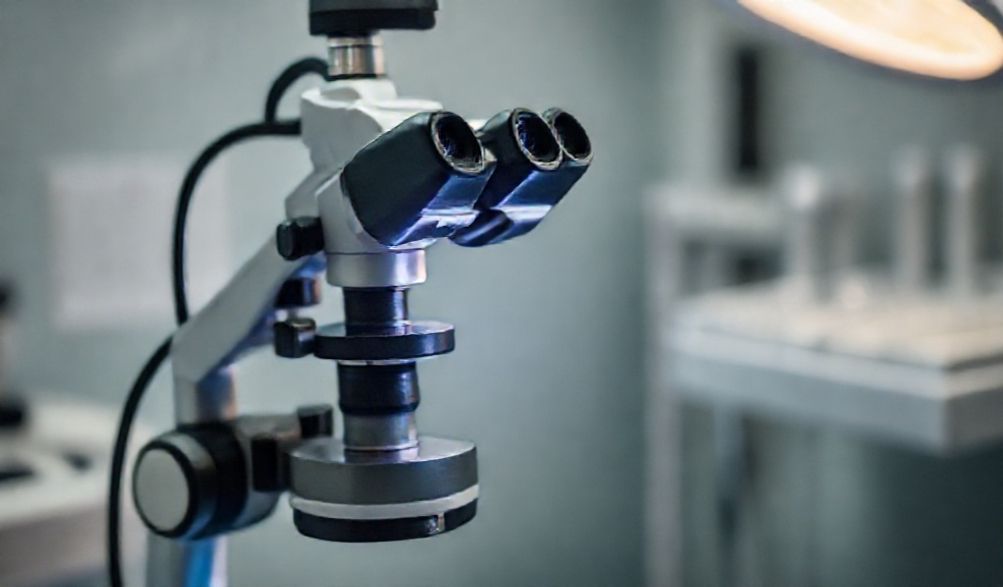
Dental Loupes with Light: The Ultimate Guide to Enhanced Vision, Ergonomics, and Precision
It’s halfway through your afternoon column, and a familiar ache is setting in. Your neck is stiff from craning forward, your shoulders are creeping toward your ears, and a dull throb is building behind your eyes as you squint into a shadowy distal box. You’re relying on the overhead light and your own intense focus, but the fine details—the subtle difference between stained fissure and early caries, the precise endpoint of a subgingival margin—are a strain to see. This daily struggle isn’t just uncomfortable; it’s limiting your clinical potential and quietly chipping away at the longevity of your career.
What if the solution wasn’t just to “try harder,” but to see better? Enter dental loupes with light, the transformative tool that has evolved from a niche accessory to a standard of modern, high-precision dentistry. This isn’t merely about magnification; it’s about integrating crystal-clear vision with brilliant, shadow-free illumination to create a complete system for superior clinical outcomes, sustainable ergonomics, and unparalleled procedural confidence.
This guide is designed to cut through the marketing jargon. Drawing on clinical principles, expert insights, and technical realities, we’ll provide an authoritative roadmap to help every dental professional—from the discerning student to the seasoned practitioner looking to upgrade—make a truly informed investment. You will learn not only why dental loupes with an integrated LED light are considered essential, but how to choose the right set for your unique needs, understand the critical features that matter, and implement best practices to maximize your return on investment for years to come.
Why Dental Loupes with Light Are a Standard of Modern Care
The adoption of dental loupes has moved far beyond trendiness. Today, they represent a fundamental shift in how care is delivered, rooted in tangible benefits for both the clinician and the patient. When you add a dedicated, integrated light source to the equation, these benefits are not just added—they are multiplied.
Beyond Magnification: The Synergy of Vision and Illumination
Magnification alone is only half the battle. Bringing an object closer with lenses is futile if it remains shrouded in the shadows cast by your head, hands, and instruments. An integrated light source completes the system.
- Clinical Precision: The synergy is profound. The light delivers bright, even illumination directly into the operating field, eliminating shadows that can obscure critical anatomy. This allows for:
- Improved Caries Detection: Differentiating between stain, demineralization, and active decay becomes significantly more accurate, promoting minimally invasive dentistry.
- Superior Margin Visualization: Whether preparing or finishing a restoration, seeing the exact interface between tooth and material is paramount for longevity and periodontal health.
- Enhanced Soft Tissue Assessment: Subtle changes in color, texture, and contour of the gingiva are more apparent, aiding in diagnosis and monitoring.
The Critical Ergonomics Advantage: Protecting Your Most Valuable Asset
Your physical well-being is the foundation of your career. Chronic neck and back pain are pervasive issues in dentistry, often stemming from poor, forward-leaning posture adopted to see better.
Dental loupes with light are the most effective ergonomic intervention you can adopt. By providing a clear, magnified image of your work area, they allow you to sit upright with your spine in a neutral position. Your patient comes into your field of view, not the other way around. This proper posture dramatically reduces the strain on your cervical spine, trapezius muscles, and lower back, directly combating the musculoskeletal disorders (MSDs) that cut careers short. Investing in loupes is an investment in your ability to practice pain-free for decades.
Elevating Patient Care and Communication
The benefits extend directly to the patient experience. Enhanced visualization leads directly to more accurate diagnoses and higher-quality, more conservative treatments. Furthermore, dental loupes with a light become a powerful patient education tool. With a simple intraoral camera adapter or even by having the patient look through the loupes (with a flip-up style), you can show them exactly what you see: a hairline crack, subgingival calculus, or the precise margin of their new crown. This visual evidence builds trust, improves case acceptance, and fosters a collaborative approach to oral health.
Key Features to Consider When Choosing Your Loupes with Light
Navigating the specifications can be daunting. Understanding these core features will empower you to choose a system that fits your clinical life perfectly.
Magnification & Working Distance: Finding Your Sweet Spot
- Magnification: Ranges typically start at 2.5x (excellent for hygiene and general procedures) and go up to 6x or higher for endodontics and microsurgery. Higher magnification offers greater detail but comes with a smaller field of view and reduced depth of field. For most general practitioners, 3.0x to 4.5x provides an ideal balance.
- Working Distance: This is the critical distance from your eyes to your patient’s mouth when you are in a correct, upright posture. It is unique to you and must be measured accurately during a professional fitting. A distance that’s too short will force you to hunch; too long will cause you to lean back and lose stability.
Understanding Optical Quality: Field of View, Depth of Field, and Resolution
Don’t just buy “magnification.” Buy clarity.
* Field of View: The width of the area you can see through the lenses. A wider field is generally more comfortable and situational.
* Depth of Field: The range of distance that remains in clear focus without needing to move your head. Greater depth of field reduces constant refocusing and eye strain.
* Resolution & Lens Systems: Premium dental loupes use multi-lens systems. Galilean (2-lens) systems are lighter and good for lower magnifications. Prismatic (Keplerian) systems use prisms to fold the light path, allowing for higher magnifications with superior depth of field and a wider, flatter field of view, though they are slightly heavier.
The Lighting System: LED Types, Color Temperature, and Battery Life
The light is not an accessory; it’s a core component.
* LED Type & Positioning: Coaxial lighting (where light travels down the same optical path as your vision) is the gold standard, providing truly shadow-free illumination. Peripheral lights mounted on the frames can create shadows from instruments.
* Color Temperature: Measured in Kelvins (K). A light around 5500K is considered “daylight white” and provides the most accurate color rendition of oral tissues, composites, and tooth structure, which is vital for aesthetic work.
* Battery Life & System: Look for a lightweight, rechargeable lithium-ion (Li-ion) battery pack. Modern systems offer 6-10+ hours of runtime on a medium setting—enough for a full clinical day. Convenient charging docks and quick-swap batteries are major quality-of-life features.
Frame, Fit, and Comfort: The Wearability Factor
If they aren’t comfortable, you won’t wear them.
* Frame Styles: Through-the-Lens (TTL) loupes have the magnification lenses permanently mounted, offering a lighter weight and a more customized, streamlined look. Flip-Up loupes have a movable magnifier, allowing you to look over them without removing the frame, which some find convenient for patient interaction.
* Fit: This is non-negotiable. A professional fitting ensures correct pupillary distance, proper declination angle (how much the lenses tilt downward), and overall balance. The frame should feel secure but not tight, with no pressure points.
Step-by-Step Guide to Selecting Your First or Next Pair
Self-Assessment: Analyzing Your Clinical Needs and Procedures
Start by asking yourself:
* What procedures do I perform most (e.g., restorative, perio, endo, surgery)?
* How many clinical hours do I work per day?
* Do I currently experience neck, back, or eye strain?
* Do I wear prescription glasses?
* What is my primary goal: ergonomics, precision, or both?
The Fitting Process: Why It Can’t Be Skipped
Never buy loupes online without a fitting. A reputable company will send a representative who will:
1. Measure your interpupillary distance (PD).
2. Help you determine your ideal working distance in your typical operatory posture.
3. Let you try different magnifications and frame styles.
4. Adjust the frame for a perfect, comfortable fit.
This process is crucial for reaping the ergonomic benefits.
Budgeting and Evaluating Cost vs. Long-Term Value
A high-quality set of dental loupes with an LED light is a significant investment, often ranging from $1,000 to over $3,000. Reframe this cost: it is not an expense for a tool, but an investment in your physical health, clinical skill, and career longevity. Consider the cost of even one missed diagnosis or one repetitive strain injury. The value lies in decades of improved work quality, reduced physical wear, and greater professional satisfaction.
Maximizing Your Investment: Use, Maintenance, and Best Practices
The Adaptation Period: Tips for Getting Comfortable
Your brain and hands need time to adjust to the new visual-motor coordination. Start by wearing them for short, simple tasks like exams or supragingival scaling. You may experience slight dizziness or “fishbowl” effect initially; this usually passes within a few days to a week of consistent use. Persist through this period—the long-term benefits are worth it.
Daily Care and Maintenance Routine
- Lenses: Clean only with the provided microfiber cloth and lens spray (or mild soap and water). Never use paper towels or clothing, which can scratch coatings.
- Light Source: Gently wipe the light guide or lens with an alcohol wipe to remove debris. Avoid touching the LED itself.
- Battery: Follow the manufacturer’s instructions. A good habit is to place the light battery on its charger at the end of each day, just like your electric handpieces.
Troubleshooting Common Issues
- Fogging: Ensure the lenses are clean. Anti-fog sprays or wipes can help. Sometimes, adjusting your mask to direct breath downward solves the issue.
- Eye Strain/Headache: This often indicates an incorrect fit (PD or declination angle). Contact your supplier for a re-assessment.
- Light Dim or Flickering: Check connections and ensure the battery is fully charged. If problems persist, contact the manufacturer.
Frequently Asked Questions (FAQ) About Dental Loupes with Light
Q: Are dental loupes with light worth the cost for a new graduate?
A: Absolutely. In fact, starting your career with them is one of the smartest decisions you can make. It establishes proper ergonomics from day one, accelerates your skill development by allowing you to see fine detail clearly, and protects your physical health for the long haul. Many now consider them as fundamental as a high-speed handpiece.
Q: Can I add a light to my existing loupes?
A: Sometimes, but proceed with caution. Some manufacturers offer aftermarket light kits for their own frames, and third-party universal mounts exist. However, an integrated system designed from the outset ensures optimal weight balance, perfect light alignment with your visual axis, and often better durability. Consult your original loupes provider first.
Q: What is the typical battery life, and how do I know when to recharge?
A: Modern Li-ion batteries in quality systems typically provide 6 to 10 hours of bright, consistent light on a single charge. The best practice is to make charging part of your daily shutdown routine. Place the light on its dock after your last patient, ensuring it’s ready to go the next morning. Most units have an indicator light for charge status.
Q: How often do I need to replace my dental loupes?
A: With proper care, a high-quality pair can last 5-10 years or more. Reasons for replacement are usually not due to failure, but to evolution: a significant change in your eyeglass prescription, a desire to move to a different magnification level, or upgrading to newer optical/lighting technology.
Q: Do loupes with light cause more eye strain?
A: Quite the opposite. Properly fitted loupes with a high-quality, shadow-free light source dramatically reduce eye strain. They eliminate the constant struggle of your eye muscles to focus and accommodate in poor, inconsistent lighting. The clear, bright, and stable visual field allows your eyes to work in a relaxed state.
Conclusion
Dental loupes with light represent far more than a piece of equipment; they are a foundational pillar of modern, responsible dental practice. The combination of precision optics and integrated illumination is a powerful catalyst for improved clinical outcomes, sustainable ergonomics, and enhanced patient communication. As we’ve explored, the key to unlocking these benefits lies in understanding the synergy of features—from optical quality and light characteristics to a flawless, personalized fit.
Choosing the right set is a deeply personal professional decision. It should be guided not by brand name alone, but by a clear assessment of your clinical workflow and a commitment to a proper fitting from an experienced, trusted supplier. This investment is a direct investment in the future of your career—a future marked by greater confidence, unparalleled precision, and the physical well-being to enjoy your profession for years to come.
Take the next step. Schedule a consultation with a reputable loupes company to experience the difference firsthand. Speak to colleagues about their experiences. Most importantly, listen to your own body and your clinical aspirations. The path to a clearer, brighter, and healthier practice is now in full view.
p>