
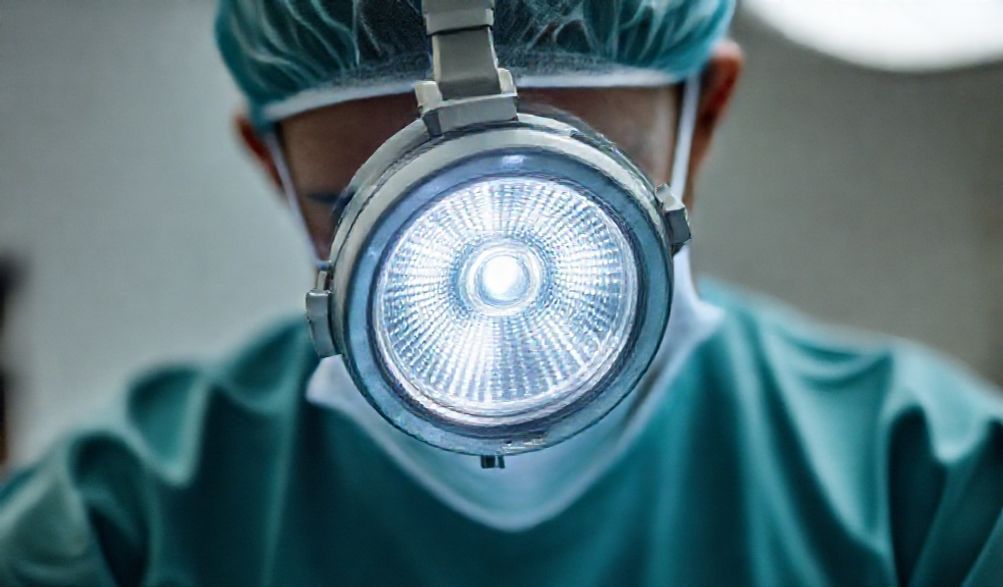
The Essential Guide to Surgeon Headlights: Enhancing Precision, Safety, and Outcomes
In the high-stakes theater of surgery, vision is everything. The ability to clearly differentiate between tissue planes, identify a bleeder nestLED in a deep cavity, or precisely place a suture can define the line between complication and cure. Yet, for all our technological advancements—robotic assistants, high-definition screens, and advanced imaging—the quality of this vision often hinges on a fundamental, personal tool: the surgeon headlight. Far more than a simple “light on the head,” a modern surgical headlight is a sophisticated instrument of illumination, engineered to become a seamless extension of the surgeon’s own senses. This guide delves beyond the basic specs to explore how the right surgeon headlight directly enhances precision, reduces fatigue, and contributes to superior patient outcomes. Whether you are a resident selecting your first system, an established surgeon seeking an upgrade, or a procurement specialist evaluating options, this comprehensive, evidence-based resource will equip you with the knowledge to make a truly informed decision.
Understanding Surgeon Headlight Technology: More Than Just Illumination
To choose wisely, one must first understand the engineering behind the beam. Today’s headlights are marvels of optical and ergonomic design, with each component playing a critical role in performance.
Core Components and How They Work
-
Light Source: The Heart of the System. The era of hot, inefficient halogen bulbs is over. Today, the debate is between LED (Light Emitting Diode) and Xenon.
- LED: The current industry standard for most applications. LEDs offer exceptional longevity (often 50,000+ hours), cool operation with minimal heat radiation to the surgeon’s forehead, and instant-on capability. They provide excellent energy efficiency, which is crucial for cordless systems. Modern LEDs can be finely tuned for optimal color temperature.
- Xenon: Known for producing an incredibly bright, white light with a superb Color Rendering Index (CRI). Historically favored in specialties like neurosurgery and spine for their intense, deep-penetrating beam. However, they have a shorter lifespan, generate significant heat, and require more power, often necessitating a fiber-optic cable connection.
-
Power & Connection: Freedom vs. Consistency. This choice defines your mobility in the OR.
- fiber optic cables: These systems use a remote light source (a “generator”) connected via a flexible fiber optic cable. They provide consistent, unwavering light output with no risk of battery failure mid-procedure. The trade-off is the physical tether of the cable, which can limit movement and require careful management to avoid snagging.
- Cordless/Battery Packs: Offering complete freedom of movement, these systems integrate a rechargeable battery pack, typically worn on the waist or belt. Advances in LED and battery technology have made cordless systems powerful and reliable enough for most procedures. The key consideration becomes battery life management and having a charged backup ready.
-
The Headpiece: Where Comfort Meets Precision. This is the interface between technology and the surgeon. A good headpiece must be:
- Lightweight and Balanced: To prevent neck strain during long cases.
- Highly Adjustable: For perfect alignment with your visual axis, whether you wear loupes or not.
- Secure and Comfortable: With padded straps or custom-molded options for all-day wear.
- Compatible: Designed to integrate seamlessly with surgical loupes, cameras, or other head-mounted devices.
-
Light Pattern and Focus: Not all beams are created equal. A quality surgeon headlight allows adjustment of the spot size—from a focused, pinpoint beam for microsurgery to a wider, homogeneous flood for open cavities. The goal is a “shadowless” light with even intensity across the entire field and a deep depth of field to keep structures in focus at varying depths.
Key Performance Metrics Explained
Deciphering the specifications is crucial:
* Lux and Lumen Output: Lumens measure the total amount of visible light emitted. Lux measures how intensely that light illuminates a specific area (lumens per square meter). For surgery, a high lux value at the working distance (e.g., 40,000+ lux at 400mm) is more meaningful than lumens alone, indicating a powerful, concentrated beam.
* Color Rendering Index (CRI): On a scale of 0-100, CRI measures a light’s ability to reveal the true colors of objects compared to natural sunlight. A high CRI (90+) is critical in plastic, reconstructive, and oncologic surgery for accurately assessing tissue perfusion, viability, and subtle color differences.
* Depth of Illumination: This refers to how well the light maintains intensity and focus as it penetrates into deep surgical cavities, a non-negotiable feature for specialties like spine and cranial surgery.
How to Choose the Right Surgeon Headlight: A Buyer’s Guide
Selecting a headlight is a personal and professional investment. The “best” system is the one that best fits your specific surgical practice.
Matching the Headlight to Your Surgical Specialty
- Neurosurgery & Spine: Prioritize maximum intensity and exceptional depth of illumination to visualize deep, narrow corridors. Shadow reduction is paramount. Xenon or high-power LED systems are common choices.
- Plastic, Reconstructive & Microsurgery: A very high CRI (95+) is essential for accurate tissue color assessment in flaps and grafts. A smooth, homogeneous beam with adjustable spot size supports delicate dissection and anastomosis work.
- ENT, Maxillofacial & Dental: Maneuverability and proximity are key. Lighter, cordless systems or those with slim cables are advantageous. The beam must be precise for working in confined anatomical spaces.
- General, Orthopedic, & Vascular Surgery: Versatility and comfort for long, varied procedures are critical. A robust LED system with good battery life, a comfortable headpiece, and a balance of spot and flood capabilities is often the ideal workhorse.
Critical Selection Factors
Beyond specialty, weigh these practical considerations:
1. Comfort & Ergonomics: You cannot perform your best if you’re distracted by an uncomfortable headlight. Test the weight distribution. Can you wear it with your loupes for 4+ hours without fatigue? Does it produce noticeable heat?
2. Battery Life & Management: For cordless models, ensure the rated runtime exceeds your longest common procedure. Consider systems with hot-swappable batteries or a dual-battery belt pack for uninterrupted power. What is the charge time?
3. Ease of Use & Sterilization: The headpiece and any in-field components must be easily cleanable and able to withstand hospital-grade disinfectants without degradation. Are cables durable and kink-resistant? Is the system intuitive to adjust mid-case?
4. Budget & Total Cost of Ownership: Look beyond the sticker price. Calculate the long-term costs: How often do bulbs/LEDs need replacement? What is the cost and lifespan of replacement batteries? Is a service contract available? A slightly more expensive but durable and efficient system often has a lower total cost over 5-10 years.
Best Practices for Using and Maintaining Your Surgical Headlight
A premium surgeon headlight is an investment that demands proper care to ensure peak performance and longevity.
Pre-Operative Setup and Calibration
Treat your headlight like a precision instrument. Before each case:
* Fit and Align: Don the headpiece and adjust it so the light beam is co-axial with your dominant eye’s line of sight. The spot should be centered in your field of view without conscious effort.
* Calibrate Focus: Adjust the focus ring to set the desired spot size and sharpness at your typical working distance. A smaller, sharper spot is for micro-work; a larger, softer spot is for general illumination.
* Perform a Systems Check: Verify battery charge (or cable connection). Briefly activate the light to ensure it’s functioning correctly before donning sterile gloves.
Maintenance, Cleaning, and Sterilization Protocols
Adherence to protocols is non-negotiable for patient safety and equipment life.
* Follow the IFU: Strictly adhere to the manufacturer’s Instructions for Use for cleaning and disinfection. The headpiece and any touchable components typically require wiping with an approved disinfectant. Never immerse components unless explicitly stated as safe.
* Handle Cables with Care: Fiber optic cables are fragile. Avoid sharp bends, kinks, or crushing. Store them coiled loosely. Inspect regularly for broken fibers, which appear as dark spots in the light circle.
* Optimize Battery Health: For lithium-ion batteries, avoid fully draining them regularly. Follow the manufacturer’s charging guidelines. Store batteries partially charged if not in use for extended periods.
* Schedule Professional Servicing: Like surgical loupes, headlights benefit from periodic professional inspection and calibration by the manufacturer or an authorized technician.
The Impact of Advanced Illumination on Surgical Outcomes
The right light does more than just illuminate; it actively enhances the surgical process and contributes to safer, more effective care.
Reducing Eye Strain and Surgeon Fatigue
Inadequate or poorly directed light forces the eye muscles and brain to work harder to resolve details, leading to visual and cognitive fatigue. A high-quality, properly aligned surgeon headlight delivers bright, shadow-reduced light directly onto the target, minimizing this strain. This preserves a surgeon’s visual endurance, helping maintain peak concentration and fine motor control throughout lengthy and complex procedures.
Enhancing Precision and Procedural Accuracy
Superior illumination translates directly to technical precision. Enhanced depth of field keeps more of the wound in clear focus simultaneously. Excellent shadow reduction eliminates visual obstructions, revealing hidden structures. In a microvascular anastomosis, for example, the ability to clearly see the vessel wall layers and suture placement under perfect light can be the difference between patency and thrombosis. This level of visual clarity supports meticulous dissection, accurate hemostasis, and ultimately, a more controlled and refined surgical execution.
Contributing to Patient Safety
At its core, improved visualization is a fundamental patient safety issue. A powerful and accurate surgeon headlight aids in the positive identification of critical anatomical landmarks and nerves, the early detection of small bleeding points, and the accurate assessment of tissue margins and viability. This contributes directly to reducing intraoperative errors, minimizing unintended tissue damage, and lowering the risk of post-operative complications like hematoma or inadequate resection.
The Future of Surgical Illumination
The evolution of the surgeon headlight is moving towards greater integration and intelligence.
* Integration with Digital & Augmented Reality (AR): Future systems may project vital data, pre-operative imaging, or anatomical overlays directly into the surgeon’s field of view, blending the physical and digital surgical worlds.
* Smart, Adaptive Lighting: Imagine a headlight that automatically adjusts its intensity and spot size based on the distance to the surgical field or the reflectivity of the tissue, providing constant optimal illumination without manual intervention.
* Next-Gen Power & Connectivity: Continued advances in battery density will extend cordless runtime. Wireless data transfer from head-mounted cameras or sensors will become more seamless.
* Data Capture & Analytics: The headlight could become a data node, capturing video of the procedure from the surgeon’s perspective for education, documentation, or integration with AI-powered surgical guidance platforms.
Frequently Asked Questions (FAQ)
Q: What is the typical lifespan of a surgeon headlight system?
A: It varies significantly. LED light engines can last 50,000 hours (effectively the life of the device). Xenon bulbs last 500-1000 hours. Battery packs typically retain good capacity for 2-4 years with proper care. Fiber optic cables can last for years if handled carefully but are susceptible to damage.
Q: Can I use my surgical loupes with any headlight?
A: Not automatically. You must ensure compatibility. Most quality headlights offer universal or brand-specific mounting brackets for popular loupe frames. The combined weight and balance are crucial—test the setup for comfort before purchasing.
Q: How do I properly clean and disinfect the headlight without damaging it?
A: This is critical. Always follow the manufacturer’s IFU. Generally, the headpiece can be wiped down with a hospital-grade disinfectant wipe. Cables and battery packs should only be cleaned with a damp cloth. Never autoclave or immerse components unless the IFU explicitly states it is safe to do so.
Q: Is a cordless (battery-powered) system as reliable as a fiber optic one?
A: For the vast majority of modern surgical procedures, yes. High-end cordless LED systems now provide extremely consistent, high-intensity light for a full surgical day. The reliability concern has shifted from light quality to battery management—having a charged backup is the new standard of care, just as with fiber optic systems having a backup bulb.
Q: What should I do if the light intensity seems to be fading?
A: Run through this checklist: 1) Check/replace the battery. 2) Inspect the fiber optic cable for breaks or damage (hold it up to a light; dark spots indicate broken fibers). 3) Clean the objective lens on the headpiece with a lens cloth. 4) If using an older Xenon system, the bulb may be nearing end-of-life.
Conclusion
A surgeon headlight is far more than a piece of equipment; it is a foundational tool that empowers your vision, protects your endurance, and enhances your technical capability. The choice should never be an afterthought. By prioritizing a system that balances ergonomic comfort, light quality tailored to your specialty, and reliable performance, you invest directly in your own surgical practice and, by extension, the care of your patients. In the modern OR, where every advantage counts, making an informed, evidence-based decision on your illumination is a critical step toward achieving excellence. We encourage you to consult with experienced colleagues, request hands-on demonstrations from reputable vendors, and experience the difference that optimal lighting can make before making your final selection.
p>