
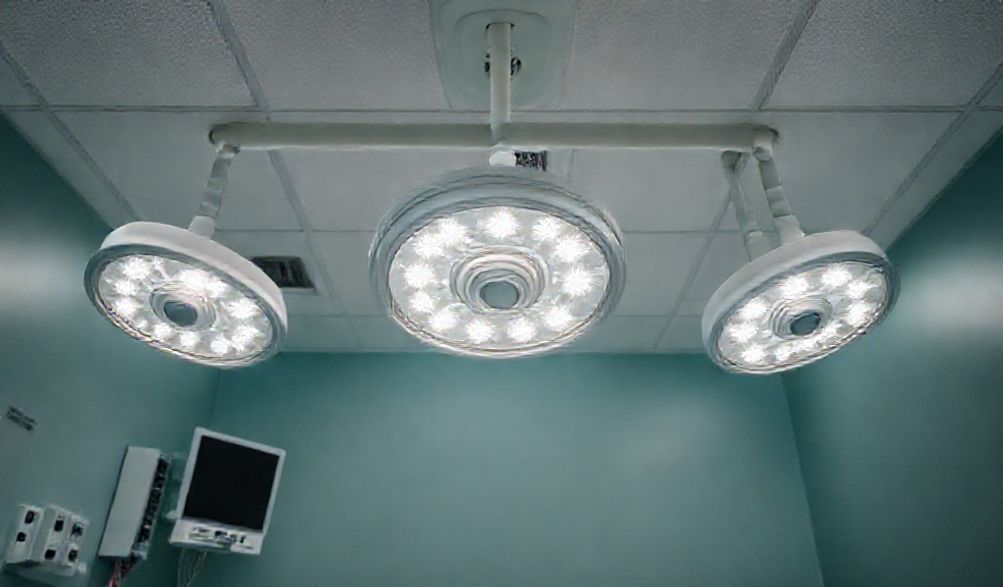
Optimizing Exam Room Lighting: A Guide to Safety, Focus, and Patient Care
In the high-stakes environment of healthcare, every detail matters. From the precision of a diagnosis to the comfort of a patient, the tools and environment we create are extensions of care. Often overlooked, exam room lights are far more than a simple utility—they are a critical, active component in the clinical ecosystem. The quality of illumination in an examination space directly influences diagnostic accuracy, modulates patient anxiety, and sustains the well-being and focus of healthcare providers. It is an element that bridges the technical demands of medicine with the human need for comfort and trust.
This guide moves beyond the basic concept of “brightness” to explore the science and strategy behind optimal medical lighting. We will delve into how the right exam room lighting solutions can sharpen visual acuity for intricate procedures, reduce debilitating eye strain for practitioners, and cultivate a calming, professional atmosphere. By understanding and implementing these principles, medical practices can adhere to stringent healthcare standards, improve operational efficiency, and fundamentally enhance the quality of patient care. The goal is to transform light from a passive fixture into a dynamic tool for better health outcomes.
1. The Critical Role of Lighting in Clinical Settings
Lighting in a healthcare environment is not merely about seeing; it’s about perceiving accurately, interacting effectively, and enduring professionally. It serves multiple, mission-critical functions that are foundational to safe and effective care.
1.1. Impact on Diagnostic Accuracy and Medical Procedures
The primary clinical function of exam room lights is to enable flawless visual assessment. A significant portion of diagnoses begin with observation: discerning the subtle yellow hue of jaundice, the faint blush of a rash, the precise edges of a wound, or the variations in tissue texture. Inadequate or poorly colored light can obscure these details. Shadows can hide swelling; low Color Rendering Index (CRI) lights can distort true skin tones, making bruising or cyanosis harder to detect. For procedures—from suturing a laceration to conducting a pelvic exam or examining a throat—precise, shadow-reduced, high-intensity light is non-negotiable. The risk of a missed detail due to poor lighting is a risk to patient safety and treatment efficacy.
1.2. Influencing Patient Comfort and Psychology
The moment a patient enters an exam room, the environment begins to communicate. Harsh, cold, flickering, or glaring lights can subconsciously elevate anxiety, heart rate, and perceived pain levels. It can feel interrogative and clinical in the worst sense. Conversely, a thoughtfully lit room can promote calmness and a sense of safety. Lighting that can be softened during consultation phases, or that feels natural and even, helps put patients at ease, making them more communicative and cooperative. This psychological impact directly influences patient satisfaction, their perception of care quality, and their overall experience within the practice.
1.3. Reducing Eye Strain and Fatigue for Healthcare Providers
Clinicians and nurses perform visually demanding tasks for hours on end: reading charts, examining patients, using computer screens, and performing procedures. Inadequate lighting forces the eyes to constantly strain to adjust between bright and dark areas, decipher details in shadow, or cope with glare on screens. This leads to digital eye strain, headaches, fatigue, and decreased concentration. Over a long shift, this cumulative fatigue can impact decision-making, procedural dexterity, and overall provider well-being, contributing to burnout. Proper exam room lighting is, therefore, an essential ergonomic and occupational health consideration.
2. Key Lighting Requirements for Modern Exam Rooms
Designing effective illumination requires balancing technical specifications with human factors. Here are the core parameters to consider:
2.1. Optimal Color Temperature and Color Rendering Index (CRI)
- Color Temperature (Measured in Kelvin, K): This describes the “warmth” or “coolness” of white light. For general exam rooms, a range of 3500K to 5000K is recommended.
- Below 3500K: Appears warm/yellow. Can be relaxing but may distort color perception and feel dim.
- 3500K-4500K: Neutral white. Considered ideal, offering a balance of clarity and alertness without harshness.
- 5000K+: Cool, blue-white light. Very bright and clinical, excellent for task lighting but can feel sterile and increase anxiety if used for general ambience.
- Color Rendering Index (CRI): This is arguably the most critical spec for medical exam room lights. CRI measures a light source’s ability to reveal the true colors of an object compared to natural light. A CRI of 90 or above (Ra90+) is essential. High-CRI lighting ensures accurate assessment of skin conditions, mucosal color, bruising, and wound bed health. Low-CRI lights can make tissues appear gray, washed out, or incorrectly tinted.
2.2. Achieving Appropriate Light Levels and Uniformity
- Illuminance (Measured in Lux or Foot-candles):
- General Ambient Lighting: Should provide a uniform 300-500 lux (approx. 30-50 foot-candles) throughout the room for basic visibility and movement.
- Procedure/Task Lighting: For the examination of a specific site (throat, wound, etc.), levels should reach 1,000 to 2,000 lux or more. This is typically achieved with dedicated, directional exam lights, not the general overheads.
- Uniformity & Glare Control: Light should be evenly distributed to avoid pools of brightness and deep shadows. Fixtures must be designed to minimize direct glare (looking at a bright bulb) and reflected glare (off computer screens, glossy surfaces, or medical instruments), both of which cause visual discomfort and can lead to errors.
2.3. Flexibility and Zoning: General vs. Task Lighting
A single, static overhead light is the enemy of an effective exam room. A layered, flexible approach is key:
* General/Ambient Lighting: Provides the base layer of even, shadow-free illumination. Often achieved with recessed or surface-mounted LED panels.
* Task/Procedure Lighting: Focused, brighter, and adjustable. This includes wall-mounted or ceiling-mounted exam lights with articulating arms for precise positioning.
* Control Zoning: Independent dimmers or preset lighting “scenes” (e.g., “Consult,” “Examine,” “Procedure”) allow instant adaptation. Dimming the ambient lights while boosting a task light for an exam, then reversing for a conversation, creates a dynamic and patient-centered environment.
3. Choosing the Right Exam Room Light Fixtures
Selecting the right hardware means matching technology to specific clinical workflows.
3.1. LED Technology: The Modern Standard for Medical Lighting
LEDs have completely revolutionized exam room lighting. They are the unequivocal choice due to:
* Energy Efficiency & Long Lifespan: Drastically reduces operational costs and maintenance.
* Excellent Color Rendering: Capable of achieving CRIs of 95+.
* Low Heat Emission: Critical for patient and provider comfort during close-proximity exams.
* Instant, Flicker-Free Operation: Reduces eye strain and is compatible with digital cameras and medical imaging equipment.
3.2. Types of Medical Exam Lights
- Wall-Mounted Surgical/Exam Lights: Highly maneuverable with long reach. Provide intense, focused light for procedures and often feature sterile handles for adjustment during sterile fields.
- Ceiling-Mounted Procedure Lights: Save floor and wall space. Ideal for centering light over an exam table or minor procedure area. Many offer excellent shadow reduction via multiple LED points or diffusing technology.
- Portable Diagnostic Lights: Handheld or small head-mounted lights for specialized exams like otoscopy, ophthalmoscopy, or oral cavity inspection.
3.3. Integration with Medical Equipment and Smart Controls
Modern lighting is becoming intelligent. Systems can integrate with room automation or nurse call systems. Lights can be programmed to preset scenes activated by a single button or voice command. Integration supports infection control by enabling hands-free operation and can sync with other room functions for maximum workflow efficiency.
4. Adherence to Healthcare Standards and Safety
Exam room lights are medical devices in a regulated environment and must be selected accordingly.
4.1. Meeting Regulatory Codes
Fixtures, especially those in the “patient care vicinity,” must comply with stringent standards like IEC 60601 (medical electrical equipment safety) and relevant UL/ETL standards (e.g., UL 1598 for luminaires). Compliance ensures protection against electrical shock, mechanical hazards, and other risks.
4.2. Infection Control and Cleanability
This is paramount. All fixtures must have:
* Seamless, smooth enclosures with no cracks or crevices where pathogens can hide.
* Materials that can withstand daily cleaning and disinfection with harsh, hospital-grade chemicals without degrading, discoloring, or corroding.
4.3. Durability, Maintenance, and Lifecycle Cost
Healthcare facilities need robust equipment. Evaluate the Total Cost of Ownership (TCO):
* Initial Cost: Purchase price of the fixture.
* Operational Cost: Energy consumption (LEDs win).
* Maintenance Cost: Expected lifespan (50,000+ hours for LEDs) and ease of servicing. A cheap fixture that fails often is more expensive than a high-quality, reliable one.
5. Implementing an Effective Lighting Plan: A Step-by-Step Approach
5.1. Conducting a Needs Assessment for Your Practice
Start by auditing your current rooms. What specific procedures are done? (Dermatology vs. orthopedics vs. pediatrics have different needs). What technology is used? (Telehealth requires specific lighting). Who are your patients? (Elderly eyes need more light; children may prefer softer ambience).
5.2. Planning Layouts for New Builds vs. Renovations
- New Construction: The ideal scenario. Lighting can be fully integrated into the architectural plan, with wiring, zoning, and fixture placement optimized from the start.
- Renovations/Retrofits: Focus on upgrading existing ambient lighting to high-CRI LED panels and strategically adding flexible task lighting (wall-mounted exam lights are great retrofits) within the constraints of current electrical infrastructure.
5.3. Working with Qualified Designers and Electricians
Do not treat this as a standard electrical job. Engage architects, designers, or lighting consultants with specific experience in healthcare design. They understand the unique codes, clinical workflows, and ergonomic requirements necessary for a successful, compliant, and effective installation.
FAQ: Common Questions on Exam Room Lighting
Q1: What is the best color temperature for a general-purpose exam room?
A: A neutral white in the range of 4000K to 4500K is often considered the sweet spot. It provides excellent visual clarity and a sense of alertness without the harsh, cold feel of 5000K+ or the overly warm, potentially sleepy tone of 3500K.
Q2: Can I just use bright overhead LED panels instead of a dedicated exam light?
A: No. While high-quality ambient panels are crucial, they cannot replace a dedicated procedure light. Overhead lights cast shadows from the provider’s head, hands, and instruments. A directional exam light can be positioned to shine directly onto the area of interest, providing the high-intensity, focused, and shadow-reduced illumination required for detailed work.
Q3: How important is dimming capability for exam room lights?
A: Extremely important. Dimming is the key to flexibility and patient comfort. It allows you to lower lights for a calming consultation, raise them for a general exam, and use a task light for a procedure. It also helps when viewing digital X-rays or charts on a monitor by reducing ambient light contrast and glare.
Q4: Are there lighting considerations for telehealth or video consultations in the exam room?
A: Absolutely. For professional video quality:
* Ensure even, front-facing light on the provider’s face to avoid harsh shadows under the eyes and nose.
* Use a color temperature around 4000K and a high CRI for accurate skin tone rendering.
* Avoid having a bright window or light source directly behind the provider, which will create a dark silhouette. The light source should be in front of or to the side of the person facing the camera.
Q5: What is the most common mistake in exam room lighting design?
A: Relying on a single, central overhead light source. This “one-light-fits-all” approach guarantees shadows, glare, and zero flexibility. The most effective, modern designs use a multi-layered approach, thoughtfully combining ambient, task, and sometimes even indirect accent lighting to create a fully functional, adaptable, and comfortable clinical space.
Conclusion
Strategic exam room lighting is a fundamental, yet often underappreciated, pillar of effective healthcare delivery. It transcends basic illumination, acting as a vital tool that enhances diagnostic confidence, safeguards provider well-being, and profoundly shapes the patient’s journey from anxiety to trust. By prioritizing high-CRI LED technology, appropriate and flexible color temperature, intelligent zoning, and strict adherence to safety and hygiene standards, medical practices make a direct investment in clinical outcomes.
This investment yields tangible returns: fewer missed details, reduced provider fatigue, improved patient satisfaction scores, and a more efficient workflow. Whether planning a new facility or upgrading an existing one, embracing a thoughtful, layered approach to light—where general ambiance supports precise task illumination—creates an environment that truly cares for both the patient and the practitioner. In the end, optimizing your exam room lights is not just about upgrading fixtures; it’s about elevating the very quality and perception of care you provide.
p>