
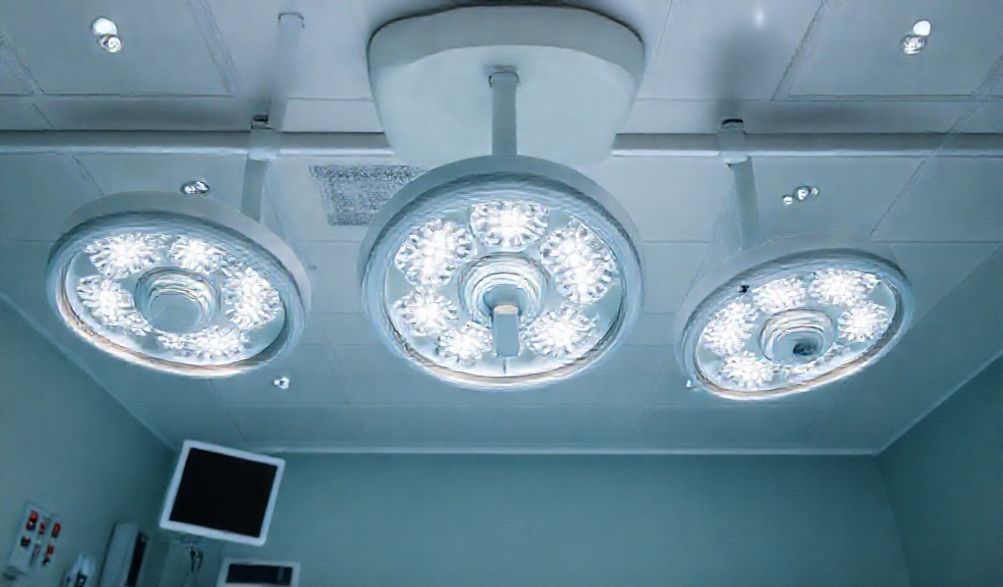
The Complete Guide to LED Operating Room Lights: Benefits, Features & Selection Criteria
In the high-stakes environment of an operating room, every element is meticulously calibrated for success. From the skill of the surgical team to the precision of the instruments, nothing is left to chance. Yet, one of the most fundamental and often under-scrutinized factors is the quality of illumination. Optimal lighting is not merely a convenience; it is a critical component of surgical precision, affecting the speed, accuracy, and ultimately, the safety of the procedure and patient outcomes.
This comprehensive guide is designed for the key decision-makers shaping the modern surgical suite: hospital administrators, surgical directors, biomedical engineers, and procurement specialists. Our purpose is to provide an authoritative, evidence-based resource that moves beyond marketing claims. We will synthesize insights from clinical studies, technical manufacturer specifications, and stringent industry standards like IEC 60601-2-41 to give you a clear, unbiased framework.
By the end of this article, you will have a thorough understanding of:
* Why LED technology has become the undisputed standard for modern operating rooms.
* The essential features and specifications you must compare when evaluating different systems.
* A practical, step-by-step framework for making a confident, informed procurement decision that aligns with clinical needs and financial stewardship.
We will begin by exploring the compelling advantages of LED systems, then delve into the critical features that differentiate them, address vital compliance and integration considerations, and finally, provide a structured approach to procurement and implementation.
Why LED Technology is Now the Standard for Modern Operating Rooms
The transition from traditional halogen and xenon lights to LED-based surgical luminaires represents one of the most significant advancements in OR infrastructure in recent decades. This shift is driven not by trend, but by a clear and demonstrable superiority across every key performance metric that matters in surgery.
Superior Illumination: Color Rendering Index (CRI) and Shadow Reduction
The primary purpose of a surgical light is to reveal anatomical truth. LED technology excels in this through two key principles:
- High Color Rendering Index (CRI): CRI is a measure of a light source’s ability to reveal the true colors of objects compared to natural light. For surgery, a CRI of >90 (with many premium LEDs offering >95) is essential. This high fidelity allows surgeons to accurately differentiate between tissues—distinguishing a subtle shade difference between an artery, a vein, a nerve, or identifying early signs of ischemia or infection. Poor color rendering can lead to visual fatigue and diagnostic uncertainty.
- Inherent Shadow Reduction: Traditional single-point light sources create harsh, defined shadows. Modern LED operating room lights use a multi-point source design, often comprising hundreds of individual LEDs arranged across a large panel. This configuration causes light rays to intersect from multiple angles, effectively “filling in” shadows cast by instruments, hands, and heads, even in deep cavities like those in cardiothoracic or pelvic surgery. This results in a more uniformly illuminated surgical field.
Enhanced Energy Efficiency and Operational Cost Savings
The operational cost benefits of LEDs are transformative. Halogen and xenon lights are notoriously inefficient, converting most of their energy into heat rather than light.
- Lumens-per-Watt: LED systems produce significantly more light (lumens) per unit of electricity (watt) consumed. It’s common for an LED surgical light to use 60-80% less energy than a halogen equivalent while delivering equal or greater illumination.
- Total Cost of Ownership (TCO): While the initial capital expenditure for a premium LED system may be higher, the long-term ROI is compelling. The savings accumulate from drastically reduced power bills and, even more notably, the near-elimination of consumable bulb costs.
Increased Lifespan and Reduced Maintenance Demands
Reliability is non-negotiable in the OR. Downtime for light maintenance is costly and disruptive.
- Extended Lifespan: LED diodes have an exceptionally long functional life, typically rated at 50,000 to 100,000 hours. In practical terms, with average OR usage, this can translate to 15-20 years of service before light output degrades significantly.
- Contrast with Traditional Systems: Halogen bulbs may last only 1,000 to 2,000 hours, necessitating frequent, costly replacements. Each change-out requires biomed technician time, poses a sterility risk, and carries the chance of a bulb failure mid-procedure. LED systems virtually eliminate this recurring operational headache and cost center.
Improved Thermal Management for Patient and Staff Comfort
Radiant heat from surgical lights has long been a challenge.
- Reduced Tissue Desiccation: Traditional lights emit substantial infrared radiation, which can dry out exposed tissues (desiccation), potentially complicating surgery and healing. LED operating room lights emit minimal radiant heat directly into the surgical field, helping to maintain tissue viability.
- Enhanced Surgeon Comfort: The reduction in radiant heat also improves the working environment for the surgical team, reducing discomfort and fatigue during long procedures. This directly contributes to better ergonomics and team performance.
Critical Features to Evaluate When Selecting LED Surgical Lights
Not all LED operating room lights are created equal. When comparing systems, focus on these critical technical and design features that directly impact surgical performance.
Light Field Characteristics: Luminous Intensity and Field Diameter
Brightness must be quantifiable and adaptable.
- Luminous Intensity: Measured in lux (lumens per square meter), this indicates how much light falls on the surgical site. High-performance lights deliver 160,000 lux or more at a 1-meter distance. This intense, focused light is crucial for deep-cavity and microsurgery.
- Adjustable Field Diameter & Depth of Focus: The light should allow the surgeon to adjust the size of the illuminated spot (e.g., from a focused 10cm to a broad 30cm diameter) without leaving the sterile field. Equally important is “depth of focus”—the ability to maintain a bright, uniform field even when the light head is moved closer or farther from the wound, a key feature for procedures with varying cavity depths.
Color Temperature Control and Tissue Contrast Enhancement
The ability to tailor light quality is a game-changing advantage of LED technology.
- Adjustable Kelvin Range: High-end systems allow surgeons to adjust the color temperature, typically from a warm ~3000K (more yellow/red) to a cool ~6700K (crisp white/blue). This is often done via a sterile touch interface or handle control.
- Specialty Contrast Modes: Beyond white light, some systems offer pre-set modes that enhance the visualization of specific structures. For example, a “vascular mode” might emphasize reds to make capillaries and arteries more distinct, while a “bile duct mode” could enhance yellow contrasts. This functionality, impossible with halogen lights, provides a powerful diagnostic aid.
Sterility and Infection Control: Handling, Design, and Sealing
The light must be designed as a partner in the fight against surgical site infections (SSIs).
- Seamless, Cleanable Surfaces: The entire light head, especially the handle(s), should have a smooth, seamless design with no crevices where contaminants can lodge. Materials must withstand aggressive, frequent cleaning with hospital-grade disinfectants without degrading.
- Sealed Optical Assemblies: The lens and LED housing must be hermetically sealed to prevent dust, moisture, and microbial ingress. This protects the internal electronics and, more importantly, prevents the light from becoming a reservoir for pathogens.
Ergonomic Design and Maneuverability
A light that is difficult to position is a hindrance, not a help.
- Balance and Articulation: Evaluate the ceiling mount or boom system. It should be perfectly balanced, allowing effortless, single-handed positioning with minimal drift. The system should have a wide range of motion to cover the entire OR table without obstructing staff or equipment.
- Control Interfaces: Look for intuitive, responsive controls. Options include sterile manual handles on the light head, touchless gesture or voice control, and remote pendants. The goal is to allow precise adjustments without breaking sterility.
Integration, Safety, and Compliance Considerations
Selecting a light involves ensuring it fits safely and seamlessly into the broader OR ecosystem.
Meeting Medical Device Regulations: IEC 60601-2-41 and Beyond
Compliance is the baseline for safety.
- IEC 60601-2-41: This is the international safety and performance standard specifically for surgical luminaires and diagnostic examination lights. It mandates requirements for light output, temperature rise, mechanical stability, and electrical safety. Any system under consideration must be certified to this standard.
- Market Approvals: Ensure the device carries the necessary regulatory marks for your region—FDA clearance in the United States, a CE mark in Europe, etc. This validates that the manufacturer has undergone the appropriate regulatory review.
Integration with Operating Room Infrastructure and Imaging Systems
The modern OR is a networked environment.
- Camera and Video Integration: Most teaching hospitals and centers of excellence require seamless integration of high-definition cameras into the light head for recording and broadcasting procedures. Check compatibility, video output quality (e.g., 4K), and the ease of engaging/disengaging the camera.
- OR Integration Suites: The light should be compatible with the hospital’s overarching OR control system (from vendors like Stryker, Karl Storz, or Olympus), allowing light controls to be part of a unified room preset.
- Structural and Electrical Compatibility: A pre-installation site survey is essential. Verify ceiling load capacity, the required clearance for the light’s range of motion, and the availability of appropriate power and data connections.
Backup Systems and Failure Protocols
A single point of failure is unacceptable for a mission-critical device.
- Redundant Light Sources: Many premium systems incorporate multiple, independent LED modules. If one module fails, the others automatically compensate to maintain adequate illumination, allowing the procedure to continue safely.
- Battery Backup: In the event of a power failure, a built-in battery backup should instantly activate, providing sufficient light (often at a reduced intensity) for a safe conclusion to the surgery or for emergency power to engage. The duration of this backup (e.g., 60-90 minutes) is a key specification.
A Step-by-Step Framework for Procurement and Implementation
A structured approach ensures the selected system meets clinical, operational, and financial goals.
Conducting a Needs Assessment: Surgical Specialty Requirements
Start by defining the “why.” Assemble a committee including surgeons, nurses, OR managers, and biomed staff. Use a checklist:
* Surgical Specialties: What procedures are most common? Neurosurgery and ophthalmology demand extreme depth of focus and shadow reduction. Trauma and orthopedic surgery may prioritize a very large, bright field.
* OR Physical Layout: Room dimensions, table placement, and ceiling height.
* Team Workflow Preferences: How do surgeons prefer to adjust lights? What are the nursing and tech preferences for sterility and cleaning?
Creating a Request for Proposal (RFP) and Comparing Vendors
Translate needs into a formal document. Your RFP should demand:
* Technical Specifications: Lux at defined distances, CRI, adjustable color temperature range, depth of focus, LED lifespan, power consumption.
* Compliance Documentation: Proof of IEC 60601-2-41 certification and FDA/CE marking.
* Service & Support: Details of the warranty, service contract options, parts availability, and average response time for repairs.
* Total Cost Quotation: Include upfront hardware/installation costs and projected 5-10 year TCO (energy, maintenance).
Planning for Installation, Staff Training, and Ongoing Maintenance
The final phase ensures a successful launch and long-term value.
* Certified Installation: Insist on installation by manufacturer-certified technicians to ensure proper function and safety.
* Comprehensive Training: Schedule mandatory, hands-on training for surgeons, nurses, and biomed staff. Everyone must be comfortable with basic operation, advanced features, and emergency procedures.
* Ongoing Support: Establish a clear maintenance schedule and ensure in-house biomed teams have access to service manuals and parts. A strong vendor partnership is crucial for lifecycle management.
Frequently Asked Questions (FAQ) About LED Operating Room Lights
Q1: Are LED operating room lights really better than traditional halogen lights?
A: Yes, overwhelmingly. The consensus in both clinical and facilities management circles is that LED technology is superior. The benefits are clear: exceptional light quality with accurate color rendering and minimal shadows, significantly less radiant heat, 60-80% lower energy consumption, and dramatically reduced long-term maintenance costs due to the extended lifespan of the LEDs.
Q2: How long do LED surgical lights typically last?
A: The LED diodes themselves are often rated for 50,000 to 100,000 hours of operation. Under typical OR use, this can mean 15-20 years before a noticeable decrease in light output. It’s important to note that the overall system longevity also depends on other mechanical and electronic components, so adherence to the manufacturer’s maintenance schedule is key.
Q3: Can the color temperature of LED lights be adjusted during surgery?
A: In most modern, high-performance systems, yes. This is a defining feature of advanced LED operating room lights. Surgeons can adjust the color temperature (measured in Kelvin) to optimize contrast for different tissues and surgical steps—a level of control that was impossible with fixed-output halogen lights.
Q4: What is the most important factor when choosing a light for a specialized field like neurosurgery or ophthalmology?
A: Beyond general brightness, shadow-free illumination and exceptional depth of focus are paramount. Surgeons in these fields work in deep, narrow cavities where shadows can obscure critical anatomy. Look for lights specifically engineered with high luminous intensity (lux) and sophisticated, multi-point optical systems designed to penetrate deeply while maintaining a uniform field.
Q5: How significant are the cost savings with LED technology?
A: The financial argument is very strong when considering Total Cost of Ownership (TCO). While the upfront purchase price may be higher, the operational savings are substantial: ~60-80% lower energy bills and the complete elimination of halogen bulb purchases and the labor to replace them. For a hospital with multiple ORs, this leads to a compelling return on investment (ROI), often within just a few years, and significant savings over a 5-10 year period.
Conclusion
Transitioning to LED operating room lights is far more than a simple equipment upgrade; it is a strategic investment in the core mission of a healthcare institution. This decision directly enhances clinical outcomes by providing surgeons with superior visualization, improves the ergonomic and thermal environment for staff, and demonstrates financial stewardship through substantial operational savings and reliability.
We encourage you to use the framework and evaluation criteria outlined in this guide as a roadmap. Engage your clinical teams in hands-on demonstrations, demand hard data from vendors in response to a detailed RFP, and prioritize systems that offer not just advanced technology, but also robust safety compliance, seamless integration, and dependable long-term support.
Ultimately, selecting the right LED operating room lighting is an investment in precision, safety, and building a future-ready surgical environment. As technology continues to evolve, with trends pointing towards smarter integration with AI-driven surgical guidance and more intuitive sterile interfaces, establishing a foundation of high-quality, adaptable LED illumination is the essential first step. Consult closely with your surgeons and biomedical engineering department to make the final selection that best serves your patients and your team for years to come.
p>