
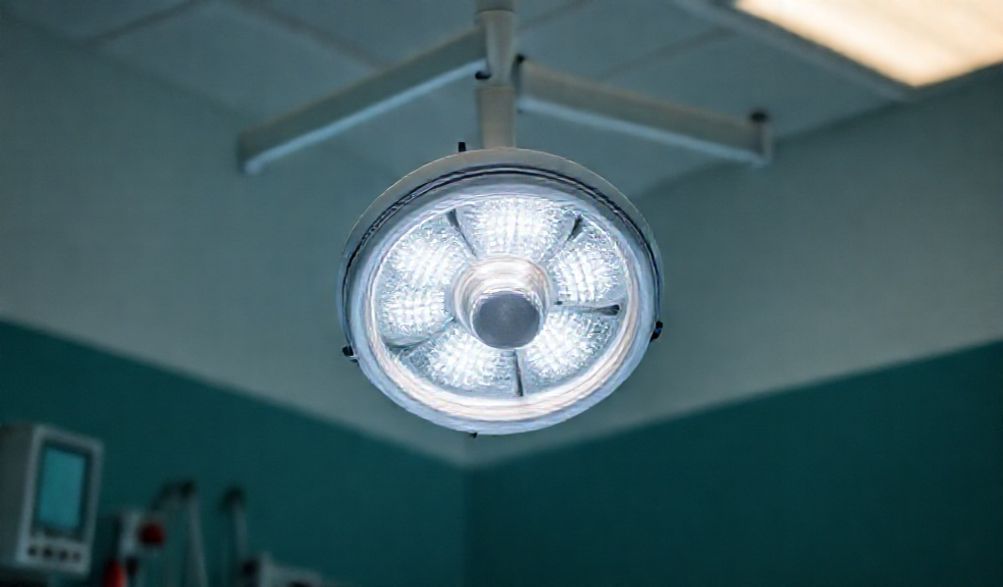
The Complete Guide to Operating Room Lamps: Technology, Safety, and Selection
In the high-stakes environment of an operating room, a surgeon’s skill, experience, and judgment are paramount. Yet, these critical human factors are profoundly dependent on one fundamental, physical element: light. The quality of illumination in the surgical field is not merely a matter of convenience; it is a direct contributor to procedural accuracy, speed, and patient safety. Inadequate or poorly designed lighting can obscure vital anatomical details, increase surgeon eye strain and fatigue, and elevate the risk of error. In essence, the operating room lamp is an extension of the surgeon’s vision, and its performance is inextricably linked to surgical outcomes.
This guide serves as a comprehensive, unbiased resource for medical professionals, hospital procurement teams, biomedical engineers, and students. Our purpose is to demystify the technology behind modern surgical lighting, translating complex specifications and clinical requirements into clear, actionable knowledge. The information presented synthesizes technical data from international standards, insights from clinical studies on ergonomics and visual performance, and established best practices from leading surgical teams. By exploring key features, comparing core technologies, and outlining a strategic selection process, this post will equip you to make informed, confident decisions for your healthcare facility.
Why Operating Room Lighting is Critical for Surgical Precision
The link between optimal lighting and surgical success is well-established in clinical principles. A well-illuminated field enables the surgeon to work with greater confidence and precision, which can directly influence metrics such as procedure time, complication rates, and patient recovery. The operating room lamp is a precision instrument in its own right, designed to meet a unique set of physiological and procedural demands that go far beyond the capabilities of standard illumination.
The Impact on Surgical Outcomes
The human eye and brain rely on specific visual cues to interpret the surgical field accurately. High-quality OR lighting enhances these cues in three key ways:
- Depth Perception and Detail: Surgeons must perceive subtle variations in tissue topography. A lamp with excellent shadow management and high illumination intensity (measured in lux) reveals these contours, allowing for precise dissection and suturing. Poor lighting flattens the field, making it difficult to judge depth and increasing the risk of inadvertent tissue damage.
- Tissue Differentiation: Distinguishing between arteries, veins, nerves, and different tissue types is a constant necessity. This relies heavily on color rendering—the light source’s ability to reveal the true colors of objects. A light that distorts color can make healthy tissue appear ischemic or mask early signs of infection.
- Reduction of Visual Fatigue: Procedures can last for many hours. Lighting that causes glare, exhibits uneven brightness (hotspots), or has a color temperature that strains the eyes contributes to surgeon fatigue. This cognitive load can slow reaction times and impair decision-making as a procedure progresses.
Key Lighting Requirements in the OR
To support these outcomes, surgical lights must deliver on several non-negotiable technical parameters:
- High and Adjustable Illumination Intensity: The central surgical field typically requires between 40,000 and 160,000 lux. The light must deliver this intensity without causing thermal damage to tissue.
- Homogeneous Light Field: The illuminated area should have consistent brightness from center to edge, with minimal fall-off. This eliminates the need for constant repositioning and ensures clarity across the entire wound.
- Minimal Heat Emission (Cold Light): The light must illuminate the wound without significantly heating it. Excessive radiant heat can dry out tissues, increase metabolic demand, and compromise patient safety.
Core Technologies in Modern Operating Room Lamps
The evolution of surgical lighting has been marked by a significant technological shift, moving from traditional, heat-intensive sources to advanced, solid-state systems. Understanding this core technology is the first step in evaluating any OR lamp.
LED vs. Halogen: A Comparative Analysis
For decades, halogen lamps were the standard. However, Light Emitting Diode (LED) technology has now become the dominant and recommended choice for new installations and upgrades.
-
Halogen: A halogen bulb works by heating a tungsten filament to incandescence. While it can produce good color rendering, it is inherently inefficient.
- Pros: Lower initial purchase cost, excellent color rendering potential.
- Cons: Very high heat output (requiring complex filter systems to achieve “cold light”), short lifespan (typically 1,000-2,000 hours), high energy consumption, and ongoing bulb replacement costs and downtime.
-
LED: An LED generates light by passing current through a semiconductor. This fundamental difference unlocks major advantages.
- Pros:
- Energy Efficiency: Consumes up to 80% less power than halogen equivalents.
- Long Service Life: Rated for 50,000 hours or more, virtually eliminating bulb replacements during the lamp’s operational life.
- Inherently Cool Light Source: Emits very little infrared radiation, making true “cold light” easier to engineer.
- Instant On/Off & Dimmability: No warm-up time and precise, flicker-free intensity control.
- Superior Total Cost of Ownership (TCO): While the upfront cost may be higher, the savings in energy, maintenance, and consumables make LED the economical choice over time.
- Pros:
Understanding Light Field Characteristics
Two related concepts are crucial for understanding how a lamp performs in real-world use: Depth of Field and Light Field Diameter.
- Depth of Field: This refers to the vertical distance over which the light intensity remains within a useful range (e.g., above 40,000 lux). A large depth of field is critical. As a surgeon’s hands or instruments enter the field, or when working in a deep cavity, the lamp head may need to be raised. A lamp with good depth of field will maintain consistent, shadow-reduced illumination even as the distance to the wound changes, providing flexibility and reducing interruptions.
- Light Field Diameter: This is the size of the illuminated area at a given distance. Lamps are often specified with a “d10” diameter (where illumination is 10% of the center value) and a “d50” diameter (50% of center value). The relationship between these diameters indicates the homogeneity of the beam—a gradual fall-off (d50 close to d10) is desirable for a smooth, wide field.
Essential Features to Evaluate When Selecting an OR Lamp
Beyond the core light source, a suite of engineered features determines how effectively the technology serves the surgical team. Use this list as a checklist during evaluation.
Shadow Management and Penetration
The goal is shadow-free illumination, but in practice, it’s about radical shadow reduction. This is achieved through sophisticated optical design:
- Multi-Point Light Source: Modern lamps use an array of multiple LEDs (often hundreds) arranged on a spherical or parabolic surface. Because each LED casts a shadow, but from a slightly different angle, the shadows from one LED are “filled in” by the light from the others. The result is a dramatic reduction of obstructive shadows from the surgeon’s head and hands.
- Parabolic Reflectors: These carefully shaped reflectors around each LED help collimate and direct the light, enhancing the homogeneity and depth of penetration for deep cavity lighting, such as in orthopedic, spinal, or cardiothoracic surgeries.
Color Rendering Index (CRI) and Color Temperature
- Color Rendering Index (CRI): Measured on a scale of 0-100, CRI indicates how accurately a light source reveals the true colors of objects compared to natural daylight (CRI 100). For surgery, a CRI >90 is essential, and >95 is ideal. This high fidelity is necessary to accurately discern tissue oxygenation, bile, subtle inflammation, and vascular structures.
- Color Temperature: Measured in Kelvin (K), this describes the “warmth” or “coolness” of the white light. OR lamps often offer adjustable settings (e.g., 3700K, 4500K, 5000K).
- Warmer light (~3700K): May be preferred for superficial tissue, as it can enhance reds and provide a familiar, incandescent-like view.
- Cooler light (~4500-5000K): Mimics midday sunlight, offering high contrast and an “alert” ambiance, often preferred for deep cavity or microsurgery.
Mobility, Ergonomics, and Sterility
The lamp must be a willing partner in the OR workflow.
- Mounting: Ceiling-mounted systems are standard, offering the greatest range of motion and keeping the floor clear. Mobile floor stands are used in specific settings like minor procedure rooms or as supplementary lighting.
- Reach and Articulation: The suspension system (often with multiple segmented arms) must provide sufficient reach to cover any position on the operating table from its mounting point. It should move effortlessly, stay precisely where positioned, and have a “park” position to clear the area when not in use.
- Sterility and Cleaning: The lamp head and handles must be designed for infection control. This means seamless, smooth surfaces with no crevices where contaminants can lodge. They must withstand frequent cleaning with harsh hospital-grade disinfectants without degrading. Many systems offer sterilizable handles for intraoperative adjustments.
Safety, Standards, and Compliance for Surgical Lights
In medical device regulation, compliance is not a suggestion—it is a mandatory safeguard for patient and staff safety. Surgical lights are classified as medical devices and are subject to rigorous international standards.
Key International Standards (IEC 60601-2-41)
The primary global standard for the basic safety and essential performance of surgical luminaires is IEC 60601-2-41. Any lamp under consideration must be certified to this standard. It specifies requirements for:
* Mechanical Safety: Strength and stability of the suspension system to prevent droop or failure.
* Electrical Safety: Protection against shock and electromagnetic interference.
* Thermal Safety: Strict limits on the accessible surface temperature of the lamp head to prevent burns.
* Performance Safety: Requirements for light output, homogeneity, and color rendering as declared by the manufacturer.
Backup Systems and Failure Protocols
A total blackout in the middle of surgery is an unacceptable risk. Therefore, safety standards and prudent design mandate redundancy.
* Dual Lamp Heads: Many systems feature two independent lamp heads on a single suspension. If one fails, the other can immediately be positioned to continue the procedure.
* Internal Redundant Power/Drivers: Within a single lamp head, critical components like LED drivers may be duplicated. If one fails, the other takes over, often with no perceptible change in light output.
* Emergency Power: The lamp system should connect to the hospital’s emergency power supply (generator or UPS) to ensure functionality during a main power outage.
The Procurement Process: Planning and Total Cost of Ownership
Selecting an operating room lamp is a strategic capital investment. A disciplined procurement process ensures the solution aligns with clinical needs and long-term financial planning.
Assessing Your OR’s Specific Needs
Avoid a one-size-fits-all approach. Begin with an internal assessment:
1. Procedure Mix: What specialties use the room? Neurosurgery and microvascular procedures demand exceptional depth of field and shadow control. General surgery may prioritize a large, homogeneous field.
2. Room and Table Geometry: Measure the distance from the potential ceiling mount point to the center of the OR table. This determines the necessary reach of the suspension system.
3. Surgical Team Input: Involve surgeons and nurses who will use the light daily. Their feedback on ergonomics, handle placement, and control intuitiveness is invaluable. Arrange live demonstrations or trials if possible.
Beyond the Purchase Price: Calculating TCO
The initial invoice is just one part of the financial picture. A true Total Cost of Ownership (TCO) analysis over a 7-10 year period often reveals a different story.
* Initial Cost: Purchase price of the lamp and suspension.
* Installation: Costs for ceiling reinforcement, electrical work, and calibration.
* Energy Consumption: Calculate annual kWh usage (LED will be dramatically lower).
* Maintenance & Parts: Include the cost of planned preventive maintenance contracts and any replaceable parts (filters, handles, etc.). LED systems typically have far lower maintenance costs.
* Consumables: For halogen systems, factor in the cost and labor for frequent bulb replacements.
* Downtime: Consider the cost of an OR being out of service for bulb changes or repairs.
When TCO is modeled, the higher efficiency and reliability of LED technology almost always result in significant long-term savings, justifying a higher initial investment.
FAQ Section
Q: What is the typical lifespan of an LED operating room lamp compared to a halogen one?
A: LED surgical lamps have a typical rated lifespan of 50,000 hours or more. In contrast, halogen bulbs last approximately 1,000 to 2,000 hours. This means an LED lamp may last for the entire usable life of the equipment with no bulb changes, while a halogen system would require dozens of expensive and disruptive replacements.
Q: How often do operating room lamps require maintenance and calibration?
A: LED systems require less frequent maintenance than halogen ones, which need regular bulb and filter changes. However, all surgical lights require periodic professional service as per the manufacturer’s schedule (e.g., annually). This ensures mechanical stability, electrical safety, and that light output and color metrics remain within specification for optimal performance and compliance.
Q: Can the light intensity and color temperature be adjusted during surgery?
A: Yes, most modern operating room lamps allow for intraoperative adjustment. Controls are typically located on a touchscreen panel on the lamp head or via a sterilizable handle. Surgeons can fine-tune the intensity (lux) and often select between preset color temperature modes to suit the specific visual demands of each procedural phase.
Q: What are the most important safety certifications to look for?
A: The fundamental certification is IEC 60601-2-41, which covers basic safety and essential performance. Additionally, look for region-specific market approvals. In the United States, the device should be FDA listed (510(k) cleared). In Europe and many other regions, a CE marking (under the Medical Device Regulation MDR) is required. Always verify these certifications with the manufacturer.
Conclusion
Selecting the right operating room lamp is a critical decision that resonates through every procedure performed under its light. It is an investment not just in a piece of equipment, but in surgical accuracy, team ergonomics, operational efficiency, and, most importantly, patient safety. As we have explored, this decision hinges on understanding the move to superior LED technology, evaluating essential features like shadow control and color rendering, insisting on rigorous safety compliance, and analyzing the long-term financial picture through a TCO lens.
We encourage you to use this guide as a structured framework for your evaluation process. Move forward by consulting with your clinical engineering team, involving your surgical staff in hands-on demonstrations, and requesting detailed technical specifications and compliance certificates from reputable manufacturers. By taking a comprehensive and collaborative approach, you can ensure that the illumination in your operating rooms meets the exacting standards demanded by modern surgery.
p>