
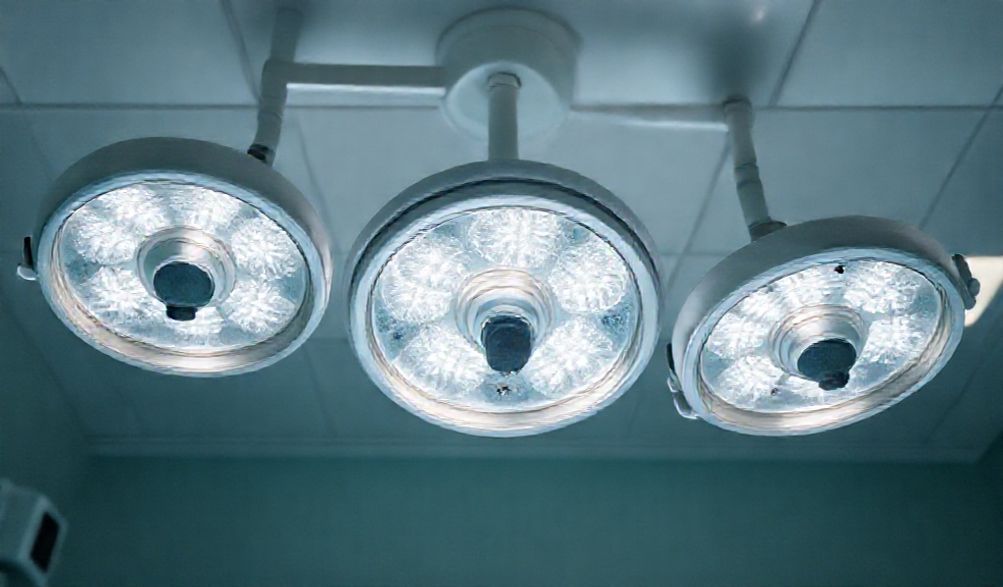
Overhead Surgical Lights: A Guide to Technology, Selection, and Safety in the Operating Room
What if the single most important tool for a surgeon isn’t in their hands, but hanging above them? In the high-stakes environment of the modern operating room (OR), where millimeters can determine outcomes, visibility is not a convenience—it is the foundation of precision, safety, and success. Overhead surgical lights are far more than simple lamps; they are sophisticated, life-critical medical devices whose performance directly influences tissue differentiation, surgical accuracy, procedural duration, and team fatigue.
This guide is designed as a comprehensive, evidence-based resource for surgical directors, hospital procurement teams, biomedical engineers, and clinical professionals involved in OR design and equipment selection. We will move beyond basic specifications to explore the critical role of lighting, decode the technology behind contemporary systems, provide a practical checklist for selection, and outline essential safety and maintenance protocols. By understanding the full spectrum of considerations—from Color Rendering Index to Total Cost of Ownership—you will be empowered to make informed, strategic decisions that enhance patient care and operational efficiency for years to come.
The Critical Role of Surgical Lighting in Modern Medicine
The primary function of surgical lighting is obvious: to illuminate the operative field. However, its secondary and tertiary effects are what make it a cornerstone of modern surgical practice.
Beyond Illumination: Impact on Surgical Outcomes
Optimal surgical lighting directly contributes to positive patient outcomes through three key optical principles:
- Depth Perception and Shadow Management: Inadequate lighting can flatten the surgical field, making it difficult to distinguish anatomical layers. Advanced lights use multiple LED point sources and specialized reflector technology to fill cavities with uniform light, minimizing obstructive shadows that can hide critical structures or bleeders. This enhanced three-dimensional visualization is crucial in deep-site surgeries like spinal, pelvic, or cardiac procedures.
- Color Rendering Index (CRI) and Tissue Differentiation: The human body is a palette of subtle hues—arterial blood vs. venous blood, healthy tissue vs. necrotic or ischemic tissue, a bile duct within fatty tissue. A light with a poor CRI can distort these colors, leading to misidentification. High-fidelity lighting with a CRI >90 (and ideally >95) allows for true color discrimination, which is vital for accurate dissection and decision-making.
- Reducing Cognitive Load and Error Rates: Eye strain from poor lighting (glare, insufficient intensity, color distortion) contributes to surgeon fatigue, which is linked to increased cognitive load and a higher potential for error. A stable, bright, and color-accurate light field reduces the mental effort required to interpret the visual scene, allowing the surgical team to maintain focus and precision throughout lengthy procedures.
Enhancing Surgical Team Performance and Ergonomics
The benefits extend beyond the patient to the well-being and efficiency of the OR staff. Modern lights are designed with ergonomics in mind. Sterile, intuitive handles—often operable with a light touch, gesture, or voice command—allow surgeons to reposition light without breaking sterility or diverting attention. This reduces physical strain and interruptions. Furthermore, by eliminating the intense radiant heat associated with older halogen systems, LED lights create a more comfortable physical environment for the team, reducing fatigue and contributing to a safer, more sustainable workflow.
Core Technology & Features of Contemporary Surgical Lights
The shift from halogen and xenon to Light Emitting Diode (LED) technology represents the most significant advancement in surgical illumination in decades.
LED Technology: The New Standard
LEDs have become the unequivocal standard for new installations and upgrades, offering transformative advantages:
- Minimal Heat Radiation: LEDs emit light with very little infrared (IR) output. This “cold light” dramatically reduces the risk of tissue desiccation (drying out) at the surgical site and improves comfort for the surgeon and patient.
- Exceptional Energy Efficiency & Longevity: LEDs consume up to 80% less power than halogen lamps and have lifespans exceeding 40,000 hours, compared to 1,000-2,000 hours for halogens. This translates to massive savings on energy and replacement lamp costs.
- Consistent Performance: LEDs provide instant, full-intensity light with no warm-up time and maintain a consistent color temperature throughout their lifespan, unlike halogens which dim and yellow over time.
Key Performance Metrics to Understand
When evaluating overhead surgical lights, understanding these metrics is non-negotiable:
- Illuminance (Lux/Lumens): This is the measure of light intensity on the surgical field. Standards typically recommend a central illuminance between 40,000 and 160,000 lux, adjustable to suit different procedures. The light must also maintain a uniform field (e.g., a 10cm depth of field) where the periphery is still sufficiently bright.
- Color Rendering Index (CRI): As discussed, this metric on a scale of 0-100 indicates how accurately a light source reveals the true colors of objects. For surgery, a CRI of ≥90 is considered good, and ≥95 is excellent and highly recommended.
- Depth of Illumination & Shadow Reduction: This is a functional test of the light’s optical design. Look for specifications on how well the light penetrates deep cavities (e.g., at a 20cm depth) and the degree of shadow dilution provided by its multi-source design.
Advanced Functional Features
Today’s systems are integrated OR tools:
* Sterile Controls: From touch-sensitive handles to gesture recognition and voice activation, controls are designed for seamless, aseptic operation.
* Camera & Documentation Integration: Many lights feature built-in or seamlessly attachable 4K camera systems for recording, telemedicine, and teaching.
* Customizable Light Fields: Surgeons can adjust the shape (round, rectangular) and size of the light beam to match the specific procedure, minimizing light pollution in the OR.
How to Select the Right Overhead Surgical Light: A Buyer’s Checklist
Selecting the right light is a strategic investment. This checklist guides a structured evaluation.
Assessing Your Facility’s Specific Needs
- Clinical Specialties: A multi-specialty OR needs a versatile, high-CRI light with excellent depth of field. A dedicated orthopedic OR might prioritize extreme intensity for deep joint work, while a plastic surgery suite may emphasize perfect color accuracy.
- OR Architecture: Measure ceiling height, note the presence of structural beams, and plan for integration with existing or new surgical booms, laminar airflow systems, and equipment columns. Ensure the light’s reach and articulation suit your room’s physical constraints.
- Clinical Workflow Consultation: Involve lead surgeons, OR nurses, and sterilization teams in demos. Their feedback on handle feel, ease of cleaning, and day-to-day usability is invaluable.
Evaluating Total Cost of Ownership (TCO)
Look beyond the initial price tag:
* Energy Consumption: Calculate the annual cost savings of an efficient LED system versus older technology.
* Lamp Replacement Costs: LED modules rarely need replacement, unlike halogen bulbs. Factor this long-term saving.
* Maintenance & Service: Inquire about the cost and terms of recommended service contracts, availability of spare parts, and the manufacturer’s support network.
Compliance, Certification, and Safety Standards
This is a regulatory imperative. Any overhead surgical light must be:
* Cleared as a Medical Device: In the U.S., it must have FDA 510(k) clearance. Ensure compliance with the international standard IEC 60601-2-41, which specifically governs the basic safety and essential performance of surgical luminaires.
* Electrically Safe: It must meet standards for electrical isolation and safety in the OR environment.
* Documentation: The manufacturer must provide a Declaration of Conformity and all necessary certification marks (CE, UL, etc.) for your region.
Installation, Maintenance, and Sterilization Protocols
Proper implementation is as critical as the selection itself.
Professional Installation and Calibration
Installation is not a task for general facilities staff. It requires certified biomedical equipment technicians (BMETs) who:
* Can safely handle the heavy ceiling-mounted components.
* Ensure proper electrical and mechanical integration.
* Perform post-installation calibration to verify light intensity, field uniformity, and color temperature meet the manufacturer’s specifications.
Routine Preventive Maintenance Schedule
Proactive maintenance ensures reliability and safety. A standard schedule includes:
* Daily: Visual inspection by OR staff for obvious damage or debris.
* Monthly/Quarterly: BMET checks of mechanical arms for smooth movement, balance, and brake function.
* Annually: Comprehensive professional service by the vendor or trained BMETs to measure and document illuminance and CRI, inspect internal electronics, and lubricate joints as per the service manual.
Sterilization and Infection Control for Light Handles & Covers
This is a critical infection control point. Protocols are strictly defined by the manufacturer’s Instructions for Use (IFU):
* Sterilizable Handles: Some are designed for autoclaving (steam sterilization) or low-temperature gas (EtO) sterilization. The IFU will specify the exact cycle parameters.
* Disposable Barrier Covers: Many systems mandate single-use, sterile plastic sleeves that cover the handle. These must be changed between every procedure.
* Surface Cleaning: The external surfaces of the light head must be cleaned with hospital-grade disinfectants compatible with the materials. Never spray disinfectant directly onto the light; apply it to a cloth first to prevent fluid ingress and electrical damage.
The Future of Surgical Lighting: Emerging Trends
The evolution of overhead surgical lights continues, driven by digital integration and advanced visualization.
Integration with the Digital OR and IoT
The surgical light is becoming a connected node in the smart OR. Future systems will automatically adjust settings based on the scheduled procedure (pulled from the hospital information system), interface directly with 4K/8K video recording systems, and even communicate with other room devices for coordinated control.
Adaptive and Specialized Lighting
Research is advancing lights that do more than illuminate. This includes:
* Tissue-Specific Spectra: Using specific wavelengths of light to enhance the visualization of particular tissues, such as differentiating tumors from healthy tissue or highlighting vascular structures.
* Augmented Reality (AR) Integration: Projecting pre-operative imaging data or vital signs directly into the surgeon’s field of view via the light path.
Advances in Ergonomics and Automation
Expect further reductions in physical interaction through predictive AI that anticipates the surgeon’s focus area and adjusts light position automatically, and through even more refined counterbalance systems for effortless maneuverability.
Frequently Asked Questions (FAQ)
Q: How often should surgical lights be professionally serviced?
A: Most manufacturers recommend a comprehensive professional service annually. This should be supplemented by daily visual checks from OR staff and more detailed quarterly inspections by in-house biomedical engineering teams. Always adhere to the specific service interval outlined in your device’s official service manual.
Q: Can LED surgical lights really be “cool” enough for patient safety?
A: Absolutely. Modern LED surgical lights are engineered with advanced heat sink technology that directs radiant heat away from the light beam. They emit significantly less infrared radiation compared to traditional halogen lights, substantially reducing the risk of tissue thermal damage and improving comfort for both patient and surgeon.
Q: What is the typical lifespan of an LED surgical light?
A: The LED light modules themselves are often rated for 40,000 to 60,000 hours of operation—decades of typical OR use. The overall system’s mechanical lifespan (arms, joints, electronics) is typically 10-15 years, provided it receives proper preventive maintenance.
Q: Are disposable handle covers necessary, or can handles be sterilized?
A: This is entirely model-dependent and dictated by the manufacturer’s Instructions for Use (IFU). Some lights have handles designed for repeated autoclave sterilization cycles. Others are not sterilizable and require a new, single-use sterile barrier for every procedure. Strict compliance with the IFU is mandatory for infection control and to maintain the device’s warranty.
Q: What is the most important factor when choosing a light for a multi-specialty OR?
A: Versatility anchored by an exceptionally high Color Rendering Index (CRI). Prioritize a light that offers a wide, adjustable intensity range, superior depth of illumination and shadow control, and a CRI of 95 or higher. This combination ensures accurate visualization across the broadest spectrum of surgical procedures, from general and gynecological surgery to trauma and plastics.
Conclusion
Selecting overhead surgical lights is a consequential decision that intersects clinical outcomes, staff well-being, operational efficiency, and long-term financial planning. It requires balancing advanced optical technology (LED supremacy, high CRI), intuitive ergonomic design, rigorous adherence to safety standards, and a commitment to proactive maintenance. While this guide provides a comprehensive framework for evaluation, the final decision must be a collaborative one. Engage your clinical end-users, consult with your biomedical engineering department, and conduct rigorous due diligence based on the manufacturer’s validated specifications and compliance certificates.
Call to Action: Use this guide as a structured checklist during your next product evaluation. Move beyond catalog specs and insist on a live demonstration in a simulated OR environment. Consult with independent biomedical engineering consultants for facility-specific advice. By investing thoughtfully in this critical piece of OR infrastructure, you invest directly in the precision, safety, and success of every procedure performed under its light.
p>