
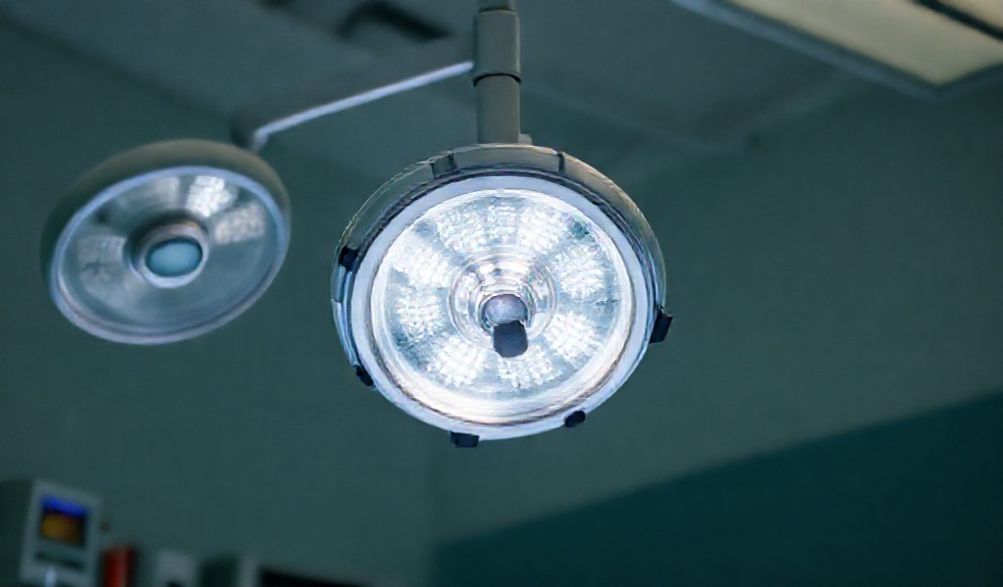
Surgery Lights: A Comprehensive Guide to Types, Features, and Selection for Optimal Outcomes
What separates a good surgical outcome from a great one? While skill, technology, and teamwork are paramount, there is one foundational element that underpins them all: visibility. In the high-stakes environment of the operating room, where millimeters and subtle color differences dictate decisions, lighting is not merely a utility—it is an extension of the surgeon’s senses. The right surgery light can enhance precision, reduce fatigue, and directly contribute to patient safety. The wrong one can cast deceptive shadows, distort tissue color, and become a source of frustration and risk.
This guide is designed to be your authoritative resource. Whether you are a surgeon advocating for better equipment, a hospital procurement specialist evaluating options, a surgical center manager planning an upgrade, or a medical student understanding OR fundamentals, this article synthesizes critical information from surgical ergonomics studies, peer-reviewed optics research, and technical specifications to provide a clear, unbiased framework. We will move beyond marketing jargon to explore the evolution, technology, and practical selection criteria for modern surgical illumination, empowering you to make an informed decision that benefits both the surgical team and the patient.
The Critical Role of Surgical Lighting in Modern Medicine
Beyond Illumination: Impact on Surgical Precision and Patient Safety
A surgery light does far more than just “light up the room.” Its core function is to create an optimal visual field that mimics natural daylight in a controlled, focused manner. Key performance aspects have direct clinical correlations:
- Shadow Reduction: A surgeon’s hands, head, and instruments inevitably obstruct the light path. Advanced lighting systems use multiple, strategically placed point sources to fill in these obstructive shadows, ensuring critical anatomy is never hidden. Poor shadow management can lead to visual fatigue and, in worst-case scenarios, obscured bleeding points or anatomical landmarks.
- Color Rendering: Accurate differentiation between arterial and venous blood, healthy and necrotic tissue, or subtle variations in organ color is vital. Lighting with poor color fidelity can mask cyanosis, misinterpret tissue perfusion, or alter the appearance of bile or other fluids.
- Depth Perception: In deep-cavity surgeries like those in cardiothoracic, pelvic, or spinal procedures, the light must effectively penetrate and illuminate vertical walls without creating a “hot spot” only on the surface. This three-dimensional illumination is crucial for spatial orientation and instrument manipulation.
Studies have consistently linked superior surgical lighting to tangible benefits: reduced operative times due to improved visual clarity, decreased surgeon eye strain and neck fatigue, and ultimately, a positive impact on patient safety and outcomes by minimizing visual-error-related complications.
A Brief History: From Sunlight to LED
The quest for perfect surgical light has evolved dramatically:
* Early Days: Surgeons relied on natural sunlight or simple oil and gas lamps, severely limiting when and where surgery could be performed.
* Incandescent & Halogen: The introduction of electric bulbs was a revolution. Halogen lights, with their brighter, whiter light, became the standard for decades. However, they were extremely hot, energy-inefficient, and had short lifespans.
* Metal Halide/HID: These offered better efficiency and color temperature than halogen but still suffered from significant heat output, long “strike” times to reach full brightness, and contained hazardous materials.
* The LED Revolution: Light Emitting Diode (LED) technology now dominates. It represents a quantum leap: instant on/off, minimal infrared heat radiation (reducing tissue desiccation and surgeon discomfort), exceptional energy efficiency (saving ~70% over halogen), and lifespans measured in decades rather than hundreds of hours. The controllability of LED arrays also allows for unprecedented precision in beam shaping, shadow management, and color tuning.
Key Technical Features and Specifications Explained
Understanding these terms is essential for evaluating any surgery light system.
Illumination Metrics: Lux, Lumens, and Field Diameter
- Lumens: A measure of the total visible light emitted by a source (its “luminous flux”). It’s a useful number but doesn’t tell the whole story.
- Lux (lx): This is the critical metric. It measures illuminance—how much light actually falls on a surface (lumens per square meter). A surgery light might produce 100,000 lumens, but what matters is the lux level at the surgical site, typically 40,000 to 160,000 lux at the center of the field. This ensures sufficient brightness for discerning fine detail.
- Field Diameter: This defines the size of the illuminated area at a specific working distance (e.g., 1 meter). A good system provides a large, uniformly bright field (e.g., 30cm diameter at 1m) with a soft edge to facilitate easy repositioning.
Color Temperature and Rendering Index (CRI)
- Color Temperature (Kelvin, K): Describes the hue of “white” light. Lower temperatures (3000K) are warm/yellowish, while higher ones (7000K) are cool/bluish. The surgical sweet spot is typically 4000K to 5000K—a neutral, daylight-like white that promotes accurate tissue differentiation without causing blue-light-induced eye strain.
- Color Rendering Index (CRI): On a scale of 0-100, CRI indicates how accurately a light source reveals the true colors of objects compared to natural daylight. For surgery, a CRI of 95 or higher is essential. A high CRI ensures that the subtle differences in tissue color, blood oxygenation (arterial vs. venous), and organ viability are rendered without distortion.
Shadow Management and Depth of Field
- Shadow Management: This is achieved through optical design. Modern lights use a multi-source array (dozens to hundreds of individual LEDs) arranged in a specific pattern within a reflector bowl. When an obstruction blocks some LEDs, the others from different angles fill in the shadow, dramatically reducing its density. This is often expressed as a “shadow dilution” percentage.
- Depth of Field: Also called “deep-cavity illumination,” this refers to the light’s ability to penetrate into a wound cavity and illuminate the sides, not just the base. It is achieved through a combination of the light head’s aperture, reflector design, and the beam’s convergence. Good depth of field provides a 3D view critical for complex procedures.
Types of Surgical Lights: A Comparative Analysis
Ceiling-Mounted Surgical Lights: The Operating Room Standard
These are the workhorses of the main OR, offering maximum flexibility and performance.
- Single-Arm vs. Multi-Arm Configurations:
- Single-Arm: Offers a streamlined design, often at a lower cost. Ideal for smaller ORs or where a single light head is sufficient (e.g., many orthopedic or superficial procedures).
- Multi-Arm (Dual, Triple, or More): Provides unparalleled flexibility. Multiple independent light heads can be positioned by different members of the team (e.g., surgeon and assistant), virtually eliminating all shadows. They can also be combined to create a larger, brighter field for major trauma or transplant surgery. This is the preferred choice for large, multi-specialty ORs and teaching hospitals.
- Central vs. Perimeter Light Head Design:
- Central Design: The light sources are clustered in the center of the head. This can create a more focused, penetrating beam excellent for deep cavities but may produce a slightly harder-edged light field.
- Perimeter Design: LEDs are arranged in a ring around the edge. This design excels at creating an exceptionally wide, even, and shadow-reduced field, perfect for surface procedures like plastic surgery or large open abdominal cases.
Portable and Specialized Surgical Lights
- Surgical Headlights: These wearable systems are indispensable for minimally invasive, dental, ENT, and neurological procedures. They provide coaxial illumination—light that follows the surgeon’s line of sight directly into a deep or narrow cavity, eliminating the head-shadow problem entirely. Modern LED headlights are lightweight, cool, and offer brightness and color temperature adjustability.
- Examination and Minor Procedure Lights: Found in outpatient clinics, emergency rooms, endoscopy suites, and labor & delivery. They are typically single-arm or wall-mounted units designed for flexibility over extreme intensity. They prioritize ease of positioning, sterilization, and cost-effectiveness for shorter, less invasive procedures.
How to Choose the Right Surgery Light: A Procurement Checklist
Assessing Clinical Needs by Surgical Specialty
One size does not fit all. Align the light’s strengths with procedural demands:
* Cardiac/Deep Cavity Surgery: Prioritize exceptional depth of field and penetration. Look for high central lux and a beam designed for deep illumination.
* Plastic/Reconstructive Surgery: Color accuracy (CRI >95) and large, even field homogeneity are paramount for accurately assessing skin flaps, grafts, and tissue viability.
* Neurosurgery: Minimal heat emission (to avoid heating sensitive neural tissue) and precise, shadow-free illumination in a confined space are critical. Lightweight, maneuverable arms are also key.
* Orthopedic Surgery: Often requires high intensity to see into deep joints and bone cavities, combined with robust construction to withstand potential contact in a busy OR.
* Teaching Hospitals: Superior shadow reduction and a very wide, uniform field are non-negotiable to ensure both the attending and trainees have an identical, clear view.
Evaluating Total Cost of Ownership (TCO)
Look beyond the sticker price. Consider:
1. Initial Purchase Price: The capital investment.
2. Energy Consumption: LED systems consume a fraction of the power of halogen/HID, leading to significant annual savings.
3. Lamp/LED Replacement: Halogen bulbs fail frequently. Quality LED modules are rated for 50,000 to 100,000 hours—often 10-15 years of OR use—virtually eliminating this cost.
4. Maintenance & Service: Simpler LED systems with fewer moving parts and no bulbs can reduce service contracts and downtime.
5. Sterilization & Durability: Are the handles and light head designed for easy, rapid cleaning without degrading? Is the finish resistant to harsh chemicals?
Compatibility and Integration with the OR Ecosystem
The light must work within the OR’s physical and technological constraints.
* Mounting & Reach: Does the ceiling track or point allow for the light’s required footprint and weight? Does the boom have sufficient reach to cover the entire table without impeding anesthesiologists or equipment?
* Interference: Ensure the light’s electromagnetic emissions do not interfere with sensitive monitoring or imaging equipment.
* Sterile Draping: Is the light head compatible with disposable sterile drapes or handles? Is the design smooth and crevice-free to facilitate aseptic technique?
Maintenance, Sterilization, and Safety Standards
Routine Cleaning and Disinfection Protocols
Surgery lights are high-touch surfaces and potential vectors for Healthcare-Associated Infections (HAIs). Protocols must be strict:
* Between Procedures: Wipe down all handles, control panels, and accessible surfaces of the light head with an intermediate-level hospital-grade disinfectant.
* Daily/Weekly Terminal Cleaning: A more thorough cleaning per facility policy, following AORN (Association of periOperative Registered Nurses) and CDC guidelines.
* Sterile Drapes: For major procedures, a single-use sterile sleeve or drape should be applied to the entire light head or at minimum to the handles. Always follow the manufacturer’s instructions for use (IFU) to avoid damaging sensitive electronics or optics with incompatible chemicals.
Understanding Regulatory Compliance (FDA, IEC 60601)
This is non-negotiable for patient and staff safety.
* FDA Clearance: In the United States, surgical lights are regulated as Class II medical devices. Purchasing from a reputable manufacturer ensures the device has undergone the FDA’s 510(k) clearance process, verifying its safety and effectiveness.
* IEC 60601-1 & -2-41: This is the international standard for the safety and essential performance of medical electrical equipment, with Part 2-41 specifically for surgical lights. Compliance ensures protection against electrical shock, mechanical hazards, excessive heat, and radiation. Always verify that any system under consideration meets these standards.
Frequently Asked Questions (FAQ)
Q: What is the typical lifespan of an LED surgical light?
A: High-quality LED surgical lights are designed to last 50,000 to 100,000 hours. Under normal operating room use (approximately 2,000 hours per year), this translates to 25 years or more before the light output degrades to 70% of its original value (often considered its useful life).
Q: How often do surgical lights need to be serviced or calibrated?
A: Annual preventative maintenance is highly recommended. This involves checking the balance and movement of mechanical arms, inspecting electrical connections, and verifying control systems. Formal calibration of light intensity (lux) and color temperature should be performed according to the manufacturer’s schedule, typically every 1-2 years, to ensure consistent performance.
Q: Can older halogen light systems be retrofitted with LED?
A: Sometimes. Some manufacturers offer retrofit kits that replace the halogen bulb and reflector with an LED module. However, a thorough cost-benefit analysis is crucial. The older mechanics, optics, and wiring may not fully support the LED’s potential, and the investment might be better applied toward a modern, fully integrated LED system designed for optimal performance.
Q: What is the most important feature for a teaching hospital OR?
A: Exceptional shadow reduction and a wide, homogeneous light field are paramount. A multi-arm LED system with a perimeter design is often ideal, as it ensures that everyone around the table—attending surgeon, residents, medical students, and assistants—has a clear, unobstructed, and consistent view of the surgical site.
Q: Are there specific lights recommended for minimally invasive surgery?
A: While overhead lights are used for general OR illumination, surgical headlights are frequently the tool of choice for MIS (Minimally Invasive Surgery). They provide direct, coaxial light down laparoscopic ports or deep narrow incisions, illuminating the exact area the surgeon is viewing on the monitor without casting shadows from their head or instruments held near the port.
Conclusion
Selecting a surgery light is a critical decision that sits at the intersection of clinical excellence, financial stewardship, and operational efficiency. It is not merely purchasing a piece of equipment, but investing in a tool that directly impacts surgical precision, team performance, and patient safety. The journey from halogen to LED has provided remarkable gains, but understanding the nuances of lux, CRI, shadow management, and system design is key to unlocking those benefits.
As you move forward, leverage the checklist provided here. Consult with your clinical engineering team for technical validation. Most importantly, demand a hands-on demonstration in a simulated OR setting—there is no substitute for seeing and feeling the light’s performance firsthand. Review evaluations in peer-published literature and prioritize total value, where superior clinical performance, unwavering safety, and favorable lifetime cost converge.
Your choice will illuminate the path to better outcomes for years to come.
p>