
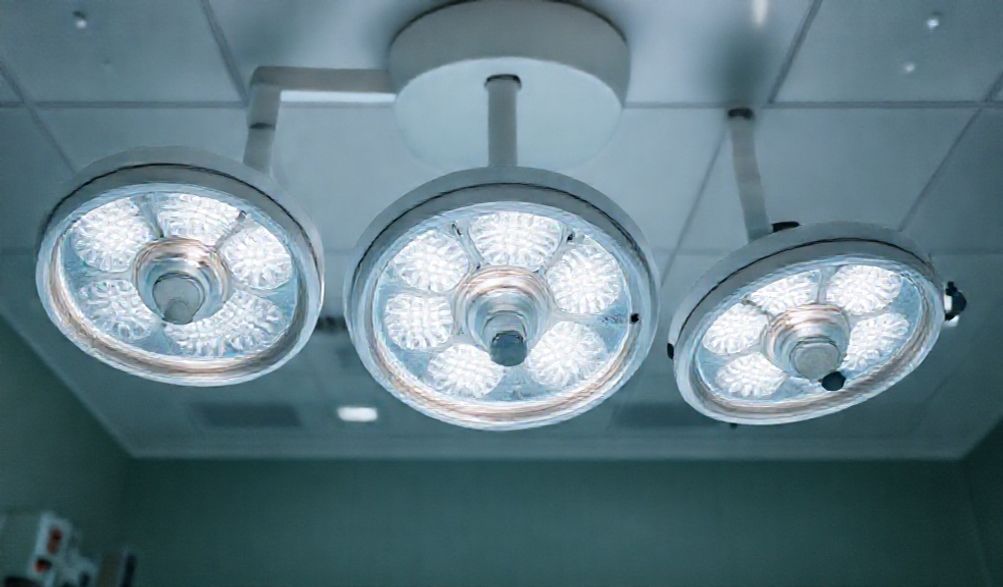
Surgical Operating Room Lights: A Guide to Technology, Selection, and Safety
In the high-stakes environment of the operating room, where precision is measured in millimeters and outcomes hinge on flawless execution, one critical tool is often overlooked: the surgical light. More than just a lamp, modern surgical operating room lights are sophisticated medical devices engineered to become a natural extension of a surgeon’s vision. The quality, intensity, and color of illumination can directly influence the accuracy of a dissection, the identification of critical structures, and ultimately, the safety of the patient. Subpar lighting contributes to eye strain, increases procedural time, and can elevate the risk of error. This guide serves as a comprehensive, evidence-based resource for healthcare administrators, facility managers, procurement specialists, and surgical staff tasked with the crucial decision of selecting, maintaining, and understanding the illumination systems that underpin modern surgery. We will explore the core technologies, essential features, rigorous selection criteria, and vital maintenance protocols that define this foundational element of the surgical ecosystem.
The Critical Role of Illumination in Modern Surgery
Surgical lighting has evolved far beyond the simple goal of “making things bright.” Today, it is a discipline of applied physics and human factors engineering, designed to meet the exacting demands of microsurgery, minimally invasive procedures, and complex open surgeries.
Beyond Basic Visibility: Enhancing Precision and Patient Safety
The primary objective is to create an optical environment that mimics natural daylight as closely as possible within the confined, deep spaces of the human body. Advanced surgical operating room lights are engineered to provide homogeneous, high-intensity light that penetrates cavities without casting obstructive shadows from the surgeon’s head or hands. This is achieved through multi-point source technology, where hundreds of individual LED elements are arranged to emit light from multiple angles, effectively “filling in” shadows. Furthermore, exceptional depth of field ensures that the light remains focused and intense even at varying distances from the surgical site, whether working on the surface or deep within a cavity. This reduces the need for constant refocusing, minimizes visual fatigue, and allows for superior differentiation between tissues, vessels, and nerves—a direct contributor to surgical precision and patient safety.
The Impact on Surgical Outcomes and Staff Well-being
The correlation between optimal lighting and positive surgical outcomes is well-supported. Studies have indicated that improved illumination can lead to reduced error rates and shorter procedure times. For the surgical team, the benefits are equally significant. High-quality lighting with excellent color rendering reduces cognitive load and visual strain, combating fatigue during lengthy operations. Modern LED systems also emit significantly less radiant heat than their halogen predecessors, creating a more comfortable physical environment for the team and reducing thermal stress on exposed tissues. By supporting the well-being and performance of the staff, optimal lighting becomes an integral component of overall operating room efficiency and safety culture.
Core Technologies in Surgical Lighting Systems
Understanding the underlying technology is key to making an informed selection. The industry has undergone a fundamental shift, moving decisively from traditional halogen to solid-state LED illumination.
LED vs. Traditional Halogen: A Comparative Analysis
The transition to LED (Light Emitting Diode) technology represents the most significant advance in surgical lighting in decades. Compared to halogen:
* Lifespan & Cost of Ownership: LED modules boast lifespans of 50,000 hours or more, compared to 1,000-2,000 hours for halogen bulbs. This drastically reduces replacement frequency, downtime, and long-term maintenance costs.
* Thermal Management: LEDs convert energy to light far more efficiently, emitting minimal infrared radiation. This “cool light” prevents tissue desiccation and improves comfort for the surgical team, eliminating the need for complex heat-filtering systems.
* Energy Efficiency: LED systems consume up to 80% less energy than equivalent halogen systems, offering substantial utility savings and aligning with sustainable healthcare initiatives.
* Performance Consistency: LED output remains stable throughout its lifespan, with no degradation in intensity or color quality, unlike halogen bulbs which dim and yellow over time.
Understanding Color Rendering Index (CRI) and Color Temperature
Two technical specifications are paramount in evaluating light quality:
* Color Rendering Index (CRI): Measured on a scale of 0-100, CRI indicates how accurately a light source reveals the true colors of objects compared to natural sunlight. For surgery, a CRI of 90 or higher is essential. This allows surgeons to accurately distinguish between subtle tissue shades—differentiating arterial blood from venous blood, identifying bile ducts, or recognizing ischemic tissue.
* Color Temperature: Measured in Kelvins (K), this describes the hue of the white light. Surgical lights typically operate in the 4000K to 5000K range, producing a neutral, crisp white light that enhances contrast without causing a blue or yellow cast, which can distort perception.
The Principle of Shadow Reduction and Depth of Field
As mentioned, shadow control is a defining feature. This is accomplished not by a single bulb, but by an array of LEDs spread across a large reflector or panel. These multiple point sources create overlapping fields of light. When a surgeon’s hand obstructs one point, light from the others fills the area, dramatically reducing the density and obtrusiveness of the shadow. Coupled with advanced optical lenses, this design also delivers a deep, uniform field of light, maintaining focus and intensity from the canopy down to the deepest point of the wound.
Key Features to Evaluate When Selecting OR Lights
When procuring surgical operating room lights, performance must be evaluated against a checklist of critical features that impact daily clinical use.
Illumination Performance Metrics: Lux, Field Diameter, and Depth
- Illuminance (Lux): This measures light intensity at the surgical site. Modern systems offer adjustable intensity, often ranging from 40,000 to over 160,000 lux. Neurosurgery or cardiac surgery may demand the highest settings for deep-cavity work, while other specialties may require less.
- Field Diameter: The size of the illuminated area is adjustable. A small, focused spot is needed for microsurgery, while a large field is required for major trauma or orthopedic procedures. Look for systems that offer a wide, seamless range of adjustment.
- Depth of Illumination: Specifications should state how deep (e.g., 20-30 cm) the light can effectively penetrate while maintaining a uniform, high-intensity field.
Maneuverability and Ergonomic Design
The light must go where the surgeon needs it, effortlessly.
* Mounting: Ceiling-mounted tracks or single-point mounts offer the greatest flexibility and keep the floor clear. Mobile floor stands are an option for specific settings or as backups.
* Reach and Articulation: The light head should have a wide horizontal reach and multiple joints (often 4-6) that can be positioned and locked smoothly with minimal effort, often via gas springs or counterbalance systems.
* Sterilization & Controls: The entire light head, especially handles, must be designed for easy cleaning and withstand harsh disinfectants. Touchless control via sterile handles, voice activation, or foot pedals is a valuable feature for maintaining aseptic technique.
Integration with the Surgical Ecosystem
The modern OR is a networked environment. Surgical lights are no longer isolated devices.
* Imaging Compatibility: Lights must be compatible with advanced visualization technologies like fluorescence imaging (e.g., for angiography or cancer mapping). Some systems offer built-in filters or dedicated “black-out” modes.
* Video Integration: High-definition cameras can be integrated directly into the light head for recording, telemedicine, and teaching, providing the camera with the same optimal illumination as the surgeon’s view.
* OR Control Systems: Lights can be connected to the room’s central control system, allowing for preset lighting “scenes” to be recalled at the start of specific procedures.
Guidelines for Installation, Maintenance, and Safety
Proper implementation is as important as the technology itself.
Strategic Planning for OR Light Installation
Early collaboration is crucial. Involving clinical staff, architects, clinical engineers, and the lighting supplier during the OR design phase is non-negotiable. Key considerations include:
* Ceiling Structure: Ensuring adequate structural support for the weight of the track and lights.
* Placement: Determining the optimal track layout or mount position relative to the surgical table to provide coverage for all anticipated table positions and surgical approaches.
* Backup Systems: Planning for redundant power supplies or backup light systems to ensure illumination is never lost during a procedure.
Ensuring Peak Performance: Calibration and Preventive Maintenance
Surgical lights are precision instruments that require regular care.
* Calibration: Intensity and color temperature should be professionally calibrated at least annually, or per the manufacturer’s stricter schedule, to ensure they meet original specifications.
* Preventive Maintenance: Scheduled inspections by certified biomedical technicians should check mechanical integrity (joints, brakes, movement), electrical safety, cleanliness of filters and lenses, and the function of all controls. This proactive approach prevents failures and extends system life.
Adhering to Regulatory and Safety Standards
Compliance is a baseline requirement. All surgical operating room lights must conform to stringent international standards, primarily IEC 60601-2-41, which specifically governs the safety and essential performance of surgical luminaires. In the U.S., they are Class II medical devices regulated by the FDA. Look for certifications like UL (USA), CE (Europe), and other regional marks that validate electrical safety, electromagnetic compatibility, and overall performance claims.
Future Trends and Innovations in Surgical Illumination
The future points toward smarter, more adaptive, and more diagnostic lighting systems.
* Smart Lighting and Adaptive Control: Future systems will feature ambient light sensors to automatically adjust intensity, and may integrate with hospital IoT platforms. Lighting “presets” could be linked to the patient’s electronic record and the specific surgical step, adjusting automatically.
* Advanced Imaging and Enhanced Visualization: We are seeing the integration of multi-spectral imaging directly into light heads. Technologies like Narrow Band Imaging (NBI) or hyperspectral imaging can be activated with a button, projecting specific light wavelengths that enhance the visualization of vascular patterns or tissue oxygenation without needing separate, bulky equipment.
FAQ Section
Q1: How often should surgical lights be professionally serviced and calibrated?
A: Manufacturers typically recommend a full professional service and calibration at least once a year. However, for high-use rooms, a more frequent schedule (e.g., every 6 months) may be prudent. Treat this as a critical patient safety protocol, not routine maintenance.
Q2: What is the typical lifespan of an LED surgical light, and what are the cost-of-ownership benefits?
A: The LED light engine itself often lasts 50,000 to 100,000 hours—decades of normal use. The primary cost benefits come from massive reductions in energy consumption (60-80% savings vs. halogen), the near-elimination of bulb replacement costs and labor, and reduced HVAC load due to minimal heat output.
Q3: Can existing halogen light systems be upgraded to LED?
A: Some manufacturers offer LED retrofit kits for specific older models. While this can be a lower upfront cost, it may not provide the full performance, ergonomic, and safety benefits of a new system designed around LED technology. A complete replacement is usually recommended for optimal results and to maintain warranty and regulatory compliance. Always consult with a clinical engineering team first.
Q4: How do we determine the right number and configuration of lights for a new OR suite?
A: There is no one-size-fits-all answer. It depends on the surgical specialty mix (e.g., a cardiac OR may need a different setup than an orthopedic trauma room), table orientation, and ceiling design. A multidisciplinary planning team—including surgeons, nurses, facilities managers, and the lighting supplier—must simulate workflows to determine the ideal track layout and number of light heads.
Q5: What are the most important factors for infection control in OR light design?
A: The light must have a seamless, smooth exterior with minimal joints and crevices where contaminants can lodge. All surfaces must be capable of withstanding frequent wiping with powerful disinfectants without corroding or degrading. The design should also complement laminar airflow systems, minimizing turbulence and particle shedding.
Conclusion
Selecting surgical operating room lights is a strategic investment in the foundational infrastructure of patient care. They are not a commodity purchase but a critical, technology-driven tool that directly influences surgical precision, team performance, and patient safety. The decision must be guided by verifiable performance data, stringent safety standards, and—most importantly—the direct input of the clinical teams who will use them daily. We encourage all stakeholders to move beyond spec sheets and conduct thorough, hands-on evaluations in a simulated OR environment. Consult closely with your clinical engineering department, and demand detailed lifecycle cost analyses from reputable manufacturers. In the illuminated field of surgery, the right light doesn’t just show the way—it defines the path to a successful outcome.
p>