
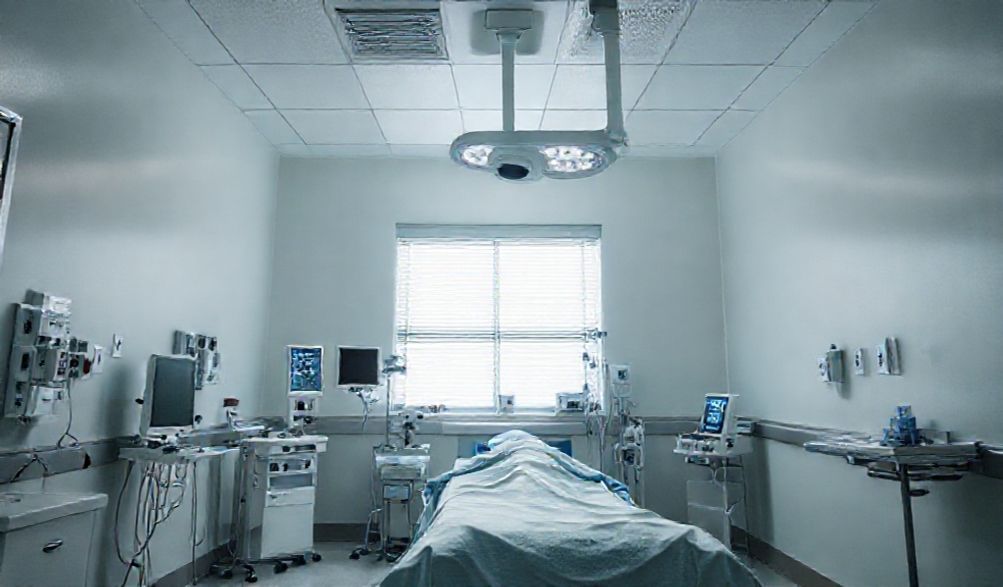
The Complete Guide to Patient Room Lighting: Enhancing Healing, Comfort, and Safety
Introduction
Hospitalization is a profoundly stressful experience. Amidst the clinical procedures, unfamiliar sounds, and loss of routine, the environment itself can feel alienating and hinder recovery. While we focus on advanced medicine and compassionate care, one of the most fundamental elements of that environment is often overlooked: light. Far more than mere illumination, light is a potent biological and psychological signal, a tool that can either disrupt or profoundly support the healing journey.
This comprehensive guide moves beyond the basic switch on the wall to explore patient room lighting from every critical angle—medical, psychological, practical, and technological. Whether you are a patient navigating a hospital stay, a family member setting up a home recovery space, or a caregiver seeking to improve comfort, this resource empowers you with knowledge. We will translate clinical research and design principles into actionable insights, demonstrating how intentional lighting choices can actively promote better sleep, elevate mood, enhance safety, and create a true sanctuary for healing. Our exploration is grounded in evidence-based science, human-centered design expertise, and a deep understanding of patient needs, positioning this as a trustworthy guide for making informed, impactful decisions about the light that surrounds recovery.
Why Patient Room Lighting Matters: More Than Just Illumination
Light in a healthcare setting is not a passive backdrop; it is an active participant in patient outcomes. Understanding its multifaceted role is the first step toward harnessing its power.
The Science of Light and Circadian Rhythms
At the core of our biology lies the circadian rhythm, the internal 24-hour clock that governs sleep-wake cycles, hormone release, body temperature, and even cell regeneration. This rhythm is primarily set by light, specifically through specialized cells in our eyes that detect blue-wavelength light.
In a typical hospital room, this natural cycle is under constant assault. Bright overhead lights at midnight for checks, dim days spent in bed away from windows, and the glow of medical equipment disrupt the delicate light-dark signal. The consequences are significant: poor, fragmented sleep is linked to slower wound healing, increased pain sensitivity, higher stress levels, and a weakened immune response. By disregarding circadian biology, conventional lighting can inadvertently prolong recovery and diminish patient well-being.
Psychological and Emotional Impacts
The psychological impact of lighting is immediate and visceral. Harsh, cool fluorescent light can heighten anxiety, make a sterile room feel colder, and even amplify the perception of pain. Conversely, warm, softly diffused light can induce calm, reduce stress, and create a sense of safety and warmth.
Perhaps most importantly, lighting is tied to a patient’s sense of autonomy—a critical component of psychological well-being. Being confined to a bed in a room where you cannot control the brightness or source of light is profoundly disempowering. The simple ability to adjust a light to read a book, dim it for rest, or turn on a gentle nightlight restores a vital piece of personal control, reducing feelings of helplessness and fostering a more positive mental state.
Safety and Functional Necessities
Beyond biology and psychology, lighting serves irreplaceable practical functions. For medical staff, high-quality, shadow-free illumination with accurate color rendering is essential for tasks like IV insertion, wound assessment, and reading charts. For patients, adequate lighting is crucial for safe mobility, especially during trips to the bathroom at night, preventing falls—a major risk in healthcare settings.
This creates a necessary duality: lighting must serve the high-acuity needs of medical procedures while also providing restful ambient conditions. A single, glaring overhead fixture fails on both counts, highlighting the need for a more sophisticated, layered approach.
Key Principles of Effective Patient Room Lighting Design
Transforming patient room lighting from a problem into a therapeutic tool requires intentional design based on a few key principles.
Layered Lighting: Ambient, Task, and Accent
The most effective lighting schemes use layers, each with a distinct purpose, to create a flexible and comfortable environment.
- Ambient Lighting: This is the general, base-layer illumination of the room. In a patient room, it should be soft, diffuse, and free of glare. Ideal sources include cove lighting, indirect wall sconces, or well-shaded ceiling fixtures. It should be uniformly bright enough for safe navigation but fully dimmable for rest.
- Task Lighting: This is focused light for specific activities. The most critical is a high-quality, adjustable over-bed or bedside lamp for reading, eating, or filling out forms. It should be directional (to avoid disturbing a resting roommate) and dimmable. Other task lights might illuminate a visitor chair or a countertop.
- Accent Lighting: This layer adds visual interest and a sense of calm. A subtle wall wash, a small picture light, or integrated LED strips under the bed or along the floor (as a night path) can reduce the clinical feel and provide orientation without being intrusive.
Layering allows a patient to have bright light for a task without flooding the entire room, and ambient light for comfort without sacrificing the ability to see clearly when needed.
Tunable White Lighting: Mimicking the Natural Day
This is where technology meets biology. Tunable white, or circadian, lighting systems allow the color temperature and intensity of the ambient light to automatically change throughout the day, simulating the natural progression of sunlight.
- Morning/Day (e.g., 8 AM – 4 PM): Lights emit a cooler, brighter white (5000K-6500K), promoting alertness, supporting cognitive function, and reinforcing the daytime signal for the circadian clock.
- Evening/Night (e.g., 4 PM – 8 AM): Lights gradually shift to a warmer, dimmer amber-white (2700K-3000K), supporting melatonin production, reducing physiological arousal, and preparing the body for rest.
For patients cut off from windows or on extended stays, this dynamic system is one of the most powerful tools for maintaining circadian health, improving sleep quality, and reducing the disorienting “timeless” feeling of a hospital.
Glare Control and Visual Comfort
For a patient confined to a bed, often lying on their back, standard lighting can be a source of significant discomfort and even pain. Glare from shiny floors, reflective surfaces, or exposed bulbs causes eye strain, headaches, and aversion.
Solutions include:
* Using indirect lighting that bounces light off walls or ceilings.
* Employing fixtures with deep baffles or opaque shades to conceal the light source from direct view.
* Choosing matte finishes for furniture and surfaces.
* Ensuring all task lights are fully adjustable to point away from the patient’s eyes when in a resting position.
Color Rendering Index (CRI) for Accurate Perception
CRI is a scale (0-100) that measures a light source’s ability to reveal the true colors of objects compared to natural sunlight. A low-CRI light can make skin look pallid or gray, masking signs of jaundice, cyanosis, or infection. It also creates a dreary, unnatural environment.
For patient rooms, a CRI of 90 or above is recommended. High-CRI LED lighting ensures clinical staff can make accurate visual assessments and helps create a more vibrant, life-like, and pleasant atmosphere for the patient, which supports psychological well-being.
Lighting Considerations for Specific Patient Needs
One size does not fit all. Effective lighting design adapts to the unique requirements of different patient populations.
Lighting for Elderly Patients and Those with Low Vision
Aging eyes require more light and are more sensitive to glare. Key considerations include:
* Increased Brightness: Ambient light levels may need to be 2-3 times higher than standard, but must still be diffuse to prevent glare.
* Enhanced Contrast: Use lighting to define edges and boundaries. A nightlight that clearly illuminates the path from bed to bathroom, including the toilet seat, is crucial for fall prevention.
* Simplified Controls: Switches and dimmers should be large, intuitive, high-contrast, and easy to reach from the bed.
Creating a Calming Environment for Pediatric Patients
For children, the hospital can be frightening. Lighting can become a source of comfort and distraction.
* Thematic & Playful Elements: Projectors that cast stars or calming shapes on the ceiling, or color-changing LED strips that the child can control via a remote or tablet, can transform the room into a magical space.
* Empowerment through Control: Allowing a child to choose a light color or turn on their “special” light gives them a sense of agency.
* Safe Night Lighting: Nightlights should be soft, warm, and non-threatening, providing enough light for parents to provide care or for the child to orient themselves without causing sleep disruption.
Supporting Mental Health and Sensory Sensitivity
Patients with dementia, autism spectrum disorders, or heightened anxiety require an especially gentle sensory environment.
* Eliminate Flicker and Buzz: Use high-quality, flicker-free LED drivers and avoid magnetic-ballast fluorescent lights, whose audible hum and subtle strobe can cause agitation and headaches.
* Maximize Control and Predictability: Offer simple dimming options and avoid automatic, motion-activated lights that can startle. Consistency is calming.
* Gentle Night Lighting: Use very low-level, red-spectrum night lights. Red light has the least impact on circadian rhythms and melatonin suppression, providing safe orientation without disrupting sleep architecture.
Practical Solutions: From Hospital Rooms to Home Care
Knowledge is power. Here’s how to apply these principles in real-world settings.
What to Look For (and Ask For) in a Hospital Setting
As a patient or advocate, you can positively influence your environment.
* Upon Admission: Ask about the lighting controls. Can the overhead lights be dimmed? Is there a working, adjustable bedside lamp?
* Make Requests: Don’t hesitate to ask staff to dim overhead lights during rest periods or at night, using only task lights for necessary checks. Request that blinds be opened during the day to maximize natural light.
* Use Personal Items (if allowed): A small, personal LED lamp with a warm, dimmable setting can make a world of difference. A portable sunrise-simulation clock can help anchor your daily rhythm.
* Advocate: Frame requests in terms of healing: “I believe softer light at night will help me sleep better and recover faster.”
Recommended Lighting Products for Home Recovery
When preparing a home recovery space, these products can create a healing-optimized environment.
* Smart Bulbs (e.g., Philips Hue, LIFX): These allow you to program circadian schedules (bright cool days, warm dim evenings), control lights by voice or phone, and choose from millions of colors for mood setting.
* Sunrise Simulation Alarm Clocks: These gradually brighten over 30 minutes, simulating a natural dawn to ease waking, which is especially helpful for regulating sleep cycles.
* Adjustable Bedside Task Lamps: Look for models with flexible goosenecks, dimmable LEDs, and a high CRI for reading.
* Plug-in Dimmer Switches: An inexpensive way to add dimming control to any standard lamp.
* Motion-Sensor Night Lights: For pathways to the bathroom, choose models with a warm color temperature and adjustable sensitivity.
Important Note: These are general recommendations. For patients with specific medical conditions like severe light sensitivity or macular degeneration, consult with an occupational therapist or physician for tailored advice.
Implementing a Healing Lighting Routine at Home
Create a daily “light diet” to support recovery:
1. Morning (7-9 AM): Seek or create bright light. Open curtains, sit near a window, or use your tunable lights in a cool, bright mode for at least 30 minutes.
2. Daytime: Maintain balanced, bright ambient light in living areas. Use task lighting for focused activities.
3. Evening (2 hours before bed): Begin to wind down. Dim overhead lights, switch to warm-white table lamps, and avoid screens or use blue-light filters.
4. Night: Use blackout curtains. If a nightlight is essential, opt for a dim red or amber one placed low to the ground to light a path without shining in your eyes.
Frequently Asked Questions (FAQ)
Q: What is the best color temperature for a patient room?
A: It’s dynamic. For supporting circadian rhythms and alertness, aim for cooler color temperatures (~5000K) during daytime hours. For relaxation and sleep preparation, switch to warmer temperatures (~2700K) in the evening. Tunable white lights automate this ideal cycle.
Q: Are LED lights good for patient rooms?
A: Yes, high-quality LEDs are an excellent choice. They are energy-efficient, long-lasting, fully dimmable, and available in a wide range of color temperatures and high CRI values. The key is to select “flicker-free” models with a CRI >90 for the best visual comfort and color accuracy.
Q: How can I reduce sleep disruption from hospital lighting at night?
A: Use a high-quality sleep mask. Politely request that overhead lights be turned off or dimmed to the lowest setting, with staff using a small penlight or your personal bedside lamp (pointed away from you) for checks. Close the room door and blinds to block hallway light. Earplugs can also help you ignore the switch being turned on.
Q: Can lighting really help with depression or jet lag in a hospital?
A: Absolutely. Bright light therapy is a first-line treatment for Seasonal Affective Disorder (SAD) and is used for non-seasonal depression and circadian rhythm disorders like jet lag. Consistent, bright light exposure (usually in the morning) can help reset the internal clock and improve mood. Discuss the potential for light therapy with your healthcare provider.
Q: What is the most important feature of patient room lighting?
A: Control. The single most impactful feature is the patient’s ability to easily adjust the light level and source to meet their immediate need—be it for a medical procedure, reading a get-well card, or finding deep rest. Control restores dignity, reduces stress, and personalizes the healing environment.
Conclusion
Patient room lighting is far from a minor detail in healthcare design; it is a critical, active component of holistic care. As we have seen, it directly influences the physiological processes of sleep and healing, shapes psychological well-being and emotional resilience, and ensures practical safety. By moving beyond thinking of light as simple illumination, we can start to see it as a versatile, non-pharmacological tool in the healing arsenal.
We encourage you—whether you are a patient, a loving family member, or a dedicated healthcare professional—to look at the lighting in recovery spaces with new eyes. Advocate for adjustable, layered, and circadian-conscious light in hospitals. Invest thought and care into creating a healing light environment at home. This investment, informed by evidence and human-centered design, creates spaces that do more than house patients; they actively nurture recovery, comfort, and hope.
Call to Action: Take a moment today to assess the lighting in your or your loved one’s recovery space. What one change could you make—adding a dimmer, switching to a warmer bulb, or programming a smart light schedule—to better support the journey back to health? Start there.
p>