
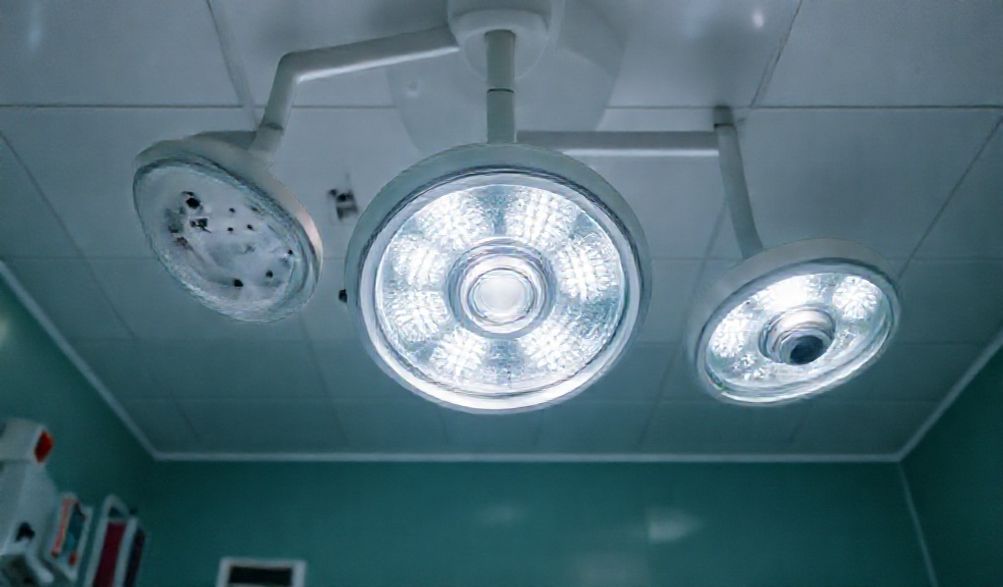
Clinical Lighting in Hospitals: Enhancing Patient Outcomes and Staff Performance
A startling fact often overlooked in healthcare design is this: the quality of light in a hospital can influence a patient’s recovery time by up to 30%. Beyond the sterile glow of the hallway or the stark beam of an operating theater lies a sophisticated, evidence-based discipline. Clinical lighting is not merely about illumination; it is a critical, non-pharmacological tool woven into the very fabric of patient care, staff precision, and operational excellence. It is the silent partner in healing, the unseen ally in diagnosis, and a fundamental component of the healthcare environment.
This pillar page serves as the definitive guide to understanding the science, applications, and profound importance of clinical lighting in modern hospitals. We will explore how intentional lighting design directly impacts patient recovery rates, reduces staff error, and enhances overall well-being for all occupants. The insights herein are synthesized from architectural guidelines, peer-reviewed medical studies, and industry best practices, curated for healthcare administrators, facility managers, clinical staff, and designers committed to building truly therapeutic environments.
The Science of Light in Healthcare: More Than Meets the Eye
To appreciate the power of clinical lighting, one must first understand that light is a biological signal. For humans, it is the primary regulator of our internal clock, influencing everything from hormone secretion to cognitive function. In a healthcare setting, ignoring this science means missing a significant opportunity to improve outcomes.
Circadian Rhythms and Patient Health
Our circadian rhythm—the body’s roughly 24-hour cycle—is orchestrated by light exposure. Specialized cells in the eye detect light, particularly blue wavelengths, and signal the brain’s suprachiasmatic nucleus to suppress melatonin (the sleep hormone) and increase cortisol (promoting alertness). In a hospital, where patients are often deprived of natural daylight, poor artificial lighting can completely disrupt this cycle.
The consequences are clinically significant. Disrupted circadian rhythms are strongly linked to hospital-acquired delirium, a condition affecting up to 50% of older patients and associated with longer stays, higher costs, and increased mortality. Conversely, research demonstrates that circadian lighting—systems that mimic the dynamic color temperature and intensity of natural daylight—can stabilize sleep-wake cycles, reduce agitation, and even contribute to shorter recovery times post-surgery. By aligning the artificial environment with human biology, we foster an internal environment conducive to healing.
Visual Acuity and Staff Precision
While patients benefit from rhythmic light, clinical staff rely on lighting for peak visual performance. Surgeons identifying subtle tissue variations, nurses reading medication labels, and phlebotomists locating veins all depend on optimal illumination. Inadequate lighting leads to visual fatigue, eye strain, and, critically, an increased risk of error.
This is where technical specifications become non-negotiable. Two key metrics are paramount:
* Illuminance (measured in lux): The amount of light falling on a surface. A general ward may require 300 lux, while a detailed surgical task demands over 100,000 lux.
* Color Rendering Index (CRI): A measure of a light source’s ability to reveal the true colors of objects. A high CRI (>90 is standard for clinical areas) is essential for accurate diagnosis—distinguishing between cyanosis and pallor, assessing wound healing, or interpreting visual cues during an examination.
Psychological and Emotional Impacts
Lighting profoundly affects mood and emotion. Harsh, cool-white fluorescent lighting can heighten anxiety and feel institutional, exacerbating stress for patients and families. Warmer, softer light tends to be perceived as calming and welcoming.
Strategic application is key. A waiting room might use a neutral to warm light (3000K-3500K) to reduce anxiety. A nurse’s station may employ a cooler, brighter light (4000K-5000K) to maintain alertness during chart reviews. Understanding this psychological layer allows designers to use light not just to see, but to feel, creating spaces that support mental and emotional well-being alongside physical health.
Core Components of a Modern Hospital Lighting System
Moving from science to application, a modern clinical lighting system is an integrated ecosystem of technologies designed for specific purposes.
Task Lighting vs. Ambient Lighting
Every hospital zone requires a balance of these two fundamental types:
* Task Lighting: Provides high-intensity, focused light for specific visual activities. Examples include surgical lighting systems in an OR (designed for shadow reduction and color accuracy), examination lights in an ER bay, or a focused light for a nurse preparing medications.
* Ambient Lighting: Provides general, uniform illumination for safe circulation and a baseline level of visibility. This is the background light in a patient room, hallway, or waiting area.
The magic lies in their integration and control. Advanced systems allow ambient lighting to adapt—dimming for nighttime—while task lights remain independently controllable, ensuring the right light is always available for the right job without causing glare or disruption.
Key Technical Specifications to Specify
When procuring healthcare lighting, these are the critical performance criteria:
* CRI >90: Essential for clinical accuracy in patient care areas.
* Glare Control (Unified Glare Rating – UGR): Low UGR values are crucial to prevent discomfort and visual impairment, especially in spaces where staff work for long periods.
* Illuminance Levels: Must be tailored per zone, following guidelines from the Illuminating Engineering Society (IESNA) and the Facility Guidelines Institute (FGI). An ICU requires different light levels than a radiology reading room.
* Flicker-Free Performance: Eliminates nearly imperceptible flicker that can cause headaches and eye strain.
The Rise of Tunable LED Lighting
The advent of tunable LED lighting has been a revolution for clinical environments. Unlike static sources, these LED systems can electronically adjust their correlated color temperature (CCT from warm to cool) and intensity throughout the day.
The applications are transformative:
* In the NICU: Mimicking a natural diurnal cycle has been shown to improve weight gain and sleep patterns in preterm infants.
* In Psychiatric Units: Tunable systems can create calming environments or provide alerting light as part of therapeutic protocols.
* In Patient Rooms: A circadian rhythm can be programmed, with bright, cool light in the morning to suppress melatonin, transitioning to warmer, dimmer light in the evening to promote restful sleep.
Lighting Solutions by Hospital Department: A Practical Guide
Lighting must be tailored to the unique functional and human needs of each hospital zone.
Surgical Suites and Procedure Rooms
Here, lighting is a precision instrument. Surgical lighting must be utterly reliable, offer exceptional shadow reduction (via multiple light heads), and provide superb color rendition (CRI >95) to distinguish tissue types and blood oxygenation. It must also integrate seamlessly with other technologies, such as surgical displays and imaging systems, without causing interference or screen glare.
Patient Rooms and ICUs
The patient room is a place of rest, healing, and clinical observation. Lighting here must be multifaceted:
* Patient-Centric: Offer individual control over ambient light and a dedicated reading light. Implement a circadian lighting cycle to promote healing.
* Clinician-Ready: Provide high-CRI, glare-free exam lighting for patient assessments, often integrated into a headwall unit or overbed light.
* Safe for Night: Include low-level, indirect pathway lighting for nighttime bathroom visits without disrupting sleep or fully dark-adapting nurses’ eyes.
Diagnostic and Imaging Departments
Spaces like MRI and CT scan rooms present unique challenges. Lighting must be compatible with extremely sensitive equipment, often requiring RF-shielded fixtures. In control rooms, lighting must allow technicians to read monitors accurately without causing reflections, while also considering the patient’s experience in the often-claustrophobic scanner bore, where gentle, non-threatening illumination is key.
Common Areas: Hallways, Nurseries, and Waiting Rooms
These areas serve diverse purposes. Hallway lighting must prioritize safety and wayfinding, with consistent, shadow-minimized illumination. Nurseries require warm, gentle light for bonding, with separate exam lighting for assessments. Waiting rooms benefit from a residential, calming ambiance using warmer color temperatures and indirect lighting to reduce stress for anxious visitors.
Implementing and Maintaining Clinical Lighting Systems
Adopting advanced clinical lighting is a strategic process that extends beyond initial installation.
The Planning and Procurement Process
Success begins with a cross-functional team. A needs assessment should involve clinicians, nurses, facility managers, and infection control specialists. The Request for Quotation (RFQ) should focus on performance specifications (e.g., “provide 500 lux at the bed plane with CRI >90 and tunable CCT from 2700K to 5000K”) rather than prescribing specific products, encouraging innovative solutions from vendors.
Cost-Benefit Analysis: ROI Beyond Energy Savings
While the energy efficiency of LED hospital lights offers a clear and rapid return on investment, the true ROI is far broader:
* Clinical Outcomes: Potential for reduced length of stay (LOS) and lower incidence of delirium/complications.
* Staff Performance: Reduced errors and visual fatigue, leading to higher job satisfaction and retention.
* Patient Satisfaction: Improved sleep and reduced anxiety directly impact HCAHPS scores.
Acknowledging the higher upfront cost is necessary, but the long-term value proposition—encompassing operational, clinical, and human factors—is compelling.
Maintenance and Safety Protocols
Clinical lighting is a medical asset and must be maintained as such. Scheduled cleaning and inspection are vital to maintain light output and color quality. Infection control is paramount: fixtures must be completely sealed, smooth, and cleanable without trapping pathogens. Electrical safety, especially in wet locations, is non-negotiable and must comply with all relevant codes.
Frequently Asked Questions (FAQ) About Hospital Lighting
Q1: What is the most important factor when choosing lighting for a patient room?
A: The highest priority should be patient control and circadian support. A system that allows the patient to adjust ambient light and provides an automated, diurnal light cycle promotes healing, reduces stress, and improves sleep, while still providing the necessary quality of light for clinical staff to perform assessments.
Q2: How does clinical lighting differ from standard commercial lighting?
A: Clinical lighting is governed by stricter health, safety, and performance standards. It prioritizes biological outcomes (circadian health) and clinical accuracy (high CRI) over simple cost-per-lumen efficiency. It must also be designed for rigorous infection control protocols, with fixtures that are easily cleanable and sealed against contaminants.
Q3: Can upgrading to LED lighting really improve patient outcomes?
A: Yes, but with a crucial caveat: it depends on the quality and application. Modern tunable LED systems provide the spectral control necessary to positively regulate circadian rhythms. Peer-reviewed studies link this regulation to tangible benefits like improved sleep quality, reduced agitation in dementia patients, and potentially faster postoperative recovery. The technology enables the benefit, but intentional design delivers it.
Q4: Are there specific regulations or standards for hospital lighting?
A: Yes. While local building and electrical codes form the baseline, the primary references are industry guidelines from the Facility Guidelines Institute (FGI), the Illuminating Engineering Society (IESNA), and standards from ANSI. These documents provide detailed recommendations for illuminance, glare, and performance in each type of healthcare space.
Q5: How can we retrofit lighting in an older hospital without major disruption?
A: A phased, department-by-department approach is most effective. Begin with a professional lighting audit to identify “low-hanging fruit” and high-impact areas. Many modern LED hospital lighting solutions are designed for easy retrofitting into existing infrastructure. Starting with common areas or a single patient wing as a pilot project allows for evaluation and minimizes operational disruption.
Conclusion
Clinical lighting has evolved from a basic utility into a vital therapeutic tool and a strategic infrastructure investment. It operates on a dual front: enhancing objective, measurable clinical outcomes while profoundly shaping the subjective human experience of care. As we look to the future of healthcare design, lighting will become increasingly integrated with smart building systems and personalized care protocols, responding dynamically to the needs of individuals within the institutional setting.
This guide serves as a foundation for understanding that potential. For specific projects, we strongly encourage consultation with specialized lighting designers (Lighting Certified – LC professionals) and deep engagement with clinical end-users. Informed conversations, grounded in the science and strategies outlined here, are the first step toward harnessing the full power of light to heal, comfort, and perform.
p>