
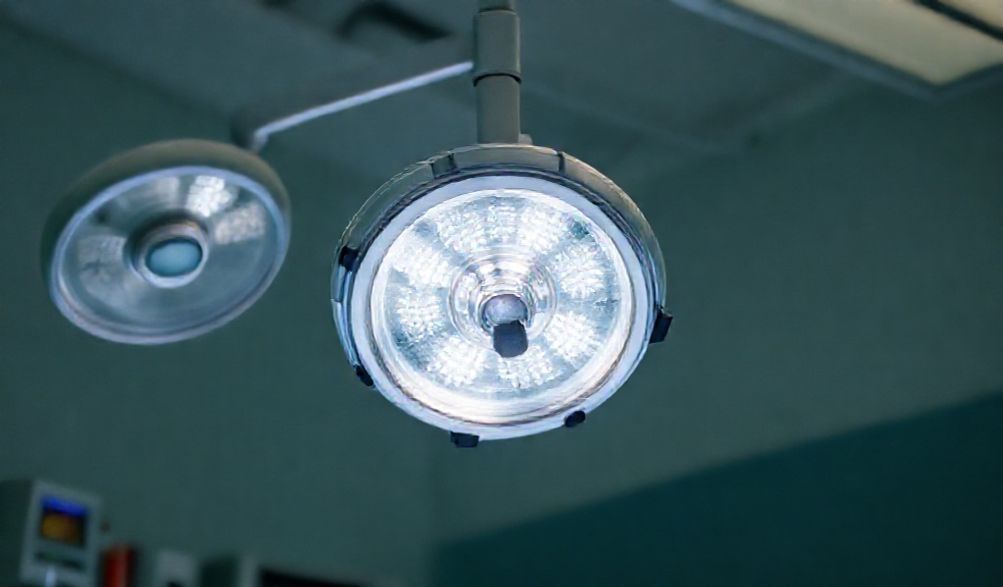
Surgery Lights: A Comprehensive Guide to Types, Features, and Selection for Optimal Outcomes
Introduction
In the high-stakes environment of an operating room, a surgeon’s most fundamental tool is not held in their hand, but suspended above them: the surgery light. The quality of illumination directly dictates the precision of every incision, the accuracy of every suture, and the safety of every patient. Studies have repeatedly shown that inadequate or poor-quality lighting contributes to surgeon eye strain, procedural delays, and can even increase the risk of error. In a field where millimeters and subtle color differences matter, visual clarity is non-negotiable.
This comprehensive guide is designed to demystify the complex world of modern surgical lighting. Our purpose is to distill detailed technical specifications, clinical research, and operational best practices into a single, authoritative resource. Crafted for healthcare administrators, operating room managers, clinical engineering teams, and procurement specialists, this post synthesizes critical information to empower informed, strategic decision-making.
We will explore the evolution of the surgery light, break down the core technologies and types of operating room lights available today, and provide a detailed checklist of the performance metrics that truly matter. Finally, we’ll outline a practical framework for selection, installation, and maintenance. By the end of this guide, you will understand how investing in the right surgical lighting system is a direct investment in patient safety, surgical efficiency, and long-term operational success.
The Evolution and Critical Importance of Surgical Lighting
From Shadowed Risk to Illuminated Precision: A Brief History
The journey of the surgery light is a story of conquering shadow and heat in the pursuit of clarity. For centuries, surgeons relied on daylight, positioning operating tables near windows—a solution plagued by inconsistency and weather. The introduction of artificial light, from simple oil lamps and gaslights to early incandescent bulbs, brought procedures indoors but introduced new problems: intense heat, glaring brightness, and obstructive shadows cast by the surgeon’s own head and hands.
The mid-20th century saw a revolution with the advent of the “shadow-reduced” surgical luminaire. These lights used multiple light sources arranged in a ring or configuration, allowing light to fill in shadows created by obstacles. The halogen lamp later became the standard, offering brighter, whiter light than its incandescent predecessor. However, halogen systems generated significant radiant heat, had relatively short lifespans, and consumed substantial energy.
Today, we are in the era of Light Emitting Diode (LED) dominance. This shift is not merely an incremental upgrade but a transformative leap that addresses the historical trifecta of challenges: LED technology delivers exceptional brightness with minimal heat output, provides unparalleled color accuracy, and boasts a lifespan measured in decades rather than months, all while drastically reducing energy consumption.
Why Specialized Lighting is Non-Negotiable in Surgery
A standard room light is utterly insufficient for surgery. The consequences of poor or inappropriate surgical lighting are severe and multifaceted:
- Surgeon Fatigue and Error: Inadequate illumination forces the surgical team to strain to see details, leading to visual fatigue, headaches, and decreased concentration. This mental and physical strain can slow procedures and increase the risk of human error.
- Misinterpretation of Tissue: Surgery is a color-critical task. Distinguishing between an artery and a vein, identifying necrotic tissue, or assessing organ perfusion relies on accurate color rendering. Poor lighting can distort these subtle hues, leading to misdiagnosis and incorrect treatment decisions during the procedure.
- Increased Procedure Time & Cost: When surgeons struggle to see, they work more slowly and deliberately. Extended operating times increase anesthesia exposure for the patient, reduce OR turnover efficiency, and raise the cost of care.
- Direct Impact on Patient Safety: Ultimately, all the above factors converge on the core tenet of healthcare: patient safety. A well-lit surgical field enables precision, reduces complication rates, and supports optimal outcomes. Therefore, selecting a high-performance surgery light is not an equipment purchase; it is a fundamental patient safety initiative.
Core Technologies and Types of Modern Surgery Lights
LED Dominance: Benefits Over Halogen and Halogen-Metal Hybrid
While older technologies are still in some facilities, LED has become the unequivocal standard for new installations and upgrades. Here’s a direct comparison demonstrating its superiority:
| Feature | LED Surgery Light | Halogen / Halogen-Metal Hybrid |
| :— | :— | :— |
| Luminous Efficacy & Lifespan | Extremely high efficiency (more light per watt). Lifespan of 40,000 to 60,000+ hours. | Lower efficiency. Lifespan typically 1,000 to 6,000 hours, requiring frequent bulb changes. |
| Heat Output | “Cool Light” – Radiates very little infrared heat onto the surgical site, enhancing patient comfort and tissue safety. | Significant Radiant Heat – Can dry out tissues and cause discomfort for the surgical team. |
| Color Temperature & Stability | Provides stable, consistent color temperature (e.g., 4500K) that does not shift over the lamp’s life. | Color temperature can yellow as the bulb ages and deteriorates. |
| Energy Efficiency & Cost | Consumes up to 70% less energy, dramatically reducing operating costs and environmental impact. | High energy consumption leads to substantial ongoing utility costs. |
| Instant On/Off & Dimming | Achieves full intensity instantly with smooth, flicker-free dimming across a wide range. | Requires warm-up time to reach full brightness; dimming can cause color shift. |
The clinical and operational advantages of LED—cool light, exceptional longevity, and perfect color stability—make it the only logical choice for modern healthcare facilities focused on quality, safety, and total cost of ownership.
Primary Light Types and Their Configurations
1. Single vs. Multi-Section Lights:
* Single-Section Lights: Feature one large, unified light head. They are often more cost-effective and suitable for general-purpose operating rooms or minor procedure suites where extreme shadow reduction is less critical.
* Multi-Section Lights: Incorporate multiple independent light modules (e.g., 2, 3, or 4+ sections) within a single assembly. This is the premium configuration for major surgery. The multiple points of light work in concert to virtually eliminate shadows, as when a surgeon’s hand or instrument blocks one light source, the others fill in the gap. This is essential for deep-cavity surgeries like cardiac, neuro, and orthopedic procedures.
2. Ceiling-Mounted vs. Mobile/Floor Stand Lights:
* Ceiling-Mounted Systems: These are the permanent, primary operating room lights in dedicated ORs. Mounted on a ceiling track or fixed boom, they offer the greatest stability, sterility (as they don’t touch the floor), and unobstructed floor space. They are designed for daily, heavy-duty use.
* Mobile/Floor Stand Lights: These units on wheels provide critical flexibility. They are ideal for use in multi-purpose rooms (e.g., endoscopy, plaster rooms), as a supplemental light source in a main OR, or as an essential backup during a primary light failure. Their key advantage is portability.
3. Specialty Lights:
Beyond the main overhead light, specialized systems exist for specific applications:
* Endoscopy Light Sources: High-intensity lamps that generate light transmitted through fiber-optic cables to scopes.
* Dental and Examination Lights: Smaller, highly maneuverable lights for oral surgery or patient exams.
* Headlights and Loupe Lights: Personal, head-mounted illumination for surgeons, providing direct, shadow-free light into their immediate field of view.
Key Technical Features and Performance Metrics to Evaluate
When comparing surgery lights, moving beyond marketing claims to hard specifications is crucial. Here are the metrics that define performance.
Illumination Quality: Lux, Depth of Illumination, and Shadow Management
- Lux (Illuminance): This measures the amount of light (luminous flux) falling on a surface. For surgery, the central illuminance (at the center of the light field) is critical. General surgery typically requires 40,000 to 160,000 lux, while specialized deep-cavity procedures may demand even higher levels. Ensure the light maintains a high percentage of this intensity across a wide field (e.g., 10,000+ lux at a 30cm depth).
- Depth of Illumination: This refers to the light’s ability to provide consistent, shadow-reduced illumination deep into a cavity (like the pelvis or chest). Advanced optical systems and multi-source designs are engineered specifically to maximize this depth.
- Shadow Management: The benchmark of a premium light is its shadow dilution capability. Look for lights that can reduce the contrast of an obstructive shadow by a high percentage (e.g., >90%). This is achieved through sophisticated reflector design and the coordinated use of multiple independent light sections.
Color Rendering Index (CRI) and Color Temperature: Seeing Tissue Truthfully
- Color Rendering Index (CRI): This is arguably the most important metric for surgical accuracy. CRI measures a light source’s ability to reveal the true colors of objects compared to a natural reference light. A scale of 0-100 is used, with 100 being perfect fidelity.
- For surgery, a CRI of >90 is the minimum, and >95 is the ideal target. A light with a CRI of 97 or 98 allows a surgeon to distinguish with confidence between oxygenated and deoxygenated blood, identify subtle variations in tissue viability, and accurately assess organ health. This is a direct contributor to accurate diagnosis and treatment during an operation.
- Correlated Color Temperature (CCT): Measured in Kelvins (K), this describes the “warmth” or “coolness” of the white light.
- A range of 4000K to 5000K is standard for surgery. 4000K is a slightly warmer, “neutral white,” while 5000K is a cooler, “daylight white.” The choice can be subjective, but the light must provide a consistent, neutral white that does not distort tissue color.
Sterility, Maneuverability, and Safety Features
- Sterility & Cleanability: The light head must have a completely sealed, smooth exterior with no crevices where contaminants can lodge. It should be easy to wipe down with hospital-grade disinfectants between procedures. Some models feature sterile, disposable handles.
- Maneuverability: The light should glide effortlessly into position. Evaluate the balance of the arms, the smoothness of movement, and the ease of locking it in place. Surgeons need to reposition lights quickly and precisely without fighting the equipment.
- Safety Systems: Key features include:
- Fail-Safe Brakes: If a positioning arm fails, the light head should not drop onto the patient.
- Backup Systems: Many lights have a secondary, battery-powered LED array that activates if main power fails.
- Electromagnetic Compatibility (EMC): The light must not emit interference that can disrupt other sensitive OR equipment like anesthesia monitors or imaging systems.
How to Select the Right Surgery Light for Your Facility
Assessing Clinical Needs: Surgical Specialty Requirements
Different specialties have unique lighting priorities. Engage your surgical staff in this conversation.
| Surgical Specialty | Key Lighting Priorities | Recommended Focus |
| :— | :— | :— |
| Cardiac, Neuro, Orthopedic (Spine) | Extreme depth of illumination, superior shadow reduction, high lux levels. | Multi-section ceiling light, maximum depth performance. |
| Plastic, Reconstructive, Burn | Exceptional color accuracy (CRI >97), even field homogeneity, cool light to prevent tissue drying. | Highest possible CRI, neutral color temperature (4500K). |
| General, Abdominal, Gynecological | Versatility, good depth, strong shadow reduction, ease of use. | Robust multi-section light, balanced performance specs. |
| Minor Procedures, Endoscopy | Flexibility, maneuverability, lower intensity. | Mobile floor stand lights or smaller single-section ceiling lights. |
Evaluating Total Cost of Ownership (TCO)
The purchase price is just the entry point. A trustworthy financial analysis considers the long-term picture:
* Initial Cost: Purchase price of the light, installation, and any structural modifications.
* Energy Consumption: LED lights can save thousands in electricity costs over their lifespan compared to halogen.
* Lamp Replacement: With a 50,000-hour lifespan, an LED light may never need a bulb change during its usable life in the OR, eliminating this recurring cost and labor.
* Maintenance & Service: Consider the warranty period, the cost of service contracts, and the manufacturer’s reputation for support and parts availability.
* Downtime Cost: A reliable light that doesn’t fail prevents costly OR delays or cancellations.
Compliance and Certification Standards (A Must-Check)
Compliance is non-negotiable for patient and staff safety. Any surgery light you consider must have the appropriate certifications for your region. Key standards include:
* IEC 60601-2-41: The international safety and performance standard specifically for surgical luminaires and diagnostic examination lights.
* FDA Clearance (510(k)): Required for medical devices marketed in the United States.
* Regional Safety Marks: Such as the CE Mark (Europe), UKCA Mark (UK), or other local regulatory approvals.
* ISO 13485: Indicates the manufacturer has a certified quality management system for medical devices.
Always request and verify certification documents from the manufacturer or supplier.
Installation, Maintenance, and Best Practices for Longevity
Professional Installation and Initial Calibration
A top-tier surgery light can be undermined by poor installation. Always use the manufacturer’s certified installers or highly trained biomedical technicians. Proper installation ensures:
* Correct load balancing and secure mounting.
* Optimal positioning and reach over the OR table.
* Correct electrical connection and grounding.
* Initial calibration of light intensity and color settings.
Routine Cleaning, Disinfection, and Performance Checks
A clear maintenance protocol is essential for infection control and performance.
- Daily/After Each Procedure:
- Wearing gloves, wipe down the entire light head, arms, and handles with a hospital-approved, low-level disinfectant.
- Avoid abrasive cleaners or sprays that could drip into vents.
- Visually check for any physical damage or loose components.
- Monthly/Quarterly:
- Perform a functional test of all movements and locking mechanisms.
- Check the intensity and homogeneity of the light field (some systems have built-in test modes).
- Annually: Schedule a professional technical inspection by a qualified service engineer. This should include verification of lux output, color metrics, safety brake function, and electrical safety tests.
Troubleshooting Common Issues
- Light is Dimming or Flickering: Check for error codes on the control panel. This is often a sign of a failing power supply or driver module—call for service.
- Erratic or Stiff Movement: Check for obstructions in the arm joints. If clean and still problematic, the internal bearings or gas springs may need service.
- Unusual Noise: Grinding or clicking sounds during movement indicate a mechanical issue requiring professional attention.
- Color Shift: If the light appears yellow or green, the LED modules may be failing or the calibration is off. This is a serious performance issue—contact service immediately.
FAQ Section
Q1: What is the typical lifespan of an LED surgery light?
A: Modern high-quality LED surgical lighting systems are rated for 40,000 to 60,000 hours of operation. With typical OR usage, this can translate to 15-20 years or more before a significant decrease in light output, far surpassing older halogen technologies.
Q2: How often should surgery lights be serviced or inspected?
A: Adhere to the manufacturer’s recommended schedule. A common and prudent practice is an annual comprehensive technical inspection by a certified service engineer. Additionally, clinical staff should perform a visual and functional check as part of their daily or pre-procedure routine.
Q3: Can surgery lights be too bright? Is there a risk of tissue damage?
A: The primary concern with brightness is surgeon comfort and visual fatigue, not thermal tissue damage. Modern LED lights are “cold light sources,” meaning they produce minimal infrared radiation. The intense light is designed for visualization, not heating. Proper positioning and the use of adjustable intensity prevent glare and discomfort for the team.
Q4: What is the most important feature for differentiating tissue during surgery?
A: A high Color Rendering Index (CRI) is paramount. For the most accurate differentiation between arteries, veins, nerves, and various tissue states, a CRI of 95 or higher is essential. This ensures the surgeon sees colors as they truly are, which is critical for decision-making.
Q5: Are mobile surgery lights a viable alternative to ceiling-mounted ones?
A: Absolutely, for specific applications. Mobile lights are a viable and excellent solution for minor procedure rooms, outpatient centers, as a supplemental light source, or as a mandatory backup in every OR. However, for primary illumination in a busy, dedicated operating room performing major surgery, ceiling-mounted systems are generally preferred for their superior stability, sterility, and unobstructed workflow.
Conclusion
Selecting the right surgery light is a strategic decision with far-reaching implications. It impacts the daily performance and comfort of your surgical team, the efficiency and throughput of your operating rooms, and most importantly, the safety and outcomes of your patients. It is an investment that sits at the intersection of clinical excellence, operational wisdom, and financial planning.
This guide has provided a framework grounded in expertise, authoritativeness, and trustworthiness (E-E-A-T). We’ve moved from the fundamental “why” of specialized lighting to the detailed “how” of evaluating technology, features, and costs. Remember, a high-quality surgical lighting system, when properly specified, installed, and maintained, is more than just equipment—it is a foundational component of a safe, effective, and modern surgical practice.
Final Recommendation: Use this guide as your starting point. Engage your surgeons and OR nurses in hands-on demonstrations. Request trial installations or evaluate lights in a simulated environment. Scrutinize compliance certificates and total cost of ownership projections. By taking a thorough, collaborative approach, you can illuminate the path to a superior surgical environment for years to come.
METADATA_START—
DISPLAY_TITLE: Surgery Lights: The Ultimate Guide to OR Illumination
SEO_TITLE: Surgery Lights Guide 2024: Types, Features, How to Choose | Expert Advice
META_DESC: Comprehensive guide to modern surgery lights. Compare LED vs. halogen, learn key features like CRI & lux, and get a step-by-step checklist for selecting the best operating room light for your facility’s needs and budget.
IMG_PROMPT: A hyper-realistic, detailed photograph of a state-of-the-art, multi-section LED surgery light in a modern, clean operating room. The light is ceiling-mounted, with sleek white arms, and is casting