
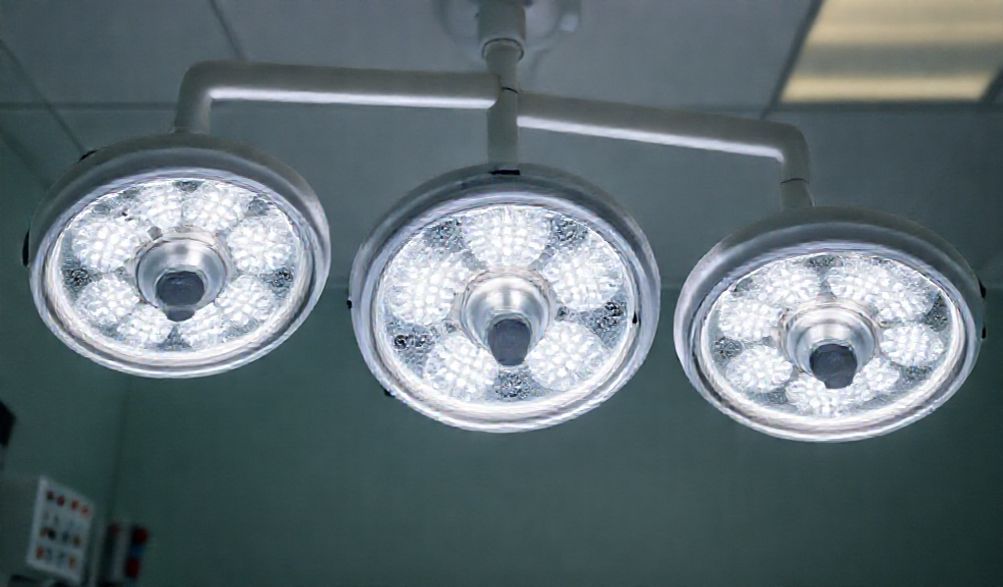
Your Complete Guide to Buying Surgery Lights for Sale: Quality, Safety, and Value
In the high-stakes environment of an operating room, every detail matters. Yet, one of the most critical—and often under-scrutinized—components isn’t a drug or a scalpel, but the light overhead. A single shadow obscuring a delicate nerve, a moment of glare-induced eye strain during a complex anastomosis, or poor color rendering that masks tissue differentiation can be the difference between a routine success and a life-altering complication. surgical lighting is not a utility; it is a foundational tool for precision, safety, and efficiency.
In our experience vetting medical equipment for hospitals, ASCs, and clinics, we’ve learned that the procurement of surgical lights is frequently approached with a focus on budget and basic specs, overlooking the nuanced features that define clinical performance. This guide is designed to change that. Written from the perspective of a medical equipment consultant, it synthesizes years of collaboration with surgeons, nurses, and biomedical engineers to move beyond simple product listings. Our goal is to provide facility managers, procurement officers, and clinical leaders with a comprehensive framework for making an informed, safe, and cost-effective investment.
We will delve into the critical decision factors: understanding the different types of surgery lights for sale, decoding the essential features that impact performance, navigating the non-negotiable world of compliance and safety standards, and outlining a smart purchasing process from needs assessment to installation. Let’s illuminate the path to a smarter purchase.
Understanding Surgical Lighting: More Than Just a Bright Light
The Critical Role of Surgical Luminaires in Modern Medicine
A surgical light, or luminaire, is engineered to do far more than simply illuminate a cavity. Its primary function is to create an optimal visual field that mimics natural daylight, allowing the surgical team to see minute details with clarity, accuracy, and minimal fatigue. Superior lighting directly contributes to:
- Reduced Visual Fatigue: Consistent, shadow-reduced illumination with minimal glare prevents pupil constriction/dilation cycles, reducing eye strain during lengthy procedures.
- Enhanced Surgical Accuracy: The ability to clearly differentiate between tissues, identify small vessels, and perceive depth is paramount. This precision directly impacts patient outcomes and reduces operative times.
- Improved Color Rendition: Accurate tissue color is a vital diagnostic cue. Proper lighting helps distinguish arterial blood from venous, identify bile ducts, and recognize pathological changes.
In essence, the surgical light is an extension of the surgeon’s vision. Compromising on its quality is a direct compromise on patient safety and procedural efficiency.
Main Types of Surgery Lights for Sale
When searching for surgery lights for sale, you’ll encounter a few core technologies. Understanding their fundamental differences is the first step in narrowing your options.
-
LED Surgical Lights: This is the unequivocal modern standard. Light Emitting Diode (LED) technology has revolutionized the field with significant advantages:
- Cool Light: LEDs produce minimal infrared radiation, drastically reducing heat output onto the surgical site and the surgical team’s head and hands.
- Long Lifespan & Reliability: LED modules can last for tens of thousands of hours, often outlasting the useful life of the light fixture itself, minimizing maintenance and replacement costs.
- Energy Efficiency: They consume significantly less power than traditional halogen lights, leading to substantial operational savings.
- Superior Color Rendering: High-quality LED systems consistently achieve a Color Rendering Index (CRI) above 95, providing exceptional tissue differentiation.
-
Halogen Lights: Once the industry standard, halogen lights are now primarily found in budget-conscious settings or as secondary/backup lights.
- Pros: Lower initial purchase price and a familiar, warm light quality.
- Cons: High operating costs due to energy consumption and frequent bulb replacements (typically every 1,000 hours). They emit significant heat, which can be uncomfortable and potentially harmful to exposed tissue.
-
Hybrid Systems: Some systems may incorporate LED as the primary source with halogen for specific color temperature adjustments or as an integrated backup. The market is overwhelmingly dominated by pure LED solutions due to their superior performance and TCO.
Key Features to Evaluate When Comparing Surgery Lights
Moving beyond the basic technology, a deep dive into specific features will separate adequate lights from exceptional ones. Here’s what to scrutinize on any spec sheet or during a demonstration.
Illumination Quality: Lux, LUX Cavity, and Shadow Management
Brightness is not just about the peak number in the center of the field.
- Lux (Illuminance): Measured in lux (lumens per square meter), this indicates the intensity of light on a surface. While a high central lux (e.g., 160,000+ lux) is important, it’s only part of the story.
- Depth of Illumination (LUX Cavity): This is arguably more critical. It measures how well the light maintains adequate illumination (typically 40% of the central lux value) at a defined depth (e.g., 20cm, 30cm). A high LUX cavity depth (e.g., ≥ 30cm) ensures bright, even light deep within a wound, crucial for procedures like spinal or deep abdominal surgery.
- Shadow Management: No light can eliminate all shadows, but great designs minimize them. Look for multi-point source designs (multiple LED modules arranged in a ring or pattern) and patented optical systems. These technologies allow light from one module to fill in the shadow cast by an obstruction (like a surgeon’s head) from another module, creating remarkably even illumination.
Color Rendering Index (CRI) and Color Temperature
- Color Rendering Index (CRI): On a scale of 0-100, CRI measures a light’s ability to reveal the true colors of objects compared to natural sunlight. For surgery, a CRI of ≥90 is essential, and ≥95 is ideal. This high fidelity is non-negotiable for accurately distinguishing between subtle tissue shades, identifying ischemic areas, and visualizing vasculature.
- Color Temperature: Measured in Kelvin (K), this describes the “warmth” or “coolness” of the light. Adjustable color temperature (e.g., from 3700K to 5000K) is a valuable feature. A warmer light (lower K) can be easier on the eyes for long procedures, while a cooler, bluer light (higher K) can enhance contrast for certain tissues.
Mobility, Positioning, and Ease of Use
The best light is useless if it’s difficult to position or control.
- Mounting: Ceiling-mounted lights offer the greatest range of motion and keep floors clear. Mobile floor-standing lights offer flexibility for multi-purpose rooms or as backups. Consider your room layout, ceiling height, and structural support.
- Ergonomics: Evaluate the handle system. It should be easy to grip, move, and lock the light into position with minimal effort, all while maintaining sterile technique. Sealed, touch-sensitive controls or sterile remote controls are major advantages.
- Range of Motion: The light should have a large lateral reach and the ability to be tilted and rotated to cover any position on the table without “fighting” the arm’s balance.
Durability, Sterilization, and Maintenance
The OR is a harsh environment. The light must be built for it.
- Materials & Design: Look for seamless, smooth surfaces with minimal joints or crevices where contaminants can hide. The fixture should be designed for disinfection (DFD) with materials that can withstand harsh cleaning agents.
- Ingress Protection (IP Rating): A good IP rating (e.g., IPX4 or higher) indicates protection against splashing fluids, a common occurrence.
- Service Life & Parts: Inquire about the expected lifespan of the LED modules and the availability of replacement parts. A reputable manufacturer will support their product for many years.
Navigating Compliance, Safety, and Standards
This is where due diligence is paramount. Purchasing non-compliant equipment isn’t just a poor financial decision; it carries significant legal and clinical liability.
Essential Medical Device Regulations and Certifications
- FDA Clearance: In the United States, surgical lights are Class II medical devices. They must have an FDA 510(k) clearance or Premarket Approval (PMA). In other regions, look for equivalent approvals (e.g., Health Canada license, TGA approval in Australia).
- CE Marking: For the European market, the CE mark indicates conformity with health, safety, and environmental protection standards under the EU’s Medical Device Regulation (MDR).
- IEC 60601-2-41: This is the specific international safety and performance standard for surgical luminaires. Compliance is non-negotiable. It covers essential aspects like light output, temperature limits, mechanical safety, and electrical safety. Always ask for and verify the certificate of compliance with IEC 60601-2-41.
Total Cost of Ownership (TCO) vs. Initial Purchase Price
The sticker price is a fraction of the story. An informed buyer evaluates TCO:
* Initial Purchase Price: The cost of the light and installation.
* Energy Consumption: LED lights can save 50% or more on electricity compared to halogen.
* Replacement Lamps/Modules: LED modules may last 50,000+ hours vs. 1,000 for halogen bulbs.
* Preventive Maintenance: Costs for annual inspections and part replacements.
* Potential Downtime: The cost of a procedure delay or cancellation due to light failure. Reliability has immense hidden value.
Warranty, Service, and Supplier Reliability
Your relationship with the supplier is a long-term partnership.
* Warranty: Seek a comprehensive warranty that covers parts, labor, and the LED light engine for a significant period (e.g., 5 years).
* Technical Support: Ensure the supplier or manufacturer has accessible, certified biomedical technician support. What is their average response and repair time?
* Reputation: Choose established, reputable suppliers known for quality and support. Check references and industry standing.
The Smart Purchasing Process: From Research to Installation
Conducting a Needs Assessment for Your Facility
Before looking at a single product, gather internal consensus on:
1. Clinical Requirements: What surgical specialties use the room? (Cardiac, neuro, ortho, and general surgery have different needs).
2. Physical Constraints: Room dimensions, ceiling height, column placement, and existing infrastructure.
3. Workflow: Will the light be used in a dedicated OR or a multi-purpose procedure room? Is a backup light required by policy?
4. Budget Parameters: Understand both capital budget and long-term operational budget implications.
Where to Find Reputable Surgery Lights for Sale
- Authorized Medical Equipment Distributors: These companies represent major manufacturers and provide local sales, support, and service.
- Direct from Manufacturers: For large projects, purchasing directly can be an option.
- Certified Refurbished Market: Reputable refurbishers completely overhaul used lights, replace wear items, update software, and provide full certification documentation and a new warranty. This can be an excellent value.
- ⚠️ Critical Caution: Avoid purchasing primary surgical lighting from general e-commerce platforms (e.g., Amazon, eBay) or uncertified auction sites. The risk of receiving non-compliant, counterfeit, or unsafe equipment is unacceptably high.
Questions to Ask Suppliers and During Demos
Come prepared with a checklist:
* “Can you provide the full FDA 510(k) and IEC 60601-2-41 compliance documentation?”
* “What is the exact CRI and LUX cavity depth specification for this model?”
* “What is included in the warranty and what is the process for service?”
* “Can we arrange a live demo, preferably in a simulated OR setting, so our surgeons can evaluate the light?”
* “What is the expected delivery timeline and what does installation involve?”
Frequently Asked Questions (FAQ) About Buying Surgery Lights
Q1: What is the most important feature to look for in a surgical light?
A: While all features are important, illumination quality and shadow control are paramount for surgical precision. Look for a high LUX cavity depth and a multi-source design that minimizes shadows from the surgeon’s head and hands.
Q2: Are LED surgery lights really worth the higher upfront cost?
A: Almost always, yes. The long-term savings on energy (up to 50% less than halogen) and replacement bulbs, combined with superior, cooler light quality and reliability, typically result in a lower Total Cost of Ownership (TCO) over 5-10 years.
Q3: Can I buy used or refurbished surgery lights safely?
A: Yes, but with strict caveats. Only purchase from certified refurbishers who provide full compliance documentation, a fresh warranty, and have performed complete safety and performance checks. Never buy critical surgical equipment from uncertified auction sites.
Q4: How often do surgical lights need maintenance?
A: LED lights require minimal maintenance. A scheduled annual inspection by a qualified biomedical technician is recommended to check alignment, balance, electrical safety, and cleaning of filters and surfaces. Always follow the manufacturer’s specific maintenance schedule.
Q5: What certifications are non-negotiable?
A: At a minimum, the device must have FDA clearance (or equivalent in your region) and comply with the IEC 60601-2-41 standard for surgical luminaires. This ensures basic safety and performance requirements are met.
Conclusion
Choosing the right surgical lighting is a significant capital decision with direct, daily implications for patient safety, staff performance, and your facility’s bottom line. The optimal choice is never the cheapest option on paper, but the one that delivers a balance of superior illumination quality (high LUX cavity, exceptional CRI), robust and verifiable safety certifications, and a reliable partnership with a supplier who offers strong post-sale support.
Prioritize suppliers who offer complete transparency with their documentation and demonstrate a commitment to your long-term success. Remember, your investment is not merely in a piece of equipment; it is in the safety, efficiency, and precision of every single procedure that will take place under its light for the next decade or more.
Your Next Step: Use this guide as a checklist. Gather your clinical team, involve your biomedical engineering department, and draft a detailed specification document based on your needs assessment. Then, and only then, begin contacting reputable suppliers for demonstrations and quotes. Illuminate your OR with confidence.
p>