
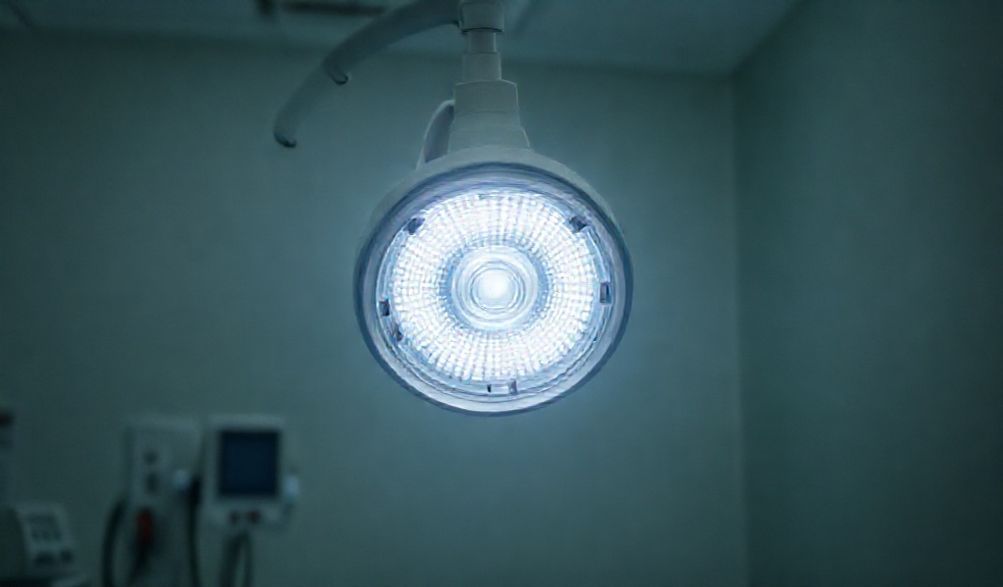
Medical Examination Lights: A Comprehensive Guide to Optimal Clinical Illumination
In the intricate world of healthcare, where a subtle change in tissue color or a faint shadow can be the difference between a correct diagnosis and a missed clue, the tools of the trade are paramount. While stethoscopes, scanners, and monitors often take center stage, there is one fundamental instrument that underpins nearly every visual assessment: the medical examination light. More than just a source of brightness, a high-quality exam light is a critical diagnostic tool, an extension of the clinician’s own senses. Its quality directly impacts diagnostic accuracy, procedural efficiency, and patient safety.
This pillar page serves as your definitive resource, combining clinical expertise with practical guidance. We’ll explore how proper illumination impacts patient outcomes, drawing from established medical protocols and equipment standards. Whether you’re a healthcare administrator procuring equipment, a practice manager optimizing workflows, or a clinician seeking to enhance your examination capabilities, this guide provides authoritative, experience-based insights. Our goal is to empower you with the knowledge to make informed decisions, ensuring both patient safety and diagnostic precision in every illuminated interaction.
The Critical Role of Illumination in Patient Examination
Light is the medium through which we gather the majority of diagnostic information during a physical exam. Substandard lighting isn’t merely an inconvenience; it’s a tangible risk factor for diagnostic error.
Why Lighting is a Diagnostic Tool, Not Just Equipment
Think of an exam light as you would an ophthalmoscope or an otoscope—a device specifically designed to reveal clinical information. Its primary functions are:
- Enhancing Visual Acuity and Color Rendition: The human eye relies on contrast and accurate color to identify pathology. A high-fidelity light is essential for detecting the yellow hue of jaundice, the blue tinge of cyanosis, the subtle variations in a rash (macular vs. papular), or the erythema signaling infection. Poor lighting can wash out these critical details.
- Reducing Diagnostic Errors: Shadows are the enemy of clarity. An inadequate light source can create deep, obscuring shadows in body cavities (oral, aural, wounds), potentially hiding lesions, foreign objects, or the true extent of tissue damage. Uniform, shadow-controlled illumination is key to a comprehensive visual assessment.
Key Performance Metrics for Exam Lights
To choose wisely, you must speak the language of light. Here are the non-negotiable technical specifications for any clinical exam light.
Lux and Lumen Requirements
While lumens measure the total light output of a source, lux measures the intensity of light falling on a surface (lumens per square meter). Clinical settings have defined requirements:
* General Examination: A minimum of 1,000 to 2,000 lux at the examination point (e.g., the patient on the table).
* Minor Procedures & Wound Care: 5,000 to 10,000 lux or more is often necessary to see fine detail and depth within a cavity or wound.
* Major Surgery: Surgical lights demand 20,000 to 160,000 lux for deep-cavity illumination.
Always match the lux rating to the most demanding procedure the light will be used for.
Color Rendering Index (CRI)
This is arguably the most critical metric for diagnostic lighting. CRI measures a light source’s ability to reveal the true colors of an object compared to natural sunlight (which has a CRI of 100). For medical applications, a CRI of >90 is essential, with >95 being ideal for specialties like dermatology, wound care, and surgery. A low-CRI light can distort tissue colors, making healthy tissue look pathological or vice versa.
Shadow Control and Depth of Field
Good clinical lighting minimizes disruptive shadows. This is achieved through design:
* Multiple Light Sources: Overhead lights often use several LED arrays positioned at different angles. Shadows created by one array are “filled in” by the others.
* Large Diameter & Diffused Optics: A larger light head placed closer to the patient provides broader, more even coverage. Diffusers soften the light, reducing harsh glare and sharp shadow edges.
* Depth of Field: This refers to the area that remains in clear focus. A good exam light provides a wide, deep field of uniform illumination, so the clinician doesn’t have to constantly refocus the light when moving between different planes (e.g., from the surface of a wound to its base).
Types of Medical Examination Lights and Their Applications
Not all clinical spaces have the same illumination needs. Understanding the categories helps match the tool to the task.
Overhead Examination Lights: The Clinical Workhorse
These are the ubiquitous lights found in exam rooms, urgent care centers, and emergency bays.
* Ceiling-Mounted: Fixed to a single point, offering robust, stable illumination for a dedicated exam zone. Ideal for standard exam rooms with a fixed table layout.
* Track-Mounted: Mounted on a ceiling rail, allowing the light to be slid and positioned over a larger area (e.g., from an exam table to a procedure cart). Offers superior flexibility for multi-use rooms.
* Best Use Cases: Routine physical exams, ENT observations, abdominal exams, and basic wound inspection.
Procedural and Surgical Lights
These lights bridge the gap between basic examination and surgery.
* Differentiation from Exam Lights: They typically offer higher intensity (lux), more sophisticated shadow reduction (often via multiple concentric rings of LEDs), and features like sterile handles or shrouds. Heat management is crucial to prevent tissue desiccation during longer procedures.
* Specialized Applications: Used in minor outpatient surgery, laceration repair, dermatological procedures, biopsies, and advanced wound debridement. Dental operatory lights also fall into this category, designed for the specific posture and focus of oral cavity work.
Portable and Diagnostic Lights
These are the specialized tools in a clinician’s pocket or on a wall bracket.
* Hand-Held Pen Lights: The classic tool for assessing pupil reactivity (PERRLA), examining the oropharynx, or providing focused light in a pinch. Look for bright, white LED versions.
* Transilluminators: These powerful, focused lights are used to illuminate body cavities or tissues to check for fluid (e.g., in scrotal hydroceles) or to locate veins.
* Otoscope/Ophthalmoscope Heads: While part of a diagnostic set, their built-in lighting is a specialized form of exam illumination for canals and fundi.
Choosing the Right Exam Light: An Evidence-Based Procurement Guide
Selecting an exam light is a capital investment in clinical quality. A structured, needs-based approach ensures the best return.
Clinical Needs Assessment: Matching Light to Procedure
Start with the clinical workflow, not the product catalog.
1. Departmental Profile: What is the primary use? A pediatric office needs gentle, non-threatening light with excellent color for rash ID. A geriatric/wound care clinic needs extremely high CRI and shadow control for assessing fragile tissue. An urgent care needs versatility for both exams and minor procedures.
2. Create a Specification Sheet: Document the required lux, minimum CRI, needed range of motion, and any specialty features (e.g., camera compatibility, sterile handles).
LED vs. Halogen: A Technical and Practical Comparison
The industry has decisively shifted to LED, and for good reason:
* LED (Light Emitting Diode):
* Lifespan: 30,000 to 50,000+ hours (years of clinical use).
* Efficiency: Consumes ~75% less energy than halogen.
* Heat: Emits very little infrared radiation, keeping the patient and clinician cool.
* Cost: Higher initial purchase price, but significantly lower total cost of ownership due to energy savings and no bulb replacements.
* Halogen:
* Lifespan: 1,000 to 2,000 hours (frequent, costly replacements).
* Heat: Emits intense heat, which can dry tissues and discomfort patients.
* Color: Good CRI, but intensity dims over the bulb’s life.
For all new procurements and replacements, LED is the clear, evidence-based choice.
Ergonomics, Mobility, and Sterilization
A light that is difficult to position will not be used optimally.
* Ergonomics: Evaluate the reach, smoothness of movement, and counterbalance of the arm. Can it be easily positioned with one hand? Does it stay where you put it? Staff fatigue from wrestling with a stiff light arm is a real workflow issue.
* Cleanability: The housing and handles should be seamless, with no crevices that can harbor pathogens. They must withstand frequent wiping with hospital-grade disinfectants without degrading.
* Workflow Integration: The light should become an invisible, effortless part of the exam ritual, not an obstacle.
Installation, Safety, and Maintenance Protocols
A medical light is a regulated device. Its installation and upkeep are governed by standards to ensure safety.
Ensuring Compliance and Patient Safety
Medical exam lights must comply with stringent international standards:
* IEC 60601-1: The general standard for the safety and essential performance of medical electrical equipment. This covers electrical isolation, mechanical safety, and risk management.
* ISO 9680: Specifically for operating theatre and examination lights, detailing performance requirements for light distribution, color rendering, and heat dissipation.
* Infection Control: Design must allow for effective cleaning. In procedural settings, the ability to attach a sterile handle or sleeve is often required.
Routine Maintenance Schedule for Optimal Performance
Proactive maintenance preserves performance and safety.
* Daily: Wipe down all surfaces with an approved disinfectant.
* Monthly: Visually inspect for damage or loose components. Check that the light head moves smoothly and holds position.
* Annually (or per manufacturer): Perform a calibrated lux measurement at the typical working distance to ensure output hasn’t degraded. Check color temperature. Have a qualified biomedical technician inspect electrical connections and mechanical integrity.
* Monitoring LED Degradation: While LEDs don’t “burn out” suddenly, they slowly dim over time. An annual lux check is the quantitative way to catch this. A noticeable color shift (e.g., white light turning blue) is also a sign of aging components.
The Future of Clinical Illumination
Technology is transforming the humble exam light into an intelligent clinical node.
Smart Lighting and Integration with Digital Health
- Lights with Embedded Cameras: High-definition cameras integrated into the light head enable seamless photo-documentation of wounds, lesions, or procedures for the Electronic Health Record (EHR). This is invaluable for telemedicine consultations and tracking healing progress over time.
- Automated Settings & EHR Integration: Imagine a light that automatically adjusts its intensity and focus when a “Laceration Repair” protocol is selected on the room’s computer, logging the illumination data to the procedure note.
Human-Centric Lighting in Healthcare
Research is exploring how light affects well-being beyond vision.
* For Staff: Adjustable color temperature settings can reduce eye strain during long shifts—cooler, brighter light for focus during procedures; warmer, softer light for administrative tasks.
* For Patients: In long-term care facilities or inpatient rooms, lighting systems that mimic the natural progression of daylight (cool and bright in the morning, warm and dim in the evening) can help regulate circadian rhythms, improve sleep, and reduce agitation.
FAQ Section
Q1: What is the ideal color temperature for a general examination light?
A: A neutral white light in the range of 4000K to 5500K is generally recommended. It provides a balance of contrast and color accuracy without causing excessive eye strain for the clinician or discomfort for the patient.
Q2: How often should the illumination intensity (lux) of my exam light be calibrated?
A: It is best practice to verify lux levels with a light meter annually, or according to the manufacturer’s schedule. More frequent checks are advised if the light is used heavily or if staff report perceived dimming.
Q3: Can I use a high-quality LED shop light as a medical exam light?
A: No. Medical exam lights are regulated medical devices. They are designed with specific safety standards (like low heat emission and electrical isolation), high Color Rendering Index (CRI), and clinical-grade adjustability that general-purpose lights lack. Using non-medical equipment can compromise patient safety and diagnostic accuracy.
Q4: What are the most important features to look for in a light for wound care?
A: For wound care, prioritize a light with exceptional shadow reduction (often via multiple LED arrays), very high CRI (>95) to accurately assess tissue viability and infection, and excellent maneuverability to position the light at oblique angles for depth perception.
Conclusion
Selecting and maintaining the appropriate medical examination light is a decision that directly influences diagnostic confidence, procedural efficiency, and ultimately, patient care. It is an investment in the foundational act of seeing—truly seeing—what is before us. By moving beyond thinking of light as simple illumination and understanding its technical specifications—from lux and CRI to ergonomics and safety standards—healthcare professionals can make informed, evidence-based choices that elevate clinical practice.
As technology evolves, embracing thoughtful innovations like smart documentation features and human-centric design will further enhance our healing environments. This guide, rooted in established engineering principles and practical clinical expertise, aims to be your trusted resource, empowering you to illuminate the path to better patient outcomes. Always consult with clinical engineering professionals and adhere to your institution’s procurement guidelines when making final decisions.
p>