
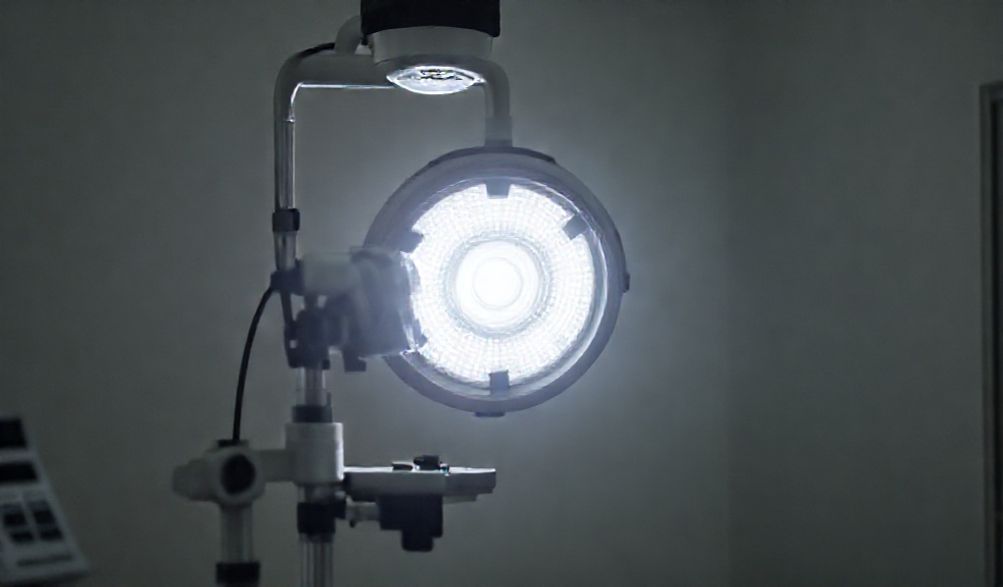
The Clinician’s Essential Guide to Examination Lights: Illuminating the Path to Accurate Care
In the intricate dance of diagnosis and treatment, a clinician’s most fundamental tool is their vision. Yet, this critical sense is wholly dependent on one often-overlooked piece of equipment: the examination light. Far more than a simple lamp, a high-quality examination light is a precision medical device engineered to reveal what the naked eye might miss. From detecting the subtle yellow hue of jaundice to distinguishing the healthy granulation of a healing wound from infected tissue, the quality of illumination directly influences diagnostic accuracy, procedural safety, and patient outcomes.
This comprehensive guide delves into the science, selection, and application of examination lights. Drawing from principles of optical engineering, clinical ergonomics, and healthcare procurement, we provide medical practitioners, facility managers, and procurement specialists with the authoritative knowledge needed to make informed decisions. Whether outfitting a new clinic or upgrading an existing suite, understanding this essential technology is the first step toward enhancing the quality of care.
1. Understanding Examination Lights: Core Function and Importance
An examination light’s primary role transcends mere visibility. It is designed to create an optimal visual environment that reduces cognitive load and physical strain on the practitioner, allowing them to focus entirely on the patient.
1.1 The Primary Role in Clinical Diagnostics and Procedures
- Enhancing Visual Acuity: Superior illumination is paramount for visual acuity. It amplifies contrast, revealing minute details—the texture of a rash, the border of a lesion, the delicate structure of a suture. This clarity is non-negotiable for accurate assessment and intervention.
- Minimizing Shadow and Glare: Traditional single-point lighting creates obstructive shadows cast by the clinician’s head, hands, and instruments. Advanced examination lights employ multi-point sources or specially engineered reflectors/diffusers to fill these shadows, providing consistent, uniform light across the field. Simultaneously, they manage glare—the uncomfortable brightness that causes eye fatigue—through optical design and filters, ensuring comfortable viewing over long periods.
- Improving Practitioner Ergonomics: Poor lighting forces practitioners into awkward postures—leaning in, craning the neck—to see into a shadowed cavity. By delivering bright, shadow-reduced light exactly where it’s needed, a good exam light promotes a neutral, sustainable posture. This reduces musculoskeletal strain, a common cause of injury among healthcare professionals, and minimizes fatigue during lengthy procedures.
1.2 Key Performance Metrics: What Defines Quality Illumination?
Evaluating a light requires moving beyond subjective “brightness” to objective, measurable standards.
- Lux/Lumen Output and Illuminance: Lumens measure the total light output of the source. Lux is the crucial metric—it measures illuminance, or how many lumens fall on a square meter of the surgical/examination field. For minor procedures, 40,000 to 160,000 lux is typical; major surgery demands more. The light must maintain this intensity consistently across the defined field.
- Color Rendering Index (CRI): Perhaps the most critical metric for diagnostics. CRI measures a light source’s ability to reveal the true colors of an object compared to natural sunlight (CRI=100). A high CRI (90-98+) is essential for accurately assessing tissue color, a vital diagnostic clue for conditions like cyanosis, infection, or ischemia.
- Color Temperature (Kelvin): This describes the “warmth” or “coolness” of light. Warm light (~3000K) is yellowish and soothing. For clinical accuracy, a daylight-balanced cool white light (4000K-5500K) is standard. It provides a neutral, alert environment that supports color-accurate vision and reduces perceptual strain.
- Depth of Illumination & Field Diameter: These specifications define the light’s practical utility. Depth of Illumination refers to how effectively the light penetrates into cavities (e.g., a deep wound or oral cavity) without a fall-off in intensity. Field Diameter is the size of the evenly lit area at a typical working distance, which should be adjustable to suit different procedures.
2. Main Types of Examination Lights
The clinical environment dictates the ideal form factor. Here’s a breakdown of the primary categories.
2.1 Overhead Examination Lights (Ceiling-Mounted)
The workhorses of procedure rooms and operating theaters, offering hands-free, sterile illumination.
- Single & Dual-Head Surgical Lights: Single-head lights are common for minor procedure rooms. Dual-head systems, with two independent light heads, provide superior shadow reduction—if a surgeon’s head blocks one light source, the second fills the shadow. They also offer redundancy if one head fails.
- Track-Mounted Systems: These lights are mounted on a ceiling rail, allowing them to be easily repositioned along the track’s length. Ideal for multi-purpose ORs or rooms where the table position may vary, offering maximum flexibility.
- Dome vs. LED Panel Designs: Traditional dome lights use a central halogen or LED bulb with a multifaceted reflector to direct light. Modern LED panel lights use an array of dozens of small LEDs behind a diffuser, creating exceptionally even, shadow-reduced light with no central “hot spot.”
2.2 Mobile/Floor-Standing Examination Lights
Characterized by versatility and mobility, these are staples in outpatient clinics, EDs, and for bedside care.
- Procedure Lights: These units on wheeled bases feature multi-jointed arms for precise positioning. They can be moved from room to room as needed, making them cost-effective for clinics without dedicated procedure suites.
- Specialty Lights: This includes lights designed for specific disciplines, such as colposcopy lights with integrated magnification, ENT lights for otoscopic and laryngeal exams, and rugged, portable lights for home health or field use.
2.3 Headlights and Head-Mounted Lights
The ultimate in directed, hands-free illumination for high-precision work.
- Applications in Dentistry, ENT, and Dermatology: By projecting light directly along the clinician’s line of sight, headlights illuminate deep, narrow cavities (like a tooth canal or sinus) that overhead lights cannot reach.
- Battery-Powered vs. Fiber-Optic Systems: Battery-powered LED headlights offer excellent mobility and are now the norm, with bright, cool light. Fiber-optic systems use a remote “light generator” box; the headpiece is very light and cool, but the user is tethered to the box.
2.4 Technology Breakdown: Halogen vs. LED
The industry has undergone a fundamental technological shift.
- Halogen Lights: The traditional technology. They produce a warm light, often with good CRI. However, they are highly inefficient, converting over 80% of energy into waste heat, which can discomfort patients and staff. Their bulbs have a short lifespan (1,000-2,000 hours) and require frequent, costly replacement.
- LED Examination Lights: The modern standard and unequivocal recommendation for new installations. LEDs are highly energy-efficient (producing minimal heat), have an extraordinary lifespan (50,000+ hours), and offer superior, consistent CRI and color temperature. They provide instant, flicker-free light at full intensity and are digitally controllable. The Total Cost of Ownership (TCO) is significantly lower than halogen, despite a higher initial price.
3. Critical Factors for Selecting an Examination Light
Use this expert checklist to evaluate options against your specific clinical and operational needs.
3.1 Clinical Application & Specialty Requirements
The procedure dictates the tool.
- General Practice vs. Surgical Specialties: A GP needs a light with excellent CRI for dermatology and wound checks, with moderate intensity. A surgical suite needs extreme shadow reduction, high lux output for deep cavity work, and fully sterile handles.
- Considerations for Specialties: Dermatology demands the highest possible CRI (97+) for color assessment. Dentistry requires a small, intense focal point for oral cavities. Wound Care benefits from lights that minimize heat to avoid drying tissues.
3.2 Ergonomic Design and Maneuverability
A light that is difficult to position will not be used effectively.
- Reach, Articulation, and Positioning Ease: Test the range of motion. The arms should move smoothly and effortlessly, staying in position without “drift” or sagging. It should be easy to achieve the desired angle without counterbalancing the weight of the head.
- Sterility Considerations: For surgical or sterile procedure areas, the light must have a smooth, seamless design that can be easily cleaned and disinfected. Handles should be designed for use with sterile sleeves or be autoclavable.
3.3 Safety and Compliance Standards
Non-negotiable benchmarks for any medical device.
- Electrical Safety (IEC 60601-1): This is the international standard for the basic safety and essential performance of medical electrical equipment. Compliance is mandatory.
- Thermal Management: The light must not burn patients or staff. LED lights excel here. For halogen, effective heat shielding and ventilation are critical.
- Electromagnetic Compatibility (EMC): The light must not emit electromagnetic interference that could disrupt nearby sensitive equipment like patient monitors or infusion pumps.
3.4 Total Cost of Ownership (TCO)
Look beyond the sticker price.
- Initial Purchase vs. Long-Term Costs: An inexpensive halogen light may cost 3-5x more in electricity and bulb replacements over 5 years than an efficient LED model. Factor in energy consumption, bulb replacement frequency and cost, and expected maintenance.
- Warranty and Service Support: A robust warranty (often 3-5 years on LEDs) and the availability of responsive, qualified local service technicians are invaluable for minimizing downtime.
4. Installation, Maintenance, and Best Practices
Proper care ensures performance, safety, and longevity.
4.1 Professional Installation and Calibration
- Site Assessment: For ceiling mounts, a structural assessment is vital to ensure the ceiling can support the weight, especially for large dual-head systems. Electrical outlets must be correctly placed. For mobile lights, ensure clear floor paths and storage.
- Initial Calibration: Upon installation, the light should be calibrated. This includes setting default intensity levels, checking the focus and field size adjustment, and ensuring all movements are smooth and properly tensioned.
4.2 Routine Cleaning and Disinfection Protocol
- Recommended Agents: Follow the manufacturer’s instructions. Typically, mild, hospital-grade disinfectant wipes or sprays are used. Avoid abrasive cleaners, solvents, or bleach-based solutions that can damage coatings, plastics, or optical surfaces.
- Areas of Focus: Pay special attention to high-touch surfaces: all handles, control panels (touch or physical buttons), and the exterior of the light head. The goal is to prevent cross-contamination.
4.3 Troubleshooting Common Issues
- Flickering or Dim Light: In LEDs, this usually indicates a failing power driver or loose connection. In halogens, the bulb is likely at end-of-life. Check all power cords and connections first.
- Stiff Movement or Drifting: Stiffness often requires adjustment of the tension in the articulating arm’s friction joints. Drifting (the arm not holding position) means these joints are worn or improperly tensioned and need service.
- Unusual Noise: A buzzing or grinding from the light head could indicate a failing cooling fan (in some halogen/LED models) or issues with motorized movement systems. Investigate promptly.
Frequently Asked Questions (FAQ)
Q1: What is the most important feature to look for in an exam light for a general practice clinic?
A: For a GP clinic, prioritize a high Color Rendering Index (CRI >90) and excellent shadow reduction. This ensures accurate assessment of skin tones, rashes, and wounds during general examinations. A mobile, floor-standing LED light often provides the best flexibility.
Q2: How often do LED examination lights need to be replaced?
A: The LED diodes themselves have an exceptionally long lifespan (often 50,000 hours or more, equating to decades of normal use). You are more likely to replace a control switch or require service on the articulating arms before the LEDs fail. This is a key advantage over halogen bulbs, which may need yearly replacement.
Q3: Can examination lights be too bright? Is there a risk to patient eyes?
A: Yes, excessive brightness can cause discomfort and temporary glare blindness for both patient and practitioner. Quality lights offer dimmable controls and are designed to focus light intensely on a specific field while minimizing peripheral glare. Direct exposure to the bulb should always be avoided.
Q4: What is the difference between an examination light and a surgical light?
A: Examination lights are typically used for diagnostics and minor procedures, offering good illumination with some shadow management. Major surgical lights are a subcategory designed for deep-cavity illumination during surgery, featuring extreme shadow reduction (via multiple light sources), higher lux levels, and often sterile handles. The terms are sometimes used interchangeably for mid-range procedural lights.
Q5: Are there specific lights recommended for telehealth or diagnostic photography?
A: Absolutely. For consistent digital imaging, look for lights with a high CRI (95+) and a color temperature around 5000K (daylight white). This standardizes color representation across monitors and is crucial for teledermatology, wound tracking, and remote consultations.
Conclusion
Selecting the right examination light is a critical investment in clinical excellence. It is a decision that directly shapes diagnostic confidence, procedural efficiency, and the long-term well-being of healthcare staff. By moving beyond basic specifications to a deep understanding of performance metrics like CRI and color temperature, coupled with ergonomic and TCO analysis, facilities can make choices that deliver value and enhance care for years to come.
LED technology now represents the unequivocal benchmark, offering superior light quality, enhanced safety, and demonstrably lower lifetime costs. Always insist on equipment that complies with stringent medical device regulations and partner with reputable manufacturers who provide robust clinical evidence and reliable support. In the end, the optimal examination light is one that disappears into the workflow—a seamless, reliable extension of the clinician’s own senses, faithfully illuminating the path to accurate diagnosis and effective treatment.
p>