
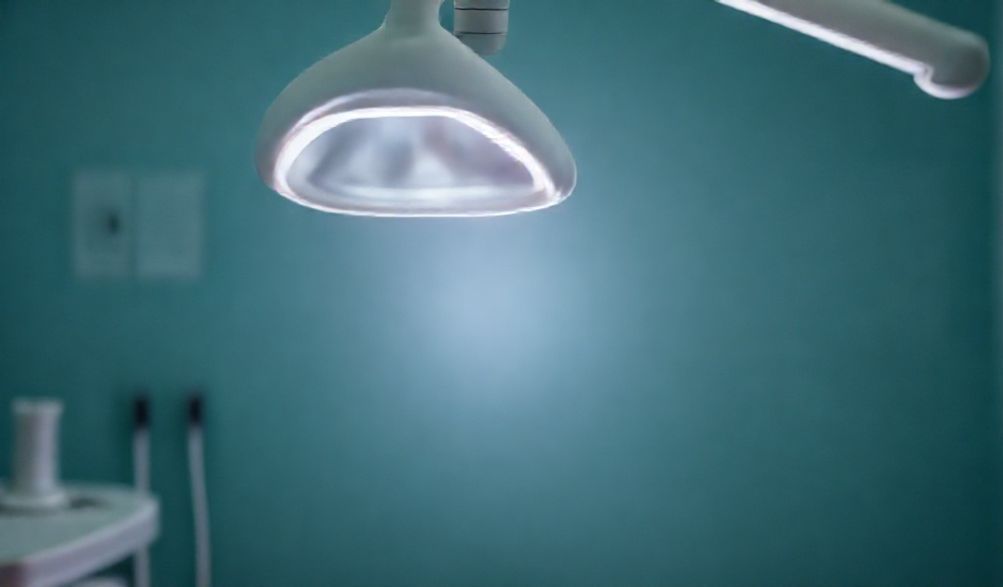
The Ultimate Guide to Dental Lights: Illuminating Modern Dentistry for Better Patient Care
In the precise, detail-oriented world of dentistry, visibility is everything. While patients may marvel at digital scanners or laser tools, the humble dental light, often overlooked, is the unsung hero and cornerstone of clinical success. It is the primary instrument through which every diagnosis is made and every procedure is guided. Its quality directly impacts diagnostic accuracy, procedural efficiency, practitioner health, and, ultimately, patient outcomes.
The evolution from the hot, yellow glow of early incandescent bulbs to today’s brilliant, cool, and intelligent LED systems represents a revolutionary transformation in operatory design. This guide will illuminate the critical role of the dental light, delving into the advanced technology, essential features, and practical selection criteria that empower dental professionals to perform at their peak. Understanding this fundamental equipment is not merely about achieving brightness; it’s about elevating the entire standard of care, ensuring long-term clinician ergonomics, and building patient trust through a demonstrable investment in superior clinical tools. Let’s shed light on how the right illumination can transform your practice.
1. The Critical Role of Lighting in Dental Procedures
Proper operatory lighting is non-negotiable. It transcends the basic function of “seeing” and becomes an active, indispensable tool in patient care, influencing outcomes from the first glance to the final polish.
1.1 Impact on Diagnostic Accuracy
The mouth is a landscape of subtle contrasts. Distinguishing between healthy and compromised tissue requires exceptional visual clarity.
* Visualizing Subtle Details: Early caries (tooth decay) often manifests as faint white spots or shadows. Micro-fractures in enamel or old restorations can be nearly invisible. Accurate shade matching for crowns or composites depends on perceiving minute variations in hue, value, and chroma. Adequate, shadow-free illumination is the first line of defense, making these critical details apparent and actionable.
* Soft Tissue Examination: Diagnosis extends beyond the teeth. Identifying pathologies like leukoplakia, assessing inflammation levels in gingiva, and determining healthy mucosal margins all rely on accurate color perception. Poor lighting with a low Color Rendering Index (CRI) can mask erythema (redness) or alter the appearance of lesions, leading to missed or delayed diagnoses.
* Reducing Diagnostic Errors: Visual strain caused by dim, flickering, or poorly colored light forces the clinician’s eyes to work harder, increasing the risk of fatigue-related oversights. Optimal lighting minimizes this cognitive load, allowing for sustained, accurate visual assessment throughout the day.
1.2 Enhancing Procedural Precision and Efficiency
Once a diagnosis is made, the dental light becomes the guiding beacon for every handpiece and instrument.
* Working in a Confined Space: The oral cavity is a small, dark, and reflective space. A focused, adjustable beam of light must penetrate this area to illuminate the specific tooth surface being worked on. This is crucial for precise cavity preparations, ensuring marginal integrity of crowns, and meticulously sculpting composite resin to mimic natural tooth anatomy. Without directed light, precision is compromised.
* Reducing Eye Fatigue: Long procedures under inconsistent or glaring light are a major source of practitioner fatigue. A high-quality dental light provides uniform, flicker-free illumination that reduces the constant pupil adjustment and squinting that lead to headaches and diminished concentration. This allows the clinician to maintain a high level of focus from the first patient to the last.
* Streamlining Workflow: Modern lights offer features that directly enhance operatory efficiency. Automatic positioning (returning to a preset “home” spot), touchless activation via motion sensors, and seamless integration with the chair’s control system eliminate fumbling and unnecessary movements, creating a smoother, more professional procedural flow.
1.3 Contributing to Practitioner Ergonomics and Health
The physical toll of dentistry is well-documented, and lighting plays a surprisingly significant role in musculoskeletal health.
* Posture and Positioning: In the quest for a better view, clinicians often contort their necks, backs, and shoulders. A well-designed dental light with a long reach and excellent maneuverability can be positioned perfectly over the treatment area, allowing the practitioner to maintain a more neutral, healthy posture. This proactive ergonomic adjustment is critical in preventing chronic neck and back pain over a career.
* Visual Comfort: Beyond physical posture, the quality of light affects ocular health. Flicker-free LED sources with a high CRI and appropriate color temperature (~5500K daylight) mimic natural viewing conditions. This significantly reduces the strain on the ciliary muscles of the eye, preventing the headaches and dry eyes associated with long hours under artificial, poor-quality light.
2. Key Features and Technologies in Modern Dental Lights
Today’s dental light is a sophisticated medical device, not a simple lamp. Understanding its core specifications is the key to making an informed investment that will serve your practice for years.
2.1 Light Source Technology: LED vs. Halogen
The heart of any light is its source. The industry has decisively shifted from halogen to LED.
* LED (Light Emitting Diode): The undisputed modern standard.
* Benefits: Exceptional energy efficiency (using up to 80% less power than halogen), virtually no heat emission in the beam (dramatically increasing patient comfort), an extremely long lifespan (50,000+ hours, often a decade of clinical use), and consistent color temperature that does not degrade over time. LEDs offer instant, full-intensity light with no warm-up period.
* Halogen: The traditional, now largely obsolete, source.
* Drawbacks: High energy consumption, significant infrared heat output (which can dry tissues and discomfort patients), a short bulb life (1,000-2,000 hours), and a tendency to dim and yellow as the filament ages, compromising color accuracy.
2.2 Understanding Essential Specifications
When comparing lights, these three metrics are paramount:
* Lux & Lumen Output: Lumens measure the total amount of visible light emitted by the source. Lux measures how much of that light lands on a surface (illuminance). For dentistry, lux at the working distance (typically 800mm-1000mm from the light head) is the key figure. Sufficient brightness generally falls between 20,000 and 40,000 lux. More is not always better; excessive lux can cause glare and “white-out,” obscuring surface texture.
* Color Temperature (Kelvin): This describes the “warmth” or “coolness” of the light’s appearance. Measured in Kelvins (K), a lower number (e.g., 3500K) is warm/yellow, while a higher number (e.g., 5500K) is cool/blue. For dentistry, a daylight-mimicking temperature of 5000K to 5500K is ideal. This neutral, cool white light provides optimal contrast and is the standard for accurate shade matching in restorative and esthetic work.
* Color Rendering Index (CRI): This is arguably the most critical spec for clinical accuracy. CRI (on a scale of 0-100) measures a light’s ability to reveal the true colors of objects compared to natural daylight. A CRI of 90+ is considered excellent and is essential for clinical use. It enables the dentist to distinguish between the subtle shades of dentin, enamel, composite resin, and gingival tissue, ensuring restorations blend seamlessly and pathologies are correctly identified.
2.3 Operational and Design Features
- Mobility and Positioning: The best light is useless if you can’t position it easily. Consider mounting options: ceiling-mounted lights offer the greatest range of motion and keep the operatory floor clear; chair-mounted lights are cost-effective and move with the chair; wall-mounted are a compromise. Look for a long reach, smooth, multi-axis movement (horizontal, vertical, rotational), and a balance system that holds the position securely without “drift.”
- Field of Illumination: This refers to the size and shape of the light beam at the working distance. A large, even, and homogeneous field (often oval or rectangular) is preferable for general dentistry as it illuminates a wider area (e.g., a full quadrant) without creating harsh edges or “hot spots.” A smaller, focused spot might be preferred for specialty procedures like endodontics.
- Sterilization and Infection Control: The dental light is a high-touch surface. Its design must support rigorous infection control. Seek out lights with seamless, smooth housings, minimal crevices, and easy-to-clean materials. Many offer autoclavable or disposable handles/sheaths. The ability to withstand daily wiping with hospital-grade disinfectants is mandatory.
3. How to Choose the Right Dental Light for Your Practice
Selecting a dental light is a significant, long-term investment. This practical framework will guide your decision-making process.
3.1 Assessing Your Practice’s Specific Needs
Start by looking inward at your practice’s unique profile.
* Procedure-Based Analysis: Your clinical focus dictates priorities. A general family practice benefits from a versatile light with a large, even field. An endodontist might prioritize intense, focused spot illumination. An oral surgeon needs deep-penetrating light and perhaps a secondary fiber-optic source. An esthetic dentist cannot compromise on the highest possible CRI and perfect color temperature.
* Operatory Layout Evaluation: Measure your ceiling height, note the chair position, and identify any spatial constraints. Low ceilings may limit ceiling-mounted options. The available space around the chair will determine the ideal mounting style and arm reach required.
* Team Input: The clinicians and hygienists who will use the lights daily are the best judges of ergonomics and usability. Involve them in demos. Their feedback on handle comfort, control placement, and positioning smoothness is invaluable.
3.2 Balancing Budget with Long-Term Value
Look beyond the initial sticker price to the total cost of ownership.
* Total Cost of Ownership (TCO): An LED light has a higher upfront cost than a halogen model but saves massively over time. Calculate the savings from: energy efficiency (lower power bills), zero bulb replacements (halogen bulbs need changing 2-4 times per year, per operatory), and reduced heat output (lowering HVAC costs). The TCO of a quality LED is often lower within a few years.
* Warranty and Service: A strong warranty (e.g., 5+ years on the LED engine) reflects manufacturer confidence. Research the brand’s reputation for customer support and the availability of local service technicians. A cheap light with no service network is a risky investment.
* Integration with Existing Equipment: If you have a modern dental chair with a control system, check for compatibility. Can the light be controlled from the chair’s touchpad? Seamless integration enhances workflow and presents a unified, professional operatory environment.
3.3 Top Considerations Before Purchase
- Hands-On Demonstration: Never buy based on specs alone. Request an in-operatory demo or visit a showroom. Test the light’s movement, feel its balance, and experience the quality of its illumination firsthand.
- Evaluating Light Quality: Bring a simple shade guide or a multi-colored object (like a vivid brochure) to the demo. View it under the dental light. Do the colors look true, vibrant, and distinct? Compare it to natural window light. This simple test is the best way to assess CRI and color temperature.
- Ease of Use: During the demo, pay attention to the user interface. Are the controls intuitive? Is the movement buttery smooth or stiff and jerky? Can you position it with one hand? The best technology is useless if it’s frustrating to use in a busy clinical setting.
4. Maintenance, Safety, and Best Practices
To protect your investment and ensure consistent, peak performance, proper care and use are essential.
4.1 Routine Cleaning and Maintenance Protocols
- Daily Cleaning Procedures: After each patient, wipe down the entire light head, handle, and arms with an EPA-registered, hospital-grade disinfectant wipe. Ensure the product is compatible with the light’s materials and plastics to avoid clouding or degradation. Never spray disinfectant directly onto the light; spray the cloth first.
- Regular Inspection Checklist: Periodically check for signs of wear: fraying on the power cable, stiffness in the articulating joints, any looseness in the handles, or a noticeable decrease in light output or change in color. Clean the external lens gently with a soft, lint-free cloth to remove dust.
- Professional Servicing: Follow the manufacturer’s recommended service schedule. A professional technician can check internal components, recalibrate the balance, and ensure all electrical connections are safe. Unlike halogen lights, LEDs don’t “burn out” but may slowly dim over extreme periods.
4.2 Ensuring Patient and Staff Safety
- Managing Heat Emission: While LED lights produce minimal heat in the beam, the light head’s housing can still become warm. Avoid positioning the light head extremely close to the patient’s face or eyes for prolonged periods. Use the intensity control—not proximity—to adjust brightness.
- Preventing Cross-Contamination: In addition to surface cleaning, use disposable plastic barriers on handles where recommended by the manufacturer. Always follow standard infection control protocols, treating the light as a critical clinical surface.
- Operatory Safety: Ensure power cables are safely routed and secured to avoid creating a tripping hazard. When positioning the light arm, be mindful of other equipment, cabinetry, and the clinician’s stool to prevent collisions.
4.3 Optimizing Light Use for Every Procedure
- Standard Positioning Guidelines: For most general procedures, position the light so the beam is perpendicular to the tooth surface being viewed. This minimizes shadows created by your head or instruments. The light should be close enough for brightness but far enough to provide a wide, even field.
- Specialty Adjustments: For crown preparations, a more direct, closer angle can help highlight margins. For taking impressions, ensure the light is not shining directly into the tray material to avoid premature setting. For surgery, you may need to angle the light more deeply into the cavity.
- Patient Comfort: Before turning on the high-intensity light, warn the patient with a simple, “I’m going to turn on the bright light now.” Always direct the beam into the mouth, not at the patient’s eyes. For anxious patients, you can start at a lower intensity and increase it as needed.
Frequently Asked Questions (FAQ)
Q1: Why are LED dental lights better than the old halogen ones?
A: LED lights are superior due to their energy efficiency (saving on power bills), minimal heat output (increasing patient comfort), extremely long lifespan (reducing replacement costs and downtime), and consistent, high-quality light that doesn’t degrade over time, ensuring accurate color matching for years.
Q2: What does Color Rendering Index (CRI) mean, and why is it important?
A: CRI measures a light’s ability to reveal the true colors of objects compared to natural daylight. A high CRI (90+) is crucial in dentistry because it allows the dentist to accurately distinguish between subtle shades of tooth structure, composite resin, and soft tissue, leading to more natural-looking restorations and better diagnostic assessments.
Q3: How bright should my dental light be? Is brighter always better?
A: Not necessarily. While sufficient brightness (typically 20,000-40,000 lux) is needed to see details, excessive brightness can cause glare, “wash out” the operative field, and contribute to eye fatigue. The goal is even, shadow-free illumination without harshness. The quality of light (CRI, color temperature) is as important as the quantity.
Q4: How often do I need to replace or service my dental light?
A: LED lights have a very long operational life (often 10+ years of clinical use). Routine service involves daily cleaning and periodic inspections for mechanical wear. Unlike halogen lights, there is no bulb to replace. Professional servicing is typically only needed if there is a mechanical issue or a noticeable drop in performance.
Q5: Can I install a new dental light myself, or do I need a professional?
A: For ceiling- or wall-mounted units, professional installation is strongly recommended. It requires secure mounting into structural supports, safe electrical connection, and precise calibration for balance and movement. Chair-mounted lights may be simpler but often still benefit from technician installation to ensure optimal integration with your chair.
Conclusion
The dental light is far more than a simple fixture; it is a fundamental instrument that shapes the quality, safety, and efficiency of every patient interaction. It is the first tool used in diagnosis and the constant guide during treatment. Investing in a modern, high-quality LED dental light system is a direct investment in clinical excellence, practitioner well-being, and practice growth.
By prioritizing features like exceptional color rendering (CRI >90), appropriate daylight-balanced brightness, and ergonomic, intuitive design, a dental practice does more than just upgrade its equipment. It enhances its diagnostic capabilities, elevates the precision of its procedures, and safeguards the long-term health of its most valuable asset: its clinical team. In an era where patient trust is paramount, demonstrating a commitment to the best possible tools—starting with the very light that reveals the problem and guides the solution—reinforces a practice’s dedication to expertise, authoritativeness, and superior, patient-centered care. Illuminate your practice’s potential by choosing a light that empowers you to see—and do—your very best work.
p>