
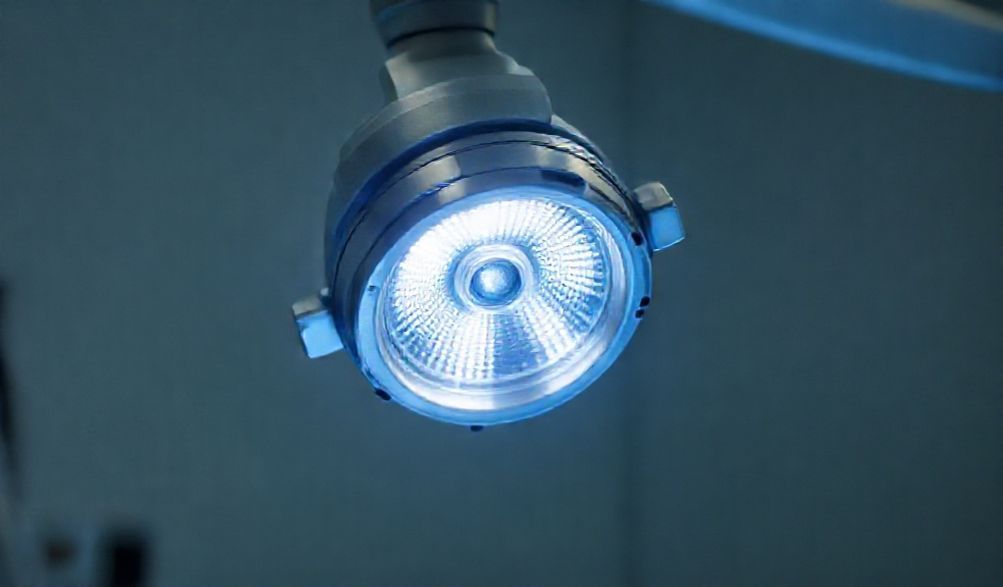
Illuminating Precision: The Complete Guide to LED Surgical Headlights
Modern surgery is a discipline defined by its pursuit of perfection. At the heart of every successful procedure lies a fundamental, non-negotiable requirement: unparalleled visibility. For centuries, surgeons have battled shadows, glare, and inadequate illumination, but the last few decades have witnessed a quiet revolution in the operating theater. The advent of LED (Light Emitting Diode) surgical headlights has transformed the very nature of surgical lighting, moving it from a static, overhead utility to a dynamic, personal tool of precision.
Gone are the days of compromising posture to chase a beam of light or squinting to differentiate subtle tissue hues under a hot, fading halogen bulb. Today’s LED surgical headlights offer surgeons a powerful, cool, and consistent source of illumination that moves in perfect harmony with their gaze. This guide is designed to be your comprehensive resource on this critical technology. We will dissect the science behind LED headlights, detail their transformative benefits, and provide a clear framework for selecting the right system. By synthesizing technical specifications, clinical insights, and ergonomic principles, we aim to empower surgeons, surgical teams, and procurement specialists to make informed decisions that directly enhance patient outcomes, improve surgeon well-being, and optimize operational efficiency.
What Are LED Surgical Headlights and How Do They Work?
An LED surgical headlight is a wearable illumination system that provides a focused, high-intensity beam of light directly aligned with the surgeon’s visual axis. Unlike traditional overhead lights, which can create shadows cast by the surgeon’s head and hands, a headlight illuminates the surgical field from the perspective of the surgeon’s eyes, effectively eliminating obstructive shadows and revealing critical anatomical details in deep cavities.
Core Components and Technology
The superiority of an LED headlight stems from the sophisticated integration of its core components:
-
The LED Light Source: This is the heart of the system. LEDs are solid-state semiconductors that emit light when an electrical current passes through them. For surgical applications, three metrics are paramount:
- Lumens: A measure of the total quantity of visible light emitted. Surgical headlights typically range from 20,000 to over 180,000 lux at a set distance (e.g., 400mm), translating to a tremendously bright and focused spot.
- Color Temperature (Kelvin): This describes the hue of the white light, ranging from “warm” yellowish (lower Kelvin, e.g., 3500K) to “cool” bluish-white (higher Kelvin, e.g., 6000K+). Many surgeons prefer a cooler temperature (5000-6000K) as it is often perceived as brighter and can enhance contrast.
- Color Rendering Index (CRI): Perhaps the most critical metric. CRI measures a light source’s ability to reveal the true colors of objects compared to natural light. A high CRI (90+ or Ra9) is essential for accurately distinguishing between arteries, veins, nerves, and different tissue types, reducing eye strain and diagnostic error.
-
The Optical System: Raw LED output is shaped by precision optics. Lenses and reflectors focus the light into a coherent beam, while advanced systems use light guides or specialized optics to create a homogeneous, shadow-reduced field. The spot size (the diameter of the illuminated area at a given working distance) is often adjustable, allowing surgeons to toggle between a wide field for overview and a narrow, intense spot for micro-dissection.
-
Power and Control: Power is typically supplied by a lightweight, rechargeable Lithium-ion (Li-ion) battery pack worn on a waist belt or integrated into the headband. These packs offer several hours of runtime on a single charge. Wired systems, drawing power from a console, are also available and eliminate battery concerns. Intuitive controls, often via a handheld remote or touch-sensitive module on the headband, allow for seamless adjustment of brightness without breaking sterility.
The Evolution from Halogen and Xenon to LED
To appreciate the LED revolution, one must understand its predecessors. Halogen bulbs, and later brighter Xenon bulbs, were the standards for decades. However, they came with significant drawbacks:
- Intense Heat: A substantial portion of their energy was emitted as infrared radiation, causing uncomfortable radiant heat on the surgeon’s forehead and potentially desiccating tissue in the surgical field.
- Limited Lifespan: Halogen and Xenon bulbs have a relatively short life (often 50-100 hours), requiring frequent, costly replacements and risking failure mid-procedure.
- Color Shift and Degradation: The light output and color quality would degrade noticeably throughout the bulb’s life and as the battery drained.
LED technology represents a paradigm shift. As solid-state devices, LEDs generate minimal heat, have lifespans exceeding 50,000 hours (effectively the life of the device), and provide perfectly consistent color temperature and output from the beginning to the end of the battery charge.
Key Benefits of Using LED Surgical Headlights
The transition to LED is not merely an upgrade; it’s a transformation that delivers tangible benefits across three key areas: surgical precision, surgeon well-being, and operational efficiency.
Enhanced Visual Acuity and Surgical Precision
This is the primary and most profound benefit. LED headlights provide:
* Superior Shadow Reduction & Cavity Illumination: By placing the light source near the visual axis, shadows cast by instruments and hands are minimized or eliminated, especially crucial in deep, confined spaces like in neurosurgery or spinal procedures.
* Accurate Tissue Differentiation: High-CRI LEDs render colors with exceptional fidelity. This allows surgeons to confidently identify subtle differences between tissue types, crucial for avoiding critical structures like nerves or bile ducts, and for accurately assessing tissue viability.
* Consistent Performance: The light output remains constant, with no flicker or dimming as the battery depletes, ensuring stable visualization throughout even the longest surgeries.
Improved Surgeon Ergonomics and Comfort
Surgeon fatigue is a real concern affecting performance and career longevity. LED headlights directly address this:
* Elimination of Radiant Heat: The cool operation of LEDs removes the significant thermal discomfort associated with older systems, a major relief during long, demanding cases.
* Reduced Physical Strain: Modern systems are incredibly lightweight (often under 100 grams for the optical module) and are engineered with balanced weight distribution. This drastically reduces strain on the neck and cervical spine.
* Adjustable, Secure Fit: Padded, adjustable headbands and alternative mounting options (like clips for surgical glasses) ensure a secure and comfortable fit for all head sizes and shapes, preventing slippage and distraction.
Operational Efficiency and Cost-Effectiveness
From an institutional perspective, LED headlights offer compelling financial and logistical advantages:
* Exceptional Longevity & Reliability: With an LED lifespan measured in decades and no bulbs to replace, the total cost of ownership plummets. The elimination of bulb failures also removes a potential source of surgical delay or cancellation.
* Extended Battery Runtime: Modern Li-ion batteries routinely provide 6-10 hours of runtime on a full charge, easily covering the longest procedures, with quick-charge capabilities for turnover.
* Reduced Downtime and Maintenance: The combination of long-lasting components and durable construction means less time and money spent on service, repairs, and consumable replacements.
Critical Features to Consider When Choosing a Headlight
Selecting the right LED surgical headlight requires matching technical performance to your specific clinical needs and personal preferences.
Performance Specifications
- Luminance & Spot Size: Don’t just look at lumens; look at lux at a specified distance (e.g., 40,000 lux at 400mm). This tells you how bright the spot will be where you work. An adjustable spot size is a valuable feature, offering flexibility between a broad field and a concentrated beam.
- Color Temperature: Consider the visual preference for your specialty. A cooler white (5500-6500K) can enhance contrast in bloody fields or microsurgery, while a warmer light (4000-5000K) may be easier on the eyes for long procedures in general surgery.
- Depth of Field: This refers to the distance range over which the beam remains in sharp focus. A great headlight provides a deep depth of field, keeping tissues in clear view whether you are working superficially or deep in a cavity without constant refocusing.
Design and Usability Factors
- Weight and Balance: A lighter, well-balanced system is less fatiguing. Test the feel on your head, not just the spec sheet.
- Mounting Options: The three main types are:
- Traditional Headband: The most common, offering stability and adjustability.
- Clip-on to Loupes or Glasses: Integrates directly with your magnification system, ideal for microsurgeons.
- Loupe-Integrated Systems: The light source is built directly into the loupe frame, offering the most streamlined, coaxial (light path aligned with view path) solution.
- Cable Management: Wireless systems with a belt-mounted battery offer maximum freedom of movement. Wired systems connected to a console provide unlimited runtime and no battery to charge but have a cable to manage.
Durability and Support
- Build Quality & Cleanability: The device should feel robust and be designed for the OR environment. Look for IP ratings indicating water and dust resistance, confirming it can withstand rigorous cleaning and disinfection between uses.
- Warranty and Service: A strong warranty (often 3-5 years) reflects manufacturer confidence. Ensure the company offers reliable customer support, readily available service, and reasonable turnaround times for repairs.
Applications Across Surgical Specialties
The versatility of modern LED surgical headlights makes them indispensable across the surgical spectrum, with specific features benefiting particular fields.
Demanding Fields: Neurosurgery, Otolaryngology, and Plastic/Reconstructive Surgery
These specialties often involve deep, narrow cavities (sinuses, cranial base, deep tissue planes). They require headlights with very high luminance and a focused, penetrating beam capable of delivering bright light to the depths of the wound without scattering. A deep depth of field is also critical.
High-Precision Procedures: Ophthalmology, Microsurgery, and Dentistry
Here, the magnification is extreme, and the margin for error is zero. The emphasis shifts to perfectly shadow-free, homogeneous illumination and exceptional CRI to discern minute structures. Coaxial illumination (where the light path is aligned with the surgeon’s sight line, often through the loupes) is highly prized in these fields to eliminate reflections and shadows from instruments.
General Surgery, Emergency, and Veterinary Medicine
Versatility, durability, and ease of use are key. A system with a good balance of brightness and a wide-to-adjustable spot size is ideal for handling everything from open abdominal procedures to trauma. Rugged construction and easy cleaning protocols are essential for busy, varied environments like the ER or veterinary OR.
FAQ: Common Questions About LED Surgical Headlights
What is the typical battery life, and how long do the LEDs last?
Modern Li-ion battery packs typically offer 4-10 hours of runtime on a full charge, depending on brightness setting. The LED light source itself is rated for 50,000 to 100,000 hours—essentially a lifetime of surgical use with no degradation in light quality.
How do I properly clean and sterilize the headlight components?
Always follow the manufacturer’s specific instructions. Generally, the optical module and headband can be wiped down with hospital-grade disinfectant wipes (avoiding harsh solvents). Most are not submersible or autoclavable. The battery pack should only be cleaned with a damp cloth.
Can I integrate the headlight with my existing surgical loupes?
Yes, many manufacturers offer universal or brand-specific adapters that allow their light source to clip onto the frame of your existing loupes. For the best integration, consider a system designed for your loupe brand.
Is there a significant difference between wired and wireless systems?
Wireless systems offer superior freedom of movement and are less cumbersome. Wired systems provide unlimited runtime and one less item to charge. The choice is often one of personal and institutional preference.
What warranty is standard, and what does it cover?
A strong warranty is typically 3 to 5 years, covering defects in materials and workmanship for the core components (LED, optics, electronics). It usually does not cover physical damage from misuse or the wearable parts like headband pads.
How do I determine the right brightness and spot size for my specialty?
High-lumen, focused systems are best for deep-cavity work (ENT, neuro). For microsurgery and high-precision work, prioritize high CRI and homogeneous light over sheer output. A variable spot size offers the greatest flexibility for surgeons who perform a wide variety of procedures. Consulting with a representative and, ideally, trialing a demo unit is the best way to decide.
Conclusion and Final Recommendations
The LED surgical headlight has evolved from a niche accessory to a fundamental pillar of modern surgical practice. It represents a direct investment in the triad of surgical success: enhanced patient safety through superior visualization, improved surgeon health through ergonomic design, and greater institutional efficiency through reliability and lower lifetime costs.
When embarking on the selection process, move beyond basic specifications. Prioritize the optical performance (CRI, depth of field, spot quality) that meets the visual demands of your specific surgical specialty. Give equal weight to ergonomics—a headlight that causes fatigue will not be used to its full potential, negating its benefits. Finally, consider the total ecosystem: durability, service support, and compatibility with your other equipment.
We strongly recommend consulting with experienced colleagues, reviewing clinical studies on surgical visualization, and, most importantly, testing demo units whenever possible. The feel on your head and the quality of light in your hands are the ultimate arbiters. By choosing wisely, you are not just buying a tool; you are illuminating a path to greater precision, comfort, and excellence in every procedure you perform.
p>