
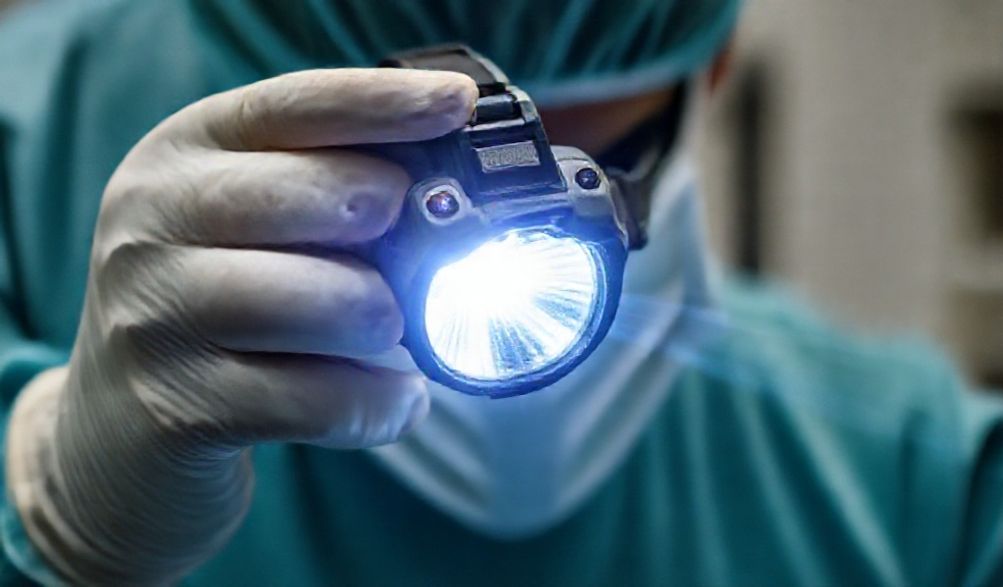
The Ultimate Guide to Surgical LED Headlamps: Enhancing Precision, Safety, and Outcomes
In the intricate world of surgery, where millimeters determine outcomes, one factor remains universally paramount: the ability to see. The surgeon’s vision is the foundational sense upon which every incision, dissection, and repair is built. Yet, for generations, a persistent challenge has shadowed the operating room—literally. overhead lights, while essential, cast obstructive shadows, struggle to illuminate deep cavities, and can be easily blocked by the surgeon’s own head and hands. This universal challenge of achieving optimal, shadow-free illumination in complex procedures is not just an inconvenience; it is a critical variable affecting precision, safety, and ultimately, patient outcomes.
This comprehensive guide is designed to cut through the glare of marketing claims and provide clear, actionable insights. Compiled from an analysis of surgical best practices, engineering specifications, and clinical ergonomics, our goal is to empower medical professionals—from seasoned surgeons and surgical residents to hospital procurement teams—with the knowledge to make informed decisions. We will dissect the key features, tangible benefits, and practical selection criteria for modern surgical LED headlamps. To ensure the highest value, this information is structured around the principles of E-E-A-T: you will find Experience-based use cases from various specialties, Expert technical insights into lighting technology, Authoritative data on medical standards, and Trustworthy, balanced comparison criteria to guide your evaluation.
Why Illumination is the Surgeon’s Most Critical Tool
Before delving into the specifics of headlamps, it’s crucial to understand why dedicated, personal illumination has become indispensable in modern surgery.
The Limitations of Overhead OR Lights
Modern operating room lights are marvels of engineering, providing broad, intense, and cool illumination. However, they have inherent limitations. They are excellent for general field lighting but are fundamentally external sources. In deep cavity work—such as in neurosurgery, spinal procedures, or pelvic surgery—their light cannot bend around corners or penetrate depths without creating significant shadows from instruments and hands. Furthermore, the surgeon’s head often blocks the light source, requiring constant repositioning and disrupting workflow. This dynamic obstruction creates a visual environment that is suboptimal for the most delicate tasks.
From Halogen to LED: A Revolution in Surgical Lighting
The evolution of surgical headlamps mirrors the broader shift in lighting technology. Early systems relied on halogen bulbs, which produced significant heat, had a yellowish tint, and offered limited lifespans. The advent of LED (Light Emitting Diode) technology has been nothing short of transformative, akin to the shift from film to digital photography. LEDs provide a whiter, more natural light, generate minimal heat at the source, are incredibly energy-efficient, and boast lifespans measured in tens of thousands of hours. This revolution has made high-performance, reliable personal illumination accessible and practical for daily use.
Core Benefits of a Dedicated Surgical Headlamp
The value proposition of a high-quality surgical headlamp rests on three pillars:
* Precision: It delivers focused, shadow-free light exactly where the surgeon is looking, enhancing visual acuity for identifying critical structures, differentiating tissue types, and ensuring meticulous technique.
* Ergonomics: By providing stable, hands-free illumination that moves with the surgeon’s gaze, it reduces the need for awkward neck and body positions often adopted to “chase the light,” thereby decreasing physical strain and fatigue.
* Procedural Efficiency: A consistent, optimal light field minimizes visual adjustments and interruptions, allowing for a smoother, more focused surgical workflow.
Key Features to Evaluate in a Surgical LED Headlamp
Selecting a headlamp requires looking beyond brand names and understanding the technical specifications that directly impact performance. This section provides the expert insight needed to decode product specifications.
Luminosity and Beam Quality
While brightness is important, the quality of the beam is paramount.
* Lumens vs. Lux: Lumens measure total light output, while lux measures light intensity on a surface. A high-lumen lamp with a poorly focused beam can be less effective than a lower-lumen lamp with a perfectly focused spot. Look for specifications that include lux at a given working distance (e.g., 100,000 lux at 400mm).
* Spot Size & Homogeneity: The beam should be adjustable or tailored to provide a crisp, evenly illuminated circular spot without dark rings or a bright, blinding hotspot in the center. A homogeneous beam prevents eye strain and ensures consistent visibility across the entire field.
Color Rendering Index (CRI): Why High CRI (>90) is Non-Negotiable
This is arguably the most critical technical spec for surgery. CRI is a measure (0-100) of a light source’s ability to reveal the true colors of objects compared to natural sunlight.
* Impact on Surgery: A low CRI light can make arterial blood and venous blood look similar, mask early signs of tissue ischemia (blanching), or make it difficult to distinguish subtle differences in tissue types. A CRI of 90 or higher (Ra >90) is the benchmark for surgical illumination, ensuring accurate differentiation of tissues, vessels, and pathological structures, which is fundamental to safe surgical decision-making.
Depth of Field and Working Distance
A fixed-focus headlamp forces the surgeon to move their head to adjust clarity. A high-quality headlamp features an adjustable focus mechanism.
* How it Works: This allows the surgeon to dial in a sharp focus from a short working distance (for superficial work) to a longer distance (for deep cavity procedures), all while maintaining a consistent, clear spot size. This flexibility is crucial for versatility across different procedures.
Battery Life and Power Systems
Uninterrupted power is non-negotiable in the OR.
* Run-time: Look for models that offer a full shift of power (typically 6-8 hours on a single charge) at the intensity levels you use most.
* Hot-Swappable Batteries: For longer procedures, the ability to quickly replace a depleted battery with a fresh one without powering down the system is an essential feature that prevents procedural delays.
* Battery Type: Modern Lithium-ion batteries offer the best balance of capacity, weight, and charge cycle longevity.
Ergonomics and Comfort
A headlamp that causes discomfort will not be used, regardless of its brilliance.
* Weight Distribution: The light source and battery should be balanced to avoid neck strain. Many systems use a counterweight or place the battery pack at the back of the headband.
* Headband Design: Padded, adjustable, and moisture-wicking headbands are essential for long procedures. Consider models that offer different strap styles (e.g., skull cap, elastic band) for personal preference.
* Heat Management: While LEDs are cool, the electronics can generate some heat. Ensure the housing manages heat effectively to avoid discomfort on the forehead.
* Cordless vs. Fiber Optic: Modern cordless (battery-powered) LED headlamps offer complete freedom of movement and have largely closed the performance gap with traditional fiber-optic models, which require a bulky external light generator and a restrictive cable.
Applications Across Surgical Specialties
The “best” headlamp varies by specialty, as procedural demands differ. Here’s how key features translate to real-world clinical experience.
Neurosurgery and Spinal Procedures
Requirements: Extreme depth of field, high-intensity spot, and impeccable beam homogeneity for visualizing deep, narrow surgical corridors.
Headlamp Profile: Prioritize models with exceptional depth penetration, adjustable focus for deep cavities, and high lux output. Comfort is critical for procedures that can last many hours.
Plastic & Reconstructive Surgery
Requirements: Exceptional color accuracy, shadow-free illumination for fine detail, and often a wider field for larger areas like flaps.
Headlamp Profile: A CRI >95 is ideal for accurately assessing skin flaps, graft viability, and tissue color. A homogeneous, wide beam is beneficial for larger surface work, while a focused spot aids in microsurgical anastomoses.
Otolaryngology (ENT) and Dentistry
Requirements: A very focused, “pencil-like” beam to illuminate confined spaces like the nasal cavity, sinuses, or oral pharynx without scattering light.
Headlamp Profile: Look for a headlamp capable of producing a very small, intense spot. Lightweight, low-profile designs are advantageous for the frequent head movement and precision required.
General & Vascular Surgery
Requirements: Versatility—a good balance of spot size and field width, reliable brightness for open abdominal or thoracic cases, and accurate color for identifying vessels and bowel viability.
Headlamp Profile: A versatile, adjustable headlamp with a strong balance of CRI, brightness, and a medium-to-wide field setting. Robust battery life is key for unpredictable procedure lengths.
How to Select the Right Headlamp for Your Practice
Armed with technical knowledge, how do you make a trustworthy choice for your specific situation? Follow this practical framework.
Assessing Your Procedural Needs
Conduct a quick self-audit:
1. Specialty & Common Procedures: What are your deepest, most visually demanding cases?
2. Average Procedure Length: Do you need 4-hour or 10+ hour battery life?
3. Field Size: Do you need a pinpoint beam, a wide field, or an adjustable one?
4. Mobility: Is a cordless system important for your workflow?
Budget Considerations: Total Cost of Ownership
The upfront price is only part of the equation. Consider the Total Cost of Ownership:
* Initial Investment: Purchase price of the headlamp, battery, and charger.
* Long-Term Costs: Replacement batteries, service/repair costs, and the lifespan of the LED module (a 50,000-hour LED may outlast a cheaper 10,000-hour one by years).
* Hidden Savings: Reduced eye strain may improve surgeon longevity and performance. Efficiency gains can shorten OR time.
Trial and Evaluation
Never buy a headlamp based on specifications alone. Reputable suppliers should offer a clinical trial period.
* Test it in Your OR: Assess comfort during a real procedure. Does the beam perform as needed in your specific environment? Is the weight distribution comfortable after an hour?
Understanding Safety Certifications
This is a non-negotiable checkpoint for authority and safety. Ensure the device carries relevant medical device certifications, such as:
* IEC 60601-1: The international standard for the safety and essential performance of medical electrical equipment.
* Regional Marks: FDA clearance (USA), CE marking (Europe), or other local regulatory approvals. These certify the device is safe for patient use in a clinical environment.
Maintenance, Care, and Best Practices
Protect your investment and ensure optimal performance with proper care.
Routine Cleaning and Disinfection Protocols
Always follow the manufacturer’s validated instructions. Typically, the headband and external housing can be wiped down with hospital-grade disinfectant wipes. The optical lens should be cleaned gently with a soft, lint-free cloth. Never immerse the light source or battery pack in liquid.
Battery Care for Longevity
- Avoid Full Depletion: For Li-ion batteries, try not to regularly run them down to 0%. Partial discharges are better.
- Proper Storage: If storing for extended periods, charge the battery to about 50-60%.
- Recognize End of Life: A battery that no longer holds a charge for a typical procedure needs replacement.
Troubleshooting Common Issues
- Dimming Lights: Usually indicates a depleted battery. Swap it for a fresh one.
- Flickering: Check cable connections (if fiber optic). For cordless models, it may indicate a failing battery or a poor connection between the battery and lamp.
- Inconsistent Beam: Check the lens for smudges or debris. If problems persist, contact the manufacturer for service.
Frequently Asked Questions (FAQ)
Q1: What is the typical lifespan of an LED in a surgical headlamp?
A: High-quality surgical LEDs are rated for 20,000 to 50,000 hours of use. In practical terms, this often means the LED will outlast the usable life of other system components like batteries or headbands, providing a decade or more of reliable service.
Q2: Are cordless (battery-powered) headlamps as powerful as fiber optic models?
A: Yes. Modern cordless LED headlamps using advanced optics and high-output LEDs frequently match or exceed the luminosity and beam quality of traditional fiber optic systems. They offer the significant advantage of complete mobility without a restrictive cable.
Q3: How do I know if the Color Rendering Index (CRI) is sufficient?
A: Always check the technical specifications sheet. Look for a CRI (or Ra) rating of 90 or higher. Reputable manufacturers for surgical applications will prominently list this critical metric. A rating below 90 is inadequate for discerning true tissue color.
Q4: Can I use a commercial LED headlamp for surgery?
A: It is strongly discouraged and potentially unsafe. Commercial headlamps lack the high CRI (>90) needed for accurate tissue assessment, are not designed for sterile field compatibility, do not carry medical safety certifications (IEC 60601-1), and their beam quality and consistency are not reliable enough for critical surgical decision-making.
Q5: What is the most important feature for reducing eye fatigue during long surgeries?
A: It’s a combination. A high CRI (>90) prevents your eyes from straining to interpret color. A homogeneous beam without harsh hotspots eliminates constant pupil adjustment. Finally, a comfortable, well-balanced headband minimizes neck and head strain. All three work together to combat fatigue.
Conclusion
Choosing a surgical LED headlamp is a significant investment in the triad of surgical excellence: enhanced precision, unwavering patient safety, and improved surgeon well-being. The right tool is not simply the brightest or the most expensive; it is the one that seamlessly integrates into your practice. It balances technical mastery—high CRI, appropriate luminosity, and adjustable focus—with the human factors of ergonomic comfort and intuitive use.
As your final takeaway, prioritize verified performance data and insist on a hands-on clinical trial. The marketing claims should be validated by your own experience in the operating room. The best surgical headlamp is the one that, during a demanding procedure, you forget is even there—because it has perfectly and reliably become an extension of your vision, illuminating the path to a successful outcome.
Your Next Step: Contact reputable medical device suppliers or manufacturers. Discuss your specific procedural needs using the criteria outlined in this guide, and arrange a demonstration or clinical evaluation with the models that best fit your profile.
p>