
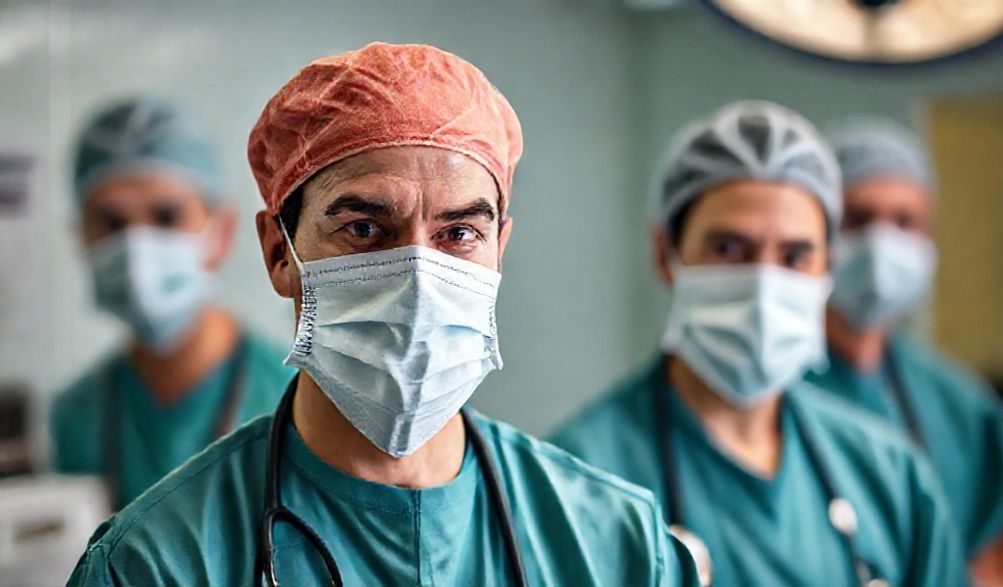
What Do Doctors Wear on Their Head? A Guide to Medical Headgear
When you picture a doctor, a specific image likely comes to mind: a white coat, a stethoscope, and perhaps a surgical cap. That iconic cap has become a universal symbol of the medical profession. But have you ever stopped to wonder why it’s worn, or if all doctors wear the same thing? The reality is that medical headgear is far more diverse and purpose-driven than a single snapshot suggests. It’s not a fashion statement but a critical piece of personal protective equipment (PPE) rooted in science and safety.
So, what do doctors wear on their head? The direct answer is that it depends entirely on their role, medical specialty, and the specific clinical environment. A neurosurgeon in a 10-hour operation, a pediatrician in a cheerful clinic, and an intensivist treating a patient with a highly infectious disease will all have very different needs—and their head coverings reflect that. Understanding this attire is key to appreciating the invisible layers of hygiene, safety, and protocol that define modern healthcare.
This guide will demystify the world of medical head coverings. We’ll explore the fundamental principles behind them, break down the common types you might see, and explain the strict protocols that govern their use. Whether you’re a curious patient, an aspiring medical professional, or simply someone who has ever wondered about the “why” behind the cap, this post will provide clear, trustworthy insight.
The Primary Purpose: Hygiene, Safety, and Sterility
Before we look at the specific types of caps, it’s essential to understand the why. Medical headgear isn’t worn out of tradition; it’s a cornerstone of infection control, a field of medicine dedicated to preventing the spread of pathogens in healthcare settings. The principles behind it are evidence-based and rigorously enforced by institutions and accrediting bodies like The Joint Commission and the Centers for Disease Control and Prevention (CDC).
Containing Hair and Skin Particles
The human body constantly sheds microscopic particles—skin cells (squames), hair, and dander. These particles can carry bacteria and other microorganisms. In a sensitive environment like an operating room, even a single stray particle contaminating an open wound or a sterile instrument tray can lead to a surgical site infection (SSI). SSIs are a serious complication, prolonging recovery, increasing healthcare costs, and posing significant risks to patient health. A primary function of any surgical head covering is to act as a barrier, containing these shed particles and preventing them from entering the sterile field.
Protecting the Doctor and Patient
The protection is a two-way street. While the cap protects the patient from the healthcare worker, it also protects the worker from the patient. During procedures, there is always a risk of exposure to blood, bodily fluids, or other potentially infectious materials. A cap provides a layer of protection for the doctor’s hair and scalp from splashes or aerosols. This dual role is a fundamental concept in PPE: creating a safe boundary for both parties involved in care.
Maintaining a Sterile Surgical Field
The concept of the “sterile field” is sacred in surgery. It is a specified area—including the draped patient, instrument tables, and the gowned and gloved surgical team above the waist—that is considered free of microorganisms. Achieving and maintaining this field requires a strict ritual known as the “surgical scrub” and “gowning and gloving.” Donning a sterile surgical cap is one of the very first steps in this process. It, along with a mask, ensures that the team members entering the sterile field are not a source of contamination from the neck up.
Common Types of Medical Head Coverings and Their Uses
With the core principles established, let’s explore the most common types of headgear you’ll find in hospitals and clinics. Each design addresses specific needs within the framework of hygiene and safety.
The Bouffant Cap (Disposable Surgical Cap)
- Description & Use: This is likely the most recognizable surgical cap. It’s characterized by its loose, puffy, and often pleated design, typically made from lightweight, non-woven polypropylene fabric. The bouffant is designed for maximum coverage and containment. Its generous fit ensures it can completely cover all hair, including longer styles, buns, or ponytails, with minimal effort. It is almost universally used as the standard-issue cap in operating rooms and sterile procedural areas like cardiac cath labs.
- Who Wears It: Surgeons, surgical nurses, surgical technologists, anesthesiologists, and any personnel who must enter the core sterile area of an OR.
The Scrub Cap (Skull Cap or Surgeon’s Cap)
- Description & Use: In contrast to the bouffant, the scrub cap has a fitted, contoured design that hugs the shape of the skull. It can be disposable or, more commonly, a reusable cloth cap. Many medical professionals prefer the skull cap for its comfort, secure fit (it’s less likely to be displaced during long, dynamic procedures), and because it doesn’t add bulk. A crucial caveat is that it must be designed and worn to contain all hair. If hair escapes from the sides or back, its protective benefit is nullified.
- Who Wears It: Often a matter of personal preference for surgeons and OR staff. Its use is subject to strict hospital policy regarding laundering and hair containment.
The Surgical Hood
- Description & Use: For some healthcare workers, a standard cap isn’t enough. The surgical hood provides extended coverage. It typically resembles a bouffant cap but with attached fabric that extends down to cover the neck, sideburns, and beard. This is essential for containing extensive facial hair, which can be a significant source of particle shedding.
- Who Wears It: Any OR personnel with beards, long sideburns, or facial hair. They are also routinely used in ultra-sterile environments such as orthopedic joint replacement surgeries or organ transplant operations, where the risk of infection must be minimized to an absolute extreme.
The Surgeons’ Headlight
- Description & Use: While not a covering for hygiene, this is a vital piece of “headgear” for many surgeons. It consists of a powerful, focused light source mounted on an adjustable headband. The headlight projects a bright, cool beam of light directly into the surgical cavity, illuminating deep or confined anatomical structures without casting shadows from the surgeon’s head or hands. It provides unparalleled visualization, which is critical for precision and patient safety.
- Who Wears It: Surgeons performing procedures in deep cavities, such as neurosurgeons, spinal surgeons, and otolaryngologists (ENT surgeons).
Headgear Beyond the Operating Room
Medicine isn’t confined to the OR. The use of head coverings changes dramatically in other clinical settings, reflecting the different levels of risk and protocol.
In the Clinic or Hospital Ward
During routine patient consultations in a clinic, or while making rounds on a general hospital ward, doctors (in specialties like internal medicine, family practice, or pediatrics) typically do not wear any form of surgical head covering. The focus here is on professional attire—a collared shirt, slacks, and often the symbolic white coat. The risk of contaminating a sterile field is absent, so the strict OR protocols do not apply. Cleanliness and professionalism are maintained through hand hygiene, not full barrier protection.
In Procedural and Isolation Rooms
This is where headgear re-enters the picture outside of traditional surgery.
* Procedural Suites: In areas like interventional radiology, cardiac catheterization labs, or endoscopy suites, where procedures are “semi-sterile,” you will commonly see staff wearing bouffant caps. While the field may not be as strictly controlled as in an OR, the principles of containing shedding and maintaining a clean environment are still paramount.
* Isolation and High-Risk Contagion: When treating patients with highly contagious, airborne, or dangerous pathogens (e.g., Ebola, tuberculosis, or COVID-19 in specific high-risk aerosol-generating procedures), the PPE escalates significantly. Here, a doctor might wear a full hood as part of a Powered Air-Purifying Respirator (PAPR) system. This hood provides a constant flow of filtered air and completely encloses the head, offering the highest level of respiratory and contact protection for the healthcare worker.
The Evolution and Personalization of Surgical Caps
In recent years, the plain blue or green disposable cap has been joined by a vibrant array of patterned fabric caps. This shift has sparked both enthusiasm and debate within the medical community.
From Standard-Issue to Personal Expression
Historically, surgical caps were utilitarian and uniform. The rise of comfortable, reusable cloth caps opened the door to personalization. Today, it’s common to see caps adorned with colorful prints, cartoon characters, holiday themes, floral patterns, or custom designs representing a surgeon’s hobbies, alma mater, or favorite cause.
The Debate: Function vs. Fashion
This trend sits at the intersection of function, morale, and safety.
* The Case For Personalization: Proponents argue that personalized caps serve several positive functions. They can boost morale and team cohesion in a high-stress environment, making long hours in the OR more bearable. They can also act as a quick visual identifier in a room full of similarly gowned individuals. For pediatric surgeons, a cap with friendly patterns can help ease a child’s anxiety before surgery.
* The Concerns: Critics raise valid infection control questions. The primary concern is whether reusable fabric caps are laundered to the same rigorous, hospital-grade standards as surgical linens. A cap worn repeatedly without proper laundering could itself become a reservoir for pathogens. Some also worry that flamboyant patterns could be seen as unprofessional or distracting.
* The Crucial Balance: The consensus among infection control experts is clear: Patient safety is non-negotiable. Whether a cap is plain or patterned, its primary function is to contain hair and maintain sterility. Most hospitals that allow personalized caps have strict policies mandating that they be laundered on-site by the facility’s sterile processing department, using validated protocols. The fashion must never compromise the function.
Frequently Asked Questions (FAQ)
Q: Do all doctors have to wear a cap?
A: No. It is mandatory only in environments where sterility must be maintained, such as operating rooms, delivery rooms, and certain procedural suites. It is not required for routine office visits or general ward rounds.
Q: Can doctors wear any hat they want in surgery?
A: Absolutely not. In sterile areas, all headgear must meet specific material, design, and coverage standards set by the healthcare facility and governed by national accreditation guidelines. A baseball cap or beanie is not permitted.
Q: Why do some surgeons wear skull caps while others wear bouffants?
A: This is often a combination of personal preference (comfort, fit), hair type/length, and the specific policy of the hospital. Both are considered acceptable forms of protection as long as they fully contain all hair and are worn correctly.
Q: What is the purpose of the funny/colorful patterns on scrub caps?
A: While they allow for personal expression and can improve team morale, their core purpose remains hygiene. They are first and foremost a functional barrier. Any identification or psychological benefit is secondary to their role in infection control.
Q: Do nurses and other staff wear the same head coverings as doctors?
A: Yes. Infection control protocols are role- and environment-based, not title-based. In an operating room, all personnel—surgeons, circulating nurses, anesthesiologists, and surgical technologists—must adhere to the same strict standards for head covering, masking, and gowning.
Conclusion
What a doctor wears on their head is a small but telling detail that reveals much about the context of care. It is a functional tool, not merely a uniform accessory. From the simple bouffant cap to the complex PAPR hood, each type of headgear is a direct response to a specific clinical need, rooted in the fundamental goals of protecting patients and healthcare workers alike.
The next time you see a medical professional in a cap, you’ll understand that it represents a deep commitment to evidence-based practice. It signifies that they are working in an environment where sterility is paramount, where every protocol is designed to minimize risk and optimize outcomes. The simple answer to our initial question is that it depends on where the doctor is and what they are doing. But the profound answer is that whatever they wear, its purpose is always anchored in the solemn priorities of safety, science, and patient care.
Did you have a surgery or medical procedure where you noticed your team’s unique scrub caps? Or do you have another question about medical attire? Share your thoughts or questions in the comments below!
p>