
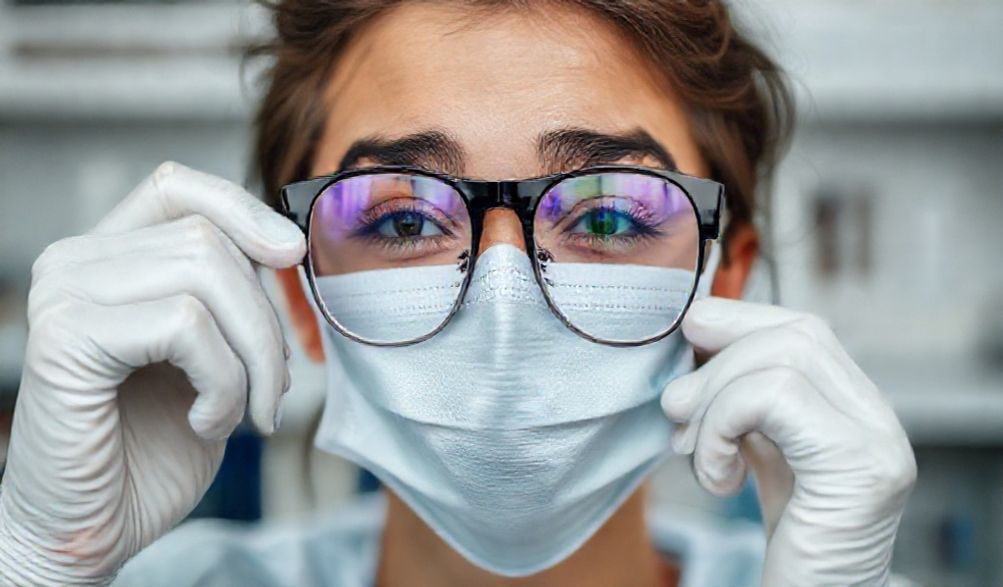
Dental Glasses: A Clear Guide to Protective Eyewear for Dental Professionals & Patients
You’re reclined in the dental chair, the bright operatory light overhead. As your dentist or hygienist leans in to begin, you might notice their eyewear—perhaps sleek frames with subtle magnification, or clear, wraparound safety glasses. Have you ever wondered why dental professionals wear these specific glasses, and why the assistant is now offering you a pair as well? This isn’t a fashion statement; it’s a critical layer of defense in a modern, safety-first dental practice.
This comprehensive guide will demystify dental glasses, moving beyond the simple concept of “eye protection.” We’ll explore their indispensable role in infection control, the different types available for professionals and patients, and how to choose the right pair. Whether you’re a dental practitioner looking to upgrade your personal protective equipment (PPE) or a patient seeking to understand the safety measures in your care, this post serves as your definitive resource on the vital importance of protective eyewear in dentistry.
What Are Dental Glasses? More Than Just Eye Protection
At first glance, dental glasses might look like robust safety glasses or even stylish spectacles. In reality, they are a specialized category of PPE engineered for the unique hazards of the dental operatory. Understanding their design and purpose is the first step in appreciating their necessity.
Defining Dental Glasses (Operatory Eyewear)
Dental glasses (often called operatory eyewear) are protective eyewear designed specifically to shield the eyes from the biological, chemical, and physical hazards present during dental procedures. They are a fundamental component of Standard Precautions, as outlined by the Centers for Disease Control and Prevention (CDC), and are mandated by the Occupational Safety and Health Administration (OSHA) under the Bloodborne Pathogens Standard.
The key distinction from regular safety glasses or fashion frames lies in their comprehensive protective design. While construction safety glasses might guard against frontal impacts, dental glasses are built to defend against a full spectrum of threats: airborne pathogens, chemical splashes, fine particulate debris, and optical radiation, all while ensuring an ergonomic fit for the clinician performing intricate, close-up work.
The Critical Role in Infection Control & Safety
The dental environment is unique. High-speed handpieces, ultrasonic scalers, and air-water syringes create a visible spray—or aerosol—that contains a mixture of water, patient saliva, blood, and microorganisms. This aerosol, along with larger droplets of splatter, can easily land on the mucous membranes of the eyes, posing a significant risk of infection transmission.
The dual-protection function of dental glasses is paramount:
* Protecting the Clinician: They act as a physical barrier, preventing infectious splatter and aerosols from contacting the eyes. This is a primary defense against bloodborne pathogens like Hepatitis B, Hepatitis C, and HIV.
* Protecting the Patient: When the clinician wears protective eyewear, it prevents any of their own microorganisms from inadvertently contaminating the operative field. Furthermore, patient-worn glasses shield their eyes from accidental splashes, spatter, or dropped instruments.
Beyond infection control, dental glasses also protect against:
* Flying Debris: Pieces of old filling material, tooth enamel, or calculus.
* Chemical Splashes: Disinfectants, etching gels, or bleaching agents.
* Optical Radiation: Harmful UV and high-intensity blue light emitted from dental curing lights, which can cause photokeratitis (a “sunburn” of the eye) or contribute to long-term retinal damage.
Key Features of Professional Dental Glasses
Not all protective eyewear is created equal. High-quality dental glasses incorporate several non-negotiable features:
* Full Coverage Design: This includes integral side shields or a wraparound style that leaves no gaps for splatter to enter from the sides, top, or bottom.
* Anti-Fog Coating: A critical feature to maintain clear vision during long procedures, especially while wearing a mask, which can direct warm breath upward.
* Impact-Resistant Lenses: Lenses must meet or exceed the ANSI Z87.1+ safety standard (or its regional equivalent), certifying they can withstand high-velocity impact.
* UV & Blue Light Filtration: Lenses should filter out 99-100% of UVA/UVB rays and a significant portion of high-energy blue light from curing lamps.
* Magnification (Loupes): Many clinician glasses incorporate magnification systems (dental loupes) to enhance visualization, improve posture, and increase procedural precision.
Types of Dental Glasses: Choosing the Right Protection
The term “dental glasses” encompasses a range of products tailored for different users and tasks within the practice.
For the Dental Professional: Loupes & More
For the clinician, eyewear is a primary tool that affects both safety and performance.
Dental Loupes with Eye Protection
This is the gold standard for dentists and hygienists performing clinical procedures. These systems combine precision magnification with full protective lenses. The benefits are multifold:
* Enhanced Vision: Magnification (typically 2.5x to 6x) reveals fine details, leading to more accurate diagnosis, caries detection, and margin placement.
* Built-in Protection: The lenses are safety-rated, providing the necessary barrier against all operatory hazards.
* Ergonomic Posture: By bringing the work into focus, loupes encourage an upright, neutral spine position, drastically reducing neck and back strain over a career.
Styles include Through-The-Lens (TTL), where the magnification is custom-ground into the prescription lens for a seamless field of view, and Flip-Up models, where the magnifying loupes can be hinged out of the way when not needed.
Straight Protective Eyewear
For dental assistants, sterilization technicians, or clinicians during non-magnified tasks, straight protective eyewear is essential. These are durable, full-coverage safety glasses that prioritize protection and comfort. They must be compatible with other PPE, such as face shields or surgical masks, without compromising fit or function.
For the Patient: Safety During Procedures
Patient safety is the cornerstone of ethical dental care, and eye protection is a simple yet vital part of that commitment.
The Importance of Patient Eyewear
Offering protective glasses to a patient is not just a courtesy; it is a standard of care. It demonstrates a practice’s holistic approach to safety. Patient glasses protect against:
* Accidental splashes from the air-water syringe.
* Tiny fragments during tooth preparation or old restoration removal.
* The intense light of the curing lamp or operatory light.
This small act significantly enhances the patient’s physical safety and psychological comfort during treatment.
Typical Styles for Patients
Patient glasses are designed to be simple, effective, and hygienic.
* Disposable Glasses: Made of lightweight plastic, these are cost-effective and guarantee a sterile pair for every patient. They are often designed to be worn over the patient’s own prescription glasses.
* Reusable Glasses: Constructed from more durable materials, these are disinfected between patients using an approved protocol. They often feature adjustable temples for a better fit.
How to Select the Best Dental Glasses: A Buyer’s Guide
Investing in the right dental glasses is an investment in long-term health and professional efficacy. Here’s what to consider.
Prioritizing Safety Standards & Certifications
This is the most critical filter. Any eyewear used in a clinical setting must be stamped with ANSI Z87.1+ (or the equivalent CE EN 166/170 standard in Europe). This certification verifies the lenses and frames have been tested and proven to provide high-impact protection. Never compromise on this standard.
Assessing Fit, Comfort & Lens Options
If glasses are uncomfortable, they won’t be worn consistently. Look for:
* Adjustability: Padded nose bridges and adjustable temple arms ensure a secure, personalized fit that won’t slip during precise movements.
* Weight: Lightweight frames reduce fatigue during long clinical days.
* Lens Options: Clear lenses are standard. Consider tinted lenses (e.g., light amber) for clinicians or patients with light sensitivity. Blue light-filtering lenses are highly recommended for anyone regularly exposed to curing lights.
Durability, Maintenance & Hygiene
Professional dental glasses are an investment and should be built to last.
* Durability: Look for robust hinges and scratch-resistant lens coatings.
* Hygiene Protocol: They must be easy to clean and disinfect. Use only manufacturer-approved, EPA-registered hospital-grade disinfectant wipes or sprays. Avoid alcohol-based cleaners on anti-fog coatings, as they can degrade them.
* Replacement: Inspect glasses regularly. Deep scratches, cracks, or a permanently compromised anti-fog coating are signs it’s time for a replacement to ensure optimal protection and clarity.
Beyond Safety: The Benefits of Modern Dental Glasses
While protection is the primary goal, modern dental glasses, especially loupes, deliver profound secondary benefits that elevate the entire practice.
Enhancing Ergonomics & Reducing Fatigue
Chronic neck and back pain are occupational hazards in dentistry, often stemming from poor, forward-leaning posture. Dental loupes, by magnifying the operative field, allow the clinician to sit upright with a neutral spine. This ergonomic advantage is not a luxury; it’s a career-saving measure that reduces musculoskeletal strain, prevents long-term injury, and promotes sustainable practice longevity.
Improving Clinical Precision & Outcomes
The ability to see clearly is directly linked to the ability to perform precisely. Magnification reveals what the naked eye misses: subtle cracks, minute caries, subgingival calculus, and marginal imperfections. This leads to more conservative tooth preparation, superior restoration finishes, more thorough debridement, and ultimately, better long-term clinical outcomes for patients.
Building Patient Confidence & Trust
In the eyes of the patient, a clinician wearing proper, professional dental glasses (and offering a pair to them) sends a powerful, non-verbal message. It communicates meticulousness, attention to detail, and a paramount commitment to safety. This visible dedication to protocol builds immediate trust and reinforces the perception of a modern, professional, and caring practice.
FAQ Section
Q1: Are dental glasses mandatory for dentists and hygienists?
A: Yes. Under OSHA regulations (Bloodborne Pathogens Standard, 29 CFR 1910.1030) and following CDC guidelines for Standard Precautions, appropriate eye protection is required whenever there is a reasonable anticipation of exposure to splashes, sprays, splatter, or droplets. This covers virtually all clinical dental procedures.
Q2: Can I wear my own prescription glasses instead of dental glasses?
A: Standard prescription eyeglasses do not provide adequate side protection and are rarely impact-rated to the ANSI Z87.1+ standard. For safety and compliance, clinicians need prescription safety glasses or, ideally, custom-prescription dental loupes. Patients can wear their own glasses underneath provided patient safety glasses.
Q3: How often should dental glasses be cleaned and disinfected?
A: They must be cleaned and disinfected between every patient encounter. Follow the manufacturer’s instructions using an EPA-registered hospital-grade disinfectant that is compatible with the lenses and frame materials to avoid damage.
Q4: What’s the difference between dental loupes and simple safety glasses?
A: Dental loupes are an integrated system that provides both magnification for enhanced vision/ergonomics and full, safety-rated lens protection. Basic safety glasses only provide protection, often with less comprehensive coverage, and offer none of the clinical vision or postural benefits essential for detailed dental work.
Q5: Do patients really need to wear protective glasses?
A: Absolutely. Protecting the patient’s eyes is a fundamental standard of care. It guards against unexpected but possible events like a dropped instrument, a splash from irrigation, or debris from tooth preparation. Any reputable practice will insist on it for the patient’s safety.
Conclusion
Dental glasses are far more than an accessory; they are an essential, non-negotiable pillar of modern dental safety and practice excellence. From the clinician’s loupes to the patient’s disposable shields, this protective eyewear serves a critical dual function: safeguarding the health of both parties at the chairside. By adhering to stringent safety standards like ANSI Z87.1+, investing in ergonomic design, and maintaining rigorous hygiene protocols, dental professionals demonstrate their deepest commitment to their own well-being and the superior care of their patients.
Choosing high-quality dental glasses is an investment that pays dividends in enhanced safety, improved clinical results, reduced physical strain, and strengthened patient trust. We encourage every dental professional to evaluate their current eyewear for compliance, comfort, and clarity. For patients, we hope this guide empowers you to recognize and appreciate this simple yet vital safety measure during your next dental visit—a clear sign that your care is in responsible hands.
p>