
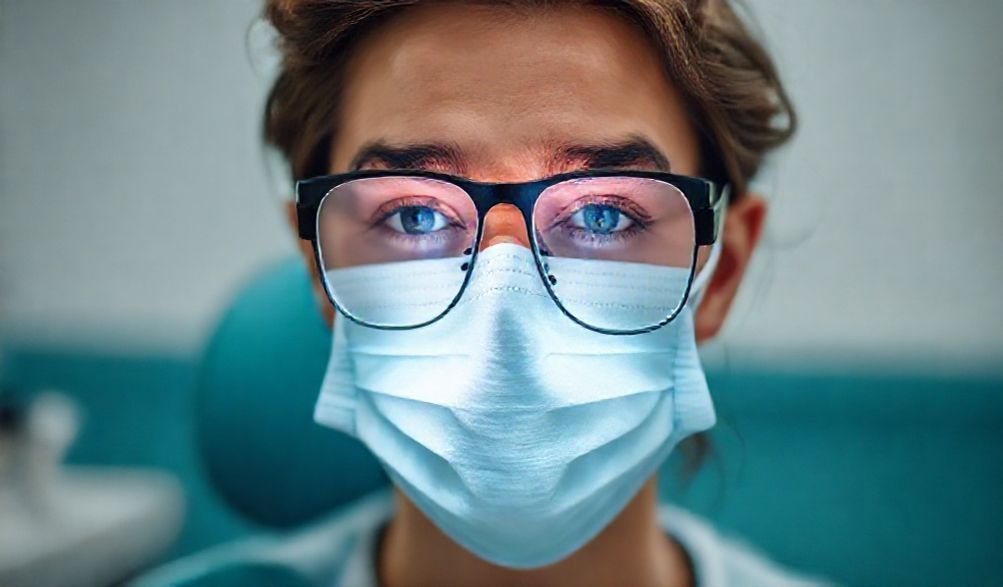
Dentist Glasses with Light: A Complete Guide for Enhanced Precision & Patient Comfort
Imagine this: you’re midway through a complex root canal procedure. The canals are narrow, calcified, and demand absolute precision. The success of the treatment—and the long-term health of the patient’s tooth—hinges on your ability to see every minute anatomical detail. Yet, as you lean in, your head casts a shadow over the operative field. The bright overhead light glares, causing your patient to squint, while you contort your neck to find the perfect angle. This high-stakes scenario, familiar to every clinician, underscores a fundamental challenge in dentistry: the critical need for perfect, unobstructed illumination.
Traditional dental lighting, while improved over the years, is inherently flawed. The overhead operatory light is often a source of patient discomfort, causing glare and requiring them to keep their eyes closed. For the practitioner, it creates shadows exactly where you need clarity, leading to eye strain, poor posture, and ultimately, fatigue that can compromise both the quality of care and your own physical health. The quest for a better solution has led to a revolutionary tool that is transforming modern dental practice: dentist glasses with integrated lighting, also known as illuminated dental loupes.
This guide is crafted from a deep understanding of clinical ergonomics and patient-centered technology. Our purpose is to serve as your comprehensive, evidence-based resource for evaluating this significant practice investment. We will move beyond marketing claims to provide a clear-eyed look at how illuminated loupes work, their tangible benefits, and the critical factors you must consider to choose the right system for your unique practice. We promise to equip you with the knowledge to make an informed decision that enhances your precision, preserves your health, and elevates the care you provide.
What Are Dentist Glasses with Light? (Understanding the Tool)
At their core, dentist glasses with light are a sophisticated fusion of two essential technologies: magnification optics and focused illumination. They are not merely a flashlight attached to a frame; they are an integrated system designed to deliver light and clarity directly into your line of sight.
Core Components and How They Work
The system consists of two primary elements:
- Magnification Loupes: These are Galilean or prismatic telescopic lenses, similar to those used by surgeons and jewelers, mounted onto an eyewear frame. Common magnification levels in dentistry range from 2.5x to 6x. They bring the treatment area closer to your eyes, revealing fissures, caries, and margins that are invisible to the naked eye.
- Integrated LED Light Source: Small, powerful, and cool-running Light Emitting Diodes (LEDs) are mounted on the loupe barrels or the frame itself. These project a beam of bright, white light that is perfectly coaxial with your line of sight—where you look, the light shines. This eliminates the parallax error and shadows created by overhead lights.
The system is typically powered by a lightweight, rechargeable battery pack that can be clipped to your waist or placed in a pocket. A thin, flexible cord runs from the pack to the glasses. Some models offer cordless designs with an integrated battery in the frame, though this can affect weight distribution.
Different Styles and Form Factors
Not all illuminated loupes are created equal, and the style you choose significantly impacts your experience.
-
Through-the-Lens (TTL) vs. Flip-Up Loupes:
- TTL Loupes: The magnification lenses are permanently fixed inside the carrier lenses, custom-made for your specific working distance, pupillary distance, and declination angle. They offer a wider field of view, are generally lighter, and provide a more “natural” viewing experience as the optics are always aligned. They are the preferred choice for most full-time clinicians.
- Flip-Up Loupes: The magnification optics are mounted on a hinge, allowing you to flip them up and down. They offer flexibility, as you can use the same loupes at different working distances by adjusting the flip-up mechanism, and they are often easier to share between users. However, they can be heavier and may have a slightly narrower field of view.
-
Frame Types: Whether you have 20/20 vision or require a strong prescription, there is an option. For those who need vision correction, you can order custom TTL loupes with your prescription ground directly into the carrier lenses. Alternatively, many frames are designed to fit comfortably over your existing prescription glasses.
Key Benefits of Using Illuminated Dental Loupes
The investment in dentist glasses with light pays dividends across three critical areas: clinical outcomes, practitioner health, and the patient experience.
Enhanced Clinical Precision and Accuracy
This is the most immediate and profound benefit. By delivering shadow-free, focused light directly onto the treatment site, you achieve a level of visual acuity that is simply impossible with overhead lighting.
* Elimination of Shadows: Your own head and hands no longer block the light source. This is crucial for procedures in posterior regions, deep cavities, and during surgical interventions.
* Superior Diagnosis: Early enamel demineralization, hidden caries, microfractures, and subtle tissue changes become apparent. This allows for more conservative, interceptive treatment and more accurate diagnoses.
* Improved Procedure Quality: From achieving perfect margins on a crown prep to ensuring complete calculus removal in a deep periodontal pocket, enhanced visibility translates directly to higher-quality, more predictable clinical results.
Improved Ergonomics and Reduced Fatigue
The physical toll of dentistry is well-documented, with a high prevalence of musculoskeletal disorders among practitioners. Illuminated loupes are a primary ergonomic intervention.
* Promotes Neutral Posture: To use magnification effectively, you must sit upright with your back straight and bring the patient to you, rather than hunching over. The integrated light removes the need to crane your neck to “chase” the overhead light. This alignment reduces strain on your neck, back, and shoulders.
* Reduces Eye Strain: Constantly refocusing between bright and shadowed areas, and dealing with glare, tires the ocular muscles. A consistent, well-lit focal point at a fixed distance significantly reduces visual fatigue, allowing you to work longer with greater comfort and focus.
Elevated Patient Experience and Trust
Patient perception is a cornerstone of a successful practice.
* Increased Comfort: Removing the blinding overhead light from the patient’s eyes is a simple act of courtesy that dramatically improves comfort, especially for lengthy procedures. Patients appreciate not having to keep their eyes tightly closed.
* Builds Confidence and Trust: When a patient sees you utilizing advanced, focused technology, it communicates a commitment to precision and modern care. Your own increased confidence during the procedure—stemming from better visibility—is palpable and fosters greater patient trust in your expertise.
How to Choose the Best Dental Loupes with Light: A Buyer’s Guide
Selecting your first (or next) set of illuminated loupes is a highly personal decision. Here are the key factors to consider.
Determining Your Magnification Needs
More magnification isn’t always better; it’s about the right tool for your common tasks.
* General Dentistry (2.5x – 3.5x): Ideal for exams, restorative work, and hygiene. Offers a good balance between magnification and a wide field of view.
* Endodontics, Periodontics, Surgery (4.5x – 6x+): Necessary for fine detail work in a confined area. Higher magnification comes with a reduced field of view and depth of field, requiring more practice to use effectively.
* Field of View & Depth of Field: Understand that as magnification increases, the area you see at once (field of view) shrinks, and the range of distance that remains in focus (depth of field) decreases. A professional fitting is essential to balance these factors for your specific working habits.
Evaluating Light Source Specifications
The “light” component is as important as the “glasses.”
* Color Temperature: Measured in Kelvins (K). A “daylight” temperature around 5500K is considered ideal for dentistry, as it provides neutral, white light that allows for true tissue color differentiation—critical for diagnosing vitality, inflammation, and caries.
* Brightness & Beam Pattern: Look for a light that is powerful enough (measured in lumens or lux) but also has an even, diffuse beam without harsh “hotspots” that can create glare or wash out details. The light should be bright enough to illuminate deep cavities without being uncomfortable for the patient.
* Battery Life: Ensure the rechargeable battery can last a full clinical day (6-8 hours) on a single charge. Consider systems with quick-charge capabilities or the option for a spare battery.
Fit, Comfort, and Adjustability
An ill-fitting loupe is worse than no loupe at all. Never buy “off-the-shelf.”
* Professional Fitting is Non-Negotiable: A certified representative must measure your Working Distance (distance from your eyes to the patient’s mouth), Interpupillary Distance (PD), and Declination Angle (the angle your head naturally tilts when working). These measurements are used to custom-build your TTL loupes or precisely adjust flip-ups.
* All-Day Comfort: Evaluate the frame’s weight, padding on the nose bridge and temples, and overall balance. The battery pack should be lightweight and easy to position without tugging on the cord. You should be able to wear the system comfortably for hours.
Top Considerations and Practical Tips for Use
Integration into Your Daily Workflow
There is a learning curve, but the payoff is immense.
* Acclimation: Start by wearing your loupes for shorter, less complex procedures. Your brain needs time to adapt to magnification and the new, fixed working posture. Depth perception will feel different at first.
* Cord Management: Use the clip provided to secure the cord to your clothing, preventing it from snagging or pulling on your glasses. Develop a habit of being mindful of the cord when turning or moving.
Maintenance and Care for Longevity
These are precision instruments that require proper care.
* Lens Cleaning: Use only the microfiber cloth provided or lens-specific wipes. Never use paper towels, clothing, or harsh chemicals, as they can scratch the delicate anti-reflective coatings.
* LED Covers: Gently clean the clear covers over the LED lights to maintain optimal light output.
* Battery Care: Follow the manufacturer’s instructions. Typically, this means fully discharging and recharging the battery periodically to maintain its health and avoiding leaving it plugged in constantly.
Cost Analysis and Return on Investment (ROI)
High-quality illuminated loupes are a significant investment, often ranging from $1,500 to over $3,500.
* Reframe the Cost: Do not view this as an expense, but as an investment in three key assets:
1. Your Health: The potential to prevent chronic neck, back, and eye problems can add years to your clinical career and improve your quality of life.
2. Your Efficiency: Improved visibility can reduce procedure time and the need for re-dos.
3. Your Clinical Quality: The ability to deliver superior, more predictable results enhances your professional reputation and patient satisfaction.
* The ROI is in career longevity and the elevated standard of care you can provide.
Frequently Asked Questions (FAQ)
Q: Are dentist glasses with light worth the investment?
A: For any dental professional performing clinical procedures on a regular basis, the answer is overwhelmingly yes. While the upfront cost is substantial, the combined benefits of improved clinical outcomes, significant ergonomic protection for your body, and enhanced patient comfort make it one of the most valuable long-term investments you can make in your practice and personal well-being.
Q: Can I get prescription lenses in dental loupes?
A: Absolutely. This is a standard offering from all major manufacturers. For Through-the-Lens (TTL) loupes, your exact prescription, including astigmatism correction, is ground into the carrier lenses during custom fabrication. This provides the clearest, most integrated solution.
Q: How long does the battery typically last?
A: Battery life varies by model and light intensity setting. Most modern LED systems are designed to last a full clinical day (6-8 hours) on a medium-to-high setting on a single charge. Always check the specifications for the specific model and consider having a backup battery or a charging station in your operatory for peace of mind.
Q: What is the typical lifespan of a pair of high-quality dental loupes with light?
A: With proper care, the optical components (the loupes themselves) can last 10 years or more. The LED lights have an extremely long functional lifespan (often 50,000 hours). The most common components that may need attention over time are the rechargeable batteries (every 2-4 years depending on use) and the foam padding on the frame.
Conclusion
Dentist glasses with integrated light represent a fundamental shift from struggling with illumination to commanding it. They are more than a gadget; they are a paradigm that enhances precision at the clinical level, provides a vital safeguard for the practitioner’s physical health, and creates a more comfortable, trusting environment for the patient. The journey from shadowed uncertainty to illuminated clarity is transformative.
Our final, strongest recommendation is this: the choice is deeply personal and must be grounded in a professional fitting. Your working posture, visual needs, and clinical focus are unique. We urge you to take the next step: schedule consultations and demos with certified representatives from two or three reputable manufacturers. Try different magnifications and frame styles. Feel the weight, test the light, and experience the difference firsthand.
By investing the time to make an informed choice, you are investing in the most critical tool in dentistry—your own ability to see, work, and thrive at your very best for years to come.
p>