
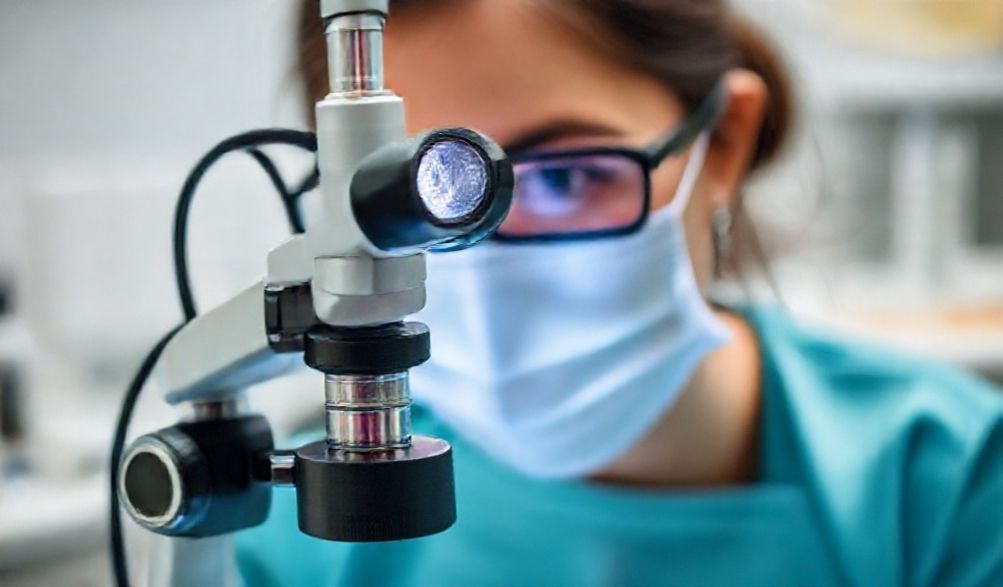
The Ultimate Guide to Dental Hygienist Loupes with Light: Enhance Precision & Reduce Strain
If you’re a dental hygienist, you know the feeling all too well. That dull ache in your neck at the end of a long day. The tightness between your shoulder blades. The eye strain from hours of focusing on a tiny, shadow-filled oral cavity. These aren’t just minor inconveniences; they are the early warning signs of the musculoskeletal disorders (MSDs) and chronic fatigue that plague our profession. But what if the very tool causing the strain—the act of leaning in to see—could be transformed into the solution?
Enter dental hygienist loupes with an integrated light. This isn’t merely another piece of equipment; it’s a career-preserving, performance-enhancing investment. This comprehensive guide, compiled with insights from experienced dental hygienists, ergonomic specialists, and leading manufacturers, is designed to cut through the confusion. We’ll explore not just why you need loupes with light, but how to choose the perfect pair for your practice, posture, and long-term health. Consider this your roadmap to making an informed decision that empowers you to work smarter, see better, and practice longer.
Why Dental Hygienist Loupes with Light Are a Career-Changing Investment
Viewing loupes with light as a simple purchase is a mistake. They are a strategic investment in your most valuable professional asset: yourself. The benefits cascade from your personal well-being directly to the quality of care you provide.
Ergonomic Benefits: Protecting Your Most Important Asset – You
The statistics are sobering. A significant majority of dental professionals will experience work-related pain, with the neck, shoulders, and back being the most common sites. This is a direct result of the sustained, awkward postures required to visualize the oral cavity. Loupes are the cornerstone of ergonomic intervention.
By providing magnification, loupes allow you to move your eyes closer to the working area, not your entire body. You can finally sit upright with your back against the chair, your shoulders relaxed, and your neck in a neutral position. This proper posture is not a luxury; it’s a necessity for preventing debilitating conditions like cervical spondylosis or chronic back pain. Organizations like the American Dental Hygienists’ Association (ADHA) and OSHA emphasize ergonomics as a critical component of professional practice. Loupes with light are the single most effective tool for achieving it.
Enhanced Visual Acuity and Clinical Precision
Magnification is a revelation. Suddenly, the subtle textures of enamel, the faint line of subgingival calculus, and the early signs of incipient caries come into stark relief. Moving from 2.5x to 3.5x magnification can feel like upgrading from standard definition to 4K resolution in your clinical field.
Now, pair that magnification with a high-quality, integrated LED light. The problem in dentistry is rarely a lack of light, but a prevalence of shadows. Your head often blocks the overhead operatory light. A coaxial light source, mounted directly on your loupes, follows your line of sight, flooding the field with shadow-free illumination. This combination of magnification and perfect light transforms your ability to detect microfractures, remove all tenacious calculus, and perform minimally invasive procedures with unparalleled accuracy. Your “seeing” becomes “diagnosing.”
Improved Patient Care and Communication
This enhanced clinical capability translates directly to superior patient outcomes. A more thorough cleaning, the early interception of a cavity, or the identification of a suspicious soft tissue lesion are all tangible results of better visualization.
Furthermore, loupes with light become a powerful communication tool. Many modern systems are compatible with cameras. Being able to show a patient, on a monitor, the exact piece of calculus you just removed or the early staining in a fissure makes education concrete and builds immense trust. You’re not just telling them they have a problem; you’re showing them the evidence, which fosters compliance and reinforces your professional expertise.
Long-Term Career Sustainability
Let’s be blunt: chronic pain is a primary reason talented hygienists leave the profession earlier than they planned. Investing in loupes with light is an investment in your career’s longevity. It’s the difference between dreading the physical toll of a busy schedule and finishing a day feeling tired but not broken. This equipment isn’t a luxury for the few; it’s essential gear for any hygienist serious about a long, healthy, and productive career.
Key Features to Consider When Choosing Your Loupes with Light
With so many options, choosing can feel overwhelming. Breaking down the key features will help you understand what you’re looking at and what matters most for your practice.
Magnification Power and Working Distance: Finding Your Sweet Spot
Magnification for hygienists typically ranges from 2.5x to 5.5x. Beginners often start with 2.5x or 3.0x to adapt more easily. Higher magnifications (3.5x, 4.0x+) are popular for periodontal therapy and offer incredible detail but have a smaller field of view and a steeper learning curve.
Working Distance is the critical, often overlooked, partner to magnification. It’s the distance from your eyes to your patient’s mouth when you are in your ideal, upright posture. If the working distance is too short, you’ll hunch; if it’s too long, you’ll strain to reach. A professional fitting is essential to measure this precisely. Your perfect loupes will have the right magnification and the correct working distance to support your ergonomic posture.
Light Source Technology: LED Types and Performance
All modern loupe lights use LEDs, but not all LEDs are equal.
* Color Temperature: Measured in Kelvins (K). Cool white light (5000K-6000K) is brighter and offers high contrast, mimicking daylight, which many prefer for detecting calculus. Warm white light (4000K-4500K) is easier on the eyes for long periods and can reduce glare.
* Brightness (Lumens) & Battery Life: Look for a balance. A very bright light (500+ lumens) is powerful but may drain the battery quickly and generate more heat. A system offering adjustable intensity is ideal, allowing you to dial in the perfect light for each task and conserve battery.
* Heat Management: Quality lights have heat sinks or other management systems to keep the LED cool, preventing patient discomfort and protecting the electronic components.
Declination Angle and Field of View
These technical specs directly impact comfort.
* Declination Angle: This is the angle of the loupe barrels relative to your eyes. An incorrect angle forces you to tilt your head down, defeating the ergonomic purpose. It must be customized to your natural seated posture.
* Field of View: This is the diameter of the area you can see through the loupes. Higher magnification usually means a smaller field of view. A wider field at a given power is generally more comfortable and reduces the “tunnel vision” effect.
Frame Options: Fit, Comfort, and Compatibility with PPE
Comfort is king for all-day wear.
* TTL vs. Flip-Up: Through-the-Lens (TTL) loupes have the lenses permanently mounted in the frame, offering a lighter weight and a more customized, streamlined fit. Flip-Up loupes have a mounted binocular that can be flipped up, allowing you to quickly switch between magnified and normal vision. They can be heavier but are sometimes easier to share or adjust.
* Fit & Weight: Lightweight frames (like titanium) make a huge difference. The frame should sit securely without pinching. Consider how they will fit over your safety glasses or with face masks and shields.
Top Lighting Systems for Dental Hygienist Loupes: A Comparative Overview
Integrated vs. Modular Light Systems
- Integrated Systems: The light and loupes are designed as one unit from the ground up. This typically offers the best balance, as the weight of the light is centered and minimal. The wiring is often cleaner, and the system is optimized for performance. Think of it as a premium laptop.
- Modular/Clip-On Systems: These lights can be attached to existing loupe frames. They offer flexibility and can be a cost-effective way to add light later. However, they can make the loupes front-heavy, affecting balance, and the attachment mechanism may be less secure. Think of it as adding an external hard drive to a computer.
Battery Packs and Charging Solutions
How you power your light is a practical daily consideration.
* Battery Placement: Options include a small battery pack that clips to your waistband or scrubs, or a slightly larger belt-worn pack. The goal is to keep the weight off your head and neck.
* Battery Life & Charging: Look for systems that offer a full clinical day (6-10 hours) on a single charge. Quick-charge capabilities and the availability of a spare, swappable battery are major advantages, ensuring you’re never left in the dark during a patient appointment.
Durability and Warranty: What to Look For
You’re investing in a precision optical and electronic device. The manufacturer’s reputation is paramount.
* Warranty: A strong warranty is a sign of confidence. Look for a lifetime warranty on the optics and frame (against defects) and a minimum 2-year warranty on the light source and electronics. Read the fine print to understand what is and isn’t covered (e.g., accidental damage).
* Service & Support: Can the loupes be adjusted or repaired locally, or do they need to be shipped away? Good customer service is invaluable if you have an issue.
The Professional’s Guide to Getting Fitted and Adjusting to Your Loupes
The Critical Importance of a Professional Fitting
This cannot be overstated: Loupes are not an off-the-shelf purchase. An improper fit will cause more harm than good, forcing you into worse postures. A proper fitting session should include:
1. Posture Analysis: The fitter observes you in your typical working position.
2. Working Distance Measurement: Precisely measuring the distance from your eyes to where your hands work.
3. Interpupillary Distance (PD) Measurement: The distance between your pupils, critical for aligning the optics.
4. Frame Selection & Adjustment: Ensuring the frame fits your face perfectly.
The Adaptation Period: Tips for a Smooth Transition
Your brain needs time to adapt to magnification and a new posture.
* Start Slow: Wear them for short, non-clinical tasks first—reading, using your phone, working on a model at home.
* Practice Hand-Eye Coordination: Simple activities like picking up small objects or writing will help retrain your motor skills.
* Be Patient: Minor dizziness or nausea is common for the first few days. It usually passes within a week as your brain adapts.
Daily Care, Maintenance, and Sterilization Protocols
Proper care protects your investment.
* Cleaning Lenses: Use only lens-specific spray and a microfiber cloth. Never use alcohol, window cleaner, or paper towels, as they can damage coatings.
* Cleaning the Light & Frame: Wipe down with a disinfectant wipe recommended by the manufacturer. Avoid getting moisture in ports or switches.
* Storage: Always store in a hard, protective case. Never leave them where they can be sat on, knocked over, or exposed to extreme temperatures.
* Battery Care: Follow the manufacturer’s instructions. Typically, avoid fully depleting lithium-ion batteries regularly; partial discharges are better. Store in a cool, dry place.
Frequently Asked Questions (FAQ) About Dental Hygienist Loupes with Light
Q: Are loupes with light really worth the cost for a dental hygienist?
A: Absolutely. Frame the cost not as an expense, but as a return on investment (ROI) in your health and career. Compare the one-time cost to the potential cost of chronic pain management, missed work, or being forced to leave the profession early. The improvement in clinical precision and patient care further justifies the investment.
Q: How do I know what magnification is right for me?
A: While a professional fitting is definitive, general guidance is to start with 2.5x or 3.0x if you are new to loupes. Many experienced hygienists settle in the 3.5x range for a great balance of detail and field of view. The best advice is to “try before you buy”—many fitters have demo units to test different powers.
Q: Can I add a light to my existing loupes?
A: Often, yes. Many manufacturers sell modular light systems designed to attach to their own loupe frames. However, it’s crucial to consult your loupe’s manufacturer first. An integrated system designed from the start will almost always offer superior balance and performance.
Q: How long does the battery typically last, and how do I maintain it?
A: A quality LED system should last 6-10 hours on a medium setting, enough for a full clinical day. For longevity, avoid constantly draining the battery to 0%. Charge it when it gets low (around 20%). Use only the manufacturer’s charger, and store the battery in a cool, dry place.
Q: What is the typical warranty, and what does it cover?
A: Look for a strong, two-part warranty: a lifetime warranty on optics and frame for manufacturing defects, and a 1-3 year warranty on the light engine, battery, and electronics. Always read the warranty details to understand the process for repairs or replacements.
Conclusion
Choosing the right dental hygienist loupes with light is one of the most significant professional decisions you will make. It goes beyond buying a tool; it’s about adopting a system that safeguards your physical well-being, elevates your clinical capabilities, and secures the longevity of the career you love. The initial investment is outweighed by the years of pain-free practice and the satisfaction of providing exceptional, precise care.
Your next step is to move from research to action. Talk to colleagues about their experiences. Seek out reputable vendors and insist on a comprehensive, in-person professional fitting. A true fitting is a consultation, not a sales pitch. Prioritizing equipment that protects you is the mark of a savvy, professional dental hygienist who is committed to excellence—both in patient care and in self-care. Your future self will thank you.
p>