
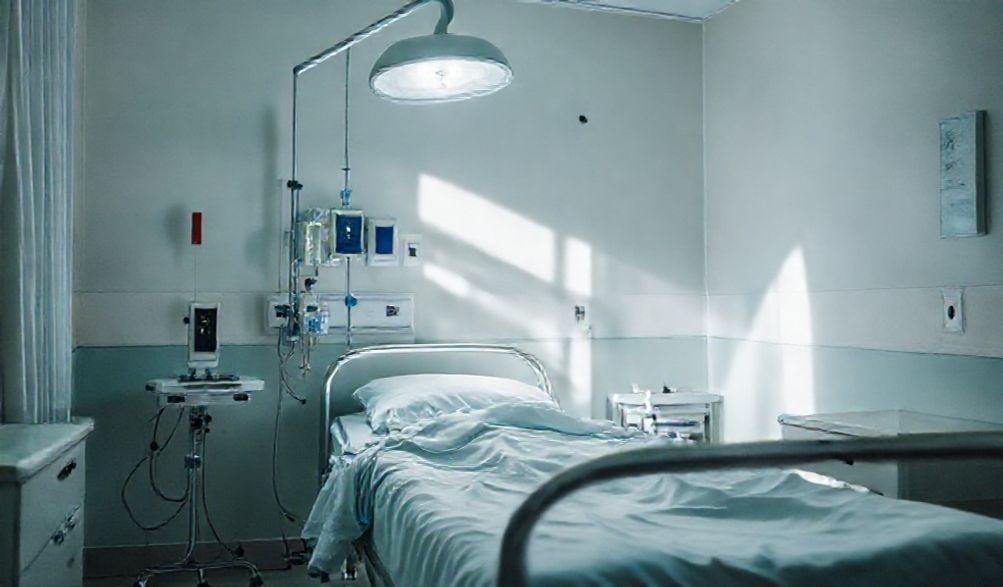
Hospital Bed Lights: A Complete Guide to Safety, Features, and Selection
When we think of a hospital room, our minds often jump to the bed itself, the monitors, or the IV pole. Rarely does the humble light above the bed take center stage. Yet, this unassuming fixture is one of the most critical pieces of equipment in the room. Far more than a simple bulb in a shade, a hospital bed light is a vital medical tool that operates at the intersection of patient care, clinical precision, and facility safety.
Proper lighting directly influences a patient’s healing journey, a nurse’s ability to perform a delicate procedure, and the overall safety of the environment. For patients and families navigating care, for clinicians demanding reliability, and for facility managers making procurement decisions, understanding this equipment is essential.
This guide serves as your definitive resource. We will move beyond basic specs to explore why hospital bed lighting matters, break down the different types available, detail the non-negotiable features of a quality light, and provide a practical framework for selection. Our goal is to empower you with knowledge grounded in safety standards, clinical best practices, and real-world utility, ensuring you can make an informed choice that illuminates the path to better care.
Why Hospital Bed Lighting is More Than Just Illumination
In a healthcare setting, light is a therapeutic agent. Its purpose extends far beyond banishing darkness; it is a fundamental component of the care ecosystem, impacting physiological, psychological, and practical outcomes.
Supporting Patient Healing and Comfort
The hospital environment is notoriously disruptive to natural sleep-wake cycles. Here, lighting plays a pivotal role. Exposure to bright, blue-rich light during the day helps regulate cortisol and melatonin levels, supporting alertness and mood. Conversely, the ability to provide warm, dim light in the evening is crucial for signaling the body to prepare for rest.
A high-quality hospital bed light with smooth, wide-range dimming allows staff and patients to mimic natural circadian rhythms, promoting better sleep quality—a proven accelerator for healing. Furthermore, adjustable, glare-free lighting reduces visual stress and anxiety for a patient who may be bedridden and unable to escape a harsh overhead glare. The right light fosters a sense of calm and control in an otherwise stressful environment, directly contributing to patient comfort and subjective well-being.
Ensuring Clinical Accuracy and Staff Safety
For clinicians, every visual assessment is a data point. Is the patient’s skin pallid or flushed? Is that wound bed showing signs of healthy granulation or infection? The accuracy of these observations hinges on light quality. A light with a poor Color Rendering Index (CRI) can distort colors, making a jaundiced sclera less apparent or a cyanotic lip harder to detect.
Medical-grade lighting with a high CRI (90+) ensures staff see true, accurate colors, which is vital for diagnosis and monitoring. Additionally, focused, directional lighting that minimizes shadows is critical during procedures like IV insertion, wound dressing, or intubation. It reduces eye strain for the clinician and minimizes the risk of error, directly impacting patient safety and staff efficacy.
Enhancing Safety and Reducing Fall Risks
The hospital room at night is a high-risk zone for falls. A patient navigating to the bathroom should not have to fumble for a main light switch. Integrated night lights or dedicated low-level ambient settings on a bed light provide a safe, low-glare pathway, preserving night vision and reducing disorientation.
User-centric design is also a safety feature. Intuitive, easy-to-locate controls—whether large buttons, touch panels, or pull cords—prevent frantic fumbling that could lead to a dropped call button or a loss of balance. In this context, the bed light becomes a passive guardian, its design actively mitigating risk.
Types of Hospital Bed Lights and Their Applications
Not all bed lights are created equal. The choice of type depends heavily on the room’s layout, primary use case, and care model.
Integrated Overbed Lights (Ceiling-Mounted)
These are the most common lights in inpatient settings, typically fixed or mounted on a track in the ceiling directly above the bed.
- Pros: They maximize valuable floor and wall space, are generally powerful, and can often be integrated into a room’s central nursing control system.
- Cons: Their fixed position often causes glare for a reclining patient. They offer limited adjustability from the bedside, frequently requiring a staff member to reposition the entire fixture. Light can be blocked by equipment or the caregiver themselves, casting shadows on the patient.
Articulating Arm Lights (Wall or Bed-Mounted)
These lights feature a head mounted on a multi-jointed, adjustable arm, attached either to the wall or directly to the bed frame.
- Pros: This design offers exceptional maneuverability. The light can be positioned precisely where needed—angled for a patient reading, focused on a wound, or pulled completely away when not in use. This precise placement dramatically reduces shadows on the work area.
- Cons: They require secure mounting. A poorly designed arm can feel flimsy or become an obstacle if it doesn’t stay in position or retract fully. Bed-mounted versions move with the bed, which can be an advantage or inconvenience.
Portable and Task-Specific Bedside Lamps
These are standalone units that supplement the primary bed light.
- Applications: They are ideal for highly specific needs, such as a personal reading lamp with a warm tone for a long-term care resident, or a specialized, high-intensity light for detailed wound care or dermatological assessment at the bedside. They offer ultimate flexibility but lack the integrated, medical-grade durability and safety features of fixed systems.
Key Features to Look for in a Quality Hospital Bed Light
When evaluating options, these features separate a basic light from a true medical-grade instrument.
Adjustability and Light Control
- Dimmability: Look for smooth, continuous dimming across a wide range (e.g., 1-100%), not just preset high/medium/low. This allows for fine-tuned comfort and circadian support.
- Directional Control: A multi-axis arm (with horizontal, vertical, and rotational movement) and a light head that tilts and swivels are essential for placing light exactly where it’s needed without moving the patient or the fixture base.
- Beam Focus: Some lights offer adjustable beam optics, allowing you to switch between a wide flood for general illumination and a focused spot for detailed tasks.
Light Quality and Medical-Grade Specifications
- Color Rendering Index (CRI): This is non-negotiable for clinical areas. A CRI of 90 or higher (out of 100) ensures that colors of skin, tissue, blood, and medication are rendered accurately.
- Color Temperature (Kelvin): Adjustable or selectable color temperature is a premium feature. Warmer tones (2700K-3500K) promote relaxation, while cooler, daylight tones (5000K-6500K) enhance alertness and visual acuity for clinical tasks.
- Flicker-Free Performance: Cheap LED drivers can cause imperceptible flicker, which leads to eye strain, headaches, and fatigue for both patients and staff. Ensure the light uses a high-quality, flicker-free driver.
Safety, Hygiene, and Durability
- Cleanable Design: The fixture should have a seamless, sealed housing with no gaps, crevices, or textured surfaces that can trap dust, pathogens, or cleaning fluids. It must withstand daily wiping with hospital-grade disinfectants.
- Cool Operation: LED technology is paramount here. The light head should remain cool to the touch even after hours of use, eliminating burn risks for patients and staff.
- Robust Construction: It must withstand constant adjustment, potential impact from equipment, and harsh chemical cleaners without degrading.
- Safety Compliance: The light should be certified to relevant medical electrical safety standards, such as IEC 60601-1 (for medical electrical equipment) and likely IEC 60601-2-25 (specific to electrocardiographs, but the rigor is indicative). Look for certifications from bodies like UL, ETL, or CSA.
User-Centric Design and Controls
- Intuitive Controls: Interfaces should be simple, with high-contrast labels or icons. Consider patients with limited dexterity or vision. Options include large buttons, touch-sensitive panels with clear feedback, or easy-grip pull cords.
- Silent Operation: Switches and dimmers should operate silently. Audible clicks or buzzes are disruptive in a quiet patient room.
- Backup Features: Some lights offer a built-in emergency backup power feature, providing several hours of low-level light during a power failure—a critical safety function.
How to Choose the Right Hospital Bed Light: A Decision Framework
Navigate the selection process by asking the right questions.
Assessing the Primary Use Case
Start with the core need. Is this light primarily for:
* General Ambient Room Illumination? (Points to a powerful, ceiling-mounted light).
* Precise Clinical Procedures? (Requires a high-CRI, articulating arm light with excellent shadow reduction).
* Patient Autonomy and Reading? (Needs easy bedside controls, warm dimming, and a personal定向 beam).
* A Combination? (May require a hybrid system or a highly versatile articulating light).
Matching the Light to the Care Environment
- ICU/Critical Care: Prioritize clinical performance: highest CRI, excellent maneuverability for procedures, and integration with nurse call systems. Durability for frequent cleaning is key.
- General Medical/Surgical Ward: Balance clinical utility with patient comfort. Robust articulating arm lights are often the best all-rounder.
- Long-Term Care/Residential: Focus on patient comfort, ease of use, and a homier feel. Warm dimming, simple controls, and quiet operation are paramount.
- Home Healthcare: Seek medical-grade performance in a package that is easy to install (plug-in models), quiet, and aesthetically acceptable for a home. Patient-controlled dimming is essential.
Budgeting and Total Cost of Ownership
While upfront cost is a factor, consider the Total Cost of Ownership:
* Energy Efficiency: LED lights consume a fraction of the energy of halogen or fluorescent predecessors, leading to significant utility savings.
* Longevity: A quality medical LED light can last 50,000+ hours, reducing replacement frequency and labor costs.
* Durability & Serviceability: A well-built light with serviceable parts (replaceable LEDs, modular arms) may have a higher sticker price but a much lower lifetime cost than a disposable, all-in-one unit that must be fully replaced upon failure.
Installation, Maintenance, and Best Practices
Professional Installation is Key
Never attempt to install a hardwired medical bed light without a qualified electrician or biomedical technician. Proper installation ensures:
* Electrical safety and grounding per medical standards.
* Secure mounting that can bear the weight and torque of the arm.
* Correct integration with any room control systems.
Routine Cleaning and Maintenance Protocol
- Cleaning: Follow the manufacturer’s instructions. Typically, this involves daily wiping with a soft cloth dampened with a mild, hospital-approved disinfectant. Avoid abrasive cleaners or spraying liquid directly onto the fixture.
- Inspection: As part of room turnover or routine maintenance, check for: loose arms or mounting hardware, frayed cords (on plug-in models), consistent switch/dimmer function, and any visible damage to the housing or diffuser.
Optimizing the Light for Patient and Staff
- Avoid Glare: Always position the light head so the bulb/LED is not directly visible to the reclining patient. Use indirect light or angle it toward the task, not the eyes.
- Support Circadian Rhythms: During daytime hours, use brighter, cooler light to promote alertness. In the evening, proactively dim lights to a warm, low level to encourage sleep. Empower patients to control their own light when clinically appropriate.
FAQ Section
What is the advantage of an LED hospital bed light over traditional lighting?
LEDs offer cooler operation (eliminating burn risks), superior energy efficiency (saving on power costs), a vastly longer lifespan (reducing maintenance), excellent dimming performance, and the ability to achieve high Color Rendering Index (CRI) scores for clinical accuracy.
Can a hospital bed light be used in a home care setting?
Absolutely. Many manufacturers offer medical-grade lights designed for home use. Look for plug-in models (no hardwiring required), those with quieter operation, and designs that balance clinical functionality with a more residential aesthetic. Easy patient controls remain essential.
How important is the Color Rendering Index (CRI) for a bed light?
In any clinical setting where patient observation occurs, a high CRI (90+) is extremely important. It ensures nurses and doctors see the true color of skin, wounds, mucous membranes, and bodily fluids, which is critical for accurate assessment and diagnosis. For a purely personal reading light in a non-clinical area, CRI is less critical.
Are there hospital bed lights designed for patients with dementia or cognitive impairments?
Yes. Look for models with simple, high-contrast controls (e.g., a large, red button for “on”), tamper-resistant designs that prevent accidental disassembly, and the ability to provide calming, low-level ambient light to reduce sundowning agitation and support orientation.
How often should a hospital bed light be inspected or serviced?
A formal inspection should follow the manufacturer’s recommended schedule (often annually). However, a basic visual and functional check—ensuring it turns on/off, dims smoothly, the arm holds position, and there is no physical damage—should be part of every room cleaning and turnover procedure.
Conclusion
The hospital bed light, often overlooked, is a cornerstone of effective healthcare delivery. It is a multi-functional tool that illuminates the path to recovery, empowers clinical precision, and safeguards the environment. Choosing the right light is not an interior design decision; it is an investment in patient outcomes, staff satisfaction, and facility safety.
By prioritizing features like high CRI, medical-grade durability, intuitive controls, and flexible adjustability, you select a tool that actively contributes to quality of care. Use this guide as your checklist. Whether you are a facility manager sourcing for a new wing, a clinician advocating for better equipment, or a family preparing a home care space, let your decisions be guided by the principles of safety, utility, and compassion. As LED and smart lighting technology continue to evolve, this essential device will only become more integral to creating healing environments that are as intelligent as they are humane.
p>