
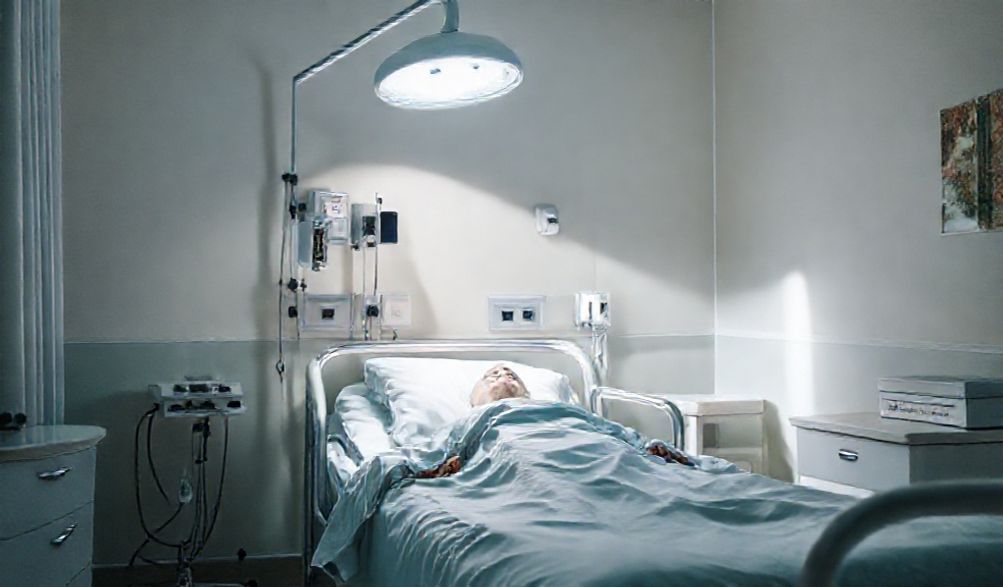
The Ultimate Guide to Patient Bed Lights: Enhancing Safety, Comfort, and Care
Imagine being a patient, disoriented in an unfamiliar room. It’s the middle of the night, and you need to reach for your water glass or find the nurse call button. Or picture yourself as a nurse, trying to start an IV line in a dimly lit room, where shadows obscure the patient’s veins. In both scenarios, one element makes all the difference: light.
In the intricate ecosystem of healthcare environments—from bustling hospitals and specialized clinics to serene home care settings—every detail contributes to healing. Yet, one critical component is often relegated to an afterthought: the patient bed light. Far more than a simple reading lamp, a well-chosen patient bed light is a sophisticated tool that sits at the intersection of clinical efficacy and compassionate care.
This guide leverages expertise in healthcare design and patient-centered principles to illuminate the vital role of bed lighting. We will explore how this seemingly simple fixture directly impacts patient recovery, staff efficiency, and facility safety. Whether you are a facility manager specifying equipment for a new wing, a clinician advocating for better tools, or a caregiver setting up a safe space at home, this comprehensive resource will empower you to make an informed decision. Choosing the right patient bed light is a choice that prioritizes well-being, safety, and the subtle art of healing.
Why Patient Bed Lighting is a Critical Component of Care
Lighting in a healthcare setting is not merely functional; it is therapeutic and preventative. The illumination around a patient’s bed forms a micro-environment that influences everything from physiological recovery to operational workflow. Understanding its multifaceted role is the first step in appreciating its importance.
Supporting Patient Safety and Reducing Risks
Safety is the paramount concern in any care environment, and lighting is a frontline defense against common risks.
- Fall Prevention: For patients, especially the elderly or those on medication, navigating the space between the bed and the bathroom at night is a major hazard. A strategically placed, low-level night light integrated into the bed light can illuminate the floor path without being disruptive, significantly reducing the risk of falls. Studies have consistently shown that improved environmental lighting is a key factor in fall prevention programs.
- Clear Visibility for Care: During examinations, wound dressing changes, or medication administration, staff must see clearly. Inadequate lighting can lead to missed details, errors in assessment, or procedural difficulties. A high-quality exam light ensures that caregivers can perform their duties with precision and confidence.
- Spatial Orientation: A well-lit personal space helps patients maintain their orientation, reducing feelings of confusion and anxiety. Being able to clearly see their call button, bedside table, and room layout empowers patients and fosters a sense of control and security.
Promoting Healing and Patient Well-being
The impact of light extends deep into our biology and psychology, directly influencing the healing process.
- Circadian Rhythm Regulation: Our bodies rely on light cues to regulate the sleep-wake cycle. Hospital environments, with their 24/7 activity, can severely disrupt this rhythm. Patient bed lights with adjustable color temperature and intensity can help. Bright, cooler light during the day can promote alertness, while warm, dim light in the evening signals the body to prepare for sleep, supporting better rest—a critical component of recovery.
- Reducing Anxiety and Stress: Harsh, fluorescent overhead lighting can feel clinical and increase patient anxiety. A personal, adjustable bed light allows for a softer, more localized glow that can create a calmer, more comforting atmosphere. This sense of environmental control is a small but powerful aspect of patient-centered care.
- Mental State and Comfort: The ability to read, write, or engage in a quiet activity without straining the eyes contributes significantly to a patient’s quality of life and mental well-being during a hospital stay or recovery period at home.
Empowering Healthcare Staff and Improving Efficiency
Efficient, effective care delivery depends on the tools available to staff, and lighting is a primary tool.
- Task-Specific Illumination: A nurse starting an IV, a doctor checking a pupil response, or an aide taking a blood pressure reading all require focused, shadow-reduced light. An articulating bed light that can be positioned precisely saves time and reduces physical strain from awkward positioning.
- Accuracy in Documentation: Reading patient charts, medication labels, or monitor screens accurately is non-negotiable. Proper lighting prevents eye fatigue and ensures information is read correctly the first time, minimizing the potential for errors.
- Workflow Integration: When a bed light is integrated with a nurse call system or bed controls, it streamlines the caregiver’s interaction with the patient’s environment, allowing them to focus more on the patient and less on managing the room.
Key Features to Consider When Choosing a Patient Bed Light
Not all bed lights are created equal. Selecting the right one requires evaluating a suite of features that balance patient needs, staff requirements, and facility standards.
Adjustability and Light Control
Flexibility is the cornerstone of effective patient lighting.
- Dimmability: This is non-negotiable. Smooth, continuous dimming allows for a seamless transition from a bright exam light to a soft night light, accommodating every need in between.
- Adjustable Arms/Heads: Look for lights with multiple points of articulation (gooseneck or multi-joint arms). This allows both patients and staff to direct the light exactly where it’s needed without moving the entire fixture.
- Multiple Light Modes: Advanced models may offer preset modes: a high-CRI, cool white “Examination” mode, a medium-level “Reading” mode, and a very low-level “Night” or “Ambient” mode. Simple, intuitive controls (large buttons, touch-sensitive panels) are essential for patients with limited dexterity.
Lighting Quality and Technology
The quality of light is as important as its quantity.
- Color Temperature (Measured in Kelvins – K):
- Warm White (2700K-3500K): Appears yellowish, promoting relaxation and calm. Ideal for general ambient lighting and nighttime use.
- Cool White/Daylight (4000K-5000K+): Appears bluish-white, enhancing alertness and visual acuity. Critical for medical examinations and tasks requiring high contrast.
- Ideal Choice: A light with adjustable color temperature offers the greatest versatility for both care and comfort.
- Color Rendering Index (CRI): This measures a light’s ability to reveal the true colors of objects compared to natural light. A high CRI (90+ is excellent) is crucial in a medical setting. It allows clinicians to accurately assess skin tone (for jaundice, cyanosis, rashes), wound bed color, and tissue viability.
- LED Technology: Modern patient bed lights almost exclusively use LEDs, and for good reason. They are highly energy-efficient, have an exceptionally long lifespan (reducing maintenance), and emit very little heat, enhancing patient comfort and safety.
Safety, Durability, and Compliance
Medical environments demand equipment built to a higher standard.
- Cool-to-Touch Surfaces: The light head and housing should remain cool even after extended use to prevent accidental burns to patients or staff.
- Sealed Design and Cleanability: Fixtures must be designed without crevices where pathogens can hide. They should withstand frequent cleaning with hospital-grade disinfectants without degrading.
- Antimicrobial Materials: Some high-end models incorporate materials with inherent antimicrobial properties (e.g., copper alloys or treated polymers) on high-touch surfaces to further reduce the risk of healthcare-associated infections (HAIs).
- Medical Electrical Compliance: The fixture must comply with relevant safety standards for medical electrical equipment, such as IEC 60601-1. This certification ensures protection against electrical shocks and specifies requirements for mechanical strength and environmental safety.
Integration and Installation
Consider how the light will live within the broader room ecosystem.
- Mounting Options:
- Headwall Mount: The most common, integrated into the service column or headwall behind the bed. Offers a clean, permanent look.
- Ceiling Mount: Often used for powerful overbed procedure lights.
- Bed Rail Mount: Provides flexibility as the light moves with the bed, but can be prone to interference.
- Wiring and Power: Will it be hardwired into the room’s electrical system or plug into a dedicated outlet? Hardwired offers a cleaner installation but less flexibility.
- System Integration: Can the light be connected to the nurse call system (e.g., the light turns on softly when a nurse enters at night)? Does it integrate with the bed’s own control panel for a unified user interface?
Types of Patient Bed Lights and Their Ideal Applications
The “best” light depends entirely on its intended use case. Here’s a breakdown of the primary types.
Integrated Headwall Lights
Description: These are fixed units built into the headwall or service column behind the patient’s bed. They typically combine two light sources: a brighter, higher-CRI exam light and a separate, softer patient reading light.
Best For: General inpatient medical-surgical rooms, standard hospital rooms, and clinics. They provide a balanced, all-in-one solution for most routine care and patient needs.
Articulating Arm Lights
Description: Characterized by one or more flexible arms (like a gooseneck or multi-jointed mechanical arm) that allow the light head to be positioned over a wide area with precision.
Best For: Intensive Care Units (ICUs), Neonatal Intensive Care Units (NICUs), procedure rooms, and long-term care facilities. Their superior flexibility is ideal for targeted tasks, such as surgical procedures at the bedside, detailed wound care, or illuminating specific monitors without disturbing the patient.
Overbed Ceiling Lights
Description: These are larger, ceiling-mounted fixtures, often with a large diameter and multiple LED arrays designed to provide intense, shadow-reduced illumination over the entire bed area.
Best For: Patient rooms where frequent, detailed procedures are performed at the bedside, or in post-anesthesia care units (PACU). They offer the highest level of clinical-grade illumination, similar to an operating room light but scaled for the bedside.
Portable and Personal Patient Lights
Description: These are standalone, plug-in or battery-operated units. They may clip onto a bed rail, sit on a table, or have a small weighted base.
Best For: Home healthcare, rehabilitation centers, hospice care, or as a supplemental personal light in a hospital. They empower patient independence, are easy to relocate, and are an excellent solution for retrofitting spaces without built-in lighting.
Best Practices for Implementation and Use
Selecting the right light is only half the battle. Proper implementation ensures it delivers on its promise.
Strategic Placement for Optimal Function
- For Patient Use: The reading light should be positioned to the side of the patient (often on their dominant side) to minimize glare on books or tablets. It should be easily reachable without straining.
- For Clinical Use: The exam light component should have a clear path to be directed onto the patient’s torso. Ensure the articulating arm has sufficient reach and range of motion to cover the necessary areas without being obstructed by IV poles or other equipment.
- Night Light: If integrated, the night light should cast a soft glow downward onto the floor, illuminating a path to the bathroom, not upward into the patient’s eyes.
Creating a Patient-Centric Lighting Protocol
Educate staff on using light as a therapeutic tool.
* Day Cycle (e.g., 7 AM – 7 PM): Encourage opening blinds for natural light and using brighter, cooler light settings during care activities to promote daytime alertness.
* Evening Wind-Down (e.g., 7 PM – 10 PM): Transition to warmer, dimmer lighting. Use only necessary task lighting for checks.
* Night Cycle (10 PM – 7 AM): Utilize the lowest possible night light setting for safety checks. Use a small penlight or the specific night light function to avoid flooding the room with bright light that disrupts sleep.
Maintenance and Cleaning for Longevity & Hygiene
A dirty or malfunctioning light is a safety hazard.
1. Follow Manufacturer Guidelines: Always use the cleaning agents and methods specified by the manufacturer to avoid damaging seals, lenses, or finishes.
2. Daily/Per-Patient Cleaning: Wipe down all user-accessible surfaces, especially control panels and adjustment handles, with an approved disinfectant.
3. Regular Inspection: Periodically check the stability of mounting, the smoothness of arm movement, and the function of all switches and dimmers. Look for any cracks, discoloration, or flickering lights.
4. Professional Servicing: Schedule regular electrical and functional safety checks as part of the facility’s preventative maintenance program.
FAQ Section
Q: What is the ideal color temperature for a patient bed light?
A: The ideal solution is a light with adjustable color temperature. For promoting relaxation and sleep, a warmer, softer light (2700K-3000K) is best. For medical tasks, examinations, and reading, a cooler, brighter white light (4000K-5000K) is essential as it improves contrast and visual clarity. Adjustability allows you to match the light to the need.
Q: Are patient bed lights different from regular reading lights?
A: Yes, significantly. Medical-grade patient bed lights are engineered to meet stringent safety, durability, and hygiene standards not required for consumer products. They are designed for easy disinfection, often have cool-to-touch surfaces to prevent burns, comply with hospital electrical safety codes (like IEC 60601-1), and are built to provide specific light quality (high CRI) essential for clinical assessment.
Q: How important is dimmability in a patient bed light?
A: Extremely important. Dimmability is a key feature for patient-centered care. It allows customization from a bright light for a wound inspection to a medium level for reading, down to a very subtle glow for nighttime orientation. This enables staff to perform checks without fully waking a sleeping patient, directly supporting better sleep and recovery.
Q: Can I install a patient bed light in a home care setting?
A: Absolutely. Many models are well-suited for home use. For home installation, prioritize plug-in models with user-friendly controls. Portable or rail-mounted lights are excellent choices as they require no complex wiring. If hardwiring is desired, always hire a qualified electrician to ensure the installation meets all local and national electrical safety standards.
Conclusion
Selecting the right patient bed light is far more than a procurement decision; it is a direct investment in patient outcomes, staff effectiveness, and facility safety. It is a choice that acknowledges lighting as a powerful, active tool in the healing process—not just a passive fixture on the wall. The ideal solution seamlessly balances rigorous technical specifications with thoughtful, human-centric design.
As you evaluate options, use the criteria outlined in this guide as your checklist: Does it enhance safety and compliance? Does it offer the adjustability and light quality needed for both care and comfort? Does it integrate well into the intended environment? By asking these questions, you move beyond simply buying a light to strategically implementing a component of care.
Ultimately, the goal is to create an environment where every detail, down to the quality of light at the bedside, is thoughtfully aligned with the path to recovery. In the journey toward health and well-being, the right illumination can make all the difference, guiding both patient and caregiver with clarity, comfort, and care.
p>