
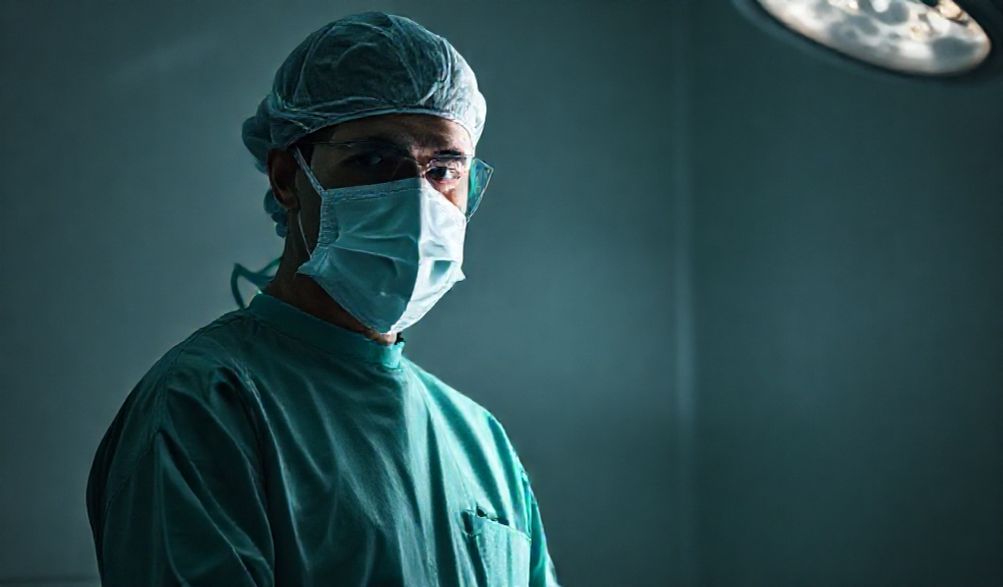
Illuminating Precision: The Ultimate Guide to Shadowless Surgeon Lights for Optimal Operating Room Visibility
In the high-stakes environment of the modern operating room, success hinges on a surgeon’s ability to see. Clear, accurate, and unwavering visualization of the surgical field is not merely an advantage—it is the bedrock of precision, patient safety, and procedural efficiency. Yet, for centuries, a fundamental challenge persisted: the shadow. A surgeon’s head, hands, or instruments could cast obstructive darkness, obscuring critical anatomy, increasing the risk of error, and contributing to significant eye strain and fatigue over long procedures.
The solution to this age-old problem is modern shadowless surgeon light technology. Far from a simple upgrade, these advanced illumination systems represent a sophisticated fusion of optics, engineering, and human-centered design, engineered to bathe the operative site in near-perfect, consistent light. This guide serves as a comprehensive, authoritative resource for hospital administrators, surgical department heads, procurement officers, and clinicians seeking to understand, evaluate, and invest in the optimal surgeon light with no shadow for their facilities. Our insights are synthesized from a foundation of established surgical lighting standards, peer-reviewed studies on surgical ergonomics, and the core engineering principles behind leading medical device manufacturers.
The Science of Shadowless Illumination: How Surgical Lights Eliminate Obscurity
To appreciate the innovation of a shadowless light, one must first understand the basic problem of a single light source. A traditional, single-bulb light creates sharp, well-defined shadows because any object blocks the direct path of light to a specific area. In surgery, where the operative field is deep and crowded with instruments and hands, this is untenable.
Multi-Source Optics: The Core Principle
The foundational principle of the modern shadowless surgeon light is multi-source optics. Instead of a single bulb, these systems employ an array of dozens, sometimes hundreds, of individual LED modules (or halogen bulbs in older models) arranged in a specific geometric configuration within a dome or ring-shaped head. Each module emits light from a slightly different angle towards a common focal point. When a surgeon’s hand or instrument enters the field, it blocks the light from some of these modules, but light from the other modules fills in the would-be shadow from other angles. The result is not a complete absence of shadow, but a drastic reduction where any remaining shadow is extremely soft, diffuse, and non-obstructive—a state engineers term “shadow dilution,” with high-end systems achieving rates exceeding 99%.
Depth of Field and Light Field Uniformity
Two critical technical specifications define a light’s performance beyond shadow reduction. Depth of field refers to the range of tissue depths over which the light maintains optimal focus and intensity. In deep-cavity surgeries, such as spinal or pelvic procedures, a light with a large depth of field ensures the base of a wound is as well-illuminated as the surface. Light field uniformity measures the consistency of illuminance (measured in lux) across the entire diameter of the light field. A high-quality surgeon light with no shadow will provide a uniform “pool” of light without hot spots at the center or dim edges, ensuring consistent visualization regardless of where in the field the surgeon is working.
Color Rendering Index (CRI) in Surgery
Perhaps as crucial as intensity is color accuracy. The Color Rendering Index (CRI) is a scale from 0 to 100 that measures a light source’s ability to reveal the true colors of objects compared to natural light. In the OR, a high CRI (≥90 is considered essential, with many premium lights offering ≥95) is non-negotiable. It allows the surgical team to accurately distinguish between tissue types (e.g., fat, muscle, fascia), assess blood oxygenation levels, identify subtle variations in organ health, and detect early signs of ischemia. As noted in biomedical engineering literature, poor color rendering can lead to misinterpretation, directly impacting surgical decision-making.
Key Features of Advanced Shadowless Surgical Lights
Today’s systems are defined by a suite of features that extend far beyond basic illumination, addressing efficiency, sterility, and user experience.
LED Dominance: Efficiency, Longevity, and Cooler Operation
The shift from halogen/xenon to Light Emitting Diode (LED) technology has been transformative. LEDs consume significantly less energy—often 50-70% less than halogen systems—directly reducing hospital operational costs and environmental footprint. Their lifespan is orders of magnitude longer (typically 30,000 to 60,000 hours vs. 1,000-2,000 for halogen), virtually eliminating the cost and disruption of bulb replacements during critical procedures. Critically, LEDs emit far less infrared radiation, meaning dramatically reduced radiant heat directed at the surgical site. This “cool light” prevents tissue desiccation (drying), improving patient outcomes, especially in lengthy or microsurgical procedures.
Adjustable Color Temperature
Advanced systems now offer tunable color temperature, typically ranging from cool, bluish-white light (4000K-5000K) to warm, yellowish-white (3000K-3500K). This is not an aesthetic feature. Cooler light enhances contrast and is often preferred for neurosurgery or procedures involving white tissue like bone or cartilage. Warmer light can reduce glare and be easier on the eyes during long general or abdominal surgeries, and may improve the perception of red tones in vascular tissue. The ability to tailor this setting to the procedure and surgeon preference is a mark of a sophisticated system.
Sterility and Cleanability: Design for the OR
A surgical light is a constant presence in the sterile field and must be designed as a medical device first. Leading models feature completely sealed housings with smooth, crevice-free surfaces that prevent the accumulation of dust, fluids, and microbial pathogens. Handles and control panels are designed for easy, thorough cleaning and disinfection between cases, aligning with guidelines from organizations like the Association of periOperative Registered Nurses (AORN). Materials are chosen for durability against harsh chemical disinfectants.
Ergonomic Movement and Positioning
A light that creates perfect illumination but is difficult to position is of little use. Modern systems feature multi-joint, counterbalanced arms that move with intuitive, fluid motion. High-quality balancing allows a surgeon to reposition the light head with a single finger-touch, maintaining sterility. A wide range of motion ensures the light can be positioned optimally for any surgical approach, from a standing to a sitting posture, reducing physical strain and fatigue on the entire team.
Evaluating and Selecting the Right Shadowless Light System
Selecting a surgeon light with no shadow is a strategic capital investment. A methodical evaluation process is essential.
Assessing Technical Specifications: Beyond “Lumens”
While lumens measure total light output, more relevant metrics are:
* Illuminance (Lux): The amount of light falling on the surgical field. Look for data specifying lux at a standard working distance (e.g., 100,000+ lux at 1 meter).
* Light Field Diameter: The size of the usable, uniform light pool at the working distance.
* Shadow Dilution: The percentage reduction in shadow contrast, often stated as >99% for premium lights.
* Depth of Illumination: The specified depth (e.g., 20-30cm) over which the lux level does not fall below a critical threshold (often 20% of the central value).
Total Cost of Ownership (TCO) Analysis
The purchase price is only the beginning. A comprehensive TCO analysis must factor in:
* Energy Consumption: Calculate annual savings from LED efficiency.
* Maintenance & Parts: Factor in the near-elimination of bulb replacements and reduced service intervals for LEDs.
* Durability: A robustly built system with a long warranty period reduces long-term capital replacement cycles.
While the initial investment in a top-tier LED shadowless surgeon light may be higher, the TCO over 7-10 years is often significantly lower than maintaining older, less efficient technology.
Compatibility and Integration with the OR Ecosystem
The light does not operate in isolation. Consider:
* Ceiling Infrastructure: Compatibility with existing ceiling tracks, mounts, and service poles.
* Backup Systems: Integration with hospital backup power for uninterrupted operation.
* Surgical Integration: Potential for linking with overhead cameras, video recording systems, or future augmented reality displays.
* Room Layout: Ensuring the light’s footprint and range of motion suit the specific OR’s size and surgical team workflows.
Trial and Demonstration: The Essential Step
Specifications on paper are meaningless without real-world validation. Insist on an in-situ demonstration in a mock OR or, ideally, a non-critical operating room. Have surgeons from key specialties (e.g., orthopedics, general surgery, neurosurgery) use the light with simulated instruments and draping. This hands-on evaluation of handling, light quality, and ergonomics is irreplaceable.
Applications and Surgical Specialties Benefiting Most
While all surgeries benefit from optimal lighting, certain specialties have particularly critical needs.
Deep Cavity Procedures: Cardiothoracic, Spine, and Neurosurgery
In these procedures, the surgical site is often deep and confined. A surgeon light with no shadow must provide intense, uniform illumination that penetrates deeply without creating obstructive shadows from retractors or the surgeon’s own hands. High depth of field and excellent light penetration are paramount.
Microsurgery and Plastic/Reconstructive Surgery
Here, precision is measured in millimeters. The light must provide exceptionally high, uniform illuminance with a flawless Color Rendering Index (CRI) to distinguish minute anatomical structures. The “cool” operation of LEDs is critical to prevent thermal damage to delicate tissues and microvascular anastomoses.
General Surgery and Trauma
In these dynamic environments, reliability and versatility are key. Lights must be quickly and easily repositioned as the surgical focus shifts. Broad, uniform coverage is needed for large open fields, and the system must be rugged enough for a fast-paced setting. Rapid, intuitive handling supports efficiency in critical situations.
Maintenance, Safety, and Best Practices
To ensure peak performance and safety over the system’s lifespan, a disciplined maintenance protocol is essential.
Routine Cleaning and Disinfection Protocols
Following every procedure, OR staff should wipe down the entire light head, handles, and control surfaces with a hospital-grade disinfectant approved by the device manufacturer, ensuring all fluid paths are addressed to prevent contamination.
Scheduled Preventive Maintenance
An annual or bi-annual inspection by a certified biomedical technician is recommended. This should include:
* Verification of arm tension, balance, and braking system integrity.
* Electrical safety checks (grounding, insulation).
* Calibration of light intensity and color temperature sensors.
* Inspection of seals and mechanical joints.
Ensuring Fail-Safe Operation: Redundancy and Backup
Redundancy is a core safety principle. Most modern systems offer dual independent light heads on a single arm, so if one fails, the other can immediately provide illumination. Battery backup systems that power the light for a critical period (e.g., 30-60 minutes) in a main power failure are a vital feature. Fail-safe electromagnetic brakes should hold the light securely in position even if system power is lost.
FAQ Section
Q: Are “shadowless” lights truly 100% free of shadows?
A: No lighting technology can eliminate shadows with 100% perfection. The term “shadowless” refers to a drastic engineering reduction where any remaining shadows are soft, diffuse, and non-obstructive to the surgical view. High-quality systems achieve “shadow dilution” of over 99%, making them effectively shadow-free for clinical purposes.
Q: Why have LED lights largely replaced halogen in modern ORs?
A: LEDs offer superior energy efficiency (reducing operational costs), generate significantly less heat at the incision site (improving patient safety), have a much longer lifespan (30,000-60,000 hours vs. ~1,500), require less maintenance, and offer more stable and tunable color temperature over their lifetime.
Q: How often do surgical lights need to be serviced or calibrated?
A: While daily cleaning is staff-led, a detailed performance and safety inspection by a certified technician is typically recommended annually. This includes checks for mechanical stability, electrical safety, and calibration of light output and color sensors, as per manufacturer guidelines.
Q: Can older surgical light systems be upgraded to LED?
A: For many models, retrofit LED modules are available. This can improve light quality and efficiency. However, a full cost-benefit analysis versus a new system is crucial. The older mechanical arms and controls may not offer the same ergonomics or reliability as a modern, fully integrated system designed for LED technology from the ground up.
Q: What certifications should I look for when purchasing?
A: Essential certifications include ISO 13485 (Quality Management for Medical Devices), demonstrating manufacturer commitment to regulatory compliance. The device itself must comply with IEC 60601-1 (the international standard for medical electrical equipment safety) and carry relevant regional safety marks (e.g., CE for Europe, UL or CSA for North America).
Conclusion
The shadowless surgeon light is far more than a piece of overhead equipment; it is a foundational technology that directly contributes to patient safety, surgical precision, and team well-being. Selecting the right system is a strategic decision that balances optical science (specifications like CRI and shadow dilution), financial wisdom (Total Cost of Ownership), and human factors (ergonomics and clinical preference).
A methodical approach—grounding your search in technical standards, actively consulting with the surgical teams who will use the light daily, and demanding hands-on, real-world demonstrations—is the surest path to a successful investment. As we look to the future, with trends pointing toward lights integrated with AI-enhanced imaging and augmented reality guidance systems, the core principles illuminated here—shadow reduction, color-accurate clarity, unwavering reliability, and intuitive design—will remain the unchanging benchmarks of excellence in operating room illumination.
p>