
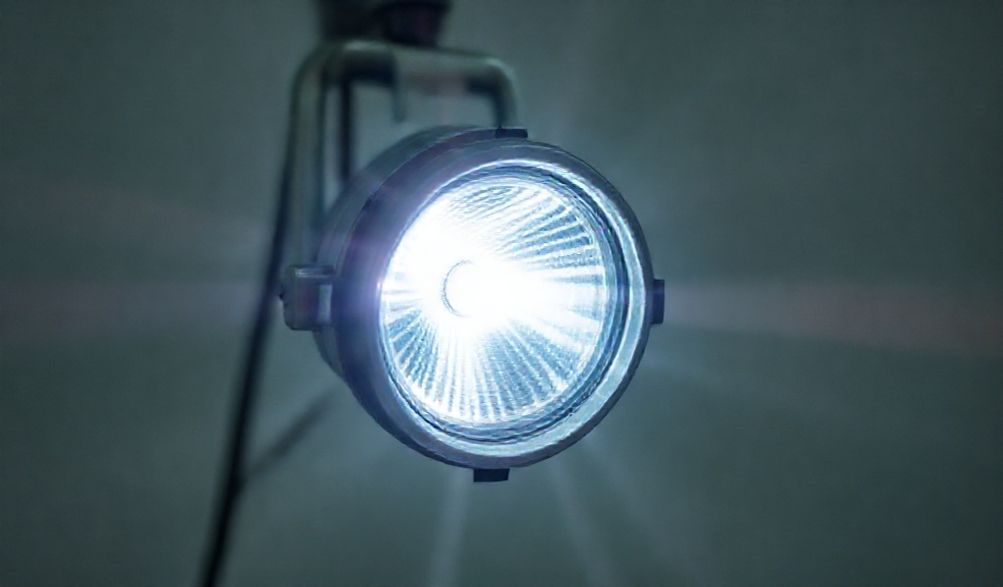
The Ultimate Guide to Medical Headlights: Enhancing Precision in Patient Care
In the high-stakes world of medicine, where millimeters can determine outcomes and subtle color changes signal critical diagnoses, clear visualization is non-negotiable. From the intricate anatomy of a sinus cavity to the delicate structures of the eye, success hinges on the practitioner’s ability to see. But what is the single tool that can dramatically improve accuracy, reduce practitioner fatigue, and directly enhance patient outcomes? The answer often shines brightly, yet is frequently overlooked: the medical headlight.
This guide serves as your comprehensive, expert-driven resource. Whether you’re a medical student assembling your first kit, a seasoned surgeon evaluating an upgrade, or a procurement specialist sourcing equipment for a clinic, understanding this fundamental tool is essential. We will demystify the technology, explore its vast applications, and provide a clear framework for selecting the right system. At its core, a medical headlight is more than just a light—it is the foundation of procedural vision, enabling the precision illumination required for modern patient care.
This guide will explore the evolution, core technology, and critical selection criteria for medical headlight systems, empowering you to make an informed decision that elevates your clinical practice.
What is a Medical Headlight? The Foundation of Procedural Vision
A medical headlight is a specialized, personal illumination system designed to provide hands-free, focused light directly into a clinical or surgical field. Unlike overhead operating lights that cast broad illumination and can create shadows, a headlight moves with the practitioner’s gaze, delivering consistent, shadow-free light exactly where it’s needed. This transforms visualization from a passive condition of the room to an active, controlled component of the procedure.
The concept is not new. For centuries, practitioners used mirrors to reflect sunlight or candlelight. The 20th century saw the advent of head-mounted systems with incandescent bulbs, often hot and cumbersome. The true revolution came with the integration of fiber optics and, more recently, Light Emitting Diode (LED) technology. This evolution has moved headlights from bulky, heat-generating novelties to essential, ergonomic instruments that define modern minimally invasive and precision-based medicine.
Key Components of a Headlight System
Understanding the anatomy of a headlight system is key to evaluating its performance and suitability.
- Light Source (LED Module): The heart of the system. Modern headlights almost exclusively use LEDs due to their efficiency, longevity, and cool operation. Key specifications include:
- Brightness: Measured in lumens (total light output) and, more critically, lux or illuminance (light intensity on the surface). A brighter light isn’t always better; it’s about the right intensity for the task.
- Color Temperature: Measured in Kelvin (K). A cooler, bluer-white light (5000K-6000K) mimics daylight and enhances contrast, which is ideal for surgery. A warmer light may be used for certain examinations.
- Headband & Mounting System: This is the interface with the user. Comfort during long procedures is paramount. Look for:
- Adjustability: Pivoting light arms, sliding mounts, and tilt mechanisms to position the beam perfectly.
- Stability: A secure fit that doesn’t slip during movement, often achieved with padded, adjustable straps or a rigid, yet comfortable, helmet-style band.
- Compatibility: Designed to be worn over surgical caps, with prescription glasses, or integrated with surgical loupes.
- Power Source: This dictates mobility and runtime.
- Rechargeable Battery Packs: Common for cable-free LED systems. They offer complete freedom of movement but require charging and have a finite runtime (typically 3-8 hours).
- Wall Adapters / Console Generators: Used primarily with fiber optic systems. They provide unlimited runtime and eliminate battery concerns but tether the user to a power source via a cable.
- Light Guide: This is the pathway for light.
- Fiber Optic Cable: A bundle of optical fibers that transmits cool light from a remote generator to the head-mounted lens. It offers brilliant, cool light but requires cable management.
- Coaxial/Direct Connection: In integrated LED systems, the light is generated at the head and requires no separate light guide, maximizing portability.
Types of Medical Headlights and Their Primary Applications
Choosing the right type of headlight is the first and most critical decision. The choice fundamentally comes down to a trade-off between ultimate light performance and maximum mobility, each excelling in different clinical scenarios.
Fiber Optic Headlights
How they work: Light is generated in a separate console or generator box. This intense light is then channeled through a flexible fiber optic cable to a focusing lens assembly mounted on the headband.
Best for: Procedures demanding the highest intensity, whitest light, and zero heat at the surgical field. The remote light source means no heat is generated on the user’s head.
* Ideal Specialties: Otolaryngology (ENT), Neurosurgery, Maxillofacial surgery, and prolonged dental procedures. These often involve deep, narrow cavities where shadow-free, cool, brilliant light is crucial for hours at a time.
Pros & Cons:
* Pros: Superior, consistent light quality; no heat on the head; unlimited runtime (when plugged in); often considered the gold standard for major surgery.
* Cons: Tethered by a cable, which can limit mobility; the generator requires space; typically a higher initial investment.
LED Headlights (Integrated/Cable-Free)
How they work: The LED light engine and its power source (a rechargeable battery) are integrated into a compact module mounted directly on the headband. There is no cable connecting to a separate box.
Best for: Mobility, convenience, and versatility across a wide range of settings.
* Ideal Specialties: Emergency Medicine, Dermatology, Primary Care, outpatient procedures, veterinary medicine, and wound care. They are perfect for examinations, minor procedures, and any situation where the practitioner needs to move quickly between rooms or patients.
Pros & Cons:
* Pros: Complete freedom of movement and portability; quick to don and use; generally lighter weight; often more affordable.
* Cons: Battery-limited runtime; potential for heat buildup at the head-mounted module (though modern designs manage this well); may not reach the peak intensity of high-end fiber optic systems.
Critical Features to Consider When Choosing a Medical Headlight
Beyond the basic type, discerning the right model requires a deep dive into its specifications and design. Use this section as your essential checklist.
Optical Performance Metrics
This is where science meets clinical need. The numbers matter.
- Luminance (Brightness & Intensity): Don’t just look at “lumens.” For medical use, lux (lumens per square meter) is a more relevant measure of how intense the light is on the target. A small, focused beam can have a very high lux value even with moderate lumens.
- General Examination: 10,000 – 30,000 lux may suffice.
- Surgical/Deep Cavity Work: 40,000 – 150,000+ lux is often required to see into recessed anatomy without eye strain.
- Spot Size & Focus: The light pattern should be a crisp, homogeneous circle. An adjustable focus is a valuable feature, allowing you to change from a wide flood for examinations to a tight, intense spot for detailed work. A fixed, diffuse spot can cause glare and reduce effective intensity.
- Color Rendering Index (CRI): This is a critical, yet under-specified, metric. CRI measures a light’s ability to reveal the true colors of an object compared to natural light. A high CRI (>90, where 100 is perfect sunlight) is vital for accurately differentiating tissue types, identifying inflammation, assessing perfusion (skin color), and detecting subtle nuances during diagnosis. Low CRI light can make tissues look artificially grey or washed out.
Ergonomics and Usability
A headlight you don’t want to wear is a headlight you won’t use effectively.
- Weight & Balance: The total weight and its distribution are crucial. A well-balanced system (often with a rear counterweight or battery pack) feels lighter and prevents neck strain during long procedures. Aim for systems under 200-300 grams for all-day comfort.
- Adjustability & Fit: The system must adapt to you. Look for multiple points of adjustment: head circumference, light arm length, vertical and horizontal tilt of the light module. It must securely fit a variety of head sizes and shapes, and specifically accommodate wearing over glasses or integrated with surgical loupes.
- Ease of Sterilization: In a clinical environment, infection control is paramount. Verify the manufacturer’s Instructions for Use (IFU). Can the headband be wiped down with standard hospital disinfectants? Is the light module sealed and wipeable? Some high-end components may even be autoclave-safe. Never assume—always check.
Durability and Support
A medical headlight is a professional investment in patient care.
- Build Quality & Warranty: Look for robust materials that can withstand daily use and occasional bumps. A strong warranty (often 2-3 years for the light source, lifetime on mechanical parts) reflects the manufacturer’s confidence and protects your investment.
- Manufacturer Reputation & Clinical Support: Choose established brands specializing in medical or surgical illumination. They understand clinical workflows, offer robust technical and clinical support, and provide reliable service. The availability of replacement parts (pads, cables, batteries) years down the line is a key consideration.
Medical Headlights in Practice: Specialties and Use Cases
The application of medical headlights extends far beyond the operating room. Here’s how they illuminate practice across disciplines:
- Surgical Specialties:
- ENT/Otolaryngology: Essential for visualizing the deep, narrow passages of the sinuses, nasal cavity, and throat.
- Ophthalmology: Used in procedures where the operating microscope’s light is insufficient or for minor external procedures.
- Neurosurgery: Provides focused, coaxial illumination deep into the surgical corridor, complementing the microscope.
- Plastic/Reconstructive Surgery: Crucial for highlighting subtle contours, assessing flap viability, and performing delicate microsurgery.
- Clinical & Diagnostic Specialties:
- Dentistry: A cornerstone tool for every dentist and hygienist, providing shadow-free light into the oral cavity for examinations, restorations, and surgery.
- Dermatology: Perfect for examining skin lesions, performing biopsies, and administering treatments like photodynamic therapy.
- Emergency Medicine: Allows for hands-free, focused examination of wounds, airways, and in trauma scenarios, especially in suboptimal lighting.
- Primary Care: Enhances standard examinations of the ears, nose, throat, and skin during routine patient visits.
- Emerging Applications: Their use is growing in veterinary medicine, aesthetic procedures (e.g., precise filler injection), and medical training/simulation, where students learn procedures under ideal, controlled lighting.
FAQ Section
What is the difference between a medical headlight and a surgical loupe?
A medical headlight provides illumination, lighting up the field of view. A surgical loupe provides magnification, making objects appear larger. They are complementary tools and are frequently used together in a combined vision-enhancement system. Many headlights are designed to attach directly to loupe frames.
How many lumens (or lux) do I need for a medical headlight?
There’s no one-size-fits-all answer, as it depends on your specialty and procedures. For general clinical exams, a system delivering 10,000-40,000 lux is often adequate. For surgical specialties like ENT or neurosurgery, look for systems capable of 80,000 lux or higher to illuminate deep cavities without eye fatigue. Always prioritize adjustable intensity to match the task.
Can medical headlights be used with glasses or surgical loupes?
Yes, absolutely. Most quality medical headlights are specifically designed for compatibility. Look for models with adjustable-angle light arms that can be positioned to project light through your loupes or alongside your glasses without obstruction. This is a key feature to verify during a demonstration.
How do I clean and maintain my medical headlight?
Always follow the manufacturer’s specific Instructions for Use (IFU). Generally, the headband and straps can be wiped down with a hospital-grade disinfectant wipe. The light module should be cleaned according to its IP (Ingress Protection) rating—typically with a damp cloth and mild disinfectant. Never immerse components in liquid unless explicitly stated as safe to do so. Store the system in a protective case.
Are cable-free LED headlights as good as fiber optic ones?
“Good” is entirely task-dependent. For mobility, convenience, and a wide range of clinical and minor surgical applications, modern LED headlights are excellent and often the superior choice. For marathon procedures in deep-cavity surgery where the absolute highest intensity, coolest, and most consistent light is required, fiber optic systems often retain an edge. The best choice is the one that aligns perfectly with your specific procedural requirements and workflow.
Conclusion
A medical headlight is far more than a simple convenience; it is a fundamental tool that bridges the gap between practitioner skill and optimal patient outcomes. By delivering precise, hands-free illumination, it enhances accuracy, reduces procedural fatigue, and empowers clinicians across a vast spectrum of specialties. The journey to selecting the right one begins with understanding your needs: the choice between the brilliant tether of fiber optics and the free-moving simplicity of LED, the critical optical metrics like CRI and spot quality, and the non-negotiable ergonomics of comfort and fit.
Investing in a quality, well-supported system from a reputable manufacturer is an investment in the quality of your care and the sustainability of your practice. We encourage you to use the criteria outlined in this guide as a framework for evaluation. Whenever possible, consult with colleagues, request demonstrations from vendors, and prioritize a tool that feels like a natural extension of your own focus and skill. The right light doesn’t just help you see your work—it helps you excel at it.
p>