
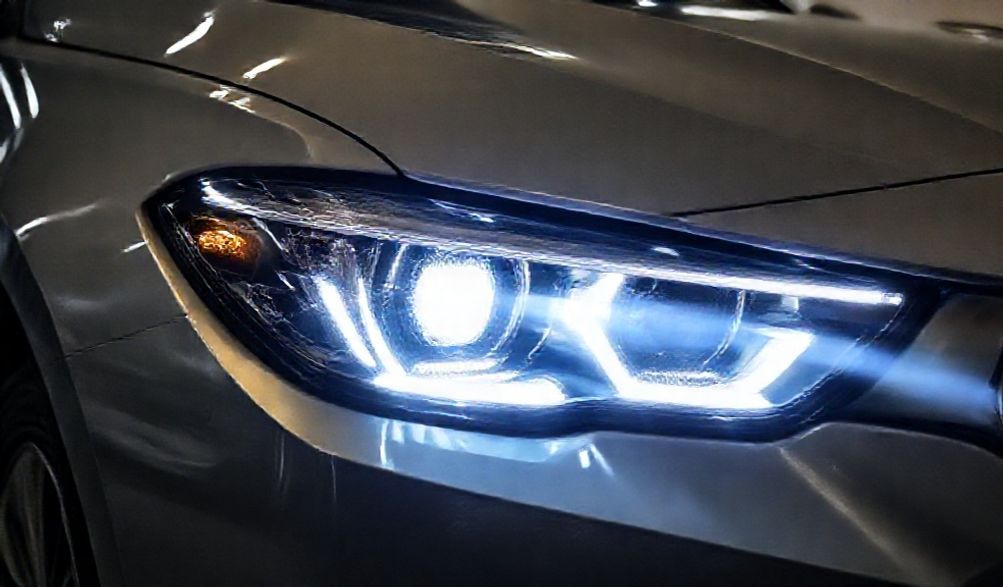
Adaptive LED Headlights Explained: Safety, Technology & How They Work
If you’re shopping for a new car, have recently purchased a modern vehicle, or are simply fascinated by automotive technology, you’ve likely encountered the term “adaptive LED headlights.” It sounds impressive, but what does it actually mean? Beyond the marketing jargon lies one of the most significant advancements in vehicle safety and driver assistance in recent decades. This isn’t just an incremental upgrade to brightness; it’s a fundamental shift from a passive lighting tool to an active, intelligent partner for night driving.
This guide is built on thorough technical research, manufacturer specifications, and safety studies. Our goal is not to sell you anything, but to provide a comprehensive, authoritative, and trustworthy explanation. We’ll demystify how these systems work, detail their proven safety benefits, and honestly address their costs and limitations. By the end, you’ll have a clear understanding of why adaptive LED headlights are a transformative feature in the modern automotive landscape.
What Are Adaptive LED Headlights? A Definition
At its core, an adaptive LED headlight system is designed to do one thing: provide the optimal amount of light exactly where and when you need it, without ever blinding other road users. It combines advanced hardware with sophisticated software to actively respond to your driving environment in real-time.
The Core Concept: Beyond Standard Headlights
To appreciate the leap forward, consider traditional headlights. Whether halogen, HID (xenon), or even standard LED, they are essentially static. You have a low beam pattern and a high beam pattern. The driver manually switches between them. The beam’s shape and direction are fixed relative to the car, meaning when you turn a corner, the light continues to shoot straight ahead, leaving the area you’re turning into in darkness—a phenomenon known as “cornering shadow.”
Adaptive headlights shatter this static paradigm. They dynamically adjust the beam’s pattern, intensity, and direction based on speed, steering angle, surroundings, and the presence of other vehicles. The car, not the driver, makes constant micro-adjustments to ensure the best possible visibility.
The Two Key Components: Lighting and Intelligence
The system is a marriage of two critical elements:
- The LED Source: Light Emitting Diodes (LEDs) form the perfect physical base for this technology. They are incredibly bright, energy-efficient, long-lasting, and, most importantly, can be controlled with extreme precision. An adaptive system uses an array of many individual LED chips, which can be turned on, off, or dimmed independently.
- The Adaptive System: This is the “smart” layer. A network of sensors and cameras acts as the system’s eyes, feeding data to a central control unit (the brain), which then commands actuators (the muscle) to shape the light output. The intelligence lies in the software algorithms that interpret sensor data and make split-second decisions about the light pattern.
How Do Adaptive Headlights Actually Work? The Technology Breakdown
The operation is a continuous, high-speed loop of perception, processing, and action. Let’s break down each stage.
The “Eyes” of the System: Sensors and Cameras
The system builds a real-time model of the road ahead using several data sources:
* Steering Angle Sensor: Tells the system how sharply you are turning the wheel.
* Yaw Rate Sensor: Measures the car’s rotation around its vertical axis, helping determine the actual turn path.
* Speed Sensor: Critical for adjusting beam range and reactivity.
* Front-Facing Camera(s): This is the most crucial sensor. Mounted typically behind the windshield, it identifies light sources—specifically the headlights and taillights of other vehicles, streetlights, and road signs. Advanced systems can classify these objects (car, motorcycle, bicycle) and track their position and trajectory.
The “Brain”: Processing and Control Units
Data from all sensors streams into an electronic control unit (ECU) dedicated to lighting or part of a broader advanced driver-assistance system (ADAS) computer. Sophisticated algorithms analyze this data:
* Is there an oncoming car 500 meters ahead?
* Is there a vehicle 150 meters ahead in our lane?
* Are we entering a 30-degree left-hand curve at 60 km/h?
* Is the camera detecting heavy rain or fog?
In milliseconds, the brain makes a decision on the exact light pattern required for this specific moment.
The “Muscle”: Mechanical and Electronic Actuators
The ECU’s commands are executed to physically shape the light beam. There are two primary methods:
1. Swiveling/Moving Modules: The entire headlight housing or internal reflector physically pivots left or right based on steering input to illuminate corners. This is the foundation for adaptive cornering lights.
2. Matrix LED / Digital Light Systems (Electronic Control): This is the pinnacle of the technology. The headlight contains an array of dozens of individual LED segments. The ECU can turn off or dim specific clusters of these LEDs with incredible precision. To avoid glaring an oncoming car, the system simply turns off the tiny LEDs that would project light onto that vehicle, leaving the rest of the high beam at full intensity. There are no moving parts; everything is controlled electronically.
Key Features and Functions of Adaptive LED Systems
The core technology enables several powerful features that work together seamlessly.
Adaptive Cornering and Curve Lights
As you turn the steering wheel, the headlight beams swivel in the direction of the turn, illuminating the curve’s apex and exit. This dramatically improves visibility on winding roads, making potential hazards like animals, debris, or pedestrians visible much earlier.
Adaptive High Beams (or Matrix High Beams)
This function automates the high-beam/low-beam switch. The camera detects lights of other vehicles and automatically dips the high beams to low beams when necessary, then reactivates them when the road is clear. It removes the manual burden from the driver, encouraging more high-beam use where safe.
Adaptive Driving Beams (ADB) & Glare-Free High Beam
This is the evolutionary leap from simple adaptive high beams. Instead of just switching between two preset patterns (high/low), ADB systems continuously reshape the high beam. Using a matrix of LEDs, they create a precise, dynamic “shadow box” around detected vehicles. The light immediately around the other car is dimmed or turned off, while the areas above, below, and to the sides remain fully illuminated. The driver gets the perpetual benefit of maximum forward light without ever dazzling others. This technology was only recently legalized in the United States (as of 2022).
Weather-Specific Lighting Modes
Some advanced systems can alter the beam pattern for specific conditions. In heavy rain, the beam might be widened and the hot spot lowered to reduce glare back from water droplets. A dedicated “motorway” mode might extend the beam range at high speeds. These modes can be automatic or driver-selectable.
The Proven Safety Benefits: More Than Just Convenience
The value of adaptive headlights isn’t just about convenience or cool tech—it’s quantifiably safer.
Enhanced Visibility and Reduced Driver Fatigue
Studies, including those by the Insurance Institute for Highway Safety (IIHS), indicate that these systems provide substantial safety benefits. By optimally illuminating the road, curves, and roadside, they give drivers more time to identify and react to hazards. Furthermore, by automating beam management, they reduce the cognitive load on the driver. No more constant manual switching or squinting into the darkness after being flashed by oncoming traffic. This leads to less fatigue on long night journeys.
Preventing Glare and Improving Safety for All Road Users
This is the other side of the safety coin. Traditional high beams are a binary choice: see more but risk blinding others, or be polite but see less. Adaptive systems, especially ADB, solve this paradox. They protect oncoming drivers, cyclists, and pedestrians from dangerous glare, which can cause temporary blindness and increase accident risk. By ensuring your lights never improperly dazzle others, you contribute to overall road safety. The IIHS now includes superior-rated headlights as a criterion for its Top Safety Pick+ awards, highlighting their critical safety role.
Considerations and Potential Drawbacks
While transformative, adaptive LED technology is not without its trade-offs.
Cost of Repair and Maintenance
Complexity comes at a cost. A standard LED headlight assembly is expensive; an adaptive LED unit with motors, multiple LED clusters, and control modules is significantly more so. In the event of a collision, replacement costs can easily range from $1,500 to $3,000 or more per unit, not including labor. Furthermore, after replacement, the system often requires precise calibration using specialized tools to align the cameras and sensors, adding to the repair bill.
Regulatory Landscape: Approved in the US (Finally!)
For decades, U.S. regulations, based on a 1967 standard, effectively banned true Adaptive Driving Beams because the law required only two modes: high and low beams. In February 2022, the National Highway Traffic Safety Administration (NHTSA) updated Federal Motor Vehicle Safety Standard 108 to finally allow ADB systems. This means newer models are now being equipped with the most advanced glare-free technology previously common in Europe and Asia. It’s important to check if a specific system is certified for use in your region.
System Limitations and Driver Responsibility
No system is infallible. Performance can be limited in certain scenarios:
* Extremely sharp crests of hills where vehicles appear suddenly.
* Poor sensor visibility due to dirt, snow, or heavy fog covering the camera.
* Unconventional light sources or highly reflective signs that may confuse the system.
It is paramount to remember that the driver is always ultimately responsible. These are driver-assistance systems. Understanding their limitations and remaining actively engaged in the driving task is essential.
Identifying and Using Adaptive LED Headlights
Common Brand Names and Terminology
Manufacturers use their own branded names, but they generally refer to similar technology:
* Audi: Matrix LED / Digital Matrix LED (DML)
* BMW: Adaptive LED Headlights / BMW Laserlight (which incorporates adaptive features)
* Mercedes-Benz: MULTIBEAM LED / DIGITAL LIGHT
* Volvo: Active High Beam / Pixel Lighting
* Toyota/Lexus: Adaptive High-Beam System (AHS)
* Ford/General Motors: Often use the generic “Adaptive Headlights” or “Glare-Free High Beam.”
How to Tell If Your Car Has Them
- Consult Your Owner’s Manual: The specifications and lighting section will detail your exact system.
- Check Vehicle Settings: Look in your infotainment system under “Lights” or “Vehicle Settings” for options like “Adaptive High Beams,” “Cornering Lights,” or “Glare-Free.”
- Look for Icons: The automatic high-beam icon (a headlight with an “A” inside) is a common indicator. Some cars have a specific icon for cornering lights.
- Test at Night: On a dark road, gently turn the steering wheel while stationary (engine on, lights on). You may see the beam pattern shift on a wall in front of you.
Tips for Proper Use and Maintenance
- Keep Sensors Clean: The windshield area in front of the front-facing camera must be kept clean. Dirt, ice, or stickers can blind the system.
- Understand Indicators: If the system malfunctions or is temporarily unavailable (e.g., due to a dirty camera), a warning light will typically appear on your dashboard.
- Professional Calibration: If you replace a headlight, have a windshield replacement, or notice the beams are misbehaving, consult a dealer or qualified technician. ADAS systems, including lighting, often require recalibration with specialized equipment.
FAQ Section
Q1: Are adaptive LED headlights the same as automatic high beams?
A: No. Automatic high beams are a simpler system that only switches between full high beam and low beam. Adaptive systems (like Adaptive Driving Beams) are far more advanced, continuously reshaping the high beam pattern to selectively dim areas around other vehicles while keeping the rest of the road fully illuminated.
Q2: How much does it cost to replace an adaptive LED headlight assembly?
A: Replacement costs are significantly higher than for standard units due to their complexity. You can expect a range of $1,500 to $3,000+ per headlight unit, excluding labor for installation and the essential system calibration, which can add several hundred dollars more.
Q3: Can I retrofit adaptive LED headlights to my older car?
A: It is generally not feasible, cost-effective, or legally approved. The system requires deeply integrated vehicle sensors (steering, yaw, camera), wiring harnesses, and software integration with the car’s central computers. This level of integration is not available in the aftermarket for this purpose.
Q4: Do adaptive headlights work during the day?
A: Their primary lighting functions are for low-light and night-time conditions. However, the sensor systems (especially the front camera) are often active as part of other daytime driver-assist features like lane-keeping assist or automatic emergency braking.
Q5: Are they worth the extra cost?
A: For many drivers, the safety and convenience benefits are substantial and worth the investment, especially if you frequently drive on unlit rural roads or at night. Consider your driving environment and the potential long-term ownership costs (like insurance and potential repairs). For urban drivers mostly on well-lit streets, the value proposition may be lower.
Conclusion
Adaptive LED headlights represent a fundamental shift in automotive lighting, transforming it from a static tool into an active, intelligent safety system. By providing unparalleled visibility while simultaneously eliminating the danger of glare for others, they address a core nighttime driving dilemma that has existed since the invention of the automobile. The combination of LED efficiency, real-time sensor data, and precise electronic control creates a feature that not only enhances the driver’s experience but demonstrably makes roads safer for everyone.
As vehicle technology marches toward higher levels of automation, features like adaptive driving beams will form a critical part of the sensory and communication suite of future cars. Understanding how they work empowers you as a consumer and a driver, allowing you to fully appreciate and safely utilize one of the most significant advancements in modern vehicle safety. To explore the specific capabilities of your vehicle, the best first step is to consult your owner’s manual—your guide to the intelligent technology at your fingertips.
p>