
What Are Headlights? A Complete Guide to Your Car’s Essential Safety Feature
Introduction
Headlights are far more than just the “eyes” of your car. They are a critical safety system, a legal requirement, and a sophisticated piece of automotive technology that has evolved dramatically over a century. This guide will provide a comprehensive, expert-backed explanation of what headlights are, how they work, their various types, and why proper maintenance is non-negotiable for safe driving. Our information is compiled from authoritative automotive engineering manuals, manufacturer specifications, and safety standards to ensure accuracy and reliability. Understanding your headlights empowers you to make informed decisions about maintenance, upgrades, and safe nighttime driving practices.
The Core Function: What Are Headlights Designed to Do?
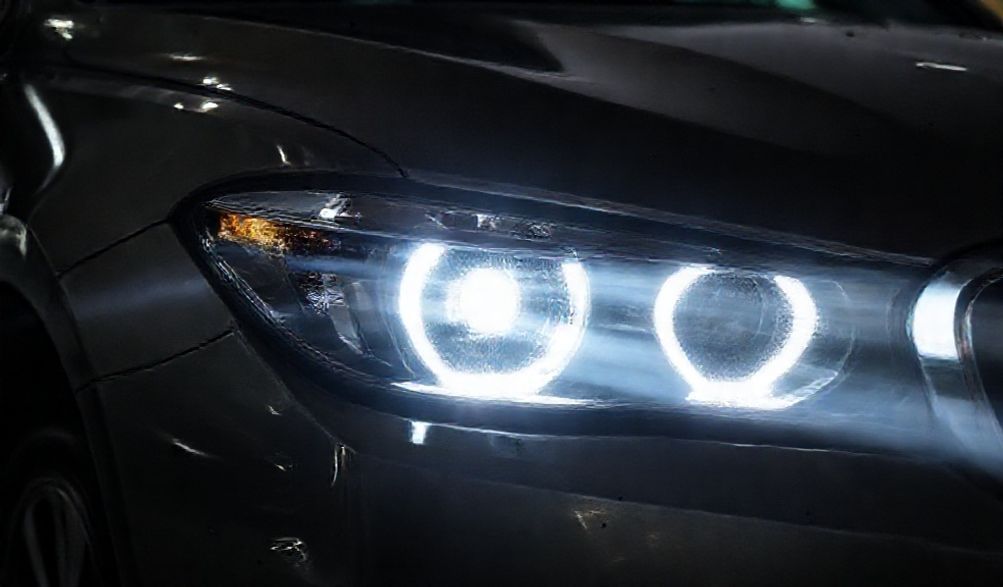
Headlights are forward-facing lamps mounted on a vehicle whose primary functions are illumination and communication. They are your primary interface with the dark road ahead, a tool as vital as your brakes or steering wheel.
Primary Safety Objective: Illumination
The foremost role is to illuminate the road ahead during low-light conditions (night, dawn, dusk, tunnels) and in poor weather (rain, fog, snow). This allows the driver to see potential hazards—like pedestrians, animals, potholes, or debris—road markings, and changes in terrain with enough time to react safely. Effective illumination extends your visual horizon, directly reducing reaction time and preventing accidents.
Secondary Safety Objective: Visibility
Equally important is making the vehicle itself visible to other road users—including other drivers, cyclists, and pedestrians. This preventative function helps avoid collisions by ensuring you are seen from a distance, especially at intersections, in heavy rain, or in fog. In this sense, headlights are as much for others as they are for you.
Legal Requirements and Standards
In virtually every jurisdiction, functioning headlights are mandated by law. They must meet specific standards for beam pattern, intensity, and color (typically white or selective yellow). Regulations like the Federal Motor Vehicle Safety Standard (FMVSS) 108 in the USA or ECE regulations in Europe ensure headlights provide adequate light without creating excessive and dangerous glare for oncoming traffic. Driving with faulty or improperly aimed headlights can result in fines and, more importantly, drastically increase crash risk.
A Brief History of Headlight Technology
The journey to modern headlights is a story of relentless innovation in the pursuit of safety and clarity. Understanding this evolution underscores the engineering sophistication behind this everyday feature.
From Acetylene to Sealed Beams
Before electricity, the earliest motor vehicles used acetylene or oil lamps, which offered feeble, flickering light. The introduction of electric headlights in the 1910s, powered by the vehicle’s battery and generator, was a revolutionary leap. For decades, the dominant design was the “sealed beam” headlight (introduced in the 1940s), a single unit that combined the bulb, reflector, and lens. While durable and standardized, it offered limited performance and design flexibility.
The Halogen Revolution
The widespread adoption of halogen bulb technology in the 1960s marked a major turning point. By adding halogen gas to the bulb, engineers could run the tungsten filament at a higher temperature, producing a brighter, whiter light and significantly extending the bulb’s lifespan. For over 40 years, halogen became the undisputed global standard, balancing cost, performance, and simplicity.
The Modern Era: HIDs, LEDs, and Lasers
The late 20th and early 21st centuries ushered in a new wave of advanced lighting:
* HID (High-Intensity Discharge) / Xenon: These systems, popular in the 1990s and 2000s, produce intense, bluish-white light using an electric arc between two electrodes in a xenon-gas-filled capsule. They are known for high output and efficiency but require complex ballasts and can produce glare if not properly housed.
* LED (Light-Emitting Diode): The current mainstream premium technology. LEDs produce light when an electrical current passes through a semiconductor. They offer exceptional energy efficiency, incredibly long lifespan (often the life of the vehicle), compact size for dramatic design flexibility, and instant on/off capability, enabling advanced features.
* Laser Headlights: Representing the cutting edge, laser headlights (as of this writing, found on select high-end vehicles) use lasers to excite a phosphorous material, creating an extremely bright and focused white light. They offer exceptional range while being highly energy-efficient, though cost currently limits their widespread adoption.
Types of Headlights and How They Work
This practical breakdown helps you identify and understand the system in your own vehicle, from the simple to the complex.
Bulb-Based Systems
- Halogen: The most common traditional system. It features a tungsten filament inside a quartz glass bulb filled with halogen gas. Electricity heats the filament to incandescence, producing light. Pros: Inexpensive to purchase and replace, simple design. Cons: Less efficient (converts most energy to heat), shorter lifespan, produces a yellower light compared to newer tech.
- HID/Xenon: A filament-less system. Light is created by an electrical arc between two electrodes inside a quartz capsule filled with xenon gas and metal salts. Pros: Very bright, white light; more efficient than halogen; longer life. Cons: Require a high-voltage ballast to start; can have a slight delay reaching full brightness; if installed in the wrong housing, they create dangerous glare.
Solid-State & Advanced Systems
- LED: A solid-state technology. Light is emitted as electrons move through a semiconductor material. Pros: Extremely energy-efficient, exceptionally long lifespan, compact size allowing for slimmer designs and adaptive features, instant illumination. Cons: Higher initial cost, require effective heat sinks for thermal management as they are sensitive to high temperatures.
- Laser: As described in the history section, this is the pinnacle of current automotive lighting technology, primarily focused on maximizing range and efficiency.
Reflector vs. Projector Headlight Housings
The housing is as important as the bulb itself in shaping the light output:
* Reflector Housing: Uses a multifaceted, mirrored bowl behind the bulb to catch and direct light rays through the front lens. Common for halogen and some LED setups. Design and aiming are critical to avoid stray light and glare.
* Projector Housing: Uses an ellipsoidal (oval-shaped) lens in front of the bulb, along with a cutoff shield, to focus and project a sharper, more controlled beam pattern with a distinct horizontal cutoff line. This design is often used with HID and high-performance LED systems as it better contains their intense light and minimizes glare for oncoming traffic.
Key Headlight Features and Terminology
Demystifying these common terms builds confidence and aids in understanding your vehicle’s capabilities and owner’s manual.
Low Beam vs. High Beam
- Low Beams: Your default setting for all normal nighttime driving. They are angled downward and to the right (in left-hand drive countries) to provide adequate forward and roadside illumination while creating a sharp “cutoff” line that prevents the main beam from shining directly into the eyes of oncoming drivers.
- High Beams: Provide maximum forward illumination with no upper cutoff. They are for use on dark, unpopulated roads with no oncoming traffic. It is both a safety necessity and a legal requirement to dim them for any approaching vehicle or when following another car closely.
Adaptive Front-Lighting Systems (AFS)
These advanced systems dynamically adjust the beam pattern based on driving conditions. Using data from speed sensors, steering angle sensors, and sometimes GPS, they can pivot the headlights slightly into a turn to illuminate the curve better, or adjust the beam range and pattern based on vehicle speed.
Automatic High Beams
A convenience and safety feature that uses a forward-facing camera or sensor to detect the headlights or taillights of other vehicles. The system automatically switches from high beams to low beams when traffic is detected, and back to high beams when the road is clear, ensuring optimal illumination without driver intervention.
Headlight Maintenance, Alignment, and Safety
Knowledge is useless without action. This section provides the actionable, experience-driven advice needed to keep this safety system functioning optimally.
The Critical Importance of Proper Aim (Alignment)
Misaligned headlights are a severe safety hazard—perhaps the most common and overlooked headlight issue. Headlights pointed too high blind oncoming drivers. Headlights pointed too low or to the side drastically reduce your own visibility. Alignment should be checked professionally every couple of years or immediately after any front-end impact, suspension work, or if you frequently carry heavy loads in the trunk.
Bulb Replacement Guide
When a bulb fails, follow these principles:
1. Replace in Pairs: Always replace both headlight bulbs (left and right) even if only one has failed. This ensures consistent brightness and color temperature, maintaining balanced illumination.
2. Safety First: Disconnect the vehicle’s battery before beginning work to prevent electrical shorts.
3. Handle with Care: For halogen bulbs, avoid touching the glass quartz with bare fingers. Skin oils can create hot spots on the bulb when it heats, leading to premature failure. Use a clean cloth or gloves.
4. Consult Your Manual: Access methods vary wildly by vehicle. Some require access from the engine bay, others from behind the wheel well liner.
Lens Restoration for Plastic Headlights
Modern headlights use polycarbonate plastic lenses for their durability and design flexibility. However, UV radiation from the sun slowly oxidizes the plastic, causing it to become hazy, yellowed, and cloudy. This scatters light dramatically, reducing output by up to 80% and increasing glare. Restoration involves:
1. Wet Sanding: Gradually removing the damaged outer layer with progressively finer grit sandpapers (e.g., 800, 1000, 2000, 3000).
2. Polishing: Using a machine polisher and compound to bring back clarity.
3. Sealing: Applying a dedicated UV-blocking sealant or clear coat is essential to protect the fresh plastic and prevent rapid re-yellowing. DIY kits are available, but professional restoration often yields longer-lasting results.
When to Consult a Professional
While bulb replacement and lens cleaning are within many DIYers’ reach, certain issues demand expert attention:
* Diagnosing complex electrical faults (fuses, relays, wiring).
* Replacing ballasts or control modules for HID/LED/Adaptive systems.
* Correcting headlight aim with proper optical alignment equipment.
* Addressing error messages related to adaptive or automatic lighting systems.
* Installing complete legal headlight assembly upgrades.
Frequently Asked Questions (FAQ)
Q1: Are LED or HID headlight conversion kits legal for my car?
A: This is a complex and critical area. In most regions, simply replacing a halogen bulb with an aftermarket LED or HID “bulb” in a housing not designed for it is illegal and dangerous. These housings are engineered for the specific filament position and light output of a halogen bulb. A different light source creates an incorrect, scattered beam pattern, producing blinding glare for other drivers and reducing your own useful light. Legal upgrades typically involve replacing the entire headlight assembly with a certified unit designed for that technology. Always check your local vehicle codes.
Q2: How often should I replace my headlight bulbs?
A: The “replace in pairs” rule is key. For lifespan: Halogen bulbs may last 450-1,000 hours; HIDs can last 2,000+ hours; and LEDs are often rated for 15,000-30,000 hours, potentially the vehicle’s life. Proactively inspect their brightness and function during every oil change, especially as halogens dim over time.
Q3: Why are my headlights dim or yellow?
A: For halogen bulbs, gradual dimming is a natural end-of-life symptom. A pronounced yellow cast, however, is almost always caused by oxidized plastic lenses, not the bulb itself. Light from a clean halogen bulb is white. Lens restoration (as described above) is the solution to restore both output and safety.
Q4: Can I use a higher wattage bulb for more light?
A: This is not recommended and can be dangerous. Your vehicle’s wiring, connectors, and headlight housing are designed for a specific wattage (e.g., 55W). Installing a higher-wattage bulb (e.g., 100W) can overload the circuit, melting wiring and connectors, damaging the housing, and creating a fire risk. For more light from a halogen system, seek higher-performance bulbs from reputable brands (e.g., “+XX%” models) that stay within the stock wattage but use advanced filaments/gas for more lumens.
Q5: What should I do if an oncoming driver has blinding high beams or misaligned lights?
A: Do not retaliate by flashing your high beams. This temporarily blinds both drivers and escalates risk. Instead, look toward the right side of your lane or the white line on the shoulder. Use your peripheral vision to maintain lane position until the vehicle passes. This technique helps you avoid the direct glare and preserves your night vision.
Conclusion
Headlights are a foundational pillar of automotive safety, transforming from simple oil lamps into intelligent, adaptive systems that actively enhance driver capability. Understanding what headlights are—their dual role in illumination and visibility, their technological evolution, and their critical maintenance needs—is essential knowledge for every responsible driver. By ensuring your headlights are clean, properly aimed, and fully functional, you actively protect yourself, your passengers, and everyone sharing the road with you. Prioritize regular inspections, use your high and low beams judiciously, and invest in professional service for complex issues. This proactive approach, grounded in the expert knowledge shared here, is the surest way to illuminate your path to safer journeys, day or night.
p>