
What is a Headlamp on a Car? A Complete Guide to Function, Types & Safety
It’s a scenario every driver knows: the sun has dipped below the horizon, a light rain is misting the windshield, and you’re navigating a winding, unfamiliar road. In this moment, your senses are heightened, and your safety depends almost entirely on one critical system—your car’s headlamps. That pool of light carving through the darkness isn’t just a convenience; it’s your primary link to the road ahead and a vital signal to everyone else on it.
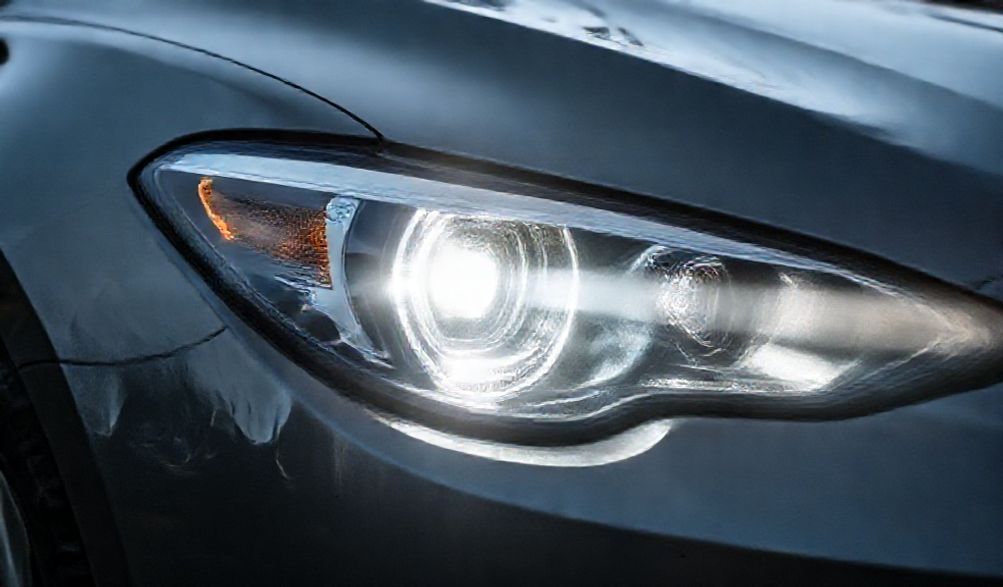
So, what is a headlamp on a car? In its simplest terms, a car headlamp is the primary forward-facing lighting device on a vehicle, engineered with a dual mandate: to illuminate the road ahead for the driver and to make the vehicle visible to other road users. Far more than just “headlights,” modern headlamps are sophisticated safety systems incorporating advanced optics, electronics, and materials science.
Understanding your headlamps is not merely technical curiosity; it’s a crucial aspect of responsible vehicle ownership. It impacts your safety, your compliance with traffic laws, and your effectiveness as a driver in low-light conditions. This guide will serve as your comprehensive resource. We’ll delve into their core function, trace their fascinating evolution, break down the different technologies lighting our way today, and provide essential maintenance and safety knowledge you can use immediately. Let’s shine a light on one of your car’s most important features.
The Primary Function: More Than Just Light
At its heart, the purpose of a headlamp is deceptively simple. Yet, this simplicity belies a complex engineering challenge: producing a powerful, controlled beam of light that serves two distinct, life-saving roles.
Illuminating the Road Ahead
The most obvious function is to allow you to see. Headlamps extend your vision beyond the reach of daylight, revealing the path, potential hazards (like animals, debris, or potholes), road signs, and markings in:
* Darkness: The core use case.
* Inclement Weather: Cutting through rain, snow, and fog (with proper low-beam or fog light use).
* Low-Light Conditions: Dawn, dusk, and tunnels.
However, simply blasting out light isn’t enough. Modern headlamps are meticulously designed to produce a specific beam pattern. The most important feature of this pattern, especially for low beams, is a sharp cut-off line. This is the distinct horizontal line where the bright light stops. On the driver’s side, this line is often slightly lower or has a kick-up to illuminate road signs, while it remains flat or dipped on the passenger side. This precise pattern maximizes the illuminated area of the road directly in front and to the sides of the car while minimizing glare for oncoming drivers, a critical safety consideration.
Ensuring Your Vehicle is Visible
This second function is equally vital. Headlamps are a key component of a vehicle’s conspicuity—how easily it is seen by others. Your headlamps signal your presence, your width, and your direction of travel to oncoming traffic, pedestrians, and cyclists. This is why using headlamps in poor daytime conditions (like heavy rain or fog) is so important; it’s often less about you seeing and more about you being seen.
A direct relative of this function is the Daytime Running Light (DRL). Now common on modern vehicles, DRLs are automatically activated low-intensity forward lights (often using LED strips or dimmed high-beam elements) designed solely to increase a vehicle’s visibility during daylight hours, reducing the risk of collisions.
A Brief History of Automotive Headlamps
The journey from flickering flames to adaptive laser beams is a story of relentless innovation in the pursuit of safety and performance. Understanding this evolution underscores just how far this essential technology has come.
From Acetylene to Sealed Beams
The earliest “headlamps” were acetylene or oil lamps used on horse-drawn carriages and the first automobiles in the late 1800s. They provided feeble, flickering light and were highly susceptible to wind and weather. The dawn of electric lighting soon followed, with the first electric headlamps appearing in the late 1890s, pioneered by companies like Columbia Electric. Adoption was slow due to the need for robust electrical systems, but by the 1910s, they became more common.
A major standardization came in the 1940s with the introduction of the sealed beam headlamp in the United States. This was a single, self-contained unit—the bulb, reflector, and lens were fused into one airtight module. While it simplified manufacturing and replacement, it offered limited design flexibility and performance. For decades, the round or rectangular sealed beam was the defining face of the automobile.
The Modern Lighting Revolution
The post-sealed-beam era unleashed a wave of innovation:
* Halogen (1960s+): The first major breakthrough. Halogen bulbs filled with halogen gas allowed the tungsten filament to burn hotter and brighter, producing more lumens per watt and a whiter light than standard incandescent bulbs. They became the global standard for decades due to their low cost and good performance.
* HID/Xenon (1990s+): A true game-changer. High-Intensity Discharge (HID) lamps generate light by creating an electric arc between two electrodes inside a capsule filled with xenon gas. They produce a much brighter, more intense, and bluer-white light than halogens with greater efficiency. Their introduction marked the shift from simple bulbs to complex “system” lighting.
* LED (2000s+): Light-Emitting Diode technology moved from dashboard indicators to headlamps. LEDs use semiconductors to emit light, offering exceptional energy efficiency, extremely long lifespans, compact size for design freedom, and instant-on capability. They have rapidly become the new premium standard.
* The Cutting Edge: Adaptive Systems: Today, the frontier is intelligence. Adaptive Front-lighting Systems (AFS) and Matrix LED systems use sensors, cameras, and electronic control to dynamically adjust the beam. They can swivel lights into corners, automatically switch between high and low beams, and even dim individual LED segments to avoid glaring other drivers while keeping the rest of the road fully illuminated. Laser light, though rare and expensive, pushes the boundary of range and precision even further.
Types of Car Headlamps: Technology Explained
When you look at a modern car, the headlamps you see likely incorporate one or more of these core technologies. Here’s a breakdown of how they work and their pros and cons.
Halogen Headlamps
- How They Work: An evolution of the incandescent bulb. Electricity heats a tungsten filament inside a glass capsule filled with halogen gas. The gas redeposits evaporated tungsten back onto the filament, allowing it to burn hotter and brighter and last longer.
- Pros: Very low initial cost, simple replacement, and widespread compatibility.
- Cons: Least efficient (convert most energy to heat), relatively short lifespan (~450-1000 hours), produce a yellower light (typically 3200K), and offer lower overall light output.
HID (High-Intensity Discharge) / Xenon Headlamps
- How They Work: There is no filament. Instead, a high-voltage starter creates an arc between two electrodes inside a quartz capsule filled with xenon gas and metal salts. This arc excites the gas, producing an intense, bright light.
- Pros: Significantly brighter and whiter light (often 4000K-6000K) than halogen, better energy efficiency, and longer lifespan (~2000-5000 hours).
- Cons: Higher cost, require a complex ballast and igniter system, can take a few seconds to reach full brightness, and if not properly housed in a projector lens, can cause severe glare for oncoming traffic.
LED (Light-Emitting Diode) Headlamps
- How They Work: Light is produced when an electrical current passes through a semiconductor microchip, illuminating tiny light-emitting diodes. Multiple LEDs are often used in an array, with complex optics to shape the beam.
- Pros: Extremely energy-efficient, very long lifespan (15,000-30,000+ hours), compact size enabling sleek designs, instant full brightness, and can produce a very pure white light.
- Cons: Highest upfront cost, and they generate significant heat at the diode’s base, requiring sophisticated heat sinks or cooling fans. They are often integrated into non-serviceable assemblies.
Advanced & Adaptive Front-Lighting Systems (AFS)
This isn’t a bulb technology, but a system that uses primarily LED or sometimes HID sources. These “smart” headlamps use steering angle, vehicle speed, and camera data to dynamically adapt the beam.
* Adaptive Cornering/Bending Lights: The headlamp housing or inner reflector swivels as you turn the steering wheel to light up corners.
* Matrix/Pixel LED Systems: An array of individual LEDs can be turned on or off independently. A camera detects vehicles ahead or oncoming, and the system dims or turns off only the specific LEDs that would glare at them, leaving the rest of the high beam active.
Key Headlamp Components and Terminology
To truly understand headlamps, it helps to know the parts that make up the whole and the language used to describe their performance.
Housing, Lens, and Reflector/Projector
- Housing: The structural backbone, usually made of plastic or metal. It holds all components, provides mounting points, and protects against the elements.
- Lens: The clear, hard outer cover (typically polycarbonate) that protects the internal components. It often has a patterned or fluted surface to help diffuse and direct the light beam correctly.
- Reflector vs. Projector: These are the two main optical systems that shape the light.
- Reflector Housing: The bulb sits in a bowl-shaped, mirrored reflector. Light bounces off the reflector and out through the lens. Common for halogen setups and simpler designs.
- Projector Housing: The bulb sits inside a sealed, elliptical reflector behind a projector lens (a clear, focused lens). This creates a sharper, more controlled cut-off line and is almost universally used for HID and many LED systems to manage their intense light.
Bulbs vs. Assemblies
- Replaceable Bulbs: In many halogen and some HID systems, the light source is a user-serviceable bulb (with standard base types like H4, H7, 9005, D2S). When it burns out, you replace just the bulb.
- Complete Assemblies: Increasingly, especially with full-LED headlamps, the light source is integrated into a sealed unit. If an LED fails, the entire (and often expensive) headlamp assembly may need replacement.
Common Terms: Lumens, Kelvin, and Beam Pattern
- Lumens: The measure of total visible light output (brightness). More lumens = a brighter light. Don’t confuse this with watts, which measure energy consumption.
- Kelvin (K): The measure of color temperature. Lower numbers (3000K) are warm/yellow (like halogen), mid-range (4300K-6000K) are crisp white (like HID and OEM LED), and very high numbers (8000K+) appear blue or violet. Whiter light (4500K-6000K) often appears brighter to the human eye and can improve contrast.
- Beam Pattern: The shape of light thrown onto the road. Low beam has a sharp cut-off to avoid glare. High beam is a more powerful, symmetrical, and long-reaching pattern used when no other traffic is present.
Maintenance, Alignment, and Legal/Safety Standards
A headlamp is only as good as its condition and setup. Proper care is non-negotiable for safety.
Routine Headlamp Maintenance Checklist
- Clean Lenses Regularly: Road grime, salt, and oxidation (the cloudy/yellow haze on plastic lenses) can reduce light output by over 50%. Clean them with car wash soap and consider a dedicated plastic headlight restoration kit if they are hazy.
- Check for Condensation: A small amount of misting that clears is normal. Persistent pools of water inside the housing indicate a broken seal, which can lead to bulb failure and electrical damage.
- Function Check: Monthly, turn on your headlights and walk around the car. Verify both low beams, high beams, and your high-beam indicator on the dash are working. It’s best to replace bulbs in pairs, as when one fails, the other is often not far behind.
The Critical Importance of Proper Aim (Alignment)
Misaligned headlamps are a major safety hazard. Aim too low, and you dangerously shorten your seeing distance. Aim too high or are misaligned sideways, and you become a nuisance, blinding oncoming drivers and reducing their ability to see.
* Causes of Misalignment: Normal vibration, minor impacts, suspension work, or even loading heavy weight in the trunk can alter aim.
* Solution: Headlamp alignment is not a DIY guess job. It requires a level floor and an optical aiming machine. Have your headlamp aim checked by a professional technician during regular vehicle service, especially after any front-end work.
Legal Requirements and Safety Regulations
Headlamps are heavily regulated for public safety.
* Compliance: In the U.S., headlamps must comply with Federal Motor Vehicle Safety Standards (FMVSS) and bear a DOT marking. In Europe, ECE regulations apply. These standards govern brightness, beam pattern, color, and durability.
* The Law and Aftermarket Kits: Simply plugging an “HID kit” or an “LED bulb” into a housing designed for halogen is almost always illegal and dangerous. The reflector or projector bowl is engineered for a specific light source. The wrong bulb creates a chaotic, glaring beam pattern that fails to illuminate the road properly and blinds other drivers. Always ensure any upgrade is a complete, compliant assembly.
* Use: Most states have “dusk-to-dawn” laws requiring headlamp use from sunset to sunrise and in any conditions of reduced visibility (rain, fog, snow).
Frequently Asked Questions (FAQ)
Q1: Is a headlight and a headlamp the same thing?
A: In everyday conversation, they are used interchangeably. Technically, “headlamp” refers to the entire lighting unit (housing, lens, reflector, bulb), while “headlight” often refers specifically to the beam of light produced or the light source itself.
Q2: How often should I replace my headlamp bulbs?
A: Lifespan varies by technology:
* Halogen: 450 – 1,000 hours of use.
* HID: 2,000 – 5,000 hours.
* LED: 15,000 – 30,000+ hours (often the life of the vehicle).
Always replace them in pairs to maintain balanced light output and color.
Q3: Can I upgrade my halogen headlamps to LED or HID?
A: It’s complex. A simple “plug-and-play” bulb swap into a halogen housing is strongly discouraged and often illegal, as it creates dangerous glare and poor beam patterns. A proper, safe, and legal upgrade typically involves replacing the entire headlamp assembly with one designed for that specific technology, including the correct projectors and optics.
Q4: Why are my headlamp lenses cloudy or yellow?
A: This is UV degradation. The sun breaks down the protective coating on the polycarbonate plastic, causing it to oxidize and turn yellow/hazy. This drastically reduces light output. You can use a quality headlight restoration kit to sand and polish the lens clear, or in severe cases, replace the entire housing.
Q5: What should I do if my headlamp warning light comes on?
A: First, safely check if a bulb is out. If so, replace it (in pairs). If bulbs are fine, check the relevant fuses. If the warning persists, there may be an issue with a wiring harness, control module, or leveling sensor. A professional diagnostic scan is recommended.
Conclusion
From their humble beginnings as flickering flames to today’s intelligent, adaptive systems, headlamps have always been a cornerstone of automotive safety. They fulfill the essential dual role of helping you see and ensuring you are seen. Understanding the different technologies—halogen, HID, LED—and the critical importance of maintenance and proper alignment empowers you as a driver.
Remember, your headlamps are a vital safety system, not just an accessory. Ensuring they are functioning correctly, are clearly visible, and are aimed properly is a non-negotiable aspect of responsible vehicle ownership.
Call to Action: Tonight, take a moment to inspect your own headlamps. Turn them on, check that both low and high beams work, and look at the clarity of the lenses. Do they need cleaning or restoration? Does the beam pattern look even and aimed correctly? For any concerns—be it a burnt-out bulb, cloudy lenses, or the desire for an upgrade—always consult a certified automotive technician. They can ensure any work is performed safely, effectively, and in full compliance with the law, keeping you and everyone else on the road safer. As we look ahead, the integration of lighting with autonomous driving sensors promises an even brighter—and smarter—future for this indispensable technology.
p>