
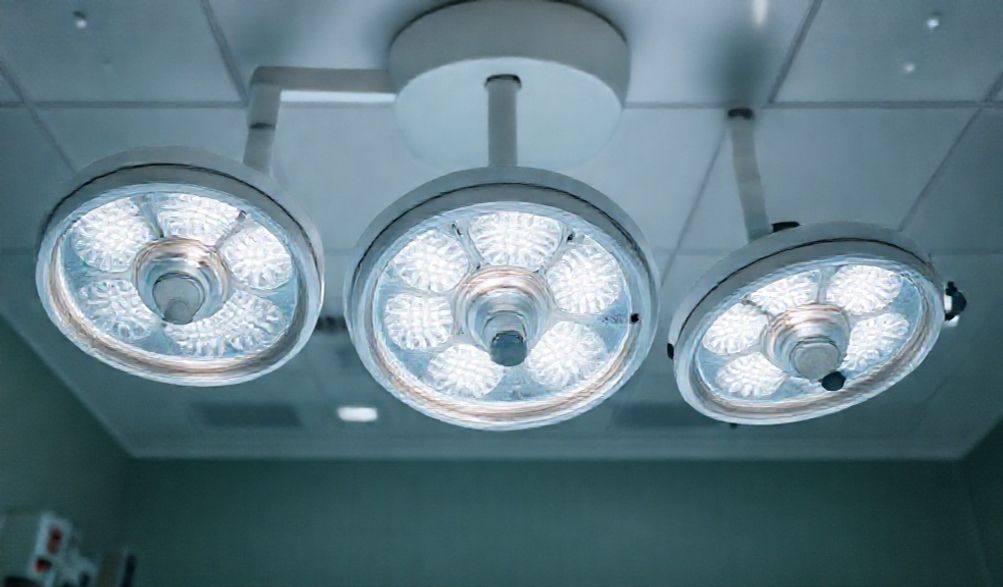
Surgical Operating Room Lights: A Guide to Technology, Selection & Safety Standards
What if the single most important tool in an operating room isn’t held by a surgeon, but hangs above them? While scalpels, clamps, and imaging systems rightfully command attention, the quality of illumination in the surgical field is a foundational, yet often under-analyzed, component of successful outcomes. From the shadow-casting oil lamps of the 19th century to today’s intelligent, cool-to-the-touch LED systems, surgical operating room lights have undergone a radical evolution. They are no longer simple lamps but sophisticated life-critical devices integral to precision, safety, and efficiency.
This guide serves as a comprehensive, evidence-based resource for healthcare administrators, facility managers, procurement specialists, and surgical staff. Our purpose is to demystify the technology, outline rigorous selection criteria, clarify safety standards, and explore future trends, synthesizing insights from manufacturer data, clinical studies, and international regulatory frameworks. By the end, you will understand why selecting the right surgical operating room lights is a strategic decision impacting everything from surgeon ergonomics to infection control and, ultimately, patient care.
The Critical Role of Illumination in Modern Surgery
Beyond Visibility: How Lighting Impacts Surgical Precision & Outcomes
The primary function of surgical operating room lights is, of course, to make the surgical site visible. However, modern understanding goes far beyond basic visibility to encompass a direct link between light quality and surgical performance. Key aspects include:
- shadow reduction: Obstructive shadows from a surgeon’s head or hands can obscure critical anatomy. Advanced lighting systems use multiple point light sources and specialized reflector technology to fill in these shadows, providing uniform illumination that minimizes visual obstruction and enhances spatial awareness.
- Color Rendering: Accurate tissue differentiation is paramount. Is that tissue ischemic, perfused, or infected? High-fidelity color rendering ensures that the subtle differences between shades of red, yellow, and blue are visible. Studies have shown that poor color rendering can lead to increased visual fatigue and even diagnostic uncertainty during procedures.
- Reduced Visual Fatigue: Prolonged concentration under inadequate or glaring light causes eye strain, headaches, and diminished focus. Optimal lighting that delivers consistent, high-intensity illumination without flicker or glare helps maintain the surgical team’s visual acuity throughout long and complex procedures, potentially reducing error rates.
Ergonomics and Surgeon Well-being: Reducing Fatigue and Strain
The physical well-being of the surgical team is a critical factor in maintaining a high standard of care. Surgical operating room lights contribute significantly to the ergonomic environment:
- Adjustable Intensity & Depth of Field: The ability to instantly adjust light intensity and focus (from a wide field for open abdominal surgery to a deep, narrow beam for spinal procedures) allows surgeons to customize their visual environment without awkward posturing or squinting.
- Thermal Management: Traditional halogen and xenon lights emitted significant infrared radiation, heating the surgical site and the surgeon’s head and hands. Modern LED-based systems produce minimal radiant heat, enhancing patient safety (reducing tissue desiccation) and improving comfort for the team, allowing for longer, more focused operating times.
Core Technologies in Surgical Lighting Systems
LED Dominance: Efficiency, Lifespan, and Cool Light Delivery
The shift to Light Emitting Diode (LED) technology represents the most significant advancement in surgical operating room lights in decades, offering distinct advantages:
- Energy Efficiency & Longevity: LEDs consume significantly less power than halogen or xenon bulbs and boast lifespans exceeding 50,000 hours. This translates to substantial cost savings on energy and eliminates the frequent, costly, and disruptive bulb replacements of older systems.
- Minimal Radiant Heat: As mentioned, LEDs convert most energy into visible light, not heat. This “cool light” delivery is a major benefit for both patient safety and surgeon comfort.
- Consistent Color Temperature: LEDs provide stable, consistent color temperature over their entire lifespan, unlike traditional sources that shift as they age, ensuring reliable color rendition procedure after procedure.
Understanding Key Performance Metrics
When evaluating surgical operating room lights, understanding these technical metrics is essential:
- Lux / Illuminance: This measures the intensity of light falling on the surgical field. International standards (like IEC 60601-2-41) often recommend a minimum of 40,000 lux to 160,000 lux at the center of the field, adjustable to suit different procedures and surgeon preference.
- Color Rendering Index (CRI): A scale from 0 to 100 that measures a light source’s ability to reveal the true colors of objects compared to natural light. For high-acuity surgery, a CRI of 90+ is considered a minimum, with premium systems offering a CRI of 95 or higher. This is non-negotiable for accurately distinguishing tissue types and states.
- Depth of Illumination: This refers to the light’s ability to penetrate deep cavities (e.g., in pelvic or thoracic surgery) without a significant drop in intensity at the periphery. It is a function of the optical design and is critical for maintaining visualization during complex, invasive procedures.
- Shadow Control: Achieved through multi-source optics—typically an array of several hundred individual LEDs arranged in concentric rings. This design ensures that if an object blocks one set of LEDs, light from the other rings fills the shadow, dramatically reducing obstruction.
Key Factors for Selecting Operating Room Lights
Assessing Surgical Specialty Requirements
Not all surgeries have the same lighting needs. Procurement must align with clinical demand:
- High-Acuity & Microsurgery (Neurosurgery, Ophthalmology, Vascular): Require extremely high intensity (lux), exceptional shadow reduction, and superb color rendering for working with delicate, similar-colored tissues.
- Orthopedic & Trauma Surgery: Need a broad, uniform field of light for large incisions and deep cavities. Resistance to mechanical bumping and easy repositioning are also key.
- General & Laparoscopic Surgery: While the primary view is often via a monitor, overhead lights are crucial for port placement, instrument handling, and any open conversion. Flexibility and a balance of focus and field are important.
Mechanical Design & Integration: Ceiling vs. Track Systems
The physical mounting solution impacts workflow and flexibility:
- Fixed Ceiling-Mounted Lights: A single, central light. Cost-effective but offers limited flexibility and can be obstructive in smaller rooms.
- Multi-Arm Systems: Feature two or more independent light heads on separate arms mounted to a single ceiling column. Provides excellent flexibility, redundancy (if one light fails), and allows for lighting from multiple angles to eliminate shadows.
- Track Systems: Light heads are mounted on a ceiling rail, allowing them to be moved anywhere along the track’s length. Ideal for multi-purpose ORs or rooms where the table position varies, offering maximum flexibility for room reconfiguration.
Sterility, Cleanability, and Infection Control
Surgical operating room lights are frequent points of contact and potential reservoirs for pathogens. Design is critical for infection prevention:
- Sealed Bodies & Smooth Surfaces: The light head should have a seamless, unibody design with no cracks, crevices, or screw heads where biological material can accumulate.
- Compatible Materials: All surfaces must withstand daily cleaning with aggressive, hospital-grade disinfectants without corroding or degrading.
- Handle Design: Sterile handles or touchless control options prevent contamination of the field. Many systems offer removable, autoclavable handles.
Safety, Standards, and Regulatory Compliance
Adherence to International Standards (IEC 60601-2-41)
Compliance with the international standard IEC 60601-2-41 (Particular requirements for the basic safety and essential performance of surgical luminaires and luminaires for diagnosis) is mandatory. This standard covers:
* Electrical Safety: Protection against shock and electromagnetic interference.
* Mechanical Safety: Stability, strength of arms, and secure mounting.
* Thermal Safety: Limits on accessible surface temperatures.
* Performance Safety: Requirements for light output, color rendering, and failure modes.
Procurement should always verify that any surgical operating room light system carries full certification to this standard.
Risk Management: Preventing Thermal Injury and Ensuring Fail-Safes
Modern systems incorporate multiple layers of safety:
- Thermal Management Systems: Sensors and heat sinks actively monitor and manage temperature to prevent overheating of the light head and the surgical field.
- Backup Power Systems: Integrated battery units ensure that if main power fails, the lights remain on at a sufficient intensity to allow for the safe conclusion or pause of a procedure.
- Redundancy: In multi-head systems, the failure of one LED module or light head does not plunge the field into darkness; the remaining heads provide adequate illumination.
The Future of Surgical Illumination
Integration with Digital Operating Rooms and Imaging
The standalone light is becoming a node in the connected OR. Future surgical operating room lights will feature:
* Integrated 4K Cameras: For recording procedures or broadcasting to teaching monitors without external equipment cluttering the field.
* Data Overlay: Potential to project critical information (from patient monitors or pre-op imaging) directly into the surgeon’s field of view using augmented reality concepts.
* Synchronization with Imaging: Lighting that automatically adjusts its spectrum to optimize the visualization of specific contrast agents or fluorescent markers used in cancer surgery.
Smart Lighting & Adaptive Systems
Intelligence is being built into the systems themselves:
* Automated Positioning: Lights that can automatically position themselves based on the surgical table’s location or track a specific instrument or area of interest.
* Voice & Gesture Control: Hands-free adjustment of intensity and focus to maintain a sterile field.
* Procedure-Specific Presets: One-touch settings that configure the light’s intensity, color temperature, and focus pattern optimized for specific surgery types (e.g., “cardiac,” “orthopedic,” “plastic”).
Frequently Asked Questions (FAQ)
Q1: What is the typical lifespan of a modern LED surgical light, and what are the maintenance requirements?
A: High-quality LED surgical operating room lights typically have a lifespan of 50,000 to 100,000 hours—essentially decades of normal use. Maintenance shifts from frequent bulb changes to regular inspection of mechanical components (arms, joints, brakes) and rigorous cleaning of surfaces per the manufacturer’s infection control guidelines to maintain sterility and optical clarity.
Q2: How important is the Color Rendering Index (CRI), and what value should we look for?
A: The CRI is critically important. It directly affects the surgical team’s ability to accurately distinguish between tissues, assess perfusion, and identify pathological changes. For high-acuity surgery, a CRI of 90 or higher is a minimum requirement. Leading systems now offer a CRI of 95-98, closely mimicking natural sunlight and providing the highest level of visual accuracy.
Q3: Can existing operating rooms be upgraded with new lighting systems, or does it require major renovation?
A: It is often possible to upgrade without full renovation, but it requires careful assessment. The existing ceiling infrastructure (electrical load, structural support for weight) must be evaluated. While some systems are designed for easy retrofit, others may require electrical upgrades or structural reinforcement. A consultation with a clinical engineer, facilities manager, and the manufacturer is a crucial first step.
Q4: What are the primary cost considerations beyond the initial purchase price?
A: Evaluating Total Cost of Ownership (TCO) is vital:
* Energy Consumption: LEDs can reduce power costs by 50% or more compared to old systems.
* Bulb Replacement: Costs are virtually eliminated with LEDs.
* Maintenance Contracts: Consider the cost of periodic safety and performance inspections.
* Procedural Impact: The most significant factor may be the intangible impact on procedure time, surgeon fatigue, and potential reduction in errors—investing in superior lighting is an investment in operational efficiency and patient outcomes.
Conclusion
Selecting surgical operating room lights is a complex decision that sits at the intersection of advanced technology, human ergonomics, stringent safety science, and clinical necessity. As we have seen, these systems are far more than simple illumination; they are sophisticated tools that enhance precision, protect patient safety, and support the well-being of the surgical team.
The process demands a collaborative approach, balancing technical specifications from reputable manufacturers with the firsthand insights of surgical staff and the practical knowledge of facility engineers. Crucially, compliance with international safety standards like IEC 60601-2-41 is non-negotiable.
Ultimately, optimal surgical lighting should be viewed not as a mere capital expense, but as a foundational investment in the entire surgical ecosystem. It elevates the standard of care, mitigates risk, and empowers surgical teams to perform at their peak. Before finalizing any procurement decision, we strongly advise requesting a live demonstration in a simulated OR environment. Seeing the light’s performance on a realistic surgical field—evaluating its shadow control, color truth, and ease of use—is the most authoritative test of all.
p>