
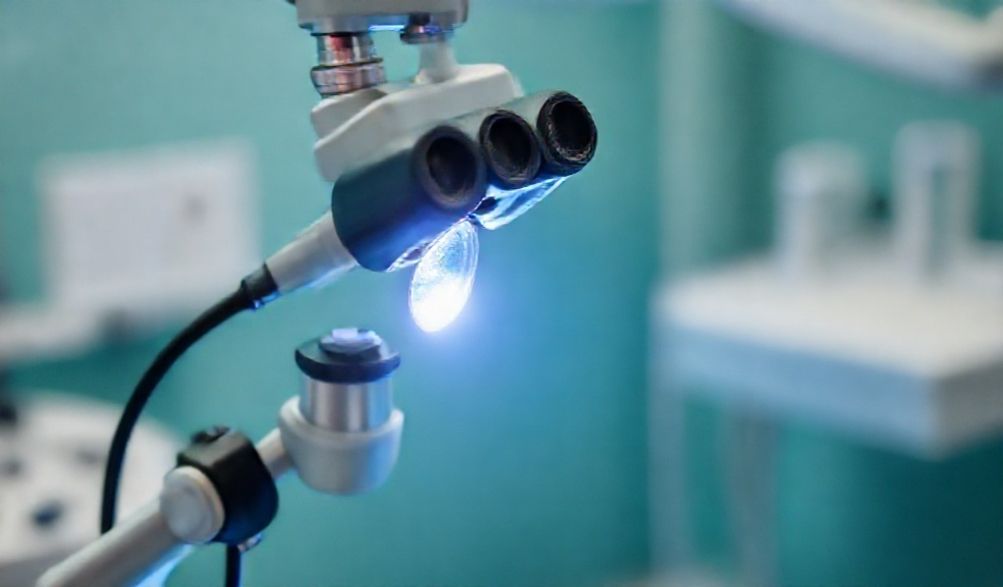
Dental Hygiene Loupes with Light: A Complete Guide for Enhanced Patient Care & Clinical Precision
It’s 3 PM on a busy Friday. You’ve been in a sustained, forward-leaning posture for hours, meticulously navigating the complex topography of posterior sextants. Your neck is tight, your shoulders are creeping toward your ears, and despite the overhead operatory light, a stubborn shadow is obscuring that distal line angle on tooth #31. You’re relying on tactile sensation more than vision, hoping you’ve removed all the tenacious, burnished calculus. The fatigue isn’t just physical; it’s visual and mental, potentially compromising the standard of care you strive to deliver every day.
If this scenario feels familiar, you’re not alone. Dental hygiene is a profession of extraordinary precision, demanding visual acuity and ergonomic resilience. The human eye, remarkable as it is, has limitations in the shadowy, confined space of the oral cavity. This is where technology steps in to augment our natural abilities. Dental hygiene loupes with light are not merely accessories; they are transformative clinical systems that address the core challenges of modern hygiene practice.
This comprehensive guide is designed to cut through the confusion. Compiled from clinical research, detailed manufacturer specifications, and the firsthand, hard-won experience of seasoned dental hygienists and ergonomic consultants, we will explore how this single investment can yield profound returns. We’ll demystify the key features, translate the technical jargon, and provide a clear roadmap for selecting a system that elevates your clinical precision, protects your physical health, and enhances patient communication. Whether you’re a recent graduate or a veteran of the operatory, understanding the “why” and “how” of dental hygiene loupes with light is a critical step in investing in the longevity and quality of your career.
Why Dental Hygienists Need Magnification and Illumination
For many clinicians, the adoption of loupes marks a before-and-after moment in their clinical journey. The benefits are interconnected, creating a synergistic effect that is greater than the sum of its parts.
The Clinical Imperative: Seeing What the Naked Eye Misses
The naked eye, at a typical working distance, simply cannot resolve the minute details critical to comprehensive care. magnification changes the game.
- Early Detection: Subgingival calculus, especially the transparent, burnished type, becomes glaringly obvious under magnification. Early carious lesions (white spot lesions), craze lines, enamel defects, and the subtle textures of restored margins come into sharp focus. This allows for earlier, more conservative intervention.
- Accuracy in Assessment: Evaluating tissue health, identifying the early signs of oral pathology (like lichen planus or erythroplakia), and accurately assessing periodontal pocket depth and inflammation levels all become more precise. You move from an assumption-based approach to a visually confirmed one.
- Thorough Debridement: Magnification allows you to see if you’ve truly reached the base of a pocket, if a furcation is completely cleansed, or if a fragment of calculus remains on a challenging root surface. This directly translates to better clinical outcomes and improved healing for the patient.
The Ergonomic Crisis: Protecting Your Career Longevity
The statistics are alarming: a overwhelming majority of dental professionals will experience a work-related musculoskeletal disorder (MSD). Neck, back, and shoulder pain are occupational hazards, often stemming from poor, static posture.
Loupes are fundamentally an ergonomic device. To achieve a clear magnified image, you must position yourself correctly. The critical measurement here is the declination angle—the angle at which the loupes are tilted downward. Properly fitted loupes force you into a posture where your spine is straight, your head is balanced over your shoulders, and you are looking down your nose into the patient’s mouth, not craning your neck forward. This neutral posture dramatically reduces the strain on your cervical spine, trapezius muscles, and lower back. Investing in loupes is, unequivocally, an investment in preventing career-limiting pain and burnout.
The Light Factor: Why Illumination is Non-Negotiable
Magnification without proper light is like using a high-resolution camera in a dark room. Overhead operatory lights are helpful, but they create shadows as your head, hands, and instruments block the path. The patient’s cheeks, tongue, and the arches themselves create deep, dark shadows where critical work occurs.
An integrated coaxial illumination system—where the light is projected directly down the line of sight—eliminates these shadows. It floods the entire magnified field with bright, even, shadow-free light. This is the “non-negotiable” part. The light allows you to fully utilize the power of magnification, revealing detail and color contrast that would otherwise be hidden. It reduces eye strain as your pupils don’t have to constantly dilate and constrict between the bright operatory and dark oral cavity.
How to Choose the Best Dental Hygiene Loupes with Light
Selecting your system is a personal and professional decision. Understanding these key features will empower you to choose wisely.
Key Feature #1: Magnification Power and Field of View
Magnification for dental hygiene typically ranges from 2.5x to 4.5x. There’s a crucial trade-off to understand:
* Higher Magnification (e.g., 4.0x-4.5x): Offers incredible detail for fine work like assessing calculus removal or examining margins. However, the field of view (the width of the area you can see) is smaller, and the depth of field (the range that stays in focus) is shallower. This requires more precise head movements.
* Lower Magnification (e.g., 2.5x-3.5x): Provides a wider field of view and greater depth of field, making it easier to maintain orientation in the mouth. It’s excellent for overall assessment and procedures requiring a broader perspective.
Recommendation: For most hygienists, a 3.0x to 3.5x magnification offers an ideal balance of detail and practical field width for comprehensive periodontal therapy.
Key Feature #2: Working Distance and Declination Angle
This is the heart of ergonomic fitting.
* Working Distance: This is the measured distance from your eyes (specifically, the corneal plane) to your patient’s mouth where your hands are working. It is unique to you and your posture. An incorrect distance will force you to hunch or lean back.
* Declination Angle: This is the downward tilt of the loupes, measured in degrees. A proper angle (often between 30-45 degrees) ensures you can maintain a neutral spine while looking into the mouth. A trained representative must measure this while you are in your typical clinical seating position.
Never purchase clinical loupes without a professional fitting that includes these two measurements.
Key Feature #3: The Light Source: LED Types, Brightness & Battery
The light is a system unto itself.
* LED Color Temperature: Measured in Kelvins (K). “Daylight” or cool white (5000-6000K) is standard, offering bright, clear illumination that enhances contrast. Some prefer a slightly warmer light (4000K) for reduced eye strain.
* Brightness (Lumens) & Beam Pattern: Look for a light with adjustable brightness settings. A focused, spot-like beam is great for precision; a wider, flood beam illuminates a larger area. Some lights offer a combination.
* Battery Life: Cordless systems are the norm. A good light should last a full clinical day (6-8 hours) on a single charge. Consider battery swap systems (a spare battery charges while you use the other) for uninterrupted workflow. Check the charger type—USB-C is now a convenient standard.
Key Feature #4: Frame Fit, Weight, and Comfort
You’ll wear this system for hours. Comfort is paramount.
* Frame Styles: Through-the-Lens (TTL) loupes have the magnification lenses permanently mounted in the carrier lens, offering a lighter weight and a more streamlined look. Flip-Up loupes have a binocular that flips up, allowing you to quickly switch between magnified and unmagnified vision. They can be used with prescription eyewear underneath and are sometimes adjustable.
* Weight & Balance: The combined weight of the frame, lenses, and light must be distributed comfortably. Lightweight materials like titanium are popular. The light’s battery is often the heaviest component; a well-designed system will balance this weight at the back of the head or on the frame arms.
* Customization: Nose pad styles, temple length, and frame curvature should all be adjustable for a secure, pressure-free fit.
Top Benefits of Integrating Loupes with Light into Your Hygiene Practice
The initial investment pays dividends across multiple facets of your professional life.
Elevated Standard of Care and Patient Communication
With a clear, illuminated, magnified view, your diagnostic and therapeutic accuracy soars. This translates directly to a higher standard of care. Furthermore, loupes become a powerful patient education tool. Using an intraoral camera in conjunction with your magnified view, you can show patients exactly what you see—the hidden calculus, the bleeding tissue, the early lesion. This visual evidence builds trust, improves case acceptance for necessary treatment, and empowers patients in their own oral health journey.
Enhanced Professional Efficiency and Reduced Fatigue
The mental strain of squinting and guessing is eliminated. You work with confidence because you can see your endpoint clearly. Good ergonomics, enforced by properly fitted loupes, means you conserve physical energy. You finish your day with less pain and more reserve, leading to greater consistency, productivity, and focus throughout your appointment book. The reduction in physical and visual fatigue is quantifiable in your long-term well-being.
A Smart Long-Term Investment in Your Health and Career
View this purchase not as a tool expense, but as preventative healthcare for yourself. The cost of chronic pain, physical therapy, missed work, or even a forced early career change far exceeds the price of a quality loupe system. By preserving your physical health, you are investing in your ability to practice at the top of your license for decades to come, leading to increased job satisfaction and career longevity.
Practical Guide: Using and Maintaining Your Loupes System
The Adjustment Period: Getting Used to Your New Loupes
There is a learning curve, typically lasting 1-2 weeks.
* Start Slow: Wear your loupes for just 30-60 minutes at first during simpler procedures. Gradually increase wear time.
* Practice Hand-Eye Coordination: Your motor skills need to adapt to the magnified field. Practice on typodonts or even tasks like writing while wearing them.
* Trust the Posture: Your new, upright posture may feel strange initially. Stick with it; your muscles are adapting to a healthier alignment.
Daily Care and Cleaning Protocols
Proper maintenance protects your investment.
1. Lenses: Always use the provided microfiber cloth. For smudges, use a lens cleaner spray designed for anti-reflective coatings (never window cleaner, alcohol, or saliva). Spray the cloth, not the lens, and wipe gently.
2. Light Port: Keep the light-emitting port clean of debris and spatter with a dry microfiber swab. Avoid liquids near the port.
3. Frames: Wipe with a soft, damp cloth. Avoid harsh chemicals.
Troubleshooting Common Issues
- Fogging: Ensure proper ventilation. Anti-fog lens wipes or sprays can help. Some loupes have built-in anti-fog coatings.
- Light Dimness or Failure: First, ensure the battery is charged and properly connected. Check for debris on the light port. If problems persist, contact the manufacturer.
- Loose Fittings or Discomfort: Most manufacturers offer free frame adjustments for a period after purchase. Don’t suffer with an uncomfortable fit.
- Blurriness or Eye Strain: This usually indicates an incorrect fit (PD or working distance). Contact your fitter for a re-evaluation.
Frequently Asked Questions (FAQ) About Dental Hygiene Loupes with Light
Q1: Are dental hygiene loupes with light worth the investment?
A: Absolutely. They represent a dual investment in your clinical capability and your physical health. The combination leads to better patient outcomes, prevents career-limiting injuries, and offers a strong professional and personal return over your entire career.
Q2: What is a typical price range, and does insurance cover it?
A: A quality, custom-fitted system typically ranges from $800 to $2,500. Most standard health insurance plans do not cover them. However, they are almost always a tax-deductible professional expense. Many employers recognize their value and offer stipends, reimbursement programs, or payment plan facilitation.
Q3: How do I get the correct fit for my loupes?
A: A professional, in-person fitting is non-negotiable. Reputable companies employ representatives who will come to your office to measure your working distance, pupillary distance (PD), and declination angle while you are seated in your clinical position. Never buy “off-the-shelf” loupes for clinical use.
Q4: Can I add a light to my existing loupes?
A: In many cases, yes. Most major manufacturers offer compatible, attachable light sources designed for their loupes frames. Contact your original loupes provider to explore compatible lighting options and mounting solutions.
Q5: How long does the battery last, and how do I maintain it?
A: Modern LED batteries typically last 4 to 8 hours on a full charge, easily covering a clinical day. To maximize battery lifespan: avoid letting it fully discharge regularly, store it at room temperature, and use only the manufacturer-provided charger.
Conclusion
Dental hygiene loupes with an integrated light are far more than a simple tool; they are a foundational system for the modern, evidence-based, and ergonomically-conscious dental hygiene practice. They bridge the gap between what is possible and what is optimal, transforming daily clinical life by enhancing precision, preserving health, and empowering patient partnerships.
The decision to invest is backed by solid clinical expertise, a commitment to the highest professional standards, and the practical, trust-building experience of thousands of clinicians who have made the switch. It is a choice that pays for itself in the quality of care you deliver and the longevity of the career you love.
Your next step is to act on this knowledge. Research reputable brands, schedule a professional consultation and fitting with a company that prioritizes ergonomics, and talk to colleagues about their experiences. Take control of your clinical vision and your physical well-being. Your future self—and every patient who sits in your chair—will thank you for it.
p>