
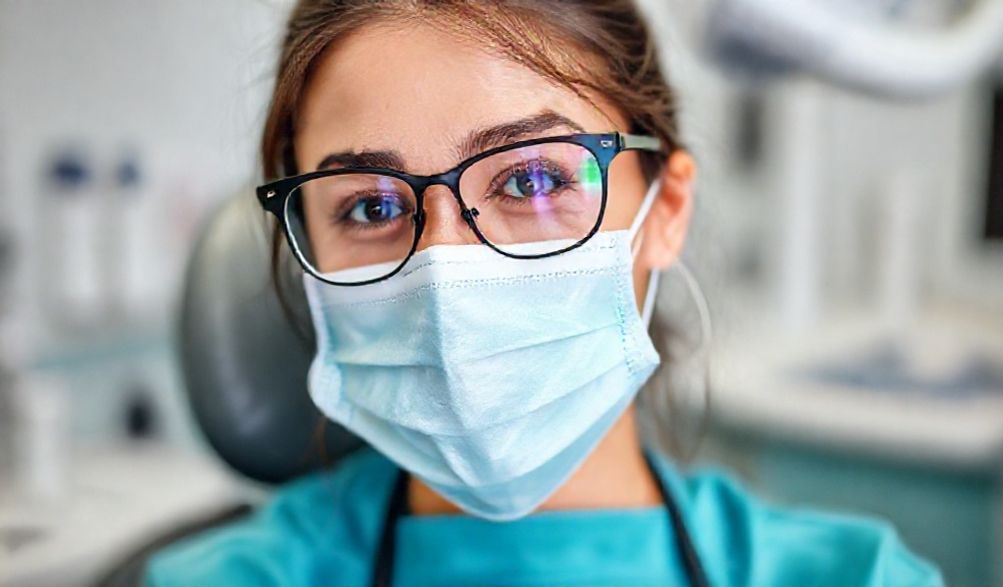
The Ultimate Guide to Dental Hygienist Glasses: Combining Safety, Clarity & Style
It’s the middle of a busy Monday. You’re leaning in for a better view of a subgingival deposit, your focus absolute. Suddenly, a warm spray hits your face, blurring your vision. You blink, frustrated, as your lenses fog over from your own breath, forcing you to pause, break sterility, and wipe them clean. The patient waits, your back aches from the awkward posture, and your eyes throb from the strain of the operatory lights. Sound familiar?
For dental hygienists, the eyes are among the most critical—and vulnerable—tools of the trade. Yet, all too often, eyewear is an afterthought: an uncomfortable, foggy, ill-fitting barrier rather than an asset. This ends now. Specialized dental hygienist glasses are not a mere accessory; they are fundamental, non-negotiable Personal Protective Equipment (PPE). They stand at the intersection of patient safety—creating a barrier against bioaerosols and splatter—and professional longevity—preserving your vision and comfort for a decades-long career.
This guide is your comprehensive resource. Developed with an understanding of OSHA/CDC mandates, optical technology, and the day-to-day realities of clinical hygiene, we will dissect everything you need to know. We’ll explore the undeniable “why,” break down the essential features, compare the different types available, and provide a practical checklist for choosing and maintaining the pair that will become your most trusted clinical partner. Your vision is irreplaceable; let’s protect it intelligently.
Why Specialized Glasses Are Non-Negotiable for Dental Hygienists
Before examining features and frames, it’s crucial to understand the stakes. The dental operatory is a uniquely hazardous environment for the eyes, and standard glasses or even cheap safety glasses often fall dangerously short.
The Occupational Hazards: More Than Just Splatter
The risks are multifaceted and ever-present:
- Infectious Aerosols and Splatter: This is the most obvious hazard. High-speed handpieces, ultrasonic scalers, and air-water syringes generate a cloud of potentially infectious material—blood, saliva, plaque, calculus, and nasopharyngeal secretions—that can easily contact the mucous membranes of the eyes.
- Chemical Splashes: From disinfectants and sterilants to etching gels and bleaching agents, chemicals used in dentistry can cause significant ocular damage, from irritation to serious burns.
- Flying Debris: Pieces of old restorative material, fractured calculus, or even a broken instrument can become airborne projectiles.
- Optical Radiation: Intense overhead operatory lights can cause glare and eye strain. More specifically, the high-intensity blue light emitted from dental curing lamps has raised concerns regarding potential long-term retinal exposure with cumulative, unprotected use.
The U.S. Occupational Safety and Health Administration (OSHA) is unequivocal on this point. Standard 29 CFR 1910.133 mandates that employers must provide eye and face protection “where there is a reasonable probability of injury that can be prevented by such equipment.” For dental professionals exposed to splash and droplet hazards, side-shielded goggles or glasses that provide full frontal and side protection are not a suggestion—they are a regulatory requirement for compliance.
Beyond Safety: Enhancing Clinical Performance
While safety is paramount, the right dental hygienist glasses do more than protect; they actively enhance your clinical performance.
- Reducing Eye Fatigue: Hours of meticulous, close-up visual work under bright lights is taxing. Glasses with proper magnification (more on this later), anti-reflective coatings, and blue-light filtering can dramatically reduce the muscular strain of focusing, minimizing headaches and end-of-day exhaustion.
- Ensuring Unobstructed Clarity: A fogged or streaked lens is more than an annoyance; it’s a clinical liability. It breaks your focus, compromises your ergonomic posture as you pull away to wipe it, and can obscure critical details in the oral cavity. Glasses designed to maintain clarity directly impact the precision of your scaling, the accuracy of your assessment, and ultimately, the quality of patient care you deliver.
Key Features to Look for in Dental Hygienist Glasses
Not all protective eyewear is created equal. When selecting dental hygienist glasses, prioritize these core features that address the specific challenges of the operatory.
Lens Technology: Your Window to Clarity
The lens is where technology meets your field of view.
- Anti-Fog Coatings: This is the #1 requested feature. Look for permanent hydrophobic and hydrophilic coatings bonded to the lens during manufacturing. They work by preventing water droplets from forming a fog layer. Avoid lenses with temporary coatings that wash off. Maintenance is key: clean only with recommended solutions and microfiber cloths to preserve the coating.
- Anti-Reflective (AR) & Blue Light Filtering: An AR coating cuts glare from operatory lights, reducing eye strain and improving visual contrast—essential for spotting subtle caries or calculus. A specialized blue light filter helps mitigate exposure from curing lamps, adding a layer of long-term protection.
- Magnification Options: For procedures requiring extreme precision, magnification is a game-changer. Common diopter strengths for dental hygiene range from +1.5 to +3.0. These can be found in dedicated readers (cheaters) or, more ergonomically, integrated into custom dental loupe systems. They bring the operative field into clear focus without forcing you to hunch.
- Material: Polycarbonate: This is the non-negotiable standard for safety lenses. Polycarbonate is highly impact-resistant—far more so than glass or standard plastic—and is lightweight. Ensure any lens you choose is made from this material.
Frame Design for All-Day Comfort & Security
If the lenses aren’t comfortable to look through, the frame isn’t comfortable to wear.
- Fit and Seal: A secure, gap-free fit is critical for protection. Wraparound styles are ideal as they follow the contour of your face. Look for features like adjustable silicone nose pads and temple tips to customize the fit, ensuring no gaps at the temples or cheeks.
- Ventilation: Strategic venting is the secret weapon against fogging. Well-designed glasses incorporate indirect or channeled vents that allow air circulation to equalize temperature without creating an open path for splatter.
- Material Comfort: Lightweight, durable materials like Grilamid or flexible TR-90 are excellent choices. They withstand repeated cleaning, feel light on the face during long procedures, and are often hypoallergenic.
Types of Dental Hygienist Eyewear: Finding Your Fit
Your specific needs, workflow, and budget will determine which category is best for you.
Safety Glasses with Side Shields
- Pros: The most cost-effective and widely available option. They resemble standard glasses but have attached side shields for compliance. Easy to find at safety supply stores.
- Cons: Often provide a less secure seal than wraparounds. Style options can be limited and may not integrate advanced features like premium anti-fog as commonly.
Wraparound Protective Glasses / Goggles
- Pros: Offer superior frontal and peripheral protection with an excellent seal. Many models are specifically designed for medical/dental use, featuring advanced anti-fog and ventilation. They often provide a wider field of view.
- Cons: Some can feel bulkier than standard safety glasses. Aesthetic choices may be more limited, though many modern designs are quite sleek.
Prescription Safety Glasses
If you require vision correction, this is your path to compliance and clarity.
* Process: You’ll need a current prescription from your optometrist. Then, you must order from an optical provider that fabricates safety-rated lenses (meeting ANSI Z87.1+ standards) in impact-resistant polycarbonate with your correction. The frames must also be safety-rated.
* Consideration: This is the ideal solution for daily-wear comfort and guaranteed clear vision, but it represents a more significant personal investment if not provided by your employer.
Dental Loupes with Integrated Eye Protection
This represents the high-end, performance-focused solution.
* The Integration: Many modern dental loupe systems (through-the-lens or flip-up) are now sold with custom-fit, protective side shields or even full wraparound protective lenses that clip or attach directly to the loupe frame.
* Positioning: This is the ultimate integration of ergonomics, precision, and protection. It addresses posture, visual acuity, and safety in one system. While a larger upfront investment, for a full-time clinician, the benefits to musculoskeletal health and clinical effectiveness can be profound.
How to Choose & Maintain Your Glasses: A Practical Checklist
Fitting Guide: Ensuring a Proper Seal
A perfect fit is essential. When trying on dental hygienist glasses:
1. Check for Gaps: Look in a mirror. There should be no significant gaps between the frame and your face, especially at the temples and across the cheeks.
2. Test the Bridge: The glasses should rest comfortably on your nose without pinching. Adjustable silicone pads are best for a custom fit.
3. Adjust the Temples: The temples should exert gentle, even pressure behind your ears without causing hot spots or headaches.
4. Over-Glasses Fit: If you plan to wear them over personal prescription glasses, ensure the fit is comfortable and doesn’t press your personal frames into your face. Look for models specifically designed as “fit-overs.”
Care & Maintenance for Longevity
Treat your glasses as a precision instrument.
* Cleaning: Always use a lens cleaner spray formulated for coated lenses and a clean, soft microfiber cloth. Never use your lab coat, tissue, or paper towels, as they can scratch coatings. Avoid household glass cleaners, which can degrade anti-fog layers.
* Storage: When not in use, store them in a hard case to prevent scratches and distortion. Never leave them lens-down on a surface.
* Replacement: Replace your glasses if they become deeply scratched (impairing vision), if the anti-fog coating fails permanently, or if there is any crack or compromise to the frame or lenses. Damaged PPE is not safe PPE.
FAQ Section
Q: Are regular prescription glasses enough for dental hygiene work?
A: Absolutely not. Regular prescription glasses lack the mandatory side protection and are not made from impact-resistant polycarbonate as required by OSHA standards. They offer zero protection against splatter from the sides and can shatter upon impact, creating a greater hazard.
Q: How do I prevent my dental glasses from fogging up permanently?
A: Prevention starts with your purchase: choose glasses with a high-quality, permanent anti-fog coating. Ensure the design includes adequate ventilation. To maintain the coating, clean only with recommended products. If fogging occurs, reapply an approved anti-fog spray or wipe designed for permanent coatings.
Q: Can I wear contact lenses with protective glasses?
A: Yes, you can and should still wear your protective glasses. Contact lenses provide no physical barrier against splashes, debris, or impacts. In fact, in a chemical splash incident, contaminants can become trapped behind a contact lens. Protective glasses are mandatory regardless.
Q: What’s the average cost range for good dental hygienist glasses?
A: Basic safety glasses with side shields start around $20-$50. Mid-range, dental-specific wraparound models with premium anti-fog and comfort features typically range from $50-$150. Prescription safety glasses start around $200 and go up based on lens complexity. Integrated loupe systems with protection represent the highest investment, ranging from $500 to over $1,500.
Q: Who is responsible for providing this PPE?
A: Under OSHA law (29 CFR 1910.132), the employer is generally responsible for providing, maintaining, and ensuring the use of required PPE, including eye protection. This includes replacing worn or damaged equipment. Always check your specific office policy and have a conversation with your employer about obtaining compliant eyewear.
Conclusion
Choosing the right dental hygienist glasses is one of the most important professional decisions you can make. It is an investment in your personal health, your clinical performance, and your long-term career sustainability. They are the silent partner in every procedure, shielding you from harm and bringing your work into sharp, comfortable focus.
As you move forward, let this guide be your benchmark. Prioritize certified safety—look for the ANSI/ISEA Z87.1+ marking, which signifies they meet the high-impact standard. Never compromise on fit and comfort, because the best glasses in the world are useless if they sit on your forehead instead of your eyes.
Take action today. Assess your current eyewear against the criteria discussed here. Initiate a conversation with your employer about your PPE needs. Whether you opt for a reliable pair of wraparounds or invest in an integrated loupe system, make an informed choice. Your vision is your most valuable clinical tool. Protect it with the seriousness it deserves, and practice with the confidence that comes from being fully equipped and focused.
p>